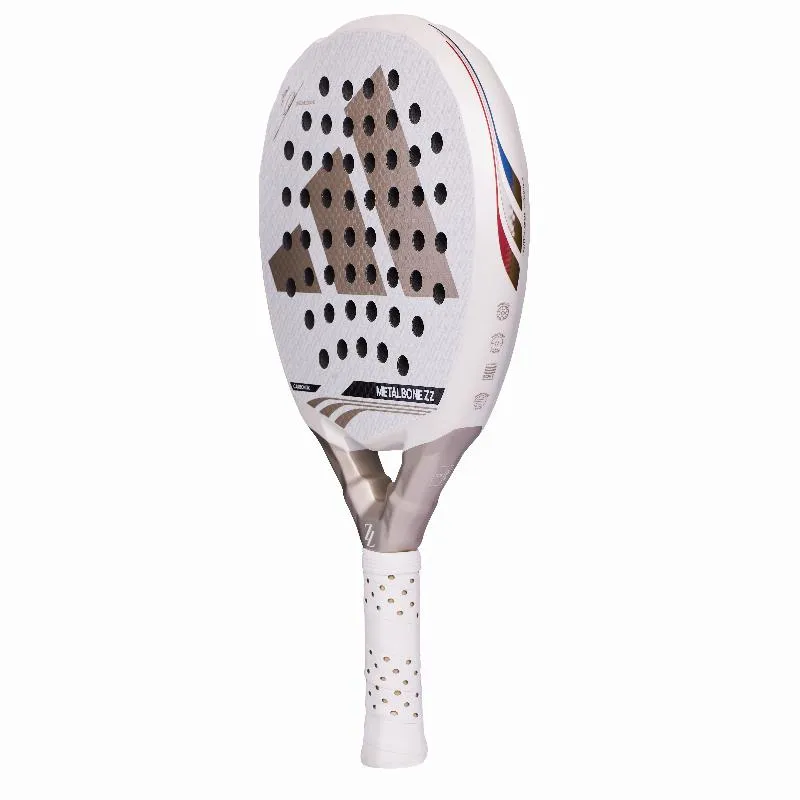
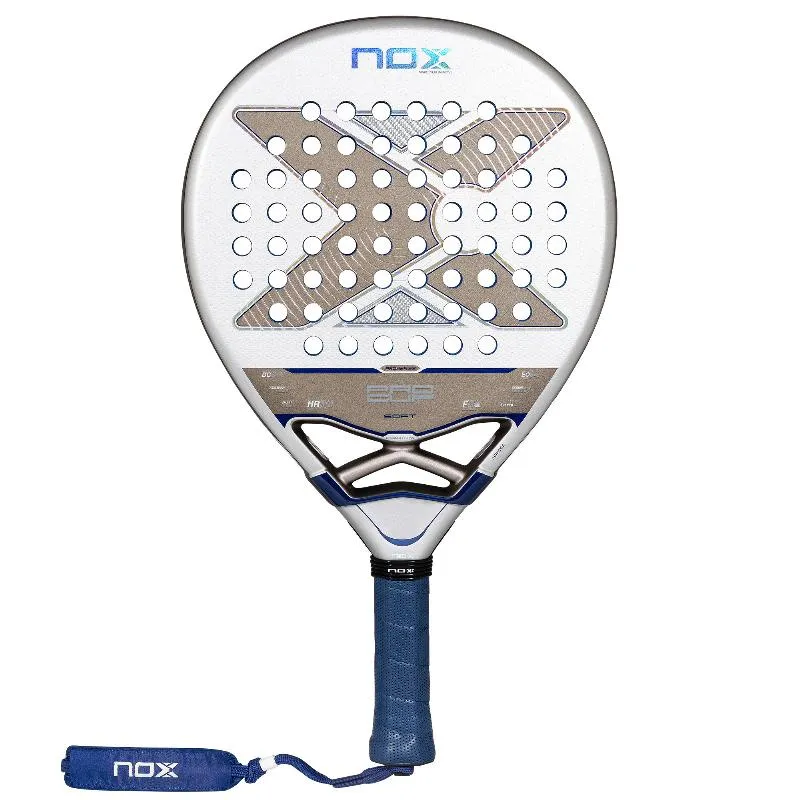
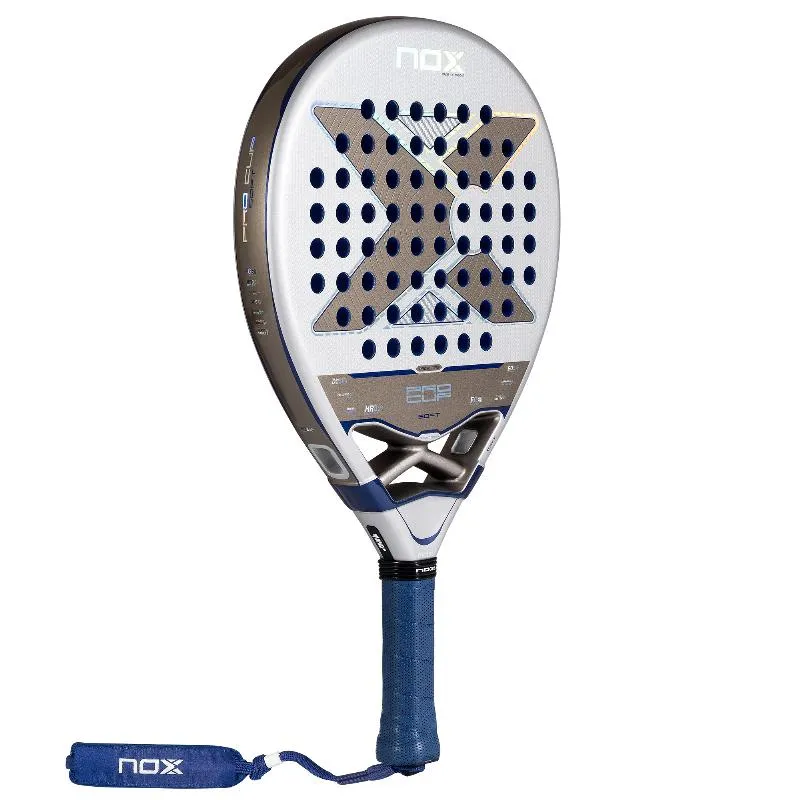
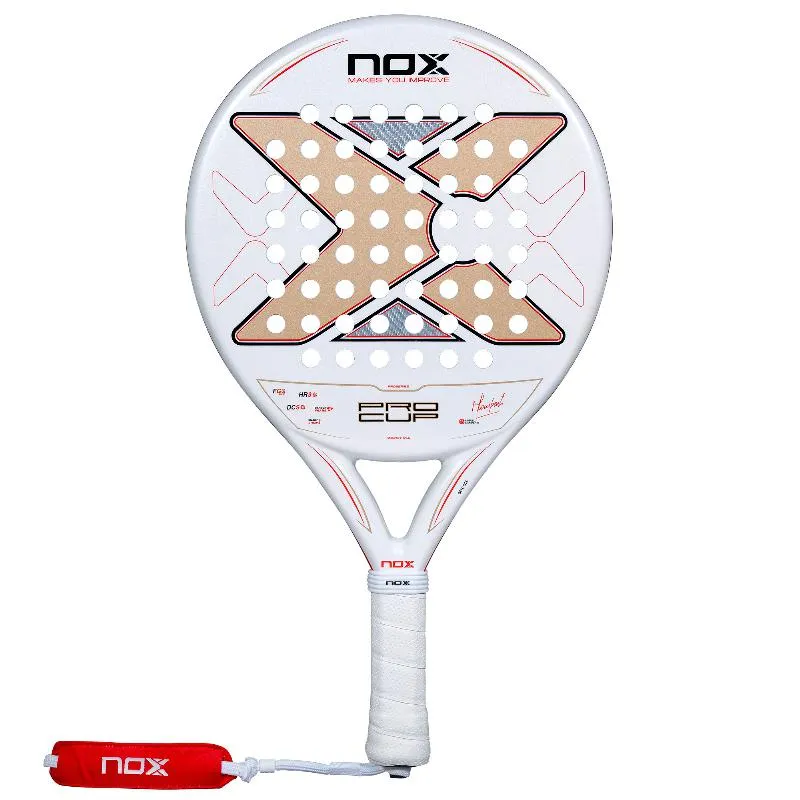
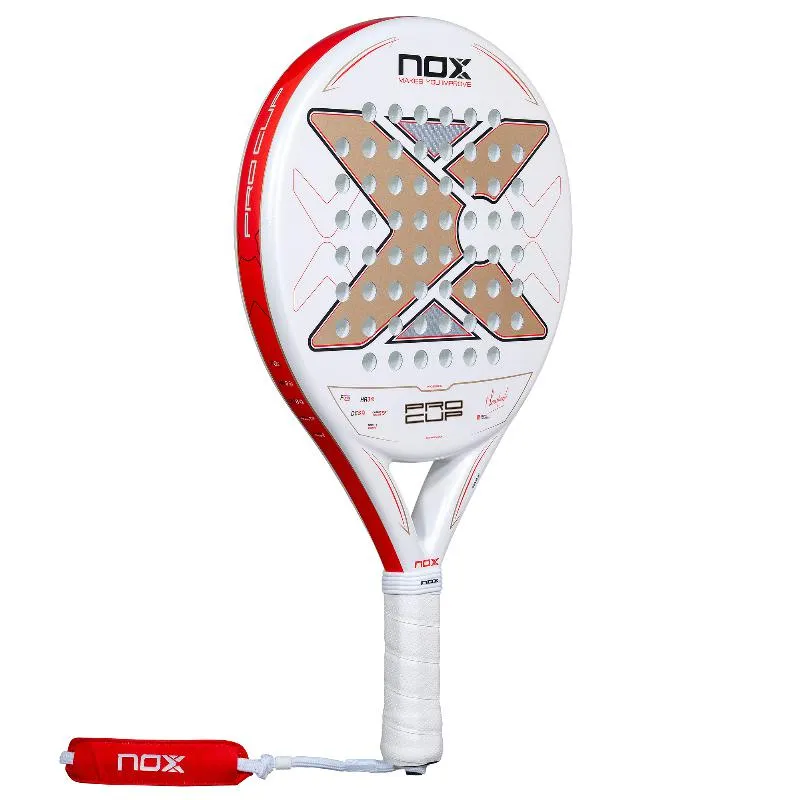
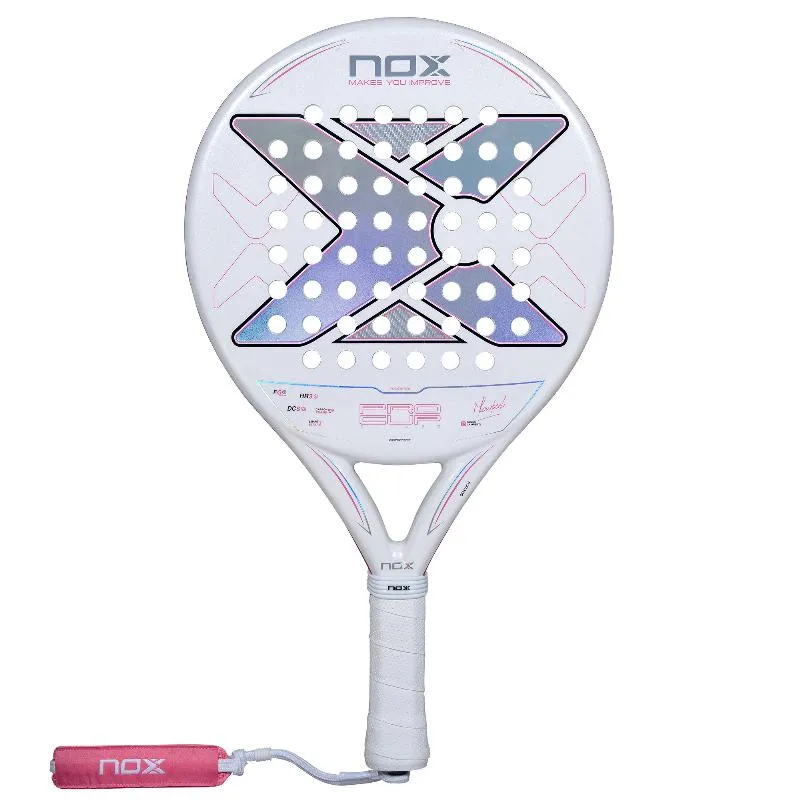
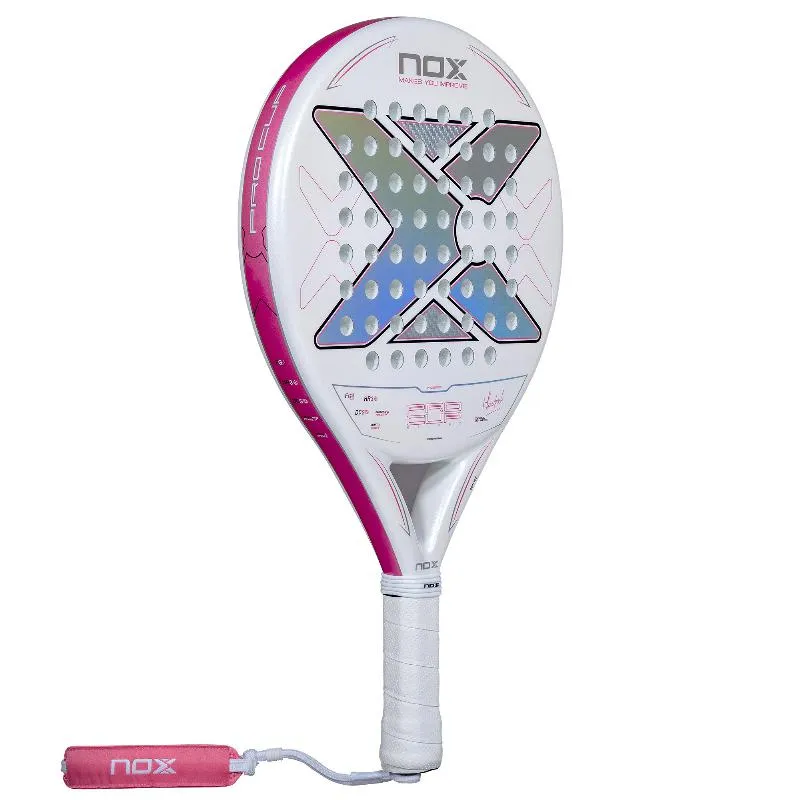
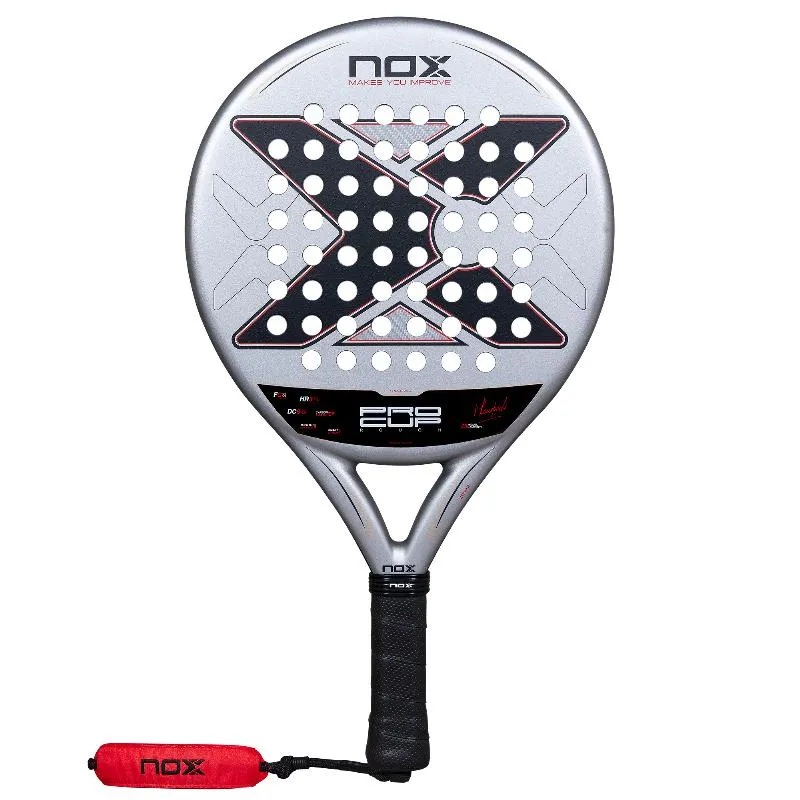
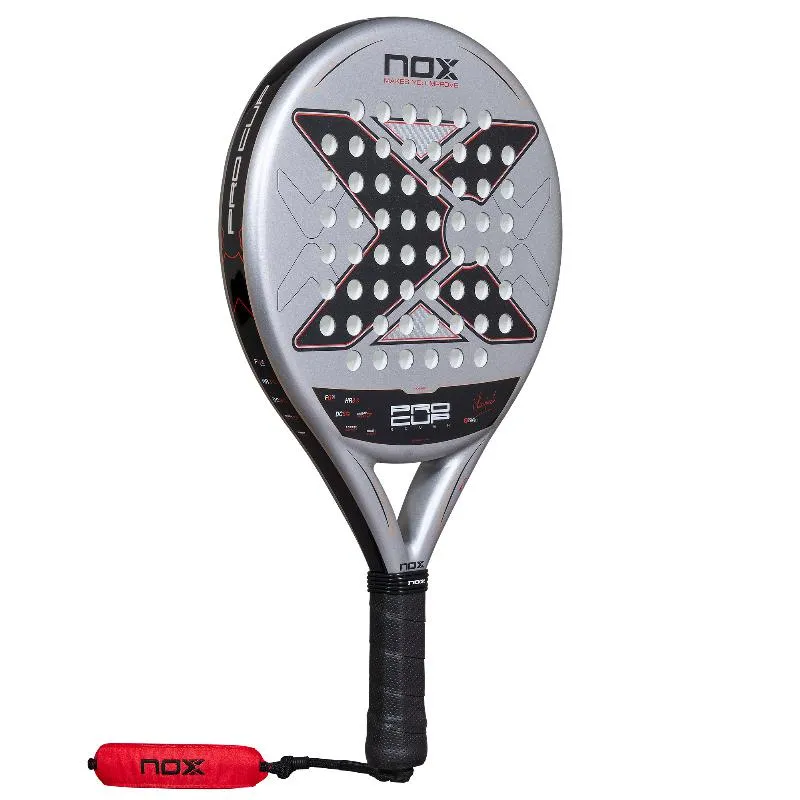
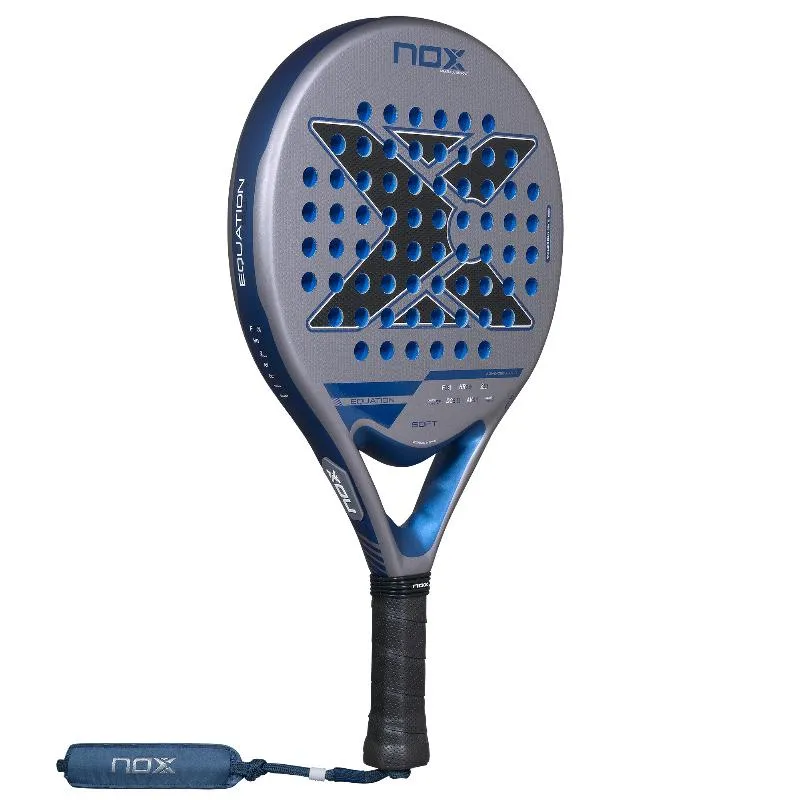
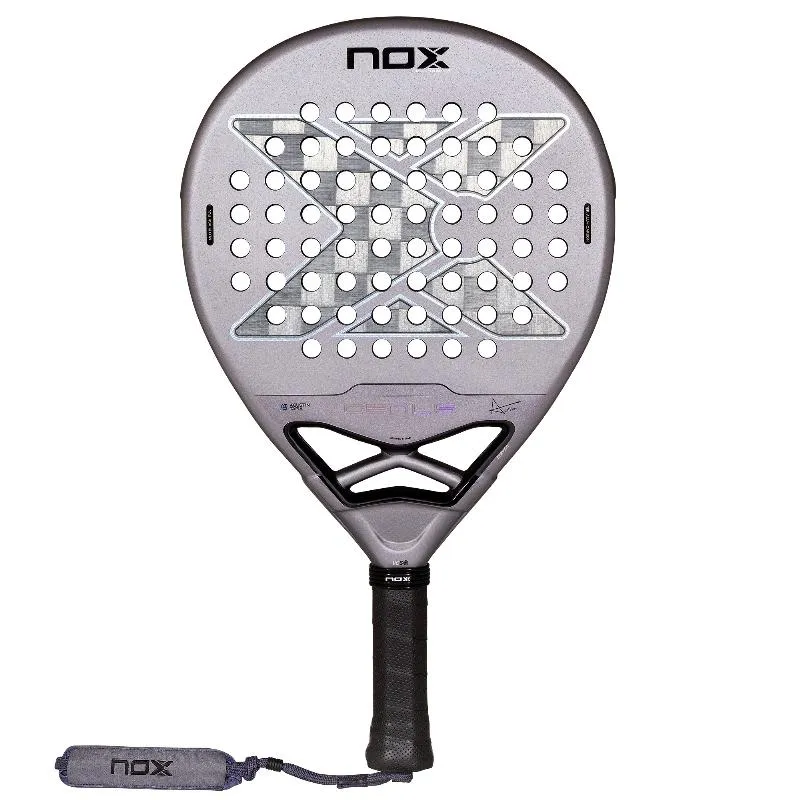
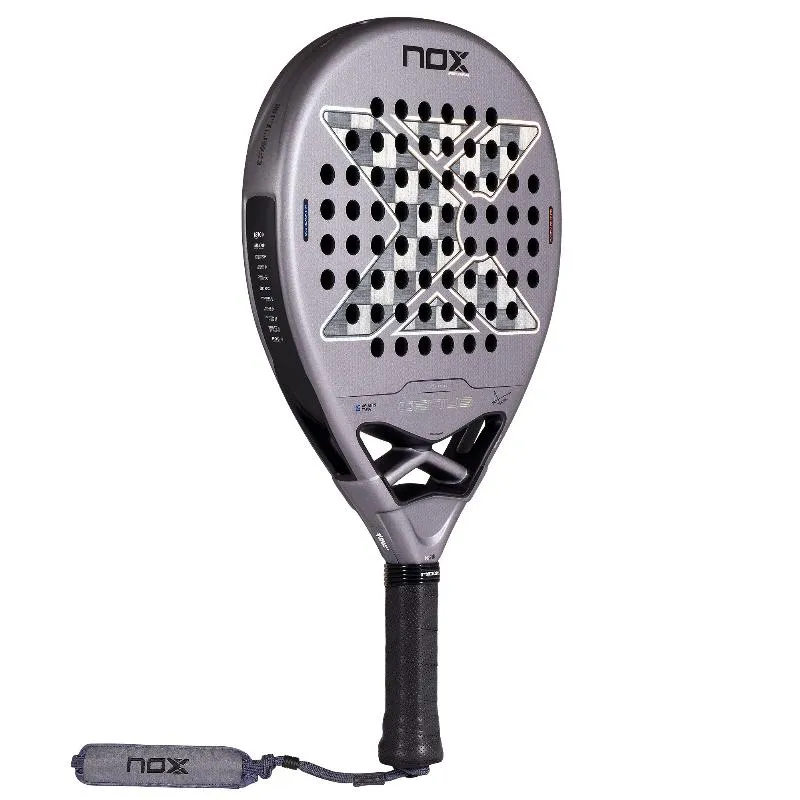
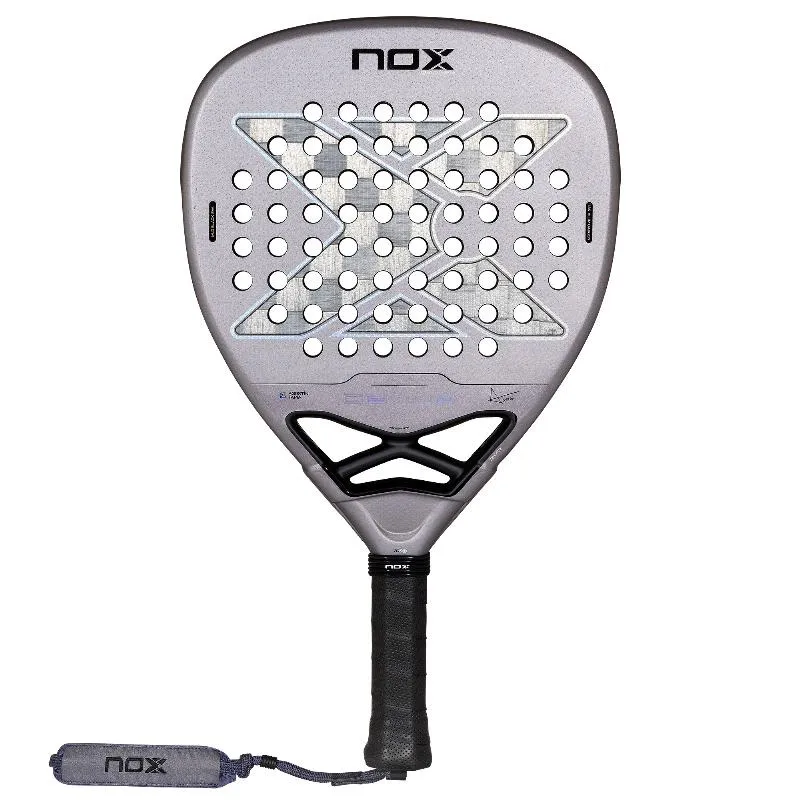
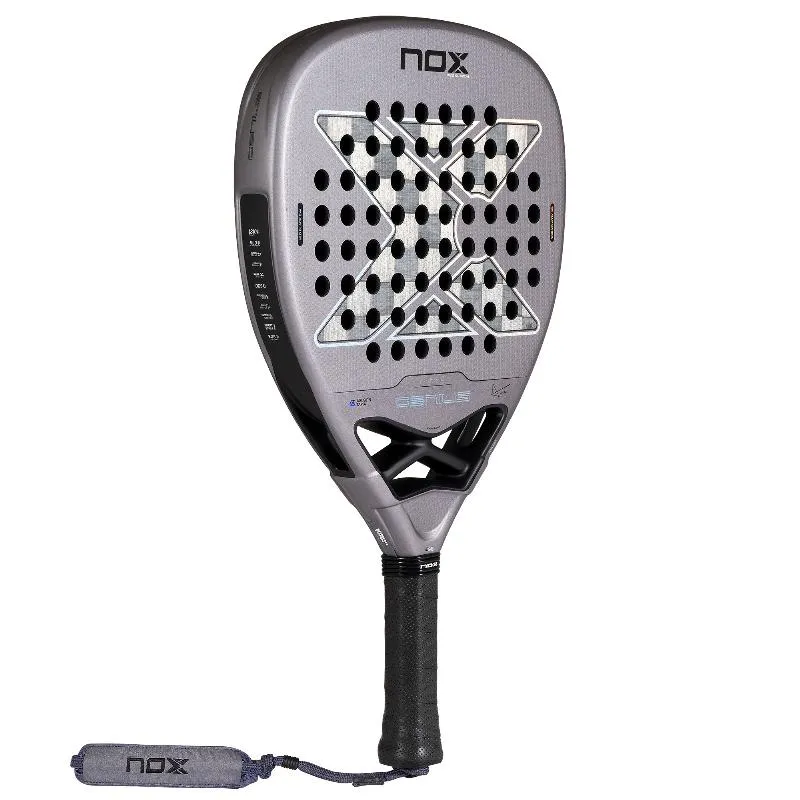
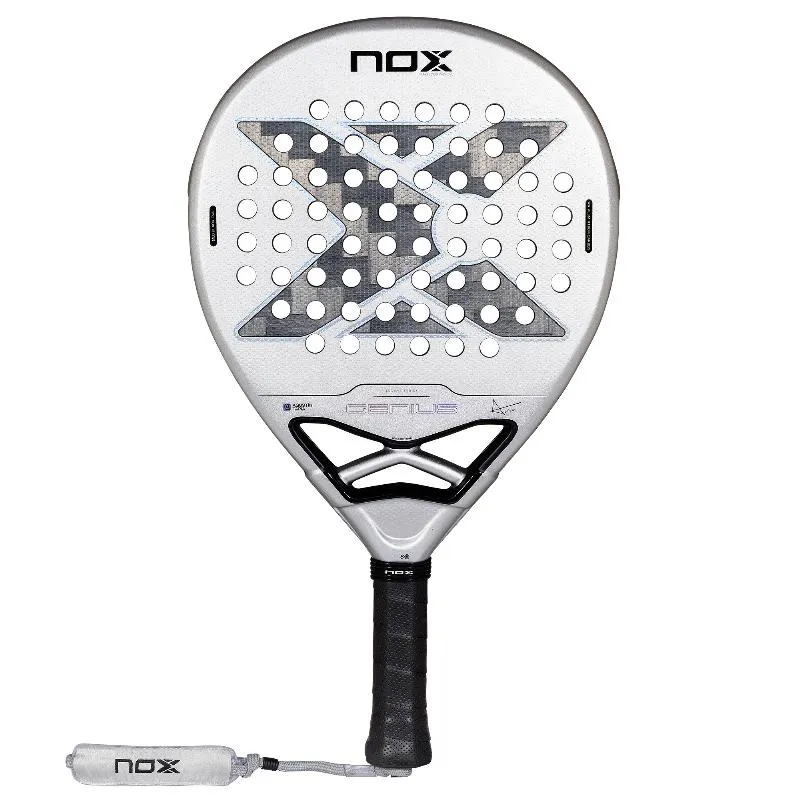
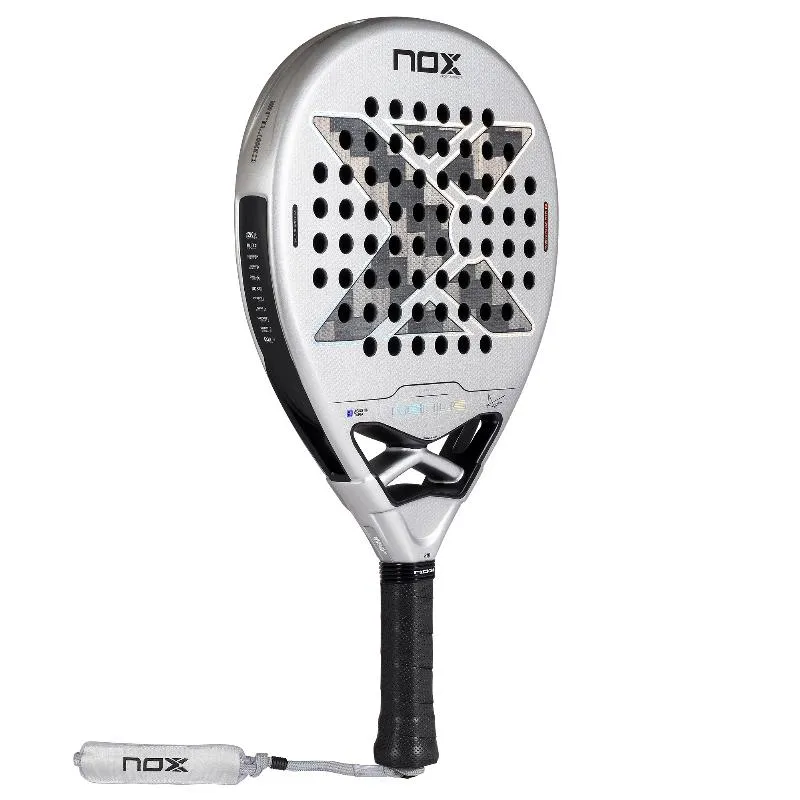
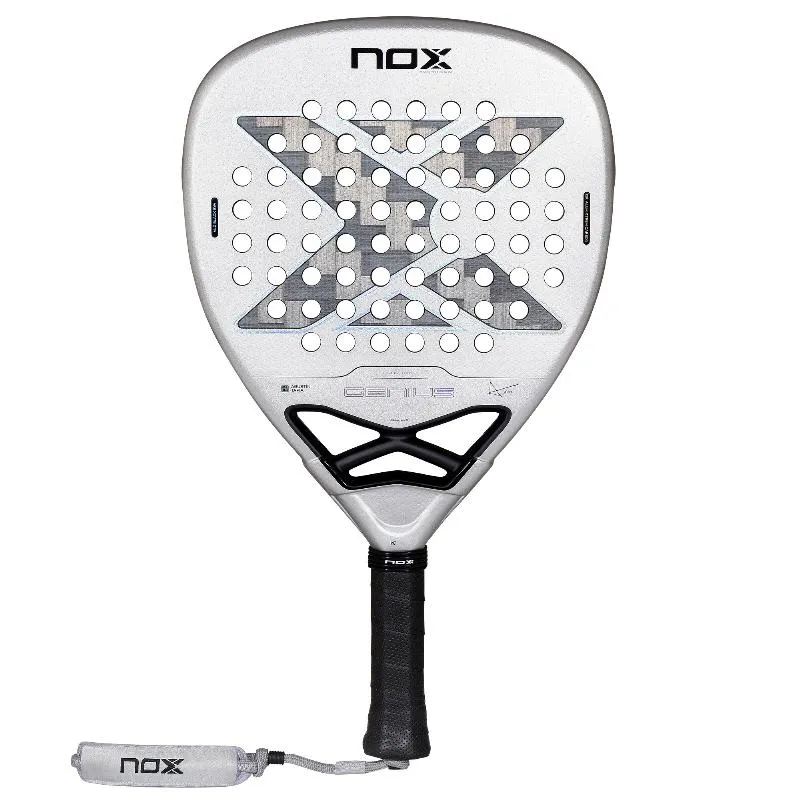
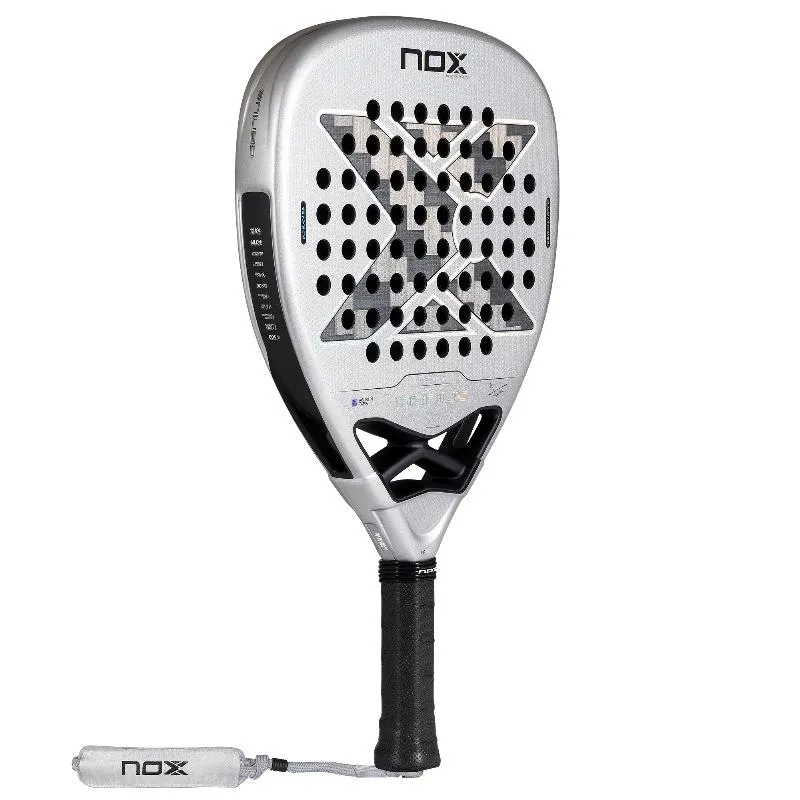
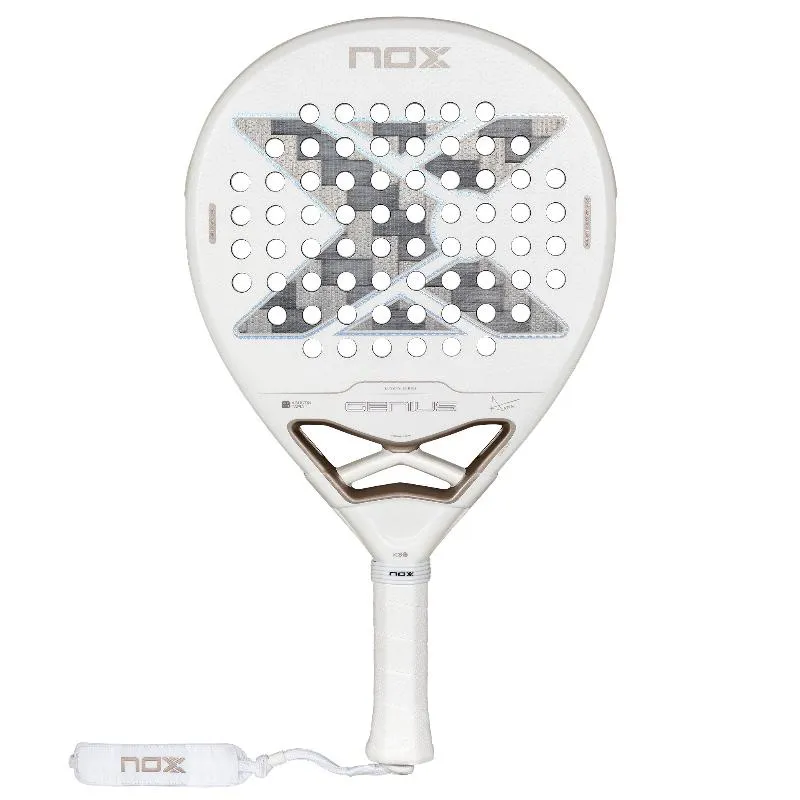
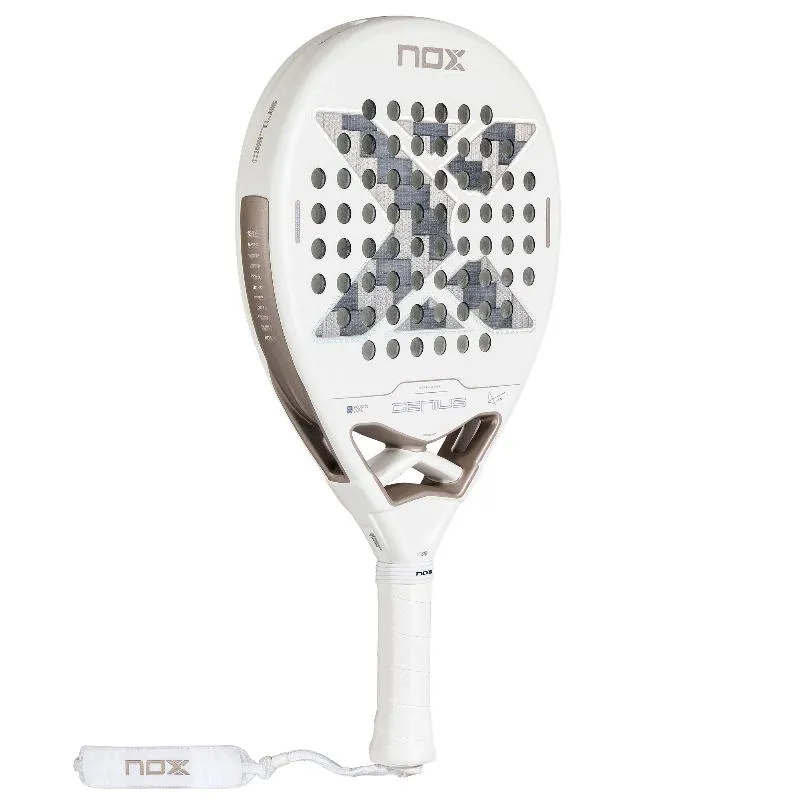
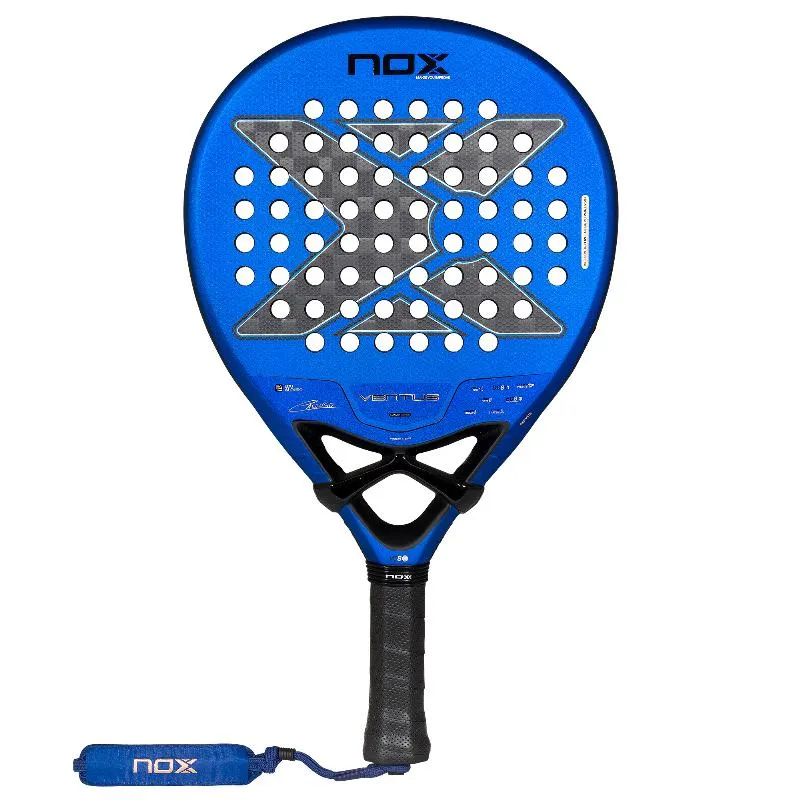
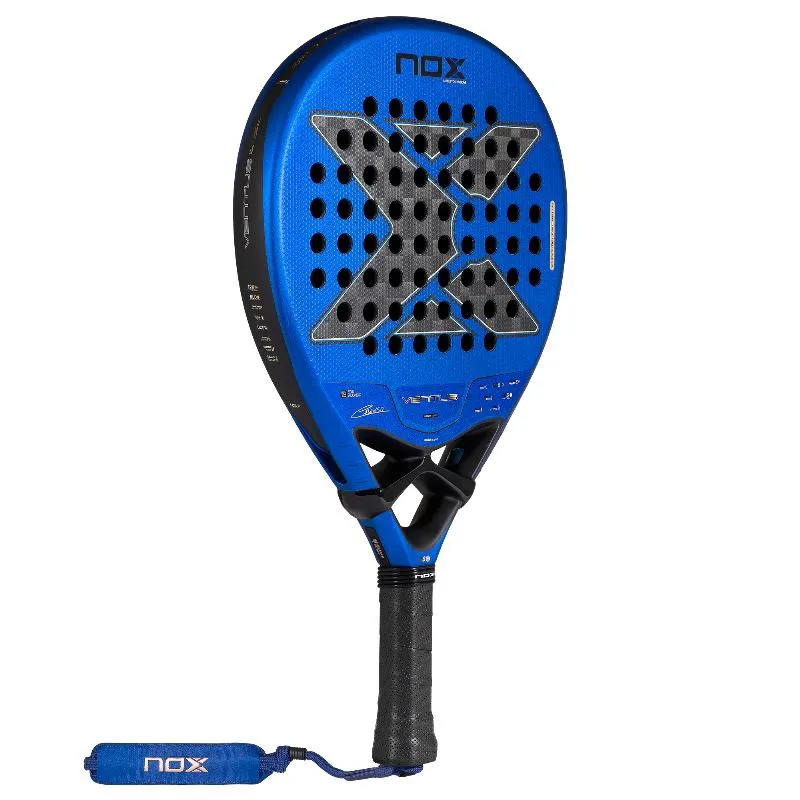
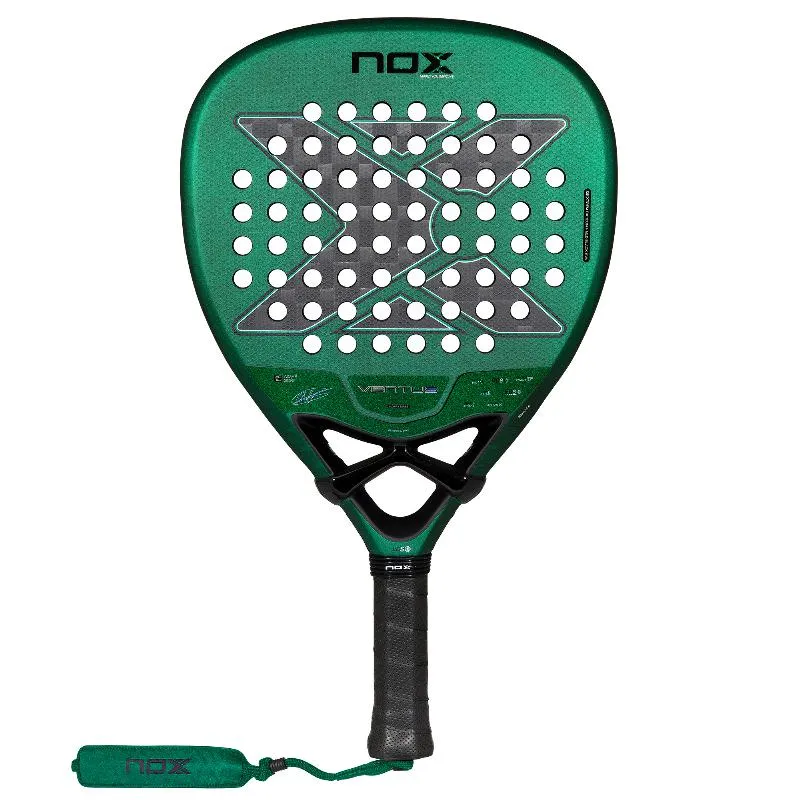
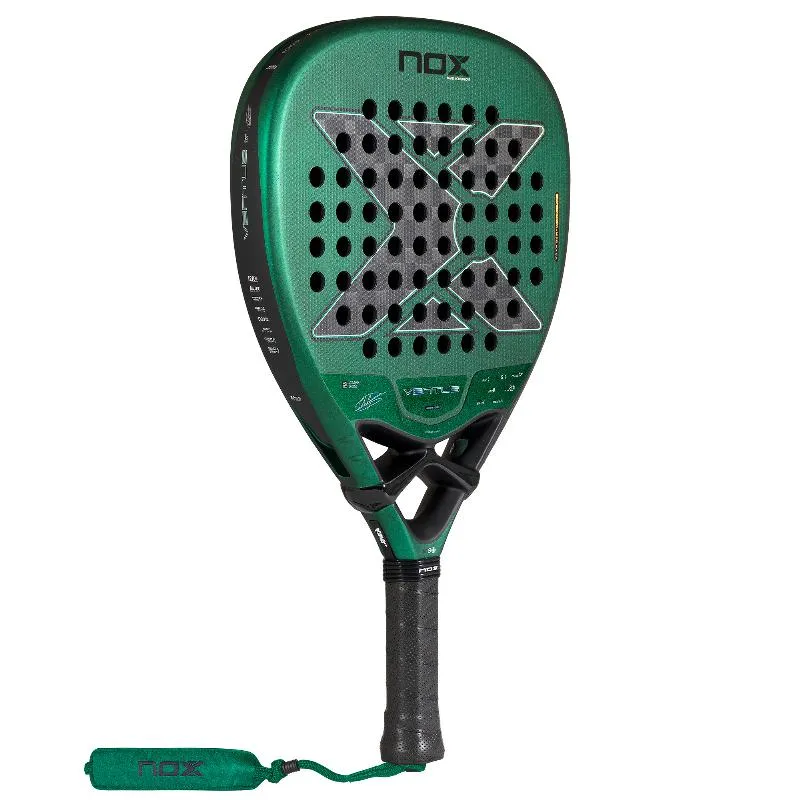











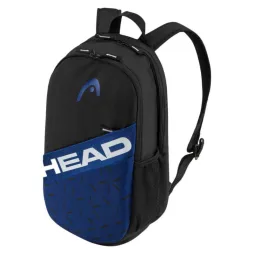







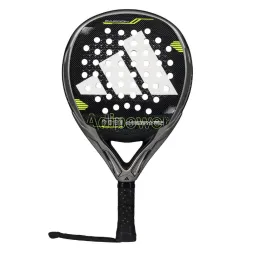



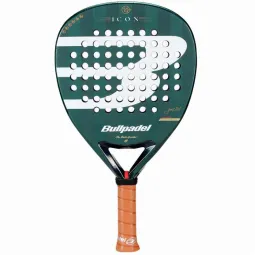
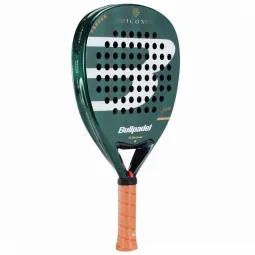
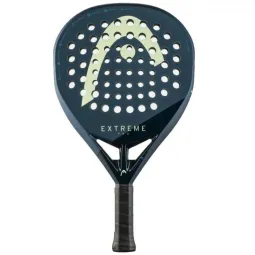
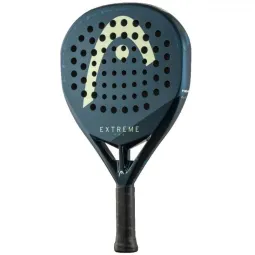

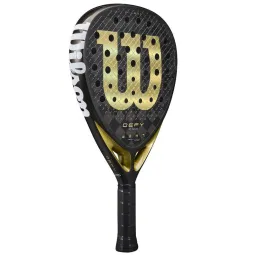

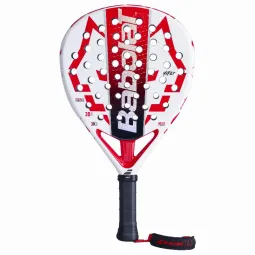
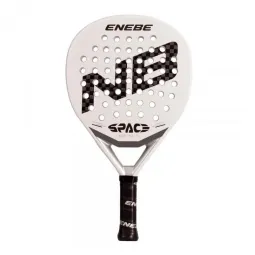
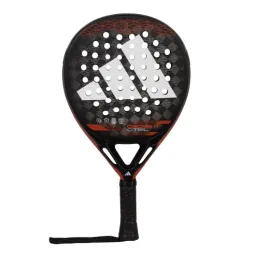
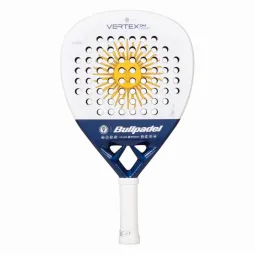
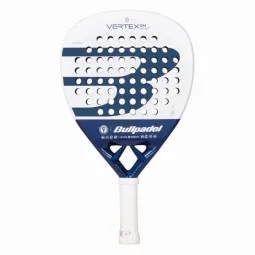


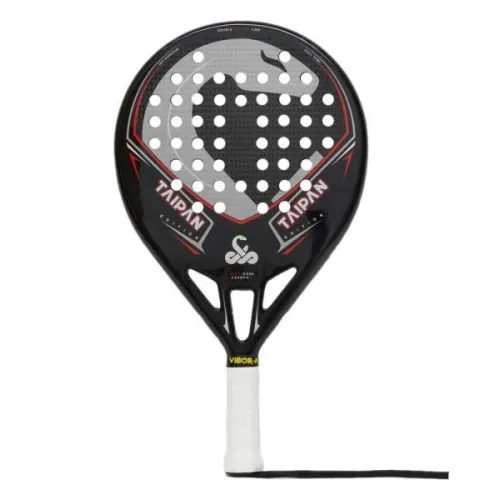
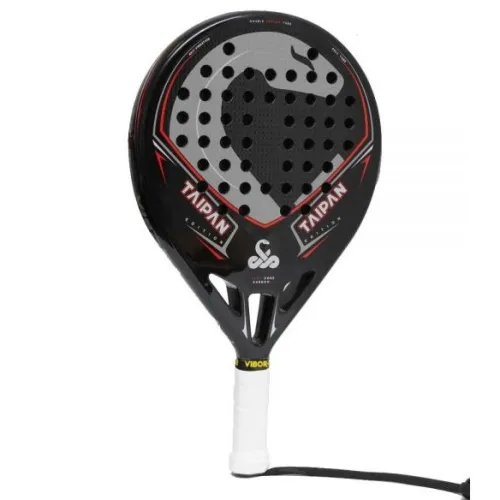



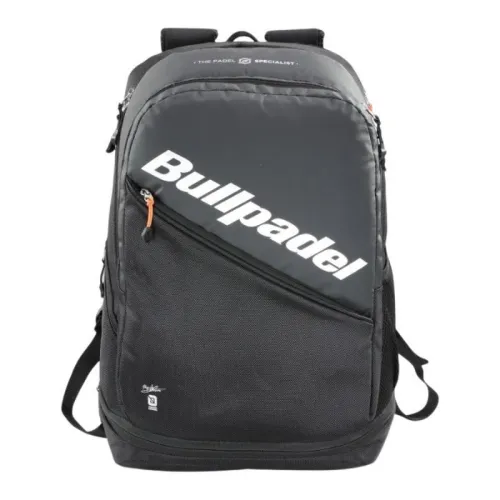




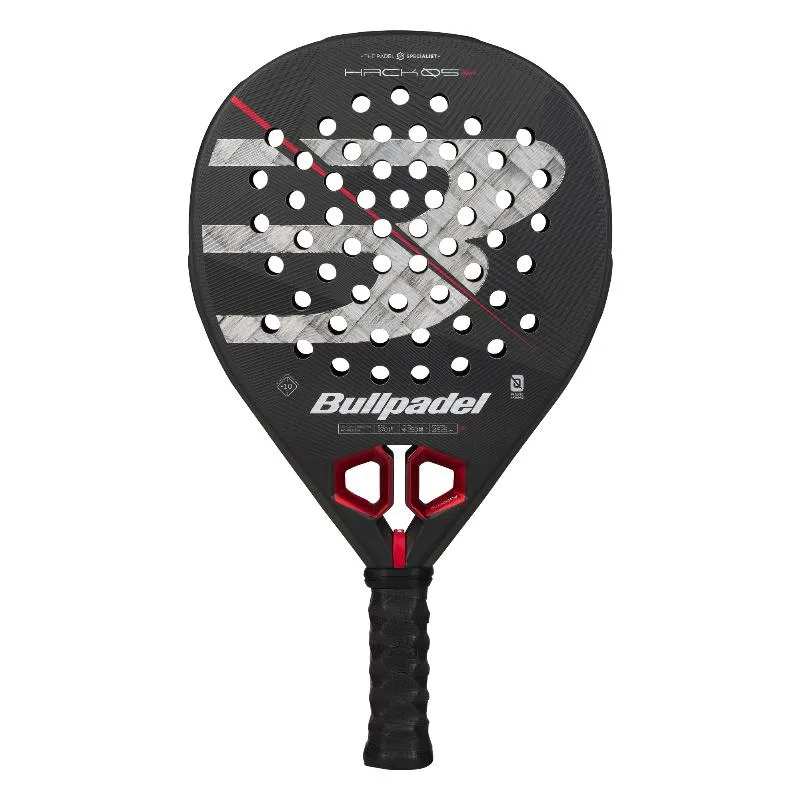
It is a very practical format for clubs when lots of people want a game and few have a regular partner. You do not need to bring a partner: the draw changes yours every round. If you need a racket, you will find it in our padel rackets category.
Here you will find how it works, how to organise it step by step, how many players and points you need and how it differs from the Mexicano, the variant it is most often confused with.
What is a padel Americano?
- What it is: a social tournament with individual sign-up and partners that change every round.
- Who wins: the player with the most individual points at the end, not the pair.
- How many players: multiples of 4 (8, 12, 16, 20, 24...), because each court takes 4 players per round. Practical minimum: 8.
- How many points: clubs usually play matches to 16, 20, 24 or 32 points, each lasting a few minutes, and 2 to 4 hours for the whole tournament; each organiser adjusts it.
- Americano vs. Mexicano: in the Americano the match-ups come from a draw; in the Mexicano, from the current standings.


What is an Americano in padel and how does it work? ↑ index
In an Americano you play in pairs that change every round by draw, but the points you win are added up for each player separately. The top scorer wins, not a pair.
You sign up on your own and the rotation chart (the table that shows who you play with, and on which court, each round) pairs you with different partners. Each match is played to a fixed number of points (16, 20, 24 or 32 are the most common) instead of sets, so it does not last long. At the end of each round, each player writes down the points they won with their partner of the moment, and those points are added to their individual score throughout the tournament. For example, a match to 24 points means 24 points played in total: if it ends 14-10, the two players who scored 14 get 14 points each and the other two get 10 each.
With 8 players, who fill two courts, you already get to play with a wider mix of people. The number of rounds and the total duration, 2 to 4 hours, depend on how many people sign up and on the courts available that day.
Why does Americano padel use rotating partners? ↑ index
So that a large group can mix in a single afternoon, and so that the final standings depend on each player's level, not on who they happened to play with.
Because scoring is individual, a player paired with a stronger one does not “inherit” their partner's win: everyone depends on their own game across all the rounds. That makes the standings fairer than in a draw with fixed pairs.
It is also why it is played to points and not sets: short matches of similar length make it possible to fit many rounds and many different match-ups into a single session. With so many matches in a row, it pays to arrive with your kit in good shape: further down, in our advice, we tell you what to bring.
How to organise a padel Americano, step by step ↑ index
Seven steps, always in the same order: from gathering the players to adding up the points and crowning the winner.
Gather players in multiples of 4. 8, 12, 16, 20, 24... With only 4 there is one court: partners change, but always among the same four people.
Choose the number of courts and rounds. Each court takes 4 players per round; with more courts you fit more players or more rounds into the same time.
Set the points per match. 16, 20, 24 or 32 points instead of sets, so that every match lasts about the same.
Draw the first round. Partners and courts at random, by hand (as in the 8-player example below) or with a tournament app or template that generates the rotation chart.
Play the round and record the points. At the end of each match, each player writes down the points they won with that particular partner.
Rotate and repeat. The next round is set up with different partners and opponents (by draw or from the rotation chart, which aims for you to partner everyone), for as many rounds as time and courts allow.
Add up and crown the winner. After the last round, the individual points from the whole tournament are added up: the player with the most points wins.
Made-up example, just to show how it rotates: 8 players (A to H), 2 courts and the first 3 rounds. Nobody repeats a partner. For each player to partner each of the other 7 once, you need 7 rounds.
| Round | Court 1 | Court 2 |
|---|---|---|
| Round 1 | A+B against C+D | E+F against G+H |
| Round 2 | A+C against E+G | B+D against F+H |
| Round 3 | A+F against B+H | C+E against D+G |
How many players, courts and points for an Americano? ↑ index
You need players in multiples of 4, a practical minimum of 8 (two courts) and matches to 16, 20, 24 or 32 points. There is no fixed maximum of players: the number of courts sets it. These are common club figures, not rules from any regulation: each organiser adjusts them.
Players in multiples of 4. 8, 12, 16, 20, 24... That way no court is left short and nobody sits out.
One court for every 4 players. 8 players need 2 courts; 16 players, 4 courts; 24 players, 6 courts.
Matches to points, not sets. The usual is 16, 20, 24 or 32 points in total between both pairs: in a match to 24, play stops once the 24th point has been played (say 14-10) and each player records their pair's points. Serves are shared equally among the four.
Matches of a few minutes. And 2 to 4 hours for the whole tournament, depending on players, courts and rounds.
Americano and Mexicano padel: how they differ ↑ index
The only real difference is how the match-ups are made: in the Americano, by draw; in the Mexicano, by the current standings. Both are played with rotating partners and individual scoring.
| Format | How match-ups are made | How matches evolve | Partners and scoring |
|---|---|---|---|
 Americano Americano | By draw, regardless of the score | Unpredictable pairings from start to finish | Rotating partners and individual scoring |
 Mexicano Mexicano | By the current standings: those who are winning play each other | Matches become more even as the tournament goes on | Rotating partners and individual scoring |
That is why in a Mexicano matches tend to become more even as the tournament goes on, while in an Americano you can get any partner and any opponent right up to the last round. Many clubs also run a popular variant, the mixed Americano: it works the same way, but each pair is always made up of one man and one woman.
Common mistakes in an Americano padel tournament ↑ index
Almost every mistake comes from thinking of the Americano as a pairs tournament, when sign-up and scoring are individual and matches are played to points, not sets.
“The pair that wins most matches wins”. No. The winner is the player who adds up the most individual points over the whole tournament.
“You have to sign up with a partner”. No. Sign-up is individual and your partner changes every round.
Signing up a number of players that is not a multiple of 4. Each court takes 4 players; if someone is left over, they sit out that round.
Playing matches in sets. Some matches finish much earlier than others and the rotation falls apart. That is why a fixed number of points is used.
Calling a Mexicano an Americano. If the match-ups depend on the standings, it is a Mexicano; if they come from a draw, it is an Americano.
Americano padel at your club: our advice ↑ index
Before you sign up, ask how many points each match is played to and how many rounds there are: that tells you how long you will be on court.
We have been in padel since 2003, with a physical shop in La Nucía (Alicante, Spain). An Americano means 2 to 4 hours of short matches back to back, with hardly any rest between rounds. Our advice: arrive with your racket in good condition, a spare overgrip (the thin tape wrapped around the handle so the racket does not slip when your hand sweats) and water for the whole afternoon.
And if you are drawing up the chart yourself, have it ready before the first round: nobody repeats a partner and you save arguments when recording the points.
“What should I bring to an Americano?” Your racket, a spare overgrip, water and a snack so you do not run out of energy.
“Can I join an Americano if I am a beginner?” Yes: many clubs run them by level. Ask about the level first so the matches are even.
Frequently asked questions about Americano padel ↑ index
What is an Americano in padel?
An Americano is a social padel tournament in which each player signs up alone, changes partner and opponents every round by draw and adds up their own points. The player with the most individual points wins.
How many players do you need for an Americano padel tournament?
An Americano needs players in multiples of 4, from 8 players upwards (two courts). There is no fixed maximum: it depends on the number of courts available that day.
What is the difference between an Americano and a Mexicano in padel?
In an Americano padel tournament, each round's match-ups come from a draw; in the Mexicano they come from the current standings, so matches become more even as the tournament goes on.
How many points is an Americano match played to?
An Americano match is most often played to 16, 20, 24 or 32 points, instead of sets, so that all matches last a similar time.
How long does a full Americano tournament last?
A full Americano usually lasts between 2 and 4 hours, depending on the number of players, courts and rounds. Each match lasts a few minutes, depending on the points the organiser sets. At Tienda Padelpoint we recommend bringing water and a spare overgrip for the whole session.
Do you need a partner to play an Americano?
No. In an Americano, sign-up is individual: the draw or the rotation chart gives you a different partner every round. That is why at Tienda Padelpoint we recommend it if you have no regular partner.
Glossary of Americano and Mexicano padel ↑ index
- Americano
- Social tournament with individual sign-up in which partners and opponents change every round by draw, with individual scoring.
- Mexicano
- Variant of the Americano in which each round's match-ups depend on the current standings, not on a draw.
- Round
- Each batch of matches played before partners and opponents rotate.
- Rotation
- The change of partner and court between one round and the next.
- Rotation chart
- The table, made by hand or with an app, that tells each player which partner and which court they have in each round.
- Individual scoring
- Each player adds up the points they win in every match, even though they play in pairs. The winner is a person, not a pair.
- Match-up
- The pairing for each round: who plays with whom and against whom.
- Match to points
- Match that ends once both pairs together have played a fixed number of points (16, 20, 24 or 32) instead of sets, so that all matches last about the same.
Our verdict: Americano padel ↑ index
The Americano is one of the formats that best explain why padel is played so much in groups: in a single afternoon you play with and against almost everyone who signed up, without needing a fixed partner.
Because scoring is individual, it rewards each player's consistency round after round, not the luck of landing a good partner in one particular match. And if you want more even matches towards the end, the Mexicano is its natural alternative.
Worth knowing: the pairings stay unpredictable until the last round and, if the number of players is not a multiple of 4, someone sits out each round.
Who is it for? It is ideal if you have no regular partner or want to meet more people at your club; if you would rather always play with the same partner, look for a pairs tournament; in Britain, official padel competitions are run by the LTA (Lawn Tennis Association).
In short, Americano padel: individual sign-up, partners drawn every round, matches to 16, 20, 24 or 32 points, players in multiples of 4 (practical minimum 8) and 2 to 4 hours of tournament.
Got an Americano coming up? Take a look at our padel rackets or browse the whole padel shop. We deliver to the United Kingdom, which is outside the EU, so there is a minimum order and your parcel may incur import duties: see shipping costs and times.
After the Americano: how a normal padel match is scored ↑ index
Outside an Americano, a normal padel match is scored in games and sets, not to a fixed number of points. How each deuce is settled (golden point or advantage) and other club tournament formats are explained in two separate guides.
Golden point or advantage in padel: differences and rules — How each system works and what changes in the game.
Popular team tournament formats in padel — League, knockout, round robin and mixed formats for club tournaments.