


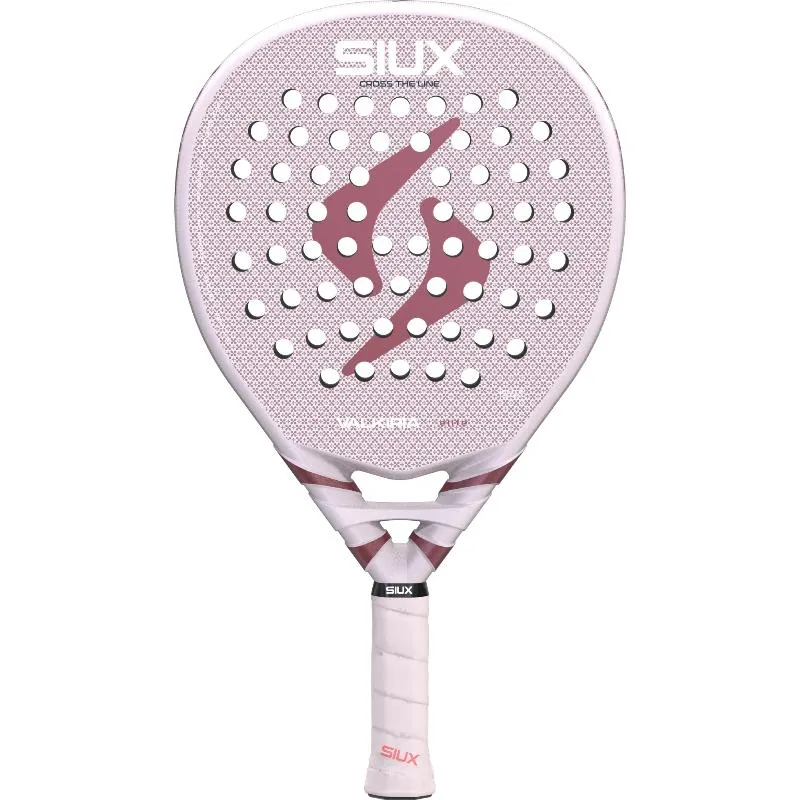

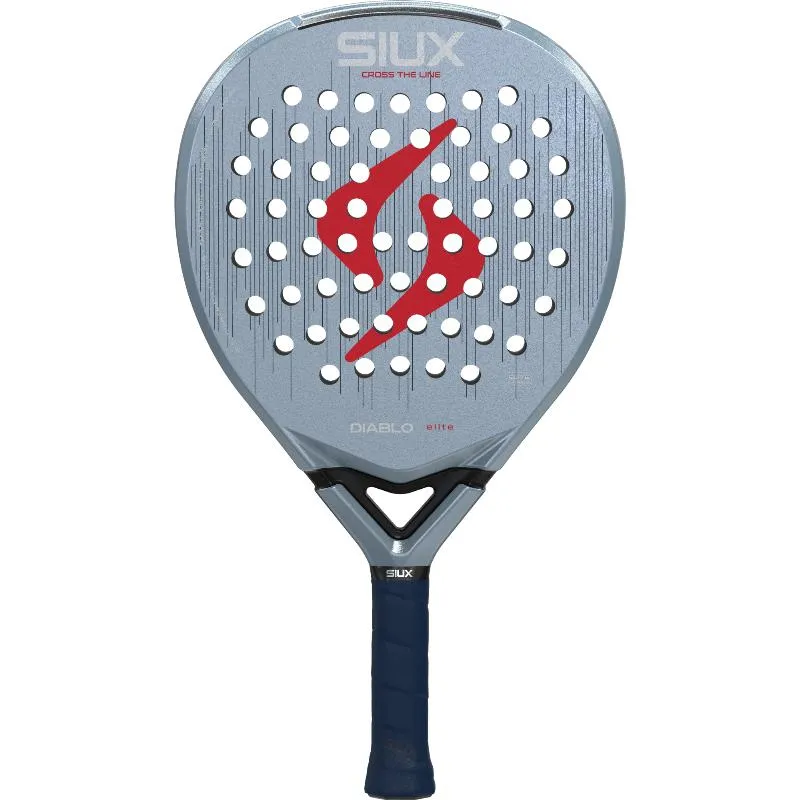
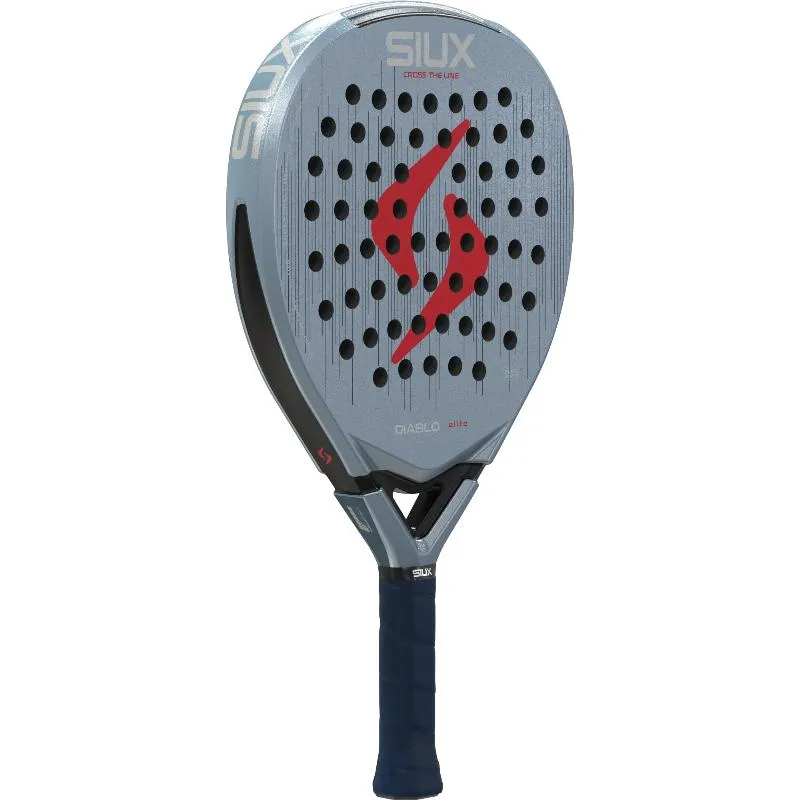
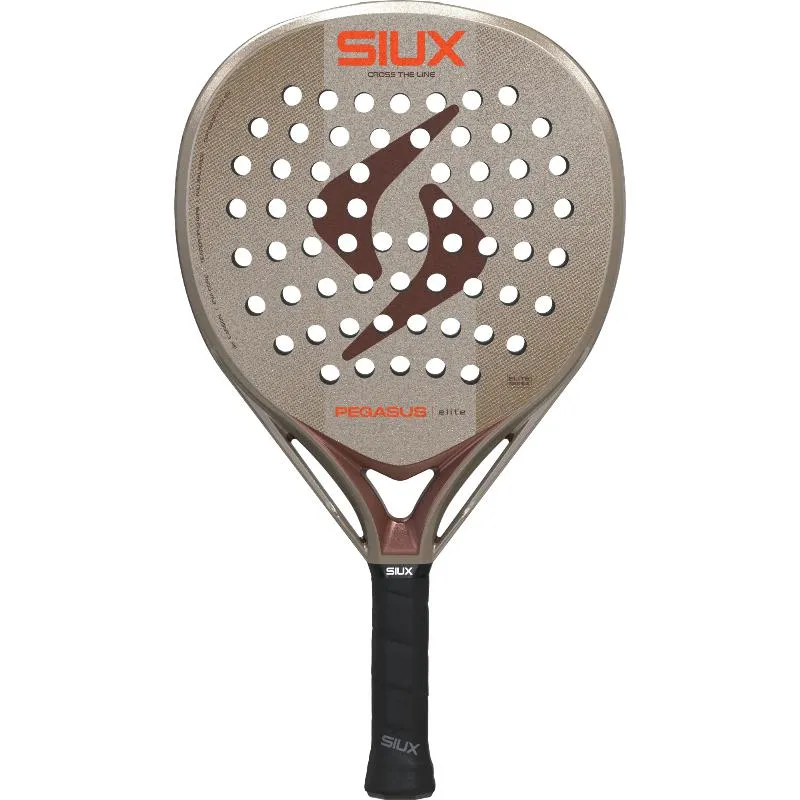

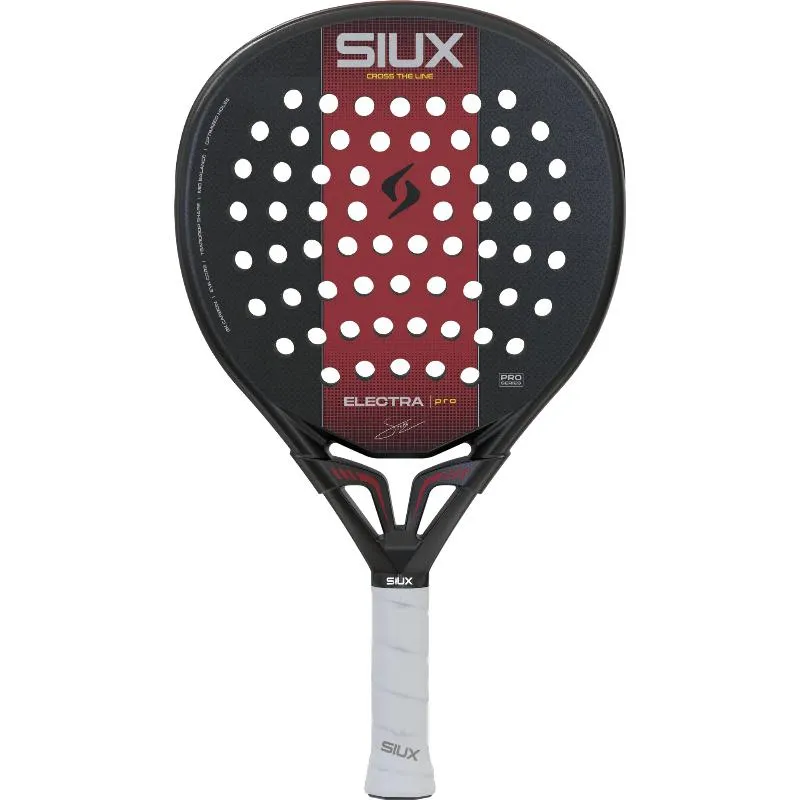

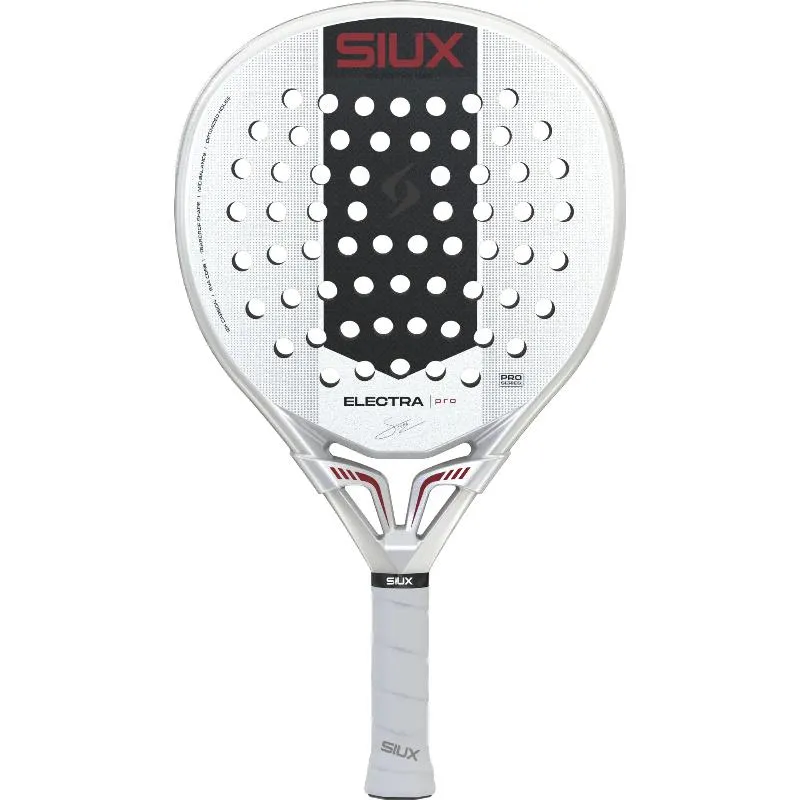
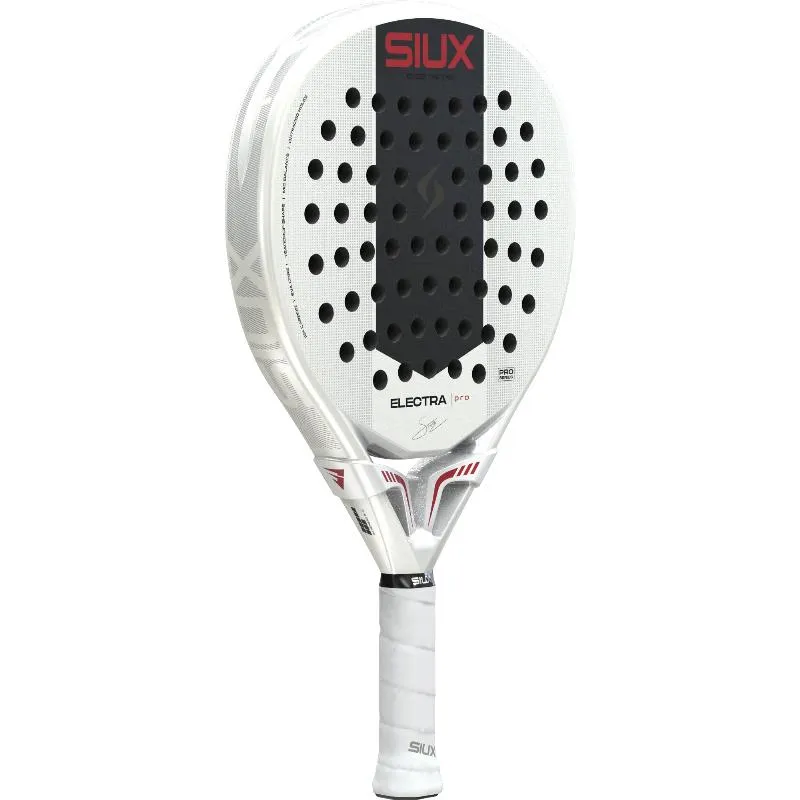













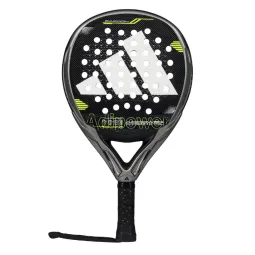

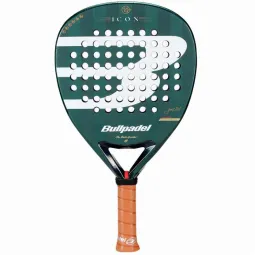
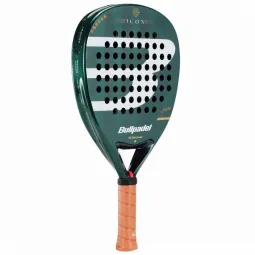
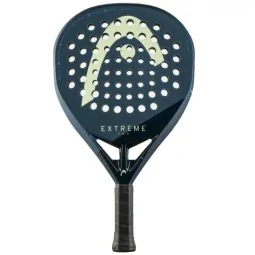


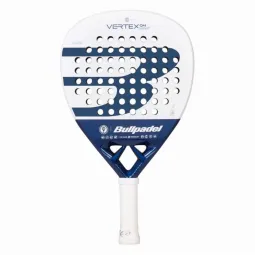




If you have just started, the rules of padel take a couple of matches to learn, but at first it is hard to know what counts and what does not: how many bounces are allowed, what happens with the walls, how points are counted. If you still need equipment, browse our padel rackets.
What follows is based on the official text of the FIP Rules of Padel (edition in force since 1 January 2026; rules consulted in October 2026).
Which rules do I need before my first match?
- Court: 10 x 20 metres, with a central net and walls that are part of the game.
- Serve: let the ball bounce first and hit it at waist height or below, diagonally.
- Bounces: one per side; if it bounces twice on your court, the point goes to your opponents.
- Points: 15, 30, 40 and game; at 40-40 you use advantage, Star Point or golden point.
- Match: first to win two sets; each set is six games with a two-game margin.


How do you play padel? The basic rules ↑ index
Padel is played two against two, with a racket and a ball, on an enclosed court. Each pair returns the ball over the net, after a single bounce, until one of them makes a mistake.
Two pairs: each side of the net has two players who share the court.
Enclosed court: the walls and the metal fence are part of the game.
Serve at waist height or below: the ball is allowed to bounce and is hit diagonally into the opposite service box.
One bounce per side: the ball may bounce once on your court and then hit your walls before you return it.
Scored by games: 15, 30, 40 and game, with sets of six games.
How big is a padel court and how is it divided? ↑ index
A padel court measures 10 metres wide by 20 long, and the net splits it into two equal halves of 10 x 10 metres.
10 x 20 metres: inside measurement of the court, with a 0.5 % tolerance.
Central net: separates the two halves and is the first thing the ball has to clear.
Service line 6.95 m from the net: and a central line that divides each side into two service boxes.
Minimum free height of 6 m: the rules recommend 8 m on new courts.
Padel scoring: advantage, Star Point, golden point ↑ index
Each game is counted 15, 30, 40 and game. If both pairs reach 40-40, the FIP rules allow three systems and the organiser chooses which one is used.
| System | What happens at 40-40 | Who wins the game |
|---|---|---|
| Advantage | Whoever wins the next point has the advantage; if they lose it, it goes back to 40-40 | The pair that wins the point after holding the advantage |
| Star Point | After several deuces in a row, a decisive point is played on the third one | The pair that wins the Star Point; the receiving pair chooses the side |
| Golden point | A single decisive point is played at the first 40-40 | The pair that wins that point; the receiving pair chooses the side |
Set and match: a set is won with six games and a two-game lead (at 5-5 you play on to 7-5). At 6-6 there is a seven-point tie-break, also with a two-point lead. The match is the best of three sets; if agreed beforehand, the third set can be played without a tie-break or replaced by a ten-point super tie-break (FIP rules).
How do you serve in padel? ↑ index
You serve with one foot behind the service line, letting the ball bounce and hitting it at waist height or below, diagonally towards your opponent’s box.
Foot behind the line: until you hit the ball, one foot behind the service line (Rule 6.1); and at contact, at least one foot on the ground (Rule 6.4).
Bounce first: the ball must bounce on your court before you hit it.
Hit at waist height or below: never above.
Opposite box, diagonally: and you alternate boxes on every point.
If the ball touches the net on the serve and still lands in the correct box, it is not a fault: the serve is replayed (this is the “let”).
How many bounces, and can you play off the walls? ↑ index
The ball may bounce only once on your court. After that it can hit your walls or the fence and you can still return it, as long as it has not bounced twice.
One bounce only: if it bounces twice on your court, you lose the point.
Your walls count: after bouncing on your court, the ball can hit your wall or fence and stay in play.
The net does not cancel the shot: if the ball touches the net or the posts and still lands on your opponents’ court, the shot is valid.
Not the opponents’ wall: if you hit the ball against the opposing wall or fence without it bouncing on their court first, you lose the point.
When you look for your first racket, take a look at our selection of padel rackets: at the shop in La Nucía we help you try them and choose.
When do you lose a point in padel? ↑ index
You lose the point if the ball bounces twice on your court, if you hit it twice in a row or if you touch the net while the ball is in play. These are the most common mistakes for beginners.
Double bounce: the ball bounces twice on your court before you return it.
Double hit: you hit the ball twice in a row, or both partners touch it.
Touching the net: the net, the posts or the cable with your body, your racket or anything you wear, while the ball is in play.
Hitting before it crosses the net: the ball must cross the net before you return it.
Two serve faults in a row: you lose the serve and the point.
Interference: if something outside the game interrupts the point it is replayed (let); if you hinder an opponent by accident it is replayed, and the second time you lose the point.
«Can I hit the ball before it bounces?» Yes: in normal play you can volley the ball before it bounces on your side. The only exception is the serve, where the ball is always let bounce before you hit it.
«Who serves first?» It is decided by a toss before the match: the pair that wins it chooses between serving, receiving or the side of the court.
Frequently asked questions about the rules of padel ↑ index
How do you play padel?
It is played in pairs, with a racket and a ball, on an enclosed 10 x 20 metre court. The ball must pass over the net after a single bounce and can rebound off the walls on your side before you return it.
How many times can the ball bounce in padel?
Only once on each court. After bouncing on the floor it can hit your walls or the fence and you can still return it, but if it bounces twice on your court you lose the point.
How does scoring work in padel?
Count 15, 30, 40 and game. At 40-40 advantage, Star Point or golden point is used, as the organiser decides. A set is six games with a two-game lead and the match is the best of three sets.
How do you serve in padel?
With one foot behind the service line, letting the ball bounce and hitting it at waist height or below, diagonally into the opposite service box.
Can you play off the walls in padel?
Yes. After bouncing on your court, the ball can hit your walls and the fence and stay in play. What is not allowed is sending it against the opponents’ wall without it bouncing on their court first.
Glossary of the rules of padel ↑ index
Tienda Padelpoint’s verdict ↑ index
If you keep one idea: padel is played in pairs, the ball may bounce only once on your court and the walls are part of the game.
The rest you pick up by playing: after a couple of matches the serve, the bounces and the scoring will come naturally. If you want advice on your first racket, drop by the shop or write to us.