

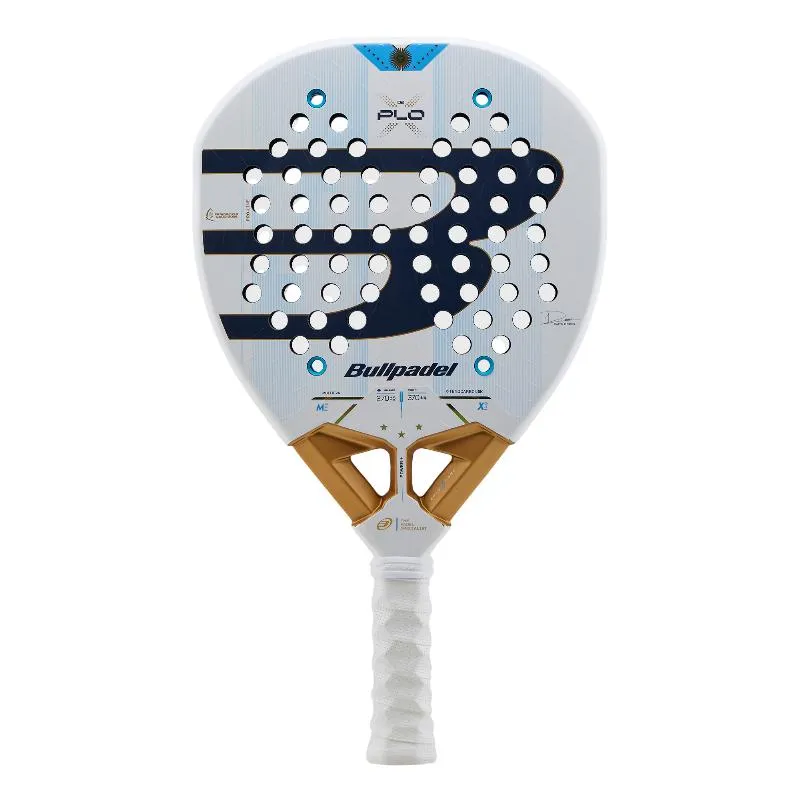
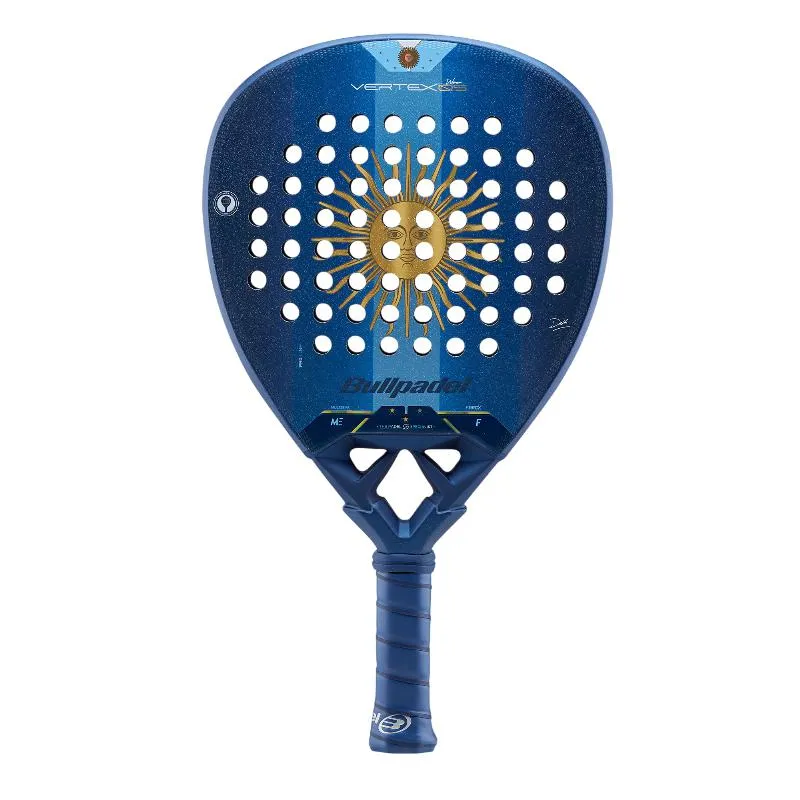
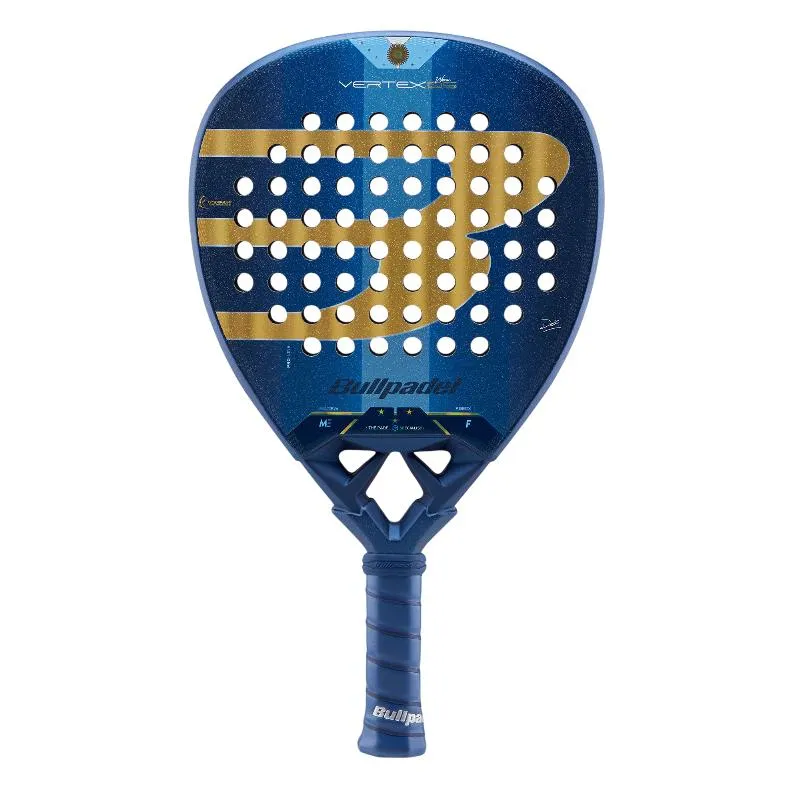
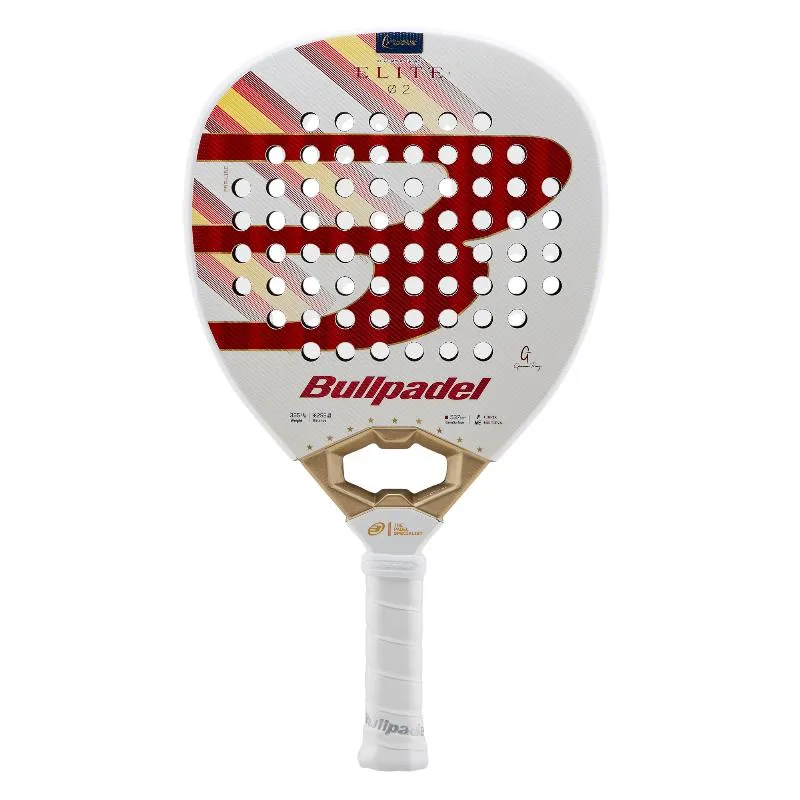
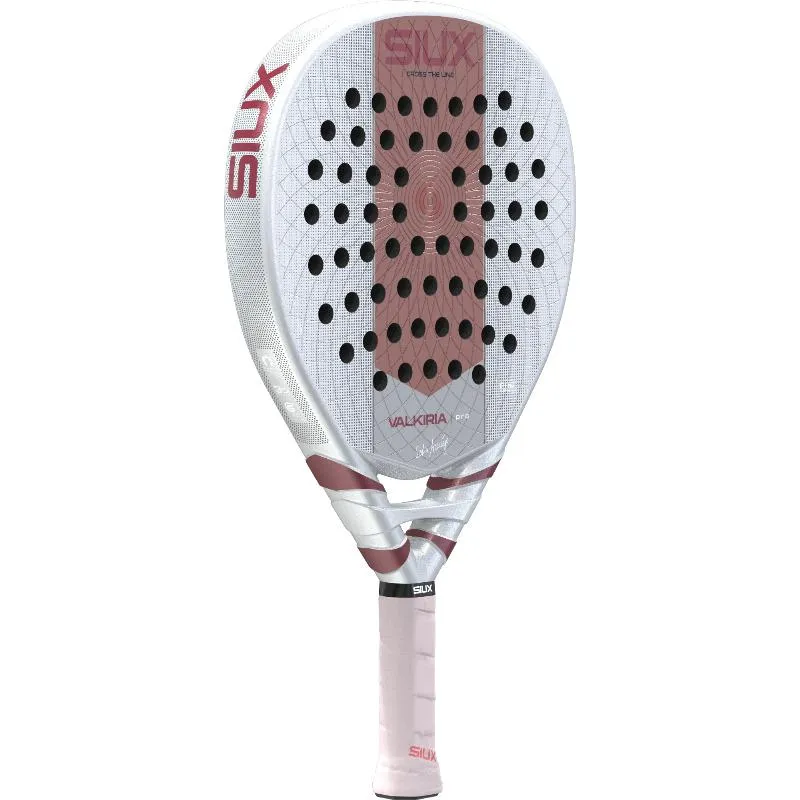
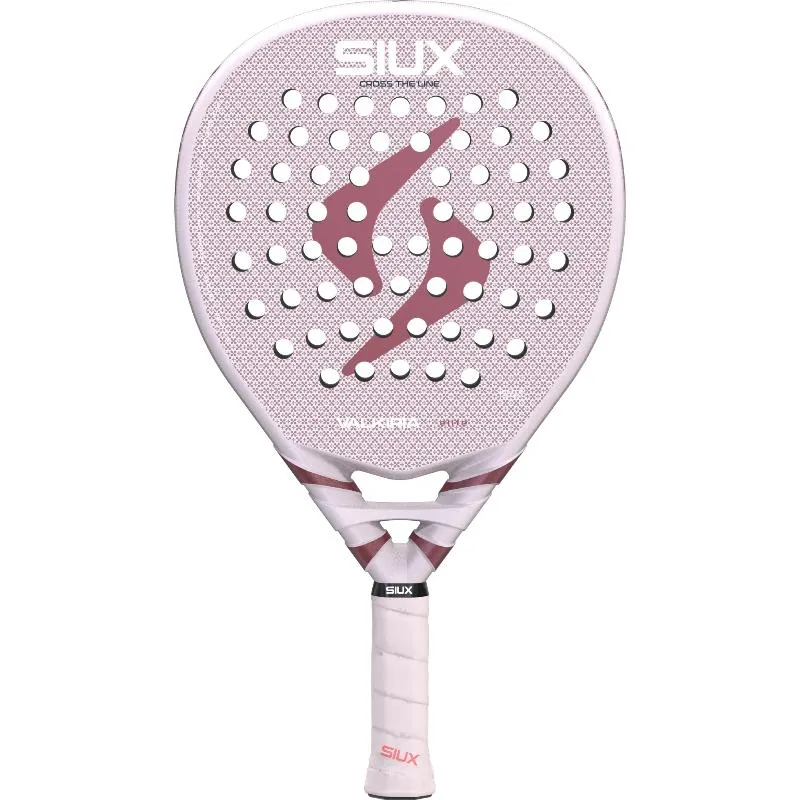
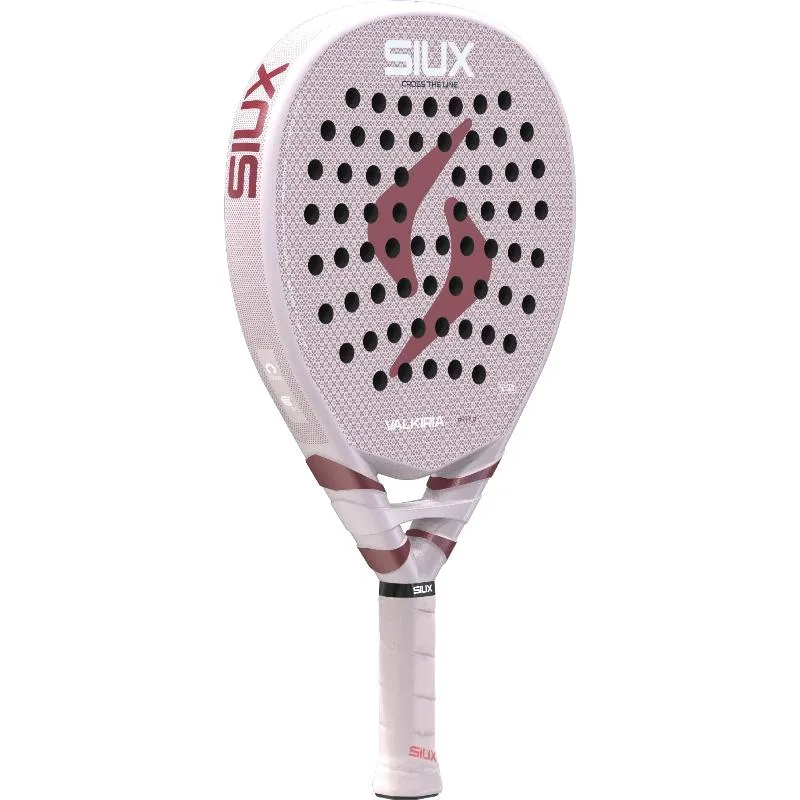
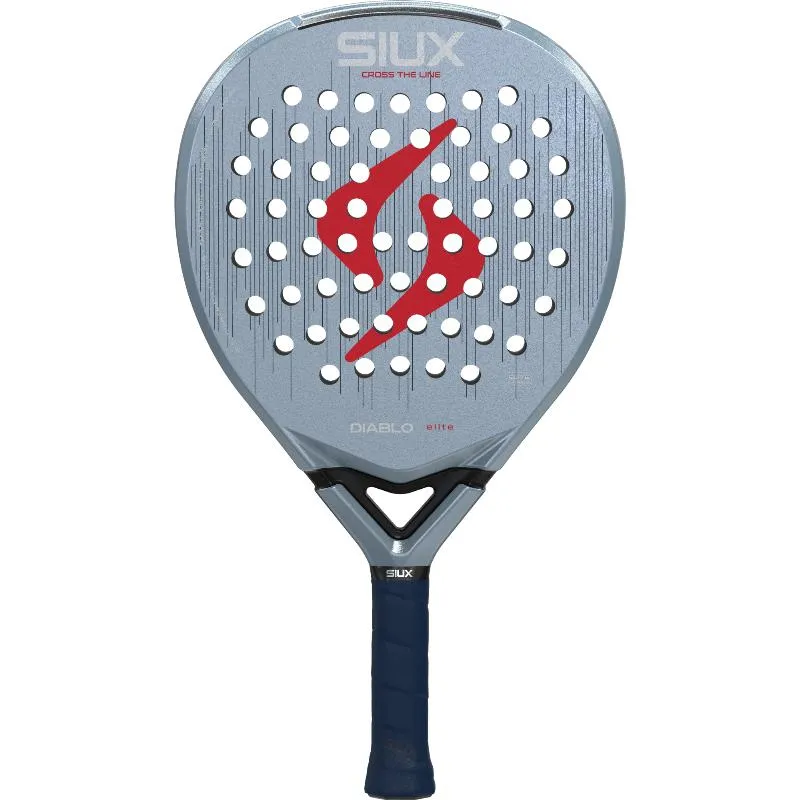
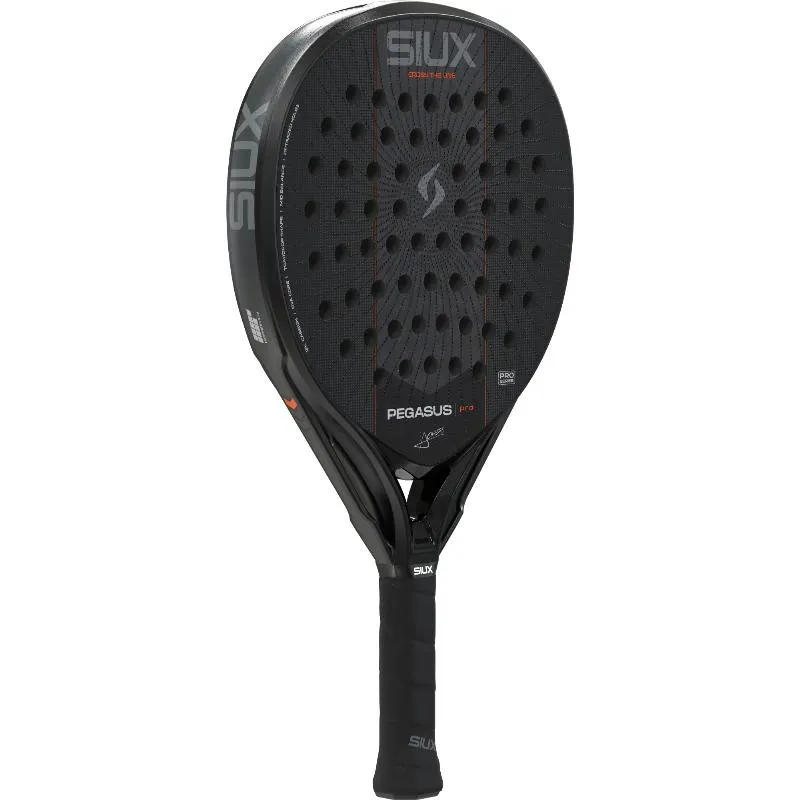
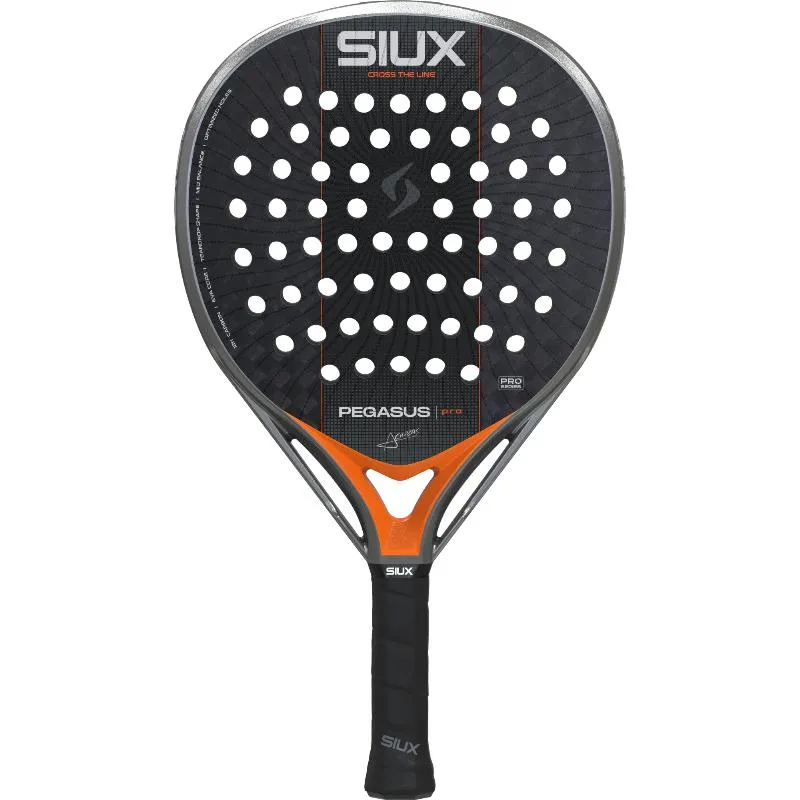
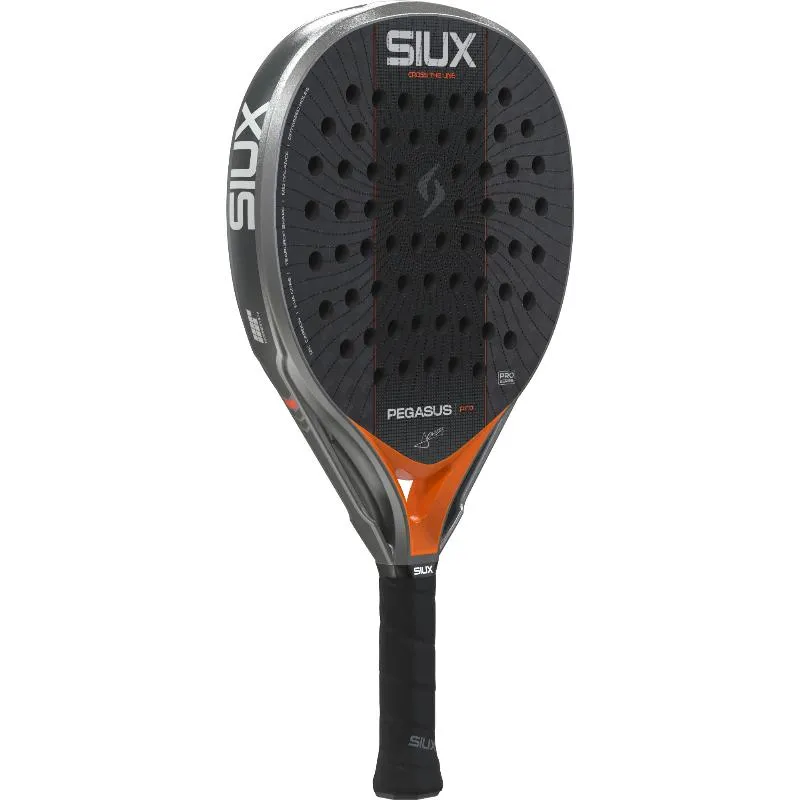
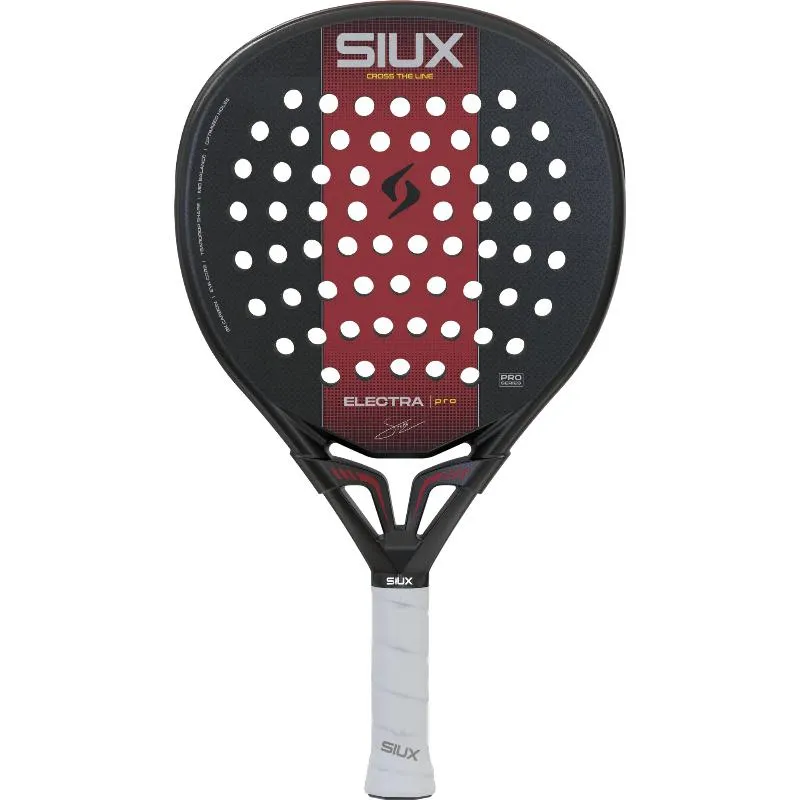
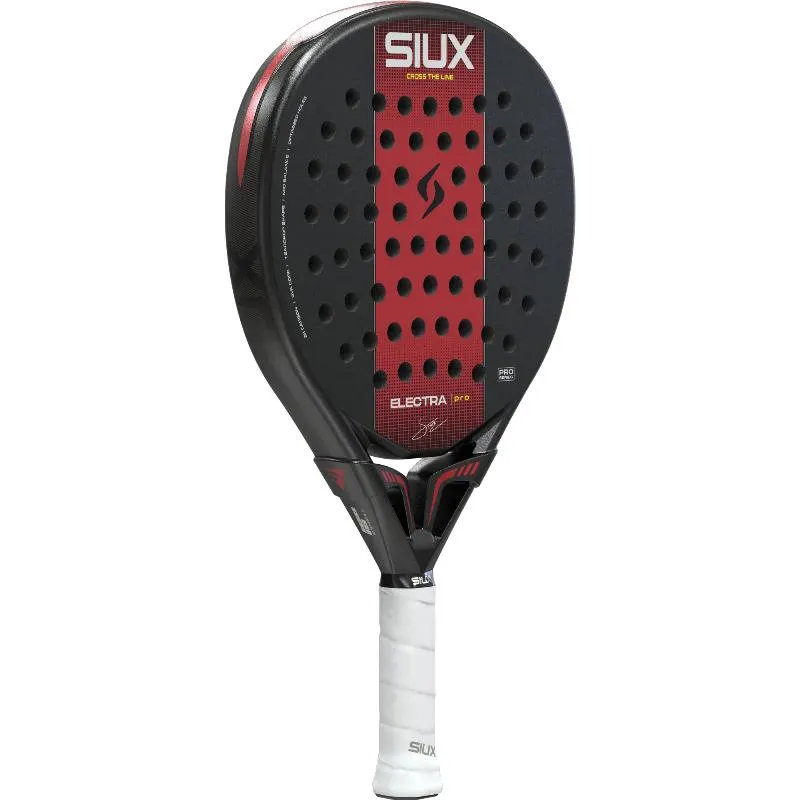
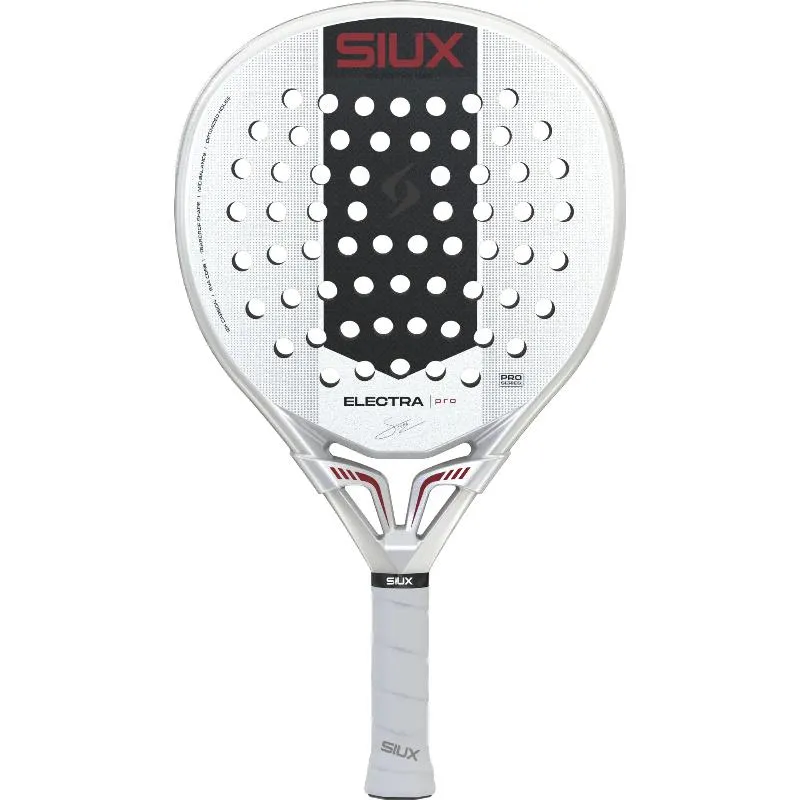
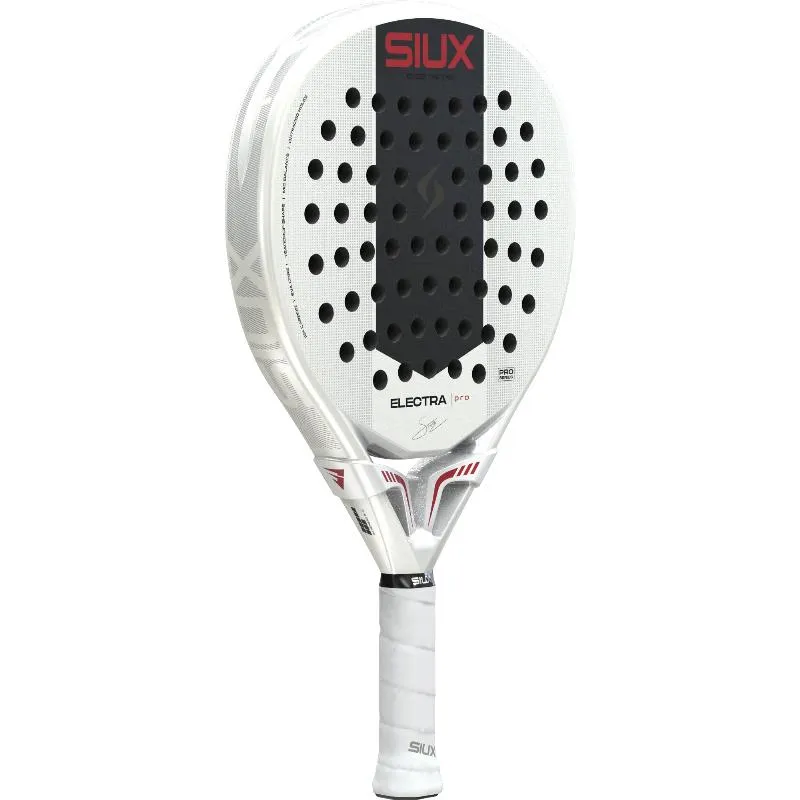




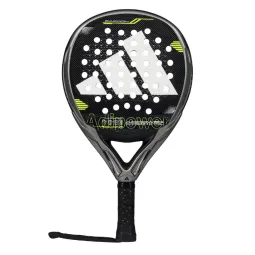
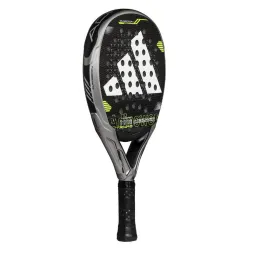
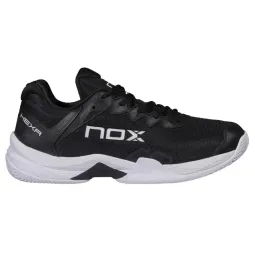
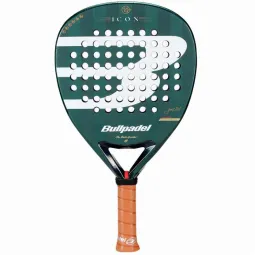
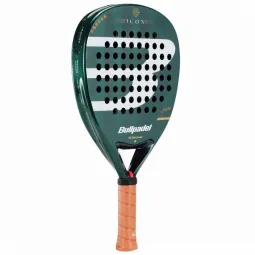
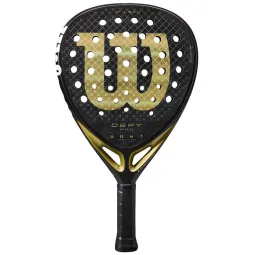
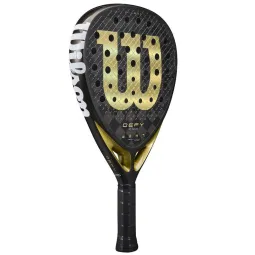

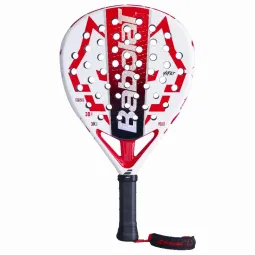
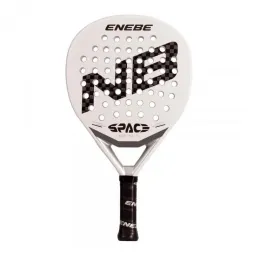
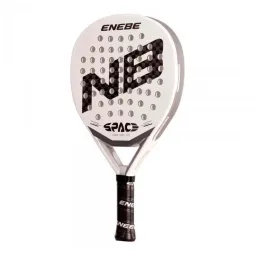
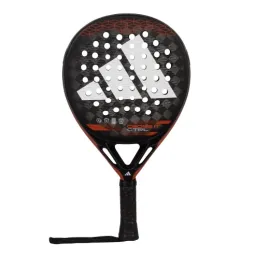
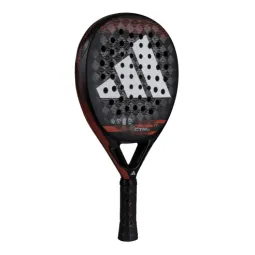
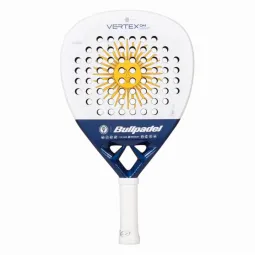
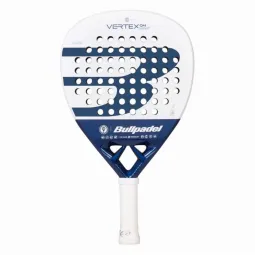



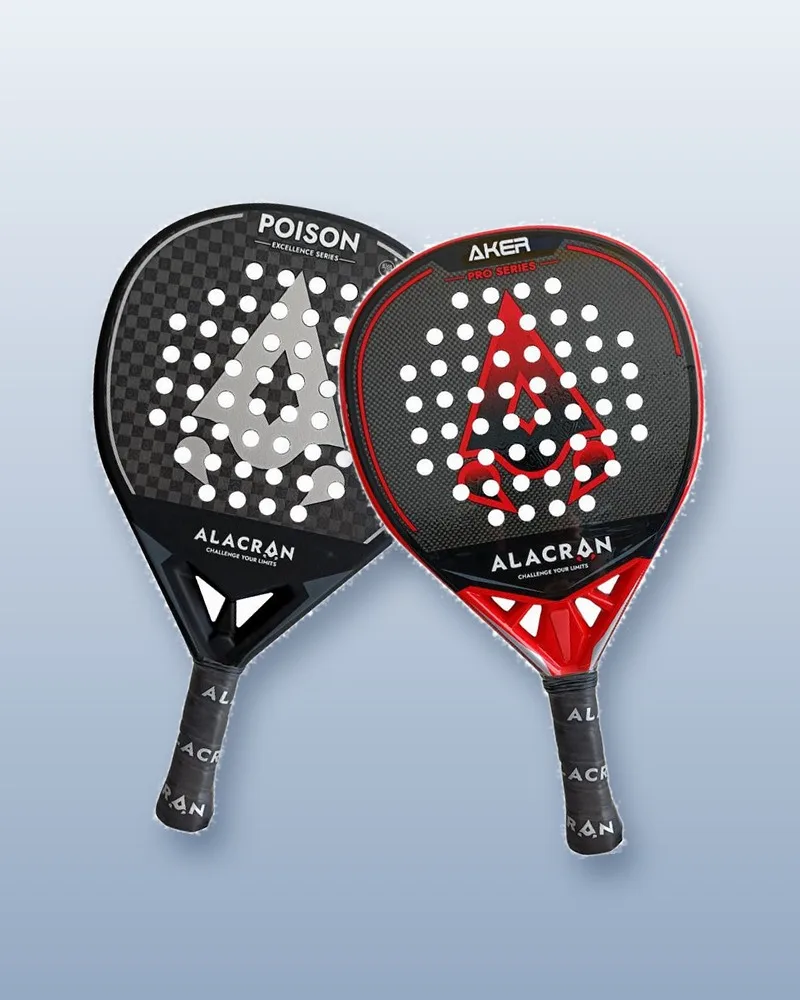
Padel is played with a ball that bounces off glass and walls, a few metres from your opponent's racket (in Spain called a «pala»). So the question about glasses is a fair one. You do not have to wear them in a normal club match, but it is strongly advisable in three cases: children, net play and people who wear prescription glasses. For the rest of your kit, see our padel accessories.
And if you wear them, choose sports glasses made of polycarbonate. Ordinary street glasses can break on impact and were not designed for this.
A note of honesty: we have not found any rule or recommendation from an ophthalmology society specific to padel. What we tell you is based on general information about eye protection in sport, and we say so.
Do you need safety glasses in padel?
- Compulsory? Not in recreational padel, as far as we know. But they protect something that does not heal like a bruise.
- Who needs them most: children, net players and anyone who already wears prescription glasses.
- Material: polycarbonate, the usual choice for sports glasses because it resists impact.
- What does not work: everyday prescription glasses, ordinary sunglasses or industrial safety glasses.
- Fit: comfortable and secure; if they bother you or slip, you end up taking them off.
Do you need glasses to play padel? ↑ menu
Safety glasses are not compulsory for recreational padel, but they are recommended, above all for children, net players and people who wear prescription glasses.
The reason is simple: the eye is small, exposed and has no natural protection against a ball or a racket hit. A bruise on the thigh is forgotten within a week. An eye injury, not always.
One general figure, about sport and not about padel: the New Jersey Department of Education states that roughly 90% of sports-related eye injuries can be prevented with protective eyewear (source). We have not found eye-injury figures specific to padel, so we do not give any.
Why it pays to protect your eyes on court ↑ menu
It pays to protect your eyes in padel because the ball bounces off walls and glass and can reach your face from angles you do not expect, at short range from your opponent's racket.
In padel you do not see every ball coming: it bounces off the back glass and the side wall and comes back with spin. If you play close to the net, reaction time is even shorter, and in doubles four rackets move in a small space.
That does not mean padel is a dangerous sport. It means that, if there is a cheap way to reduce a specific risk, it makes sense to consider it, just as people do with a good pair of shoes with grip.
Who should wear protective glasses ↑ menu
Mainly children, people who play a lot at the net and anyone who already wears prescription glasses, who need sports glasses rather than their everyday pair.
Children and teenagers. They move without weighing the risk and a hit to the face is more likely. Well-fitted glasses in their size are a small thing compared with a scare.
Net players. Whoever stands at the net receives balls from very close and has less time to cover up. This is where protection shows most.
People with prescription glasses. Playing in your everyday pair is a bad idea: if they break, they break next to the eye. Some sports glasses can be fitted with a prescription; ask your optician.
Anyone who has had an eye injury. If you have had one before, ask your ophthalmologist: they are the only one who can give you personal advice.
Which glasses work and which do not ↑ menu
Well-fitted polycarbonate sports glasses work; street glasses, ordinary sunglasses and industrial safety glasses do not, as they are not designed for sport.
| Yes | Why |
|---|---|
| Sports glasses with polycarbonate lenses | The usual material in sports protection because it resists impact. |
| A comfortable, secure fit | If they slip or pinch, you end up playing without them; fit matters as much as material. |
| Prescription sports glasses, if you need a prescription | They protect and let you see well. Ask your optician. |
And the other half of the answer, the one almost nobody tells you:
| No | What happens |
|---|---|
| Everyday prescription glasses | They do not usually give adequate protection for sport, according to general eye-health information (All About Vision). |
| Fashion sunglasses | They filter light, but they are not made to withstand an impact. |
| Industrial safety glasses | They are designed for other risks and normally do not suit sport. |
We have sold padel equipment since 2003, with a physical shop in La Nucía (Alicante). Right now we have no padel protective glasses in stock, and we would rather tell you than recommend something we cannot supply.
Padel accessories for your kit ↑ menu
We have no protective glasses in stock today, but in the padel accessories category you will find the rest of the kit.
Our customers ask about glasses ↑ menu
At our La Nucía shop people often ask whether sunglasses are enough and whether there are glasses for children. We answer with what we know, without making things up.
"Will sunglasses do?" For the sun, yes; for protection against a hit, no: they are not made for that. Look for polycarbonate sports glasses.
"What about my child?" They must be the right size and the child must want to wear them: ones that slip or bother end up in the bag.
FAQs: padel glasses ↑ menu
Do you have to wear glasses to play padel?
It is not compulsory in recreational padel, as far as we know, but it is advisable if you play with children, play a lot at the net or already wear prescription glasses.
Do eye injuries happen in padel?
A ball or racket can hit the eye, as in other racket and wall sports. We have not found reliable figures specific to padel, so we give no numbers.
What material should padel glasses be made of?
Polycarbonate, the usual material in protective sports glasses because it resists impact.
Can I play in my everyday prescription glasses?
It is not ideal: everyday glasses normally do not give adequate protection for sport. Ask your optician about prescription sports glasses.
Does Tienda Padelpoint sell protective glasses?
Right now we have no protective glasses in stock. When we do, they will appear in the padel accessories category.
Glossary of eye protection in padel ↑ menu
- Racket
- The tool you hit the ball with: rigid, strungless and with holes. In Spain it is called «pala»; in Argentina and much of South America, «paleta».
- Polycarbonate
- A plastic very resistant to impact, common in protective sports lenses.
- Sports glasses
- Glasses designed to withstand knocks and stay in place during movement.
- Prescription glasses
- Glasses with lenses that correct vision. Everyday ones are not usually valid as sports protection.
- Net
- Front of the court, next to the net, where balls arrive from a shorter distance with less time to react.
- Doubles
- A four-player match, two per pair, the usual format in padel.
- Optician
- The professional who fits glasses, including prescription sports glasses.
Our verdict: protective glasses ↑ menu
In our opinion, polycarbonate sports glasses are a sensible, cheap protection for children, net players and anyone who already wears glasses. They are not compulsory, and we will not tell you that you play in danger without them.
What we do say clearly: do not swap protective glasses for street glasses. And if someone quotes you a precise figure for eye injuries in padel, ask where it comes from: we have not found one.
We ship worldwide from our shop at Partida Muixara, s/n, La Nucía (Alicante). Delivery times and costs are shown at checkout for your country.
Related guides: looking after your kit ↑ menu
For more padel guides, visit our blog, where you will find advice on equipment and play.
Sources consulted (October 2026): PadelAddict, All About Vision, KidsHealth and the New Jersey Department of Education.