

















































































Guia de Padel - PadelPoint
Guide to adapting between a soft and hard padel racket
Ideal transition between rackets of different hardness
Padel is a constantly evolving sport, and one of the most influential decisions for any player is choosing the ideal padel racket. Switching from a soft to a hard racket, or vice versa, poses a technical and physical challenge that deserves a conscious and progressive adaptation. In this guide, we explore the key aspects for adjusting to this change and optimizing your on-court performance.
Key differences between soft and hard rackets
Before addressing adaptation, it is essential to understand the technical and sensory differences between both types of rackets. Soft rackets are characterized by greater ball output and vibration absorption, ideal for players seeking comfort and easy hitting. In contrast, hard rackets offer greater control and precision, as well as a more direct response on powerful shots, making them a favorite for those seeking aggression and firmness in their game.

What technical adjustments are required for the transition
Adaptation requires modifying certain technical aspects:
- Stroke: The hard racket requires a more refined technique, as the ball does not "come out easily" as with a soft racket. Work on arm acceleration and follow-through is recommended.
- Positioning: The sweet spot is usually smaller on hard rackets. Improving positioning and anticipation is necessary for proper ball impact.
- Strength and fitness: A hard racket demands more arm and wrist strength, so specific physical training will help prevent injuries.
- Mental control: Initially, the lack of sensations can be frustrating. Patience and progressive work are key.
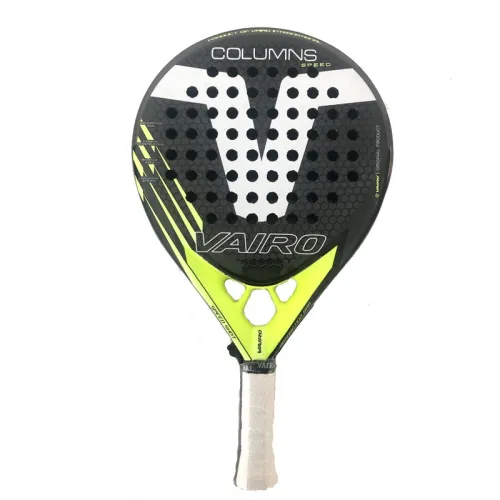
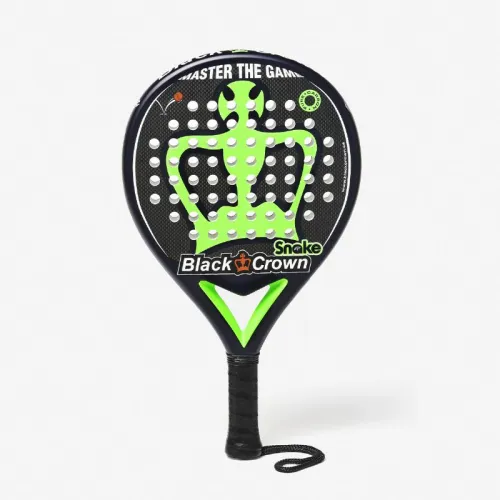
At TiendaPadelPoint you will find both soft rackets and hard rackets from leading brands like Adidas, Bullpadel or Head, making the choice easier.
Practical tips to ease adaptation
Getting used to a new racket can take several sessions. Here are some tips to speed up the process:
- Start with light training, focusing on control over power.
- Use padel accessories such as grips or overgrips to enhance grip and feel.
- Alternate training matches with specific technical drills, such as volleys and bandejas.
- Assess the racket's response in defensive and offensive situations to understand its strengths and limitations.
- Check out the new arrivals in rackets and accessories, as constant innovation can make a difference in your adaptation.
How does racket type influence playing style
The hardness of the racket conditions your playing style. A soft racket is generally beneficial for defensive players who favor lobs, blocks, and wall exits. Conversely, a hard racket favors those who prioritize volleys, smashes, and attacking play. Choosing the right racket means knowing your strengths and working to improve your weaknesses. For example, if you're an offensive player, a hard racket from brands like Siux or Nox can help you up your game.
Common mistakes when changing rackets
During the adaptation process, it is common to make mistakes such as:
- Not giving enough time to get used to the new racket.
- Forcing power shots without control, leading to unforced errors.
- Ignoring accessory adjustments or grip condition.
- Not adjusting your game strategy according to the racket's response.
Avoiding these mistakes will help you get the most out of your new tool on court.
Which brands and models ease the transition
At TiendaPadelPoint we work with a wide variety of brands, from Bullpadel, Adidas, Babolat, Head, to Nox and Siux. Brands like Starvie or Royal Padel also offer hybrid models, ideal for those seeking a balance between control and power during adaptation.
Don't forget to explore our OUTLET to find padel rackets from previous seasons at special prices, making it easier to try different hardness levels without a large initial investment.
Accessories and complements that help in the transition
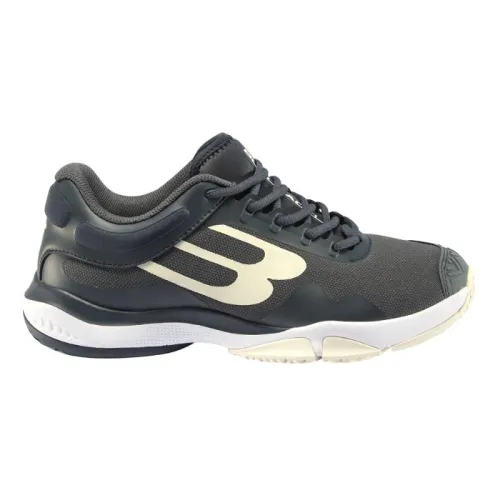
Adaptation can be enhanced with specific products. The right racket bags and padel shoes allow you to transport and care for your racket, as well as improve your court mobility. In our padel clothing section, you'll find technical garments that boost comfort and freedom of movement.
How long does adaptation take and how to measure improvement
The adaptation period may vary depending on the player's level and playing frequency. Generally, after 4-6 weeks of consistent training, you can notice significant improvements in feel and results. Weekly self-assessments are recommended, paying attention to shot accuracy, power, and control. Keeping a log of matches and training can help identify progress and adjust your technique as needed.
Remember, the key is perseverance and the willingness to adjust both technique and mindset. At TiendaPadelPoint we are committed to supporting you at every stage of your development as a player, offering the best selection of padel rackets and accessories from leading brands.
Padel Guide: Technical Knowledge and Game Experience
tiendapadelpoint · Authority in padel, equipment and performance @ Copyright 2026
