













Guia de Padel - PadelPoint
Advantages and disadvantages of carbon padel rackets versus fiberglass for daily use
What are the differences between carbon and fiberglass padel rackets for daily use?
One of the most important decisions when choosing a padel racket is the manufacturing material. Both carbon and fiberglass offer unique features that directly influence the feel, durability, and daily performance on court. Understanding the pros and cons of each material will help you select the most suitable option for your level and style.
General characteristics of carbon and fiberglass
Carbon rackets stand out for their strength, lightness, and ability to generate power, while fiberglass rackets are known for their higher flexibility and softer touch, being popular among players seeking control and easy handling.
In the Padel Rackets category, you can find a wide variety of models made of both materials, suitable for both beginners and advanced players.
What are the advantages of carbon rackets for daily use?
Carbon is a premium material used to achieve greater rigidity and durability. Its main daily advantages include:
- Greater durability: Carbon withstands impacts and wear better, extending the racket's lifespan.
- Powerful strokes: The material's rigidity helps generate more speed and force.
- Lightness: Many carbon rackets, like the Pala Head Speed Pro X 2025 or the Bullpadel Chingotto Neuron MX LTD Racket, allow for easy maneuvering and quick reactions on court.
- Professional performance: More experienced players often prefer carbon rackets for their precision and performance in intense matches.
What type of player is carbon recommended for?
Carbon rackets are recommended for intermediate or advanced players, or those who prioritize power and durability in daily training. In the BY LEVEL category you can filter models according to your experience and needs.
What are the disadvantages of carbon rackets compared to fiberglass?
There are also some drawbacks to using carbon:
- Higher price: Carbon is a more expensive material, reflected in the price of the racket.
- Lower vibration absorption: Its rigidity can increase vibrations to the arm, raising the risk of discomfort for beginners or sensitive players.
- Less flexibility: The feel is usually harder, which may make adaptation difficult for players seeking a softer sensation.
If comfort and shock absorption are important to you, options like the Pala Softee Energy or the Bullpadel Sniper 2.0 Oil Control 2026 Racket can be interesting alternatives.
What advantages do fiberglass rackets provide for everyday use?
Fiberglass is a traditional material in beginner and intermediate padel rackets. Main advantages include:
- Softer and more flexible touch: Makes learning and adaptation easier - ideal for those starting out or seeking more control.
- Higher vibration absorption: Reduces risk of discomfort in elbow and wrist due to elasticity.
- More affordable price: Fiberglass rackets are usually cheaper, allowing you to upgrade frequently or try different models.
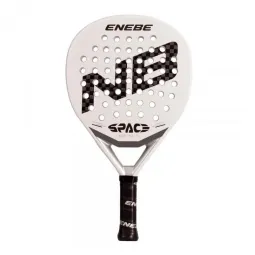
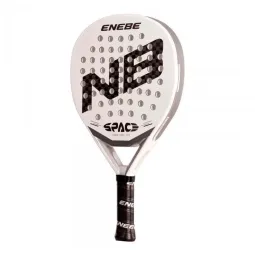
A notable model in this range is the Pala Enebe Combat Orange Yellow Pink, perfect for those seeking a balance between control and price.
Are there rackets that combine both materials?
There are hybrid models combining carbon and fiberglass, seeking to unite the power and durability of carbon with the flexibility and comfort of fiberglass. In the SOFTEE category you can find hybrid options ideal for daily use.
What are the disadvantages of fiberglass rackets for daily use?
Although they offer comfort and price, fiberglass rackets also have limitations:
- Lower durability: Fiberglass is less resistant, so the racket may wear out or lose performance before a carbon one.
- Less power: They offer less ball output, which may limit players seeking an offensive game.
- Heavier in some models: Sometimes, the reinforcement needed to match carbon's resistance increases the racket's weight.
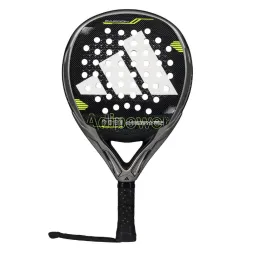
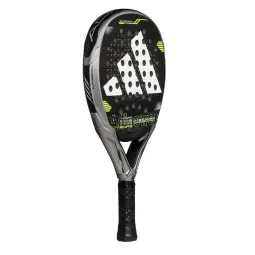
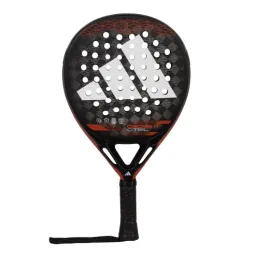
A resistant example in this segment is the Adidas Drive Black 3.4 2025 Racket, which balances accessibility and good daily performance.
How to choose the best racket depending on material and intended use?
The ideal choice depends on your level, playing frequency, and personal preferences:
- For occasional or beginner players: It is advisable to opt for fiberglass or hybrid models, prioritizing comfort and adaptation.
- For frequent or advanced players: Carbon ensures greater durability, power, and precision, although it requires higher investment.
- For those seeking versatility: Hybrid rackets are an excellent alternative to combine the best of both materials.
Which current models stand out in each segment?
Some of the most highly rated models by users are:
- Pala Head Speed Pro X 2025: Latest-generation carbon, power, and lightness.
- Bullpadel Chingotto Neuron MX LTD Racket: Maximum precision and resistance.
- Pala Softee Energy: Excellent vibration absorption, ideal for daily use.
- Pala Enebe Combat Orange Yellow Pink: Control and adaptability for players progressing.
- Adidas Drive Black 3.4 2025 Racket: Balanced choice for those starting or playing regularly.
- Bullpadel Sniper 2.0 Oil Control 2026 Racket: Versatility and control for demanding use.
In summary, the key is to analyze your playing frequency, desired sensations, and budget. Don't hesitate to check out the available Padel Rackets and compare materials to choose the perfect racket for your daily play.