












































































Guia de Padel - PadelPoint
Advantages and disadvantages of padel court surfaces
Key factors when choosing the ideal padel surface
Padel is a sport in constant evolution, and one of the main factors influencing play is the type of surface. Each material brings unique sensations, rhythms, and strategies, impacting both beginners and professionals. In this article, we will thoroughly explore the advantages and disadvantages of the main padel court surfaces: artificial grass, concrete, synthetic resin, and carpet. We'll analyze how they affect game speed, physical wear, technique, and durability, so you can choose the option that suits your style and needs. If you're considering updating your equipment, don't miss our Padel Rackets or Padel shoes sections, where you'll find the latest products for each surface type.
Why is the surface so important in padel?
The court surface largely determines ball behavior and player movement. Sliding on artificial grass is not the same as on concrete, and these details can make all the difference in every point. Choosing the right one helps prevent injuries, improve technique, and maximize performance.
What are the main types of padel court surfaces?
Currently, padel courts are commonly built from one of these four main materials:
- Artificial grass: the most common choice in competitions and modern clubs.
- Concrete: traditional, though increasingly less used in new installations.
- Synthetic resin: recently introduced in some courts for its technical properties.
- Carpet: found in indoor courts, offers a different feel.
The choice affects not only play, but also the recommended type of Padel Balls and shoes for each surface.
Padel surfaces and game speed
The speed of play changes significantly according to court material:
- Artificial grass: absorbs some impact and slows the ball, making control easier but requiring more effort in movement.
- Concrete: increases speed, the ball bounces higher and play is faster, ideal for aggressive players.
- Synthetic resin: offers a balanced game, combining versatility and speed.
- Carpet: reduces bounce, the ball "sticks" more to the ground, favoring technique over power.
Choosing the right surface allows you to optimize performance and adjust your strategy to the environment.
What advantages does artificial grass have over other surfaces?
Artificial grass is currently the most used surface. Its main advantages are:
- Lower risk of joint injuries thanks to its cushioning.
- Facilitates controlled, tactical play, slowing the ball down.
- Excellent durability and easy maintenance.
- Allows play even after rain, as it drains water well.
However, some players experience more physical wear as they have to "drag" movement more, and balls can get dirty more quickly. In these cases, choosing the right Padel shoes is essential.
And what about other surfaces?
- Concrete: stands out for its speed and uniform bounce, but increases the risk of injuries and is less suitable for players with joint issues.
- Synthetic resin: combines elasticity and grip, ideal for those seeking a balance between speed and control.
- Carpet: perfect for indoor, but requires specific shoes and can cause more slipping.
At TiendaPadelPoint, we offer specialized accessories and products for every court type.
How does the surface affect physical wear and injury prevention?
The court type has a direct impact on physical effort and injury prevention. Artificial grass protects joints better, while concrete is more demanding and increases muscle fatigue and the risk of sprains. Synthetic resin and carpet offer intermediate solutions, but require choosing the right footwear. In our Ropa Padel section, you'll find technical clothing to help protect your body during play.
Tips for choosing equipment based on the surface
The choice of racket, shoes, and accessories should adapt to the court:
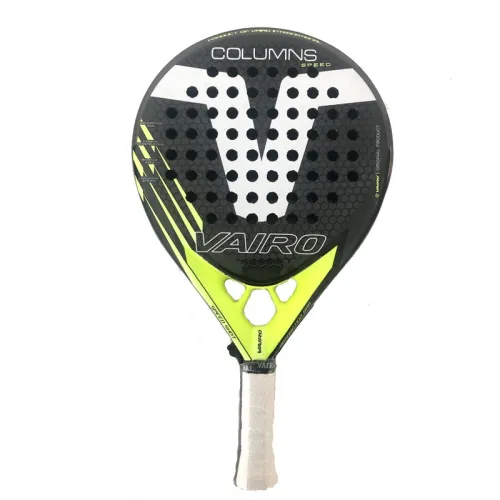
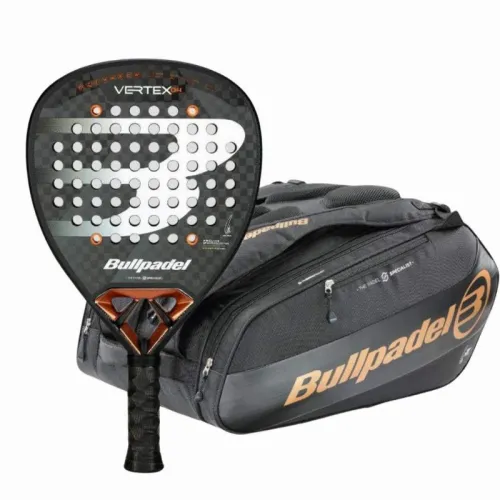
- In Padel Rackets you'll find specific models for fast or slow courts.
- Padel shoes with greater grip are ideal for concrete and resin, while on grass, clay soles are recommended.
- Accessories such as wristbands or grips improve safety on any surface.
Which surface is best for your playing style and level?
There's no universal answer, but some key tips:
- Beginners tend to enjoy artificial grass more for its safety and ease of adaptation.
- Advanced competitors can enhance their technique on concrete or synthetic resin, taking advantage of the extra speed.
- For those with recurring injuries, carpet or artificial grass are the best options for joint care.
Whatever your choice, remember that at TiendaPadelPoint we advise and offer the best brands on the market, such as Adidas, Bullpadel or Head, all adapted to different playing needs.
Where to find products for each surface?
In our online store, you can explore products from specialized brands like Nox, Starvie, Wilson and many more. If you're looking for the best deals, check out our OUTLET.
How does the surface influence padel strategy and technique?
Game strategy changes radically depending on the surface. On grass, patience and positioning are the focus; on concrete, aggression and power shots prevail. Carpet favors technical and tactical play, while resin allows a balance between both. Adapting your technique to each court is essential to achieve the best results and enjoy padel more.
Key points to improve performance depending on the court
- Adapt your movement to the grip level of the surface.
- Work on anticipation and control on slow courts.
- Take advantage of power and bounce on fast courts.
- Update your equipment based on the wear suffered on each court type.
For any questions, our expert team at TiendaPadelPoint is ready to help you choose what's best for your game.
Padel Guide: Technical Knowledge and Game Experience
tiendapadelpoint · Authority in padel, equipment and performance @ Copyright 2026
