











































































Guia de Padel - PadelPoint
Best padel shoe sole for each court type: expert guide
Which is the most recommended padel shoe sole for each surface?
Choosing the right sole for your padel shoes is crucial for maximum safety, grip, and durability on court. Each surface requires specific technical features, and at TiendaPadelPoint we help you solve all your doubts so you pick the best option for artificial grass, porous concrete, or mixed courts.


The importance of the sole for performance and injury prevention
The type of sole on padel shoes is key, as it directly affects grip, stability, and comfort during movement. A poor choice can lead to slips, muscle overload, or even injuries. That's why it's essential to know each type of sole and its suitability depending on the court you play on.
Which sole should you choose for artificial grass courts?
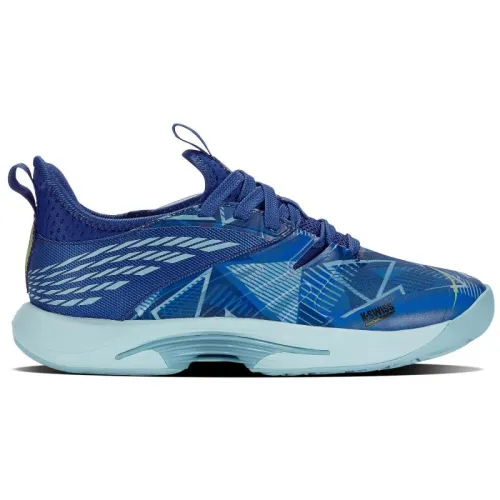
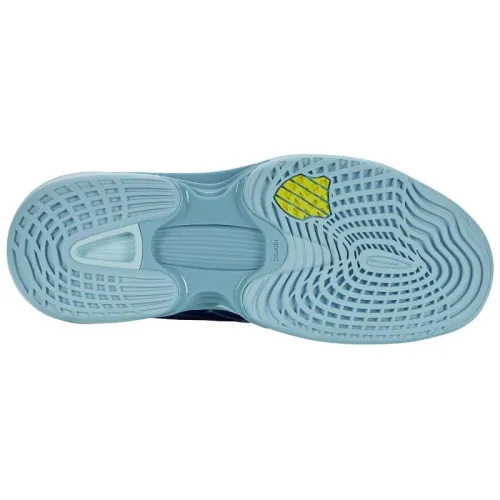
Most padel courts in Spain and Europe are artificial grass with silica sand. For this surface, the clay sole (also known as "herringbone") is the top choice. Its herringbone pattern balances grip and sliding, prevents sand accumulation, and allows for quick, safe movements.
- Advantages: Excellent grip, enables spins and lateral movements, great sand evacuation.
- Disadvantages: Wears out faster if used outside of artificial grass.
If you want to boost your attacking game, check out our By POWER section, where you'll find rackets and gear to maximize net performance.
When to choose omni or mixed soles?
The omni sole is made up of small rubber dots for extra grip on slippery courts, such as worn or damp grass. It's less popular today but useful in clubs with little sand. The mixed sole combines herringbone and omni dots, offering versatility for players who switch surfaces.
- Omni: Better grip on slippery courts, less sliding, ideal for maximum traction.
- Mixed: Versatile for both artificial grass and hard courts.
Which sole is best for concrete or porous courts?
On concrete or cement courts, abrasion on the sole is much higher. Here, a wide herringbone or mixed sole is preferable, as it resists wear better. Look for models with toe reinforcements and good cushioning to protect your joints.
Padel-specific shoes, like those in the ASICS category, offer technology adapted for friction and impact resistance on these surfaces.
Durability and care tips
To extend your shoes' lifespan, avoid wearing them outside the court and clean the sole after each use. Always choose models that fit your playing frequency and regularly check the sole's pattern: if the herringbone or dots have worn down, it's time to replace your shoes.
Which sole to choose for mixed courts or alternating surfaces?
If you play on different surfaces, a mixed sole is the best choice. This sole provides good grip on both artificial grass and cement, adapting to each court's requirements. It's ideal for frequent travelers or those who alternate clubs.
To find models for every gender, check our Men's Sneakers section for different sole types and the latest technologies each season.
Common mistakes when choosing padel shoe soles
- Wearing tennis or running shoes, as their soles are not designed for artificial grass and may increase injury risk.
- Not checking sole wear and using shoes past their recommended lifespan.
- Choosing a sole only for its looks rather than its functionality on court.
How does the sole influence your playing style and racket choice?
The right sole grip lets you maximize your skills on court. Good sliding favors defensive play, while extra traction helps with fast footwork for volleys and smashes. Pair your shoes with a racket suited to your level; models like the Pala Varlion Bourne Prisma Carbon 3, the Pala Nox X-Hero Rojo 2026, or the Bullpadel Chingotto Neuron MX LTD Racket are designed for various styles and surfaces.
TiendaPadelPoint tip
If you're after the latest gear, visit our By POWER section, perfect for players who want to give their all on every point. And remember, at TiendaPadelPoint you'll find an updated catalogue and expert advice for the best choice every time.
Why choose shoes with a padel-specific sole instead of tennis shoes?
Padel's structure and movements differ from other racquet sports. That's why padel shoes are designed to withstand lateral sprints, stops, spins, and unique pace changes. Using specific shoes reduces injury risk and boosts your performance.
Check out the latest ASICS collections and see how technology serves your game.
Summary and final recommendations
- For artificial grass: clay or herringbone sole.
- For concrete/cement: mixed or wide herringbone sole with reinforcements and good cushioning.
- For alternating surfaces: mixed sole.
- Avoid non-padel shoes and check your sole's condition regularly.
Always choose your footwear according to the surface where you play most, prioritizing safety, comfort, and durability. For any questions, count on the expert team at TiendaPadelPoint.
