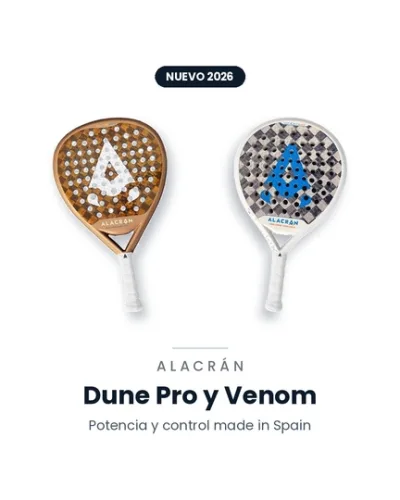


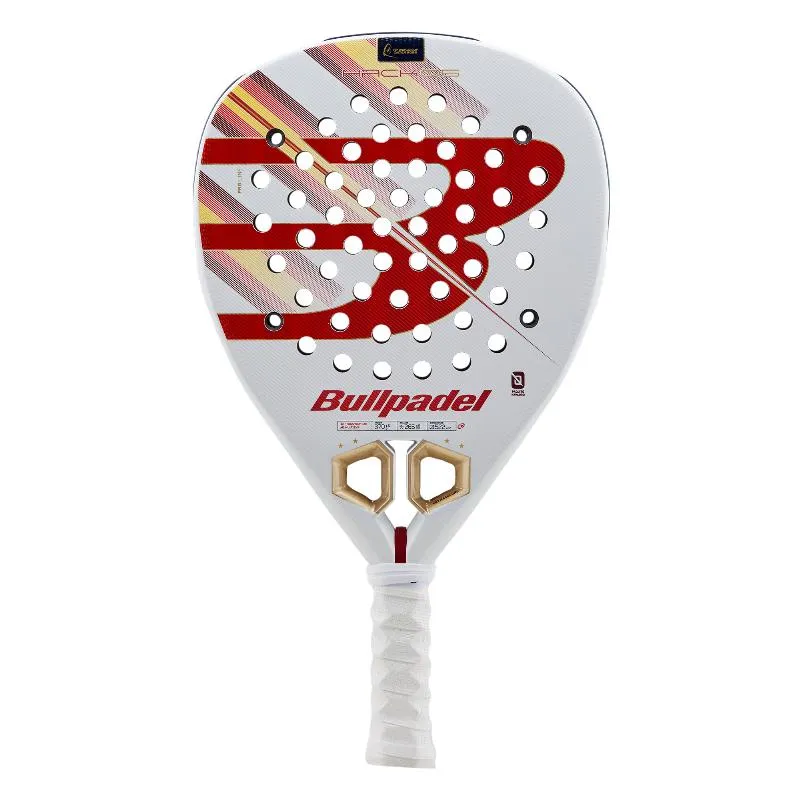
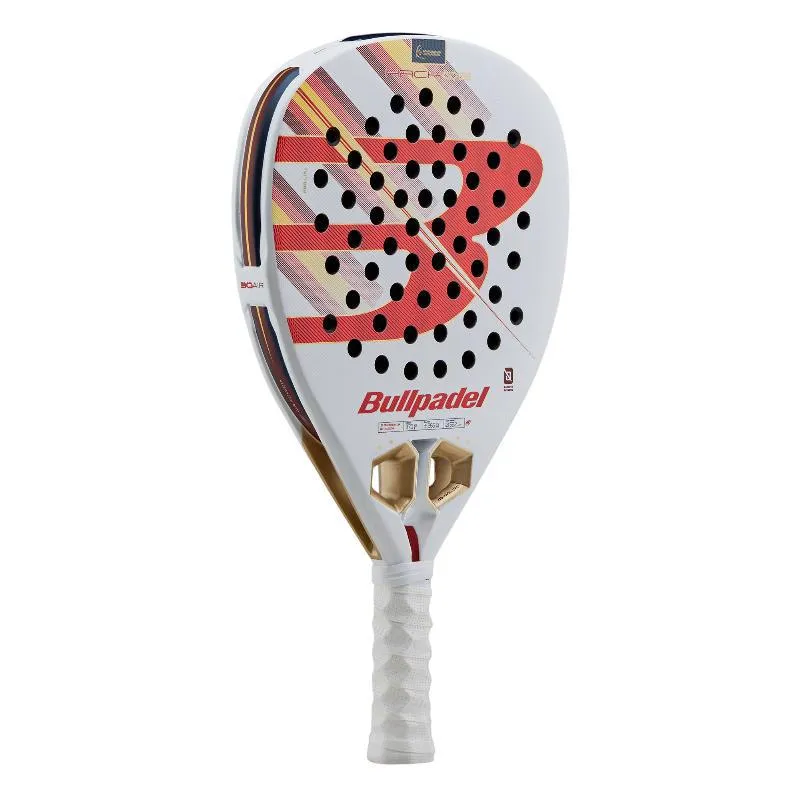
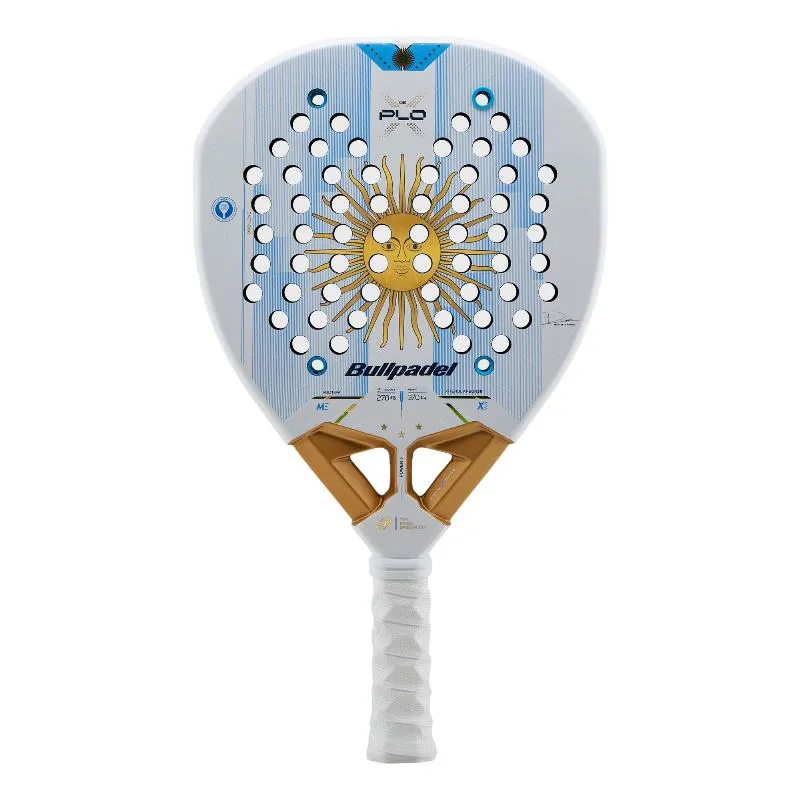
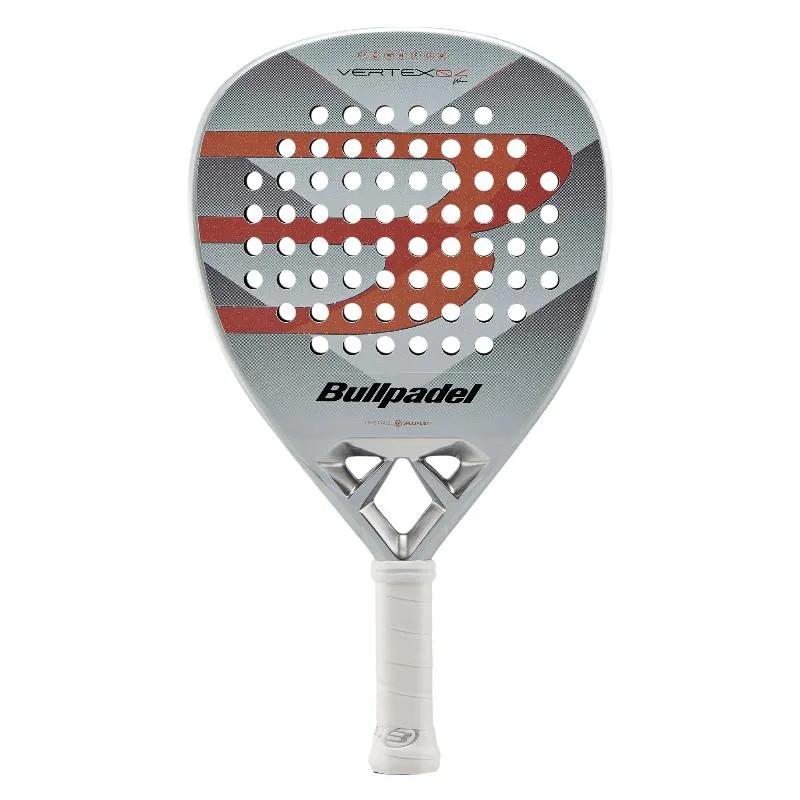
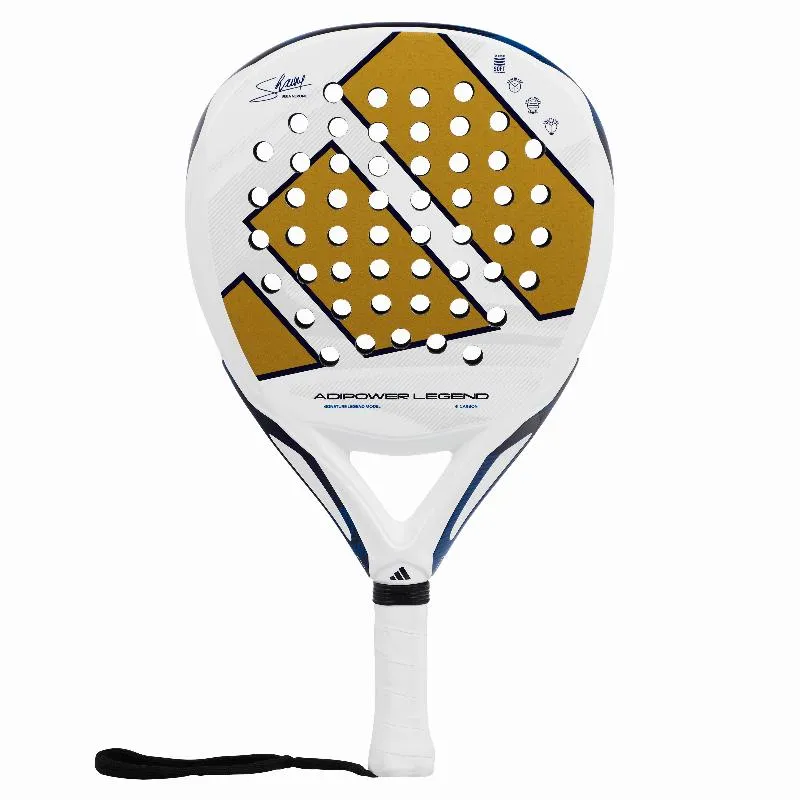
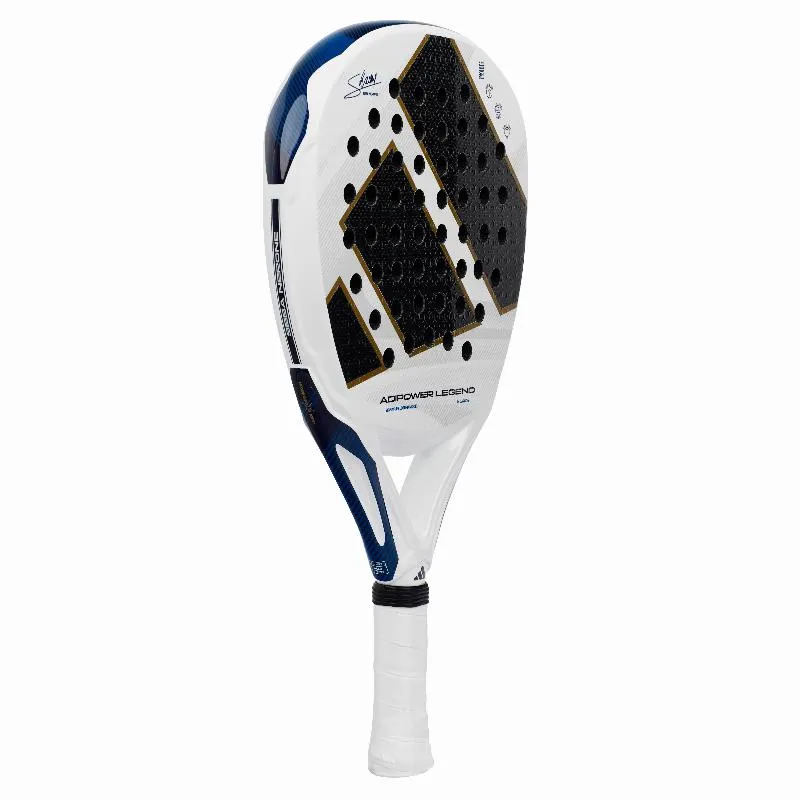
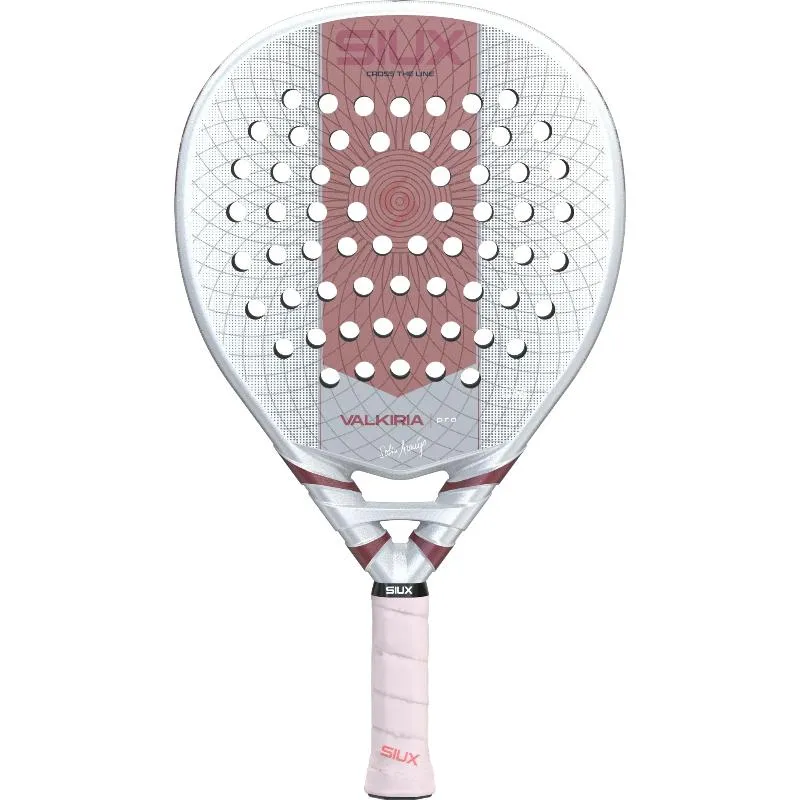
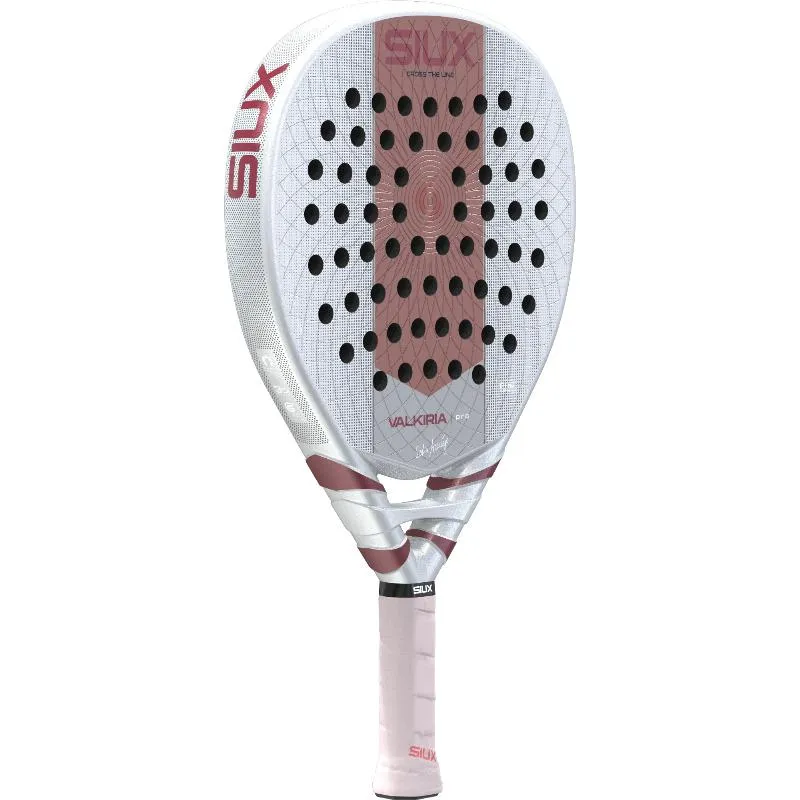
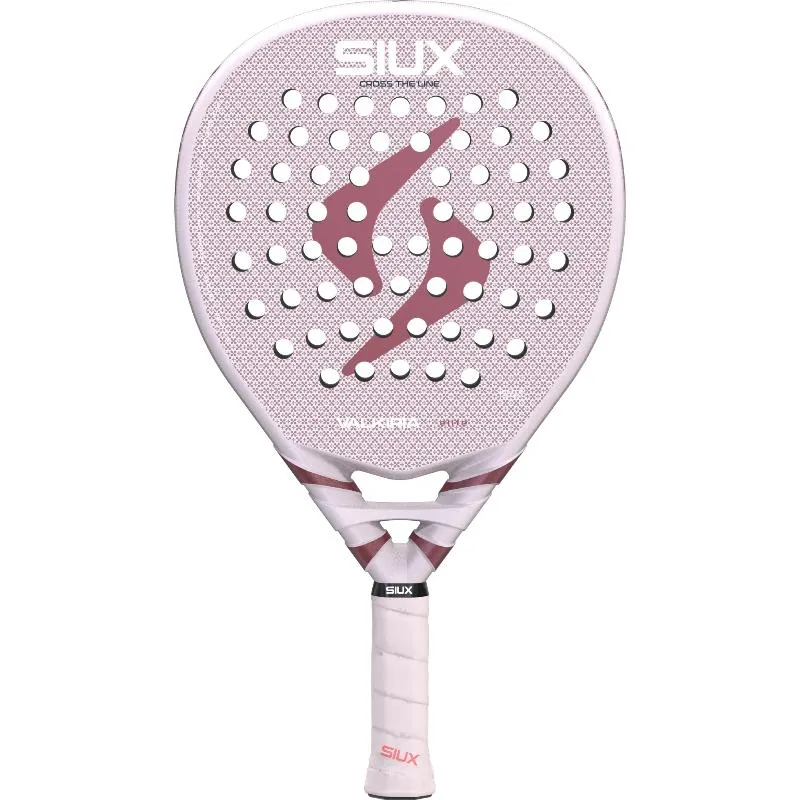
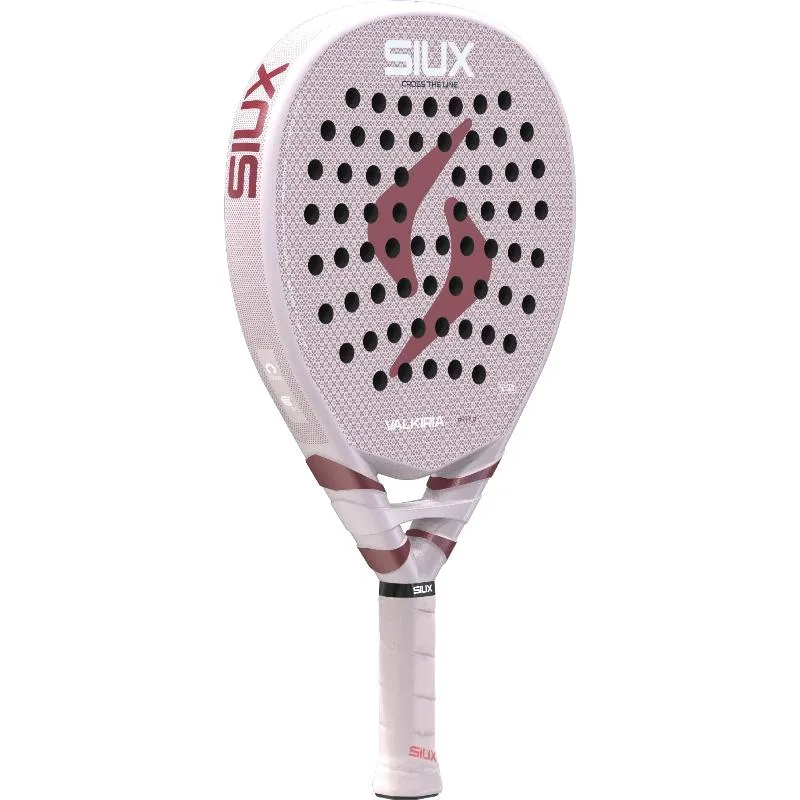
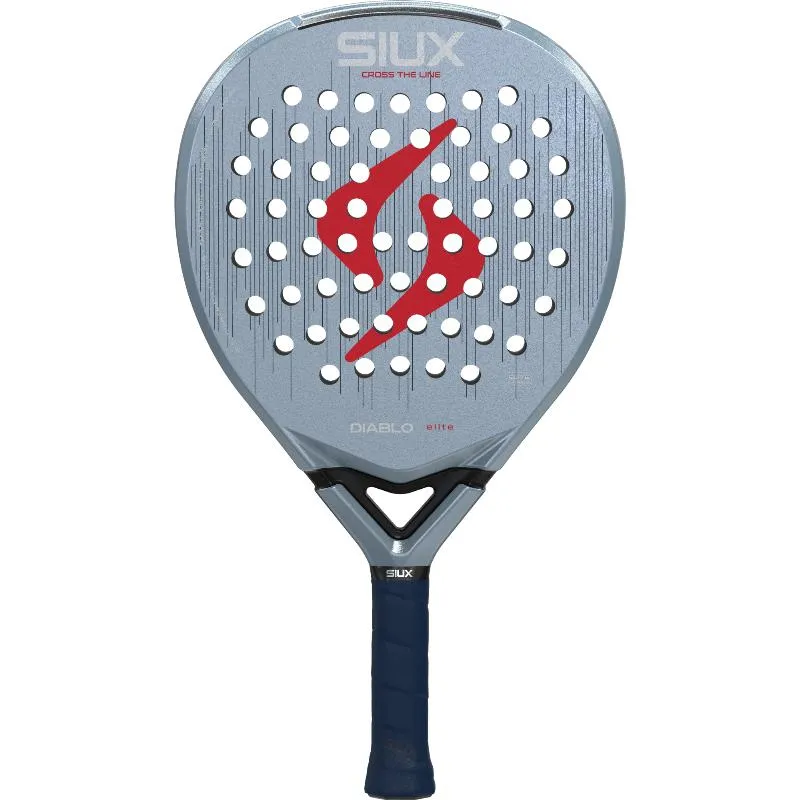
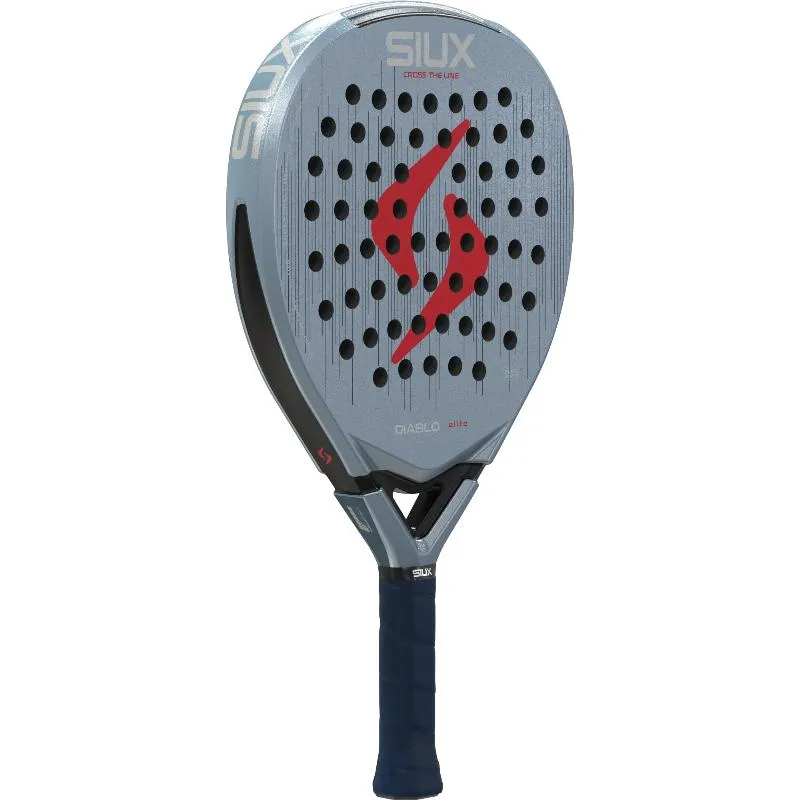
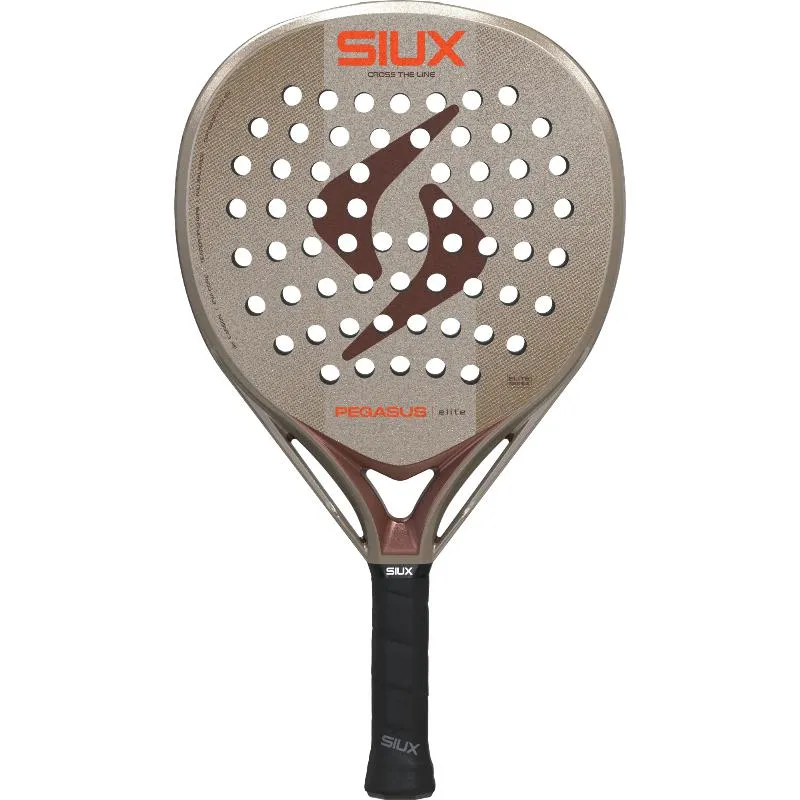
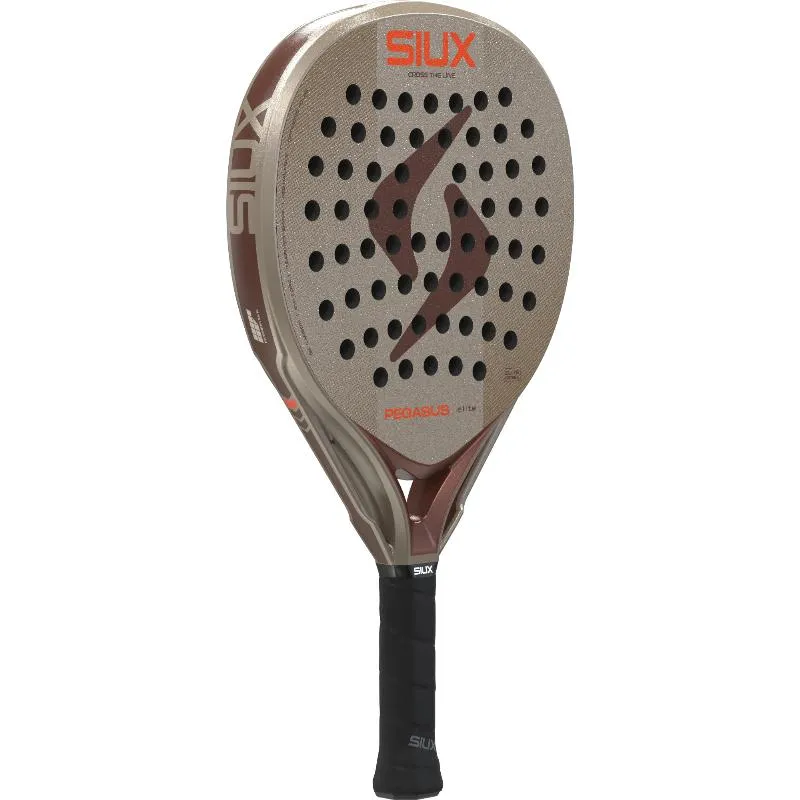
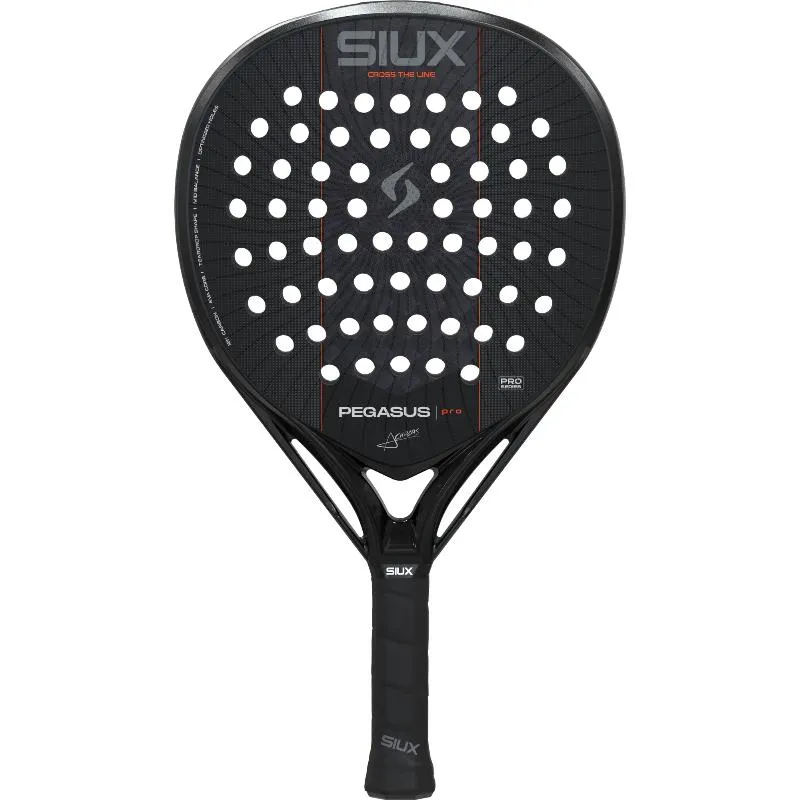
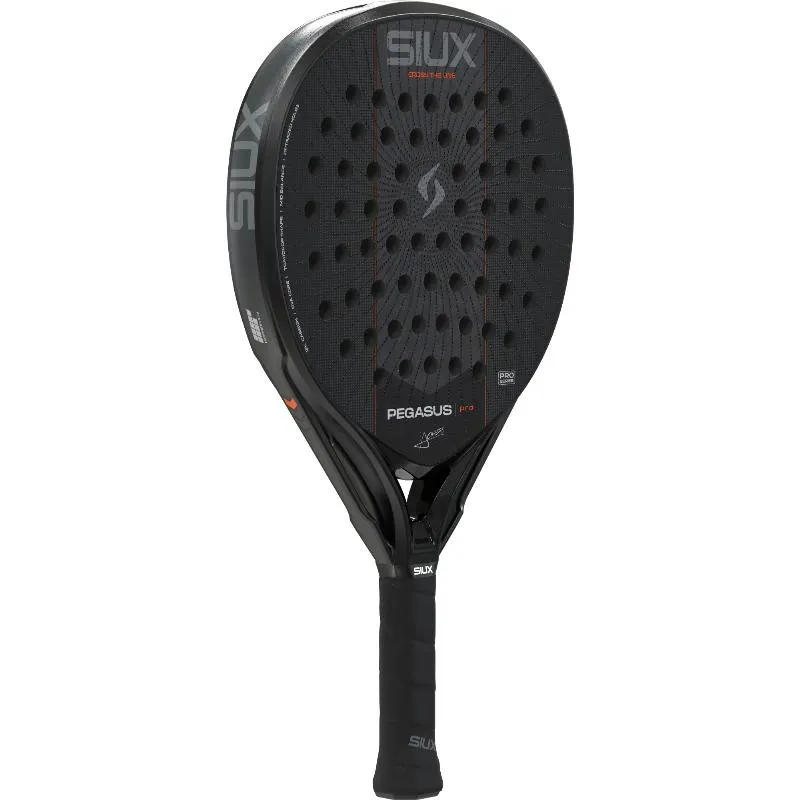
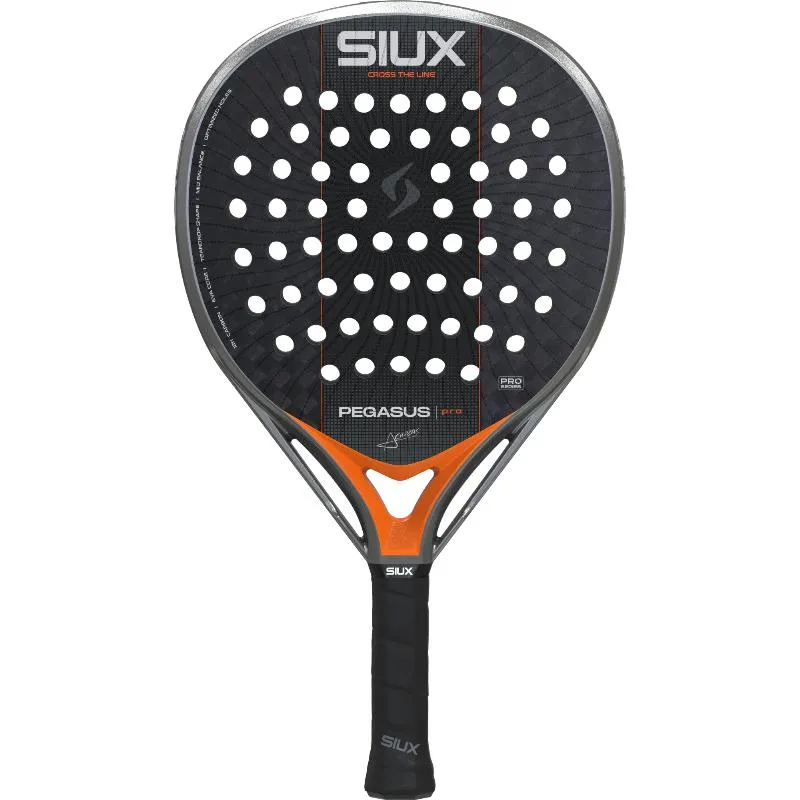
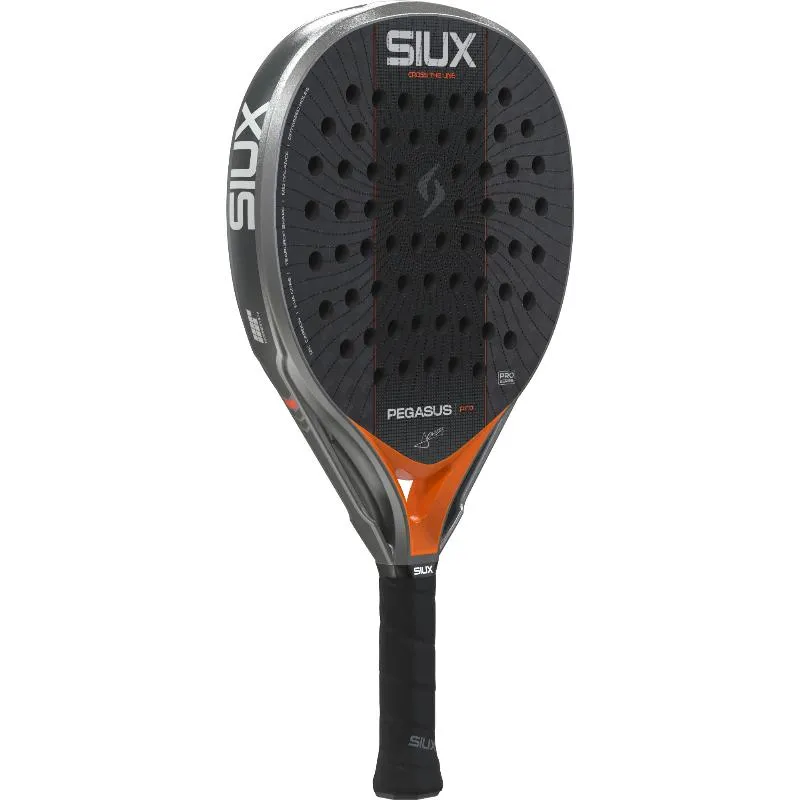
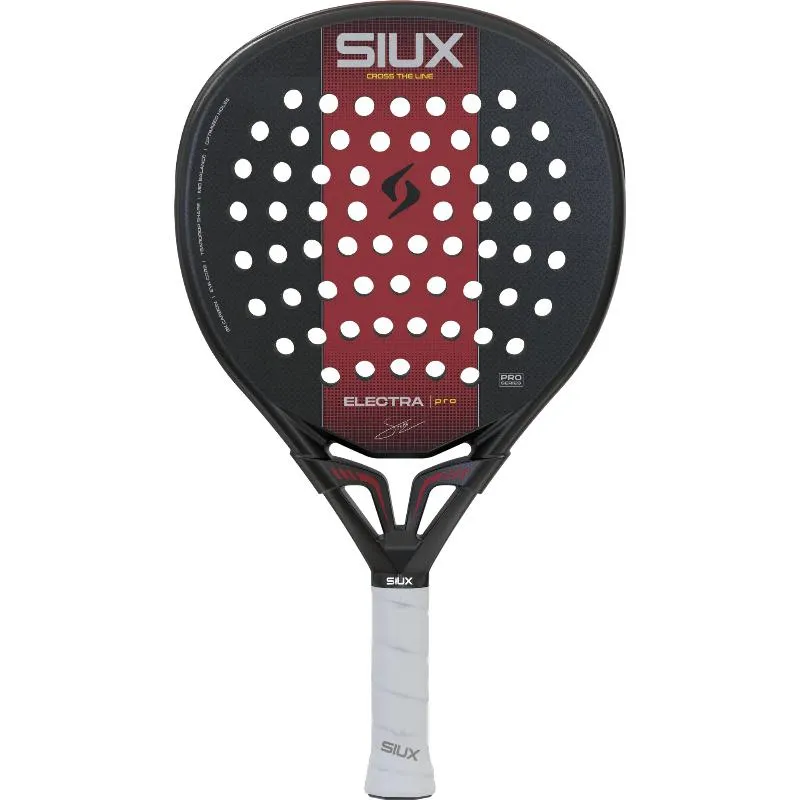
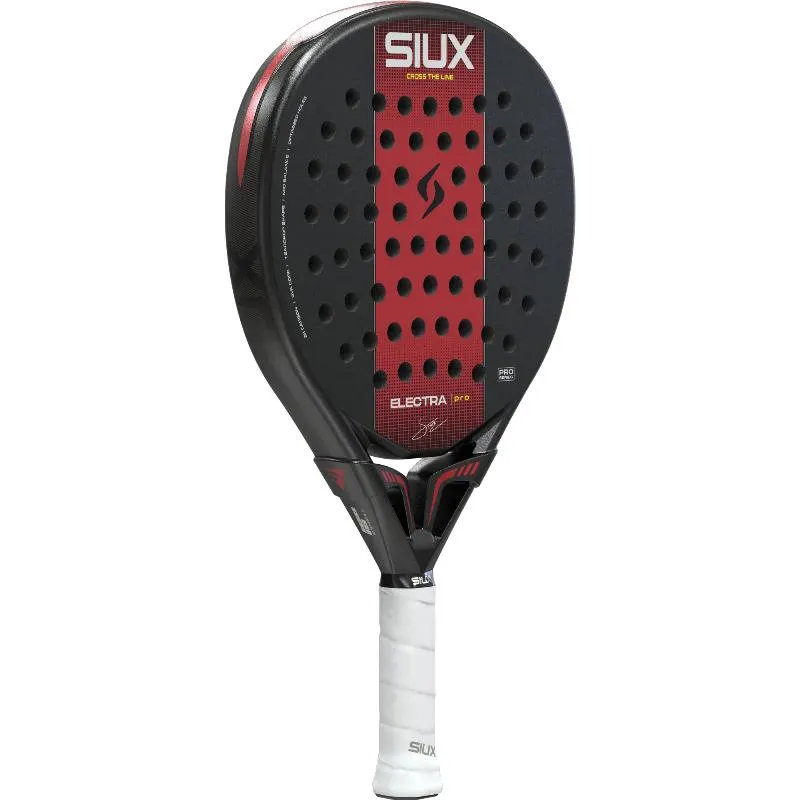
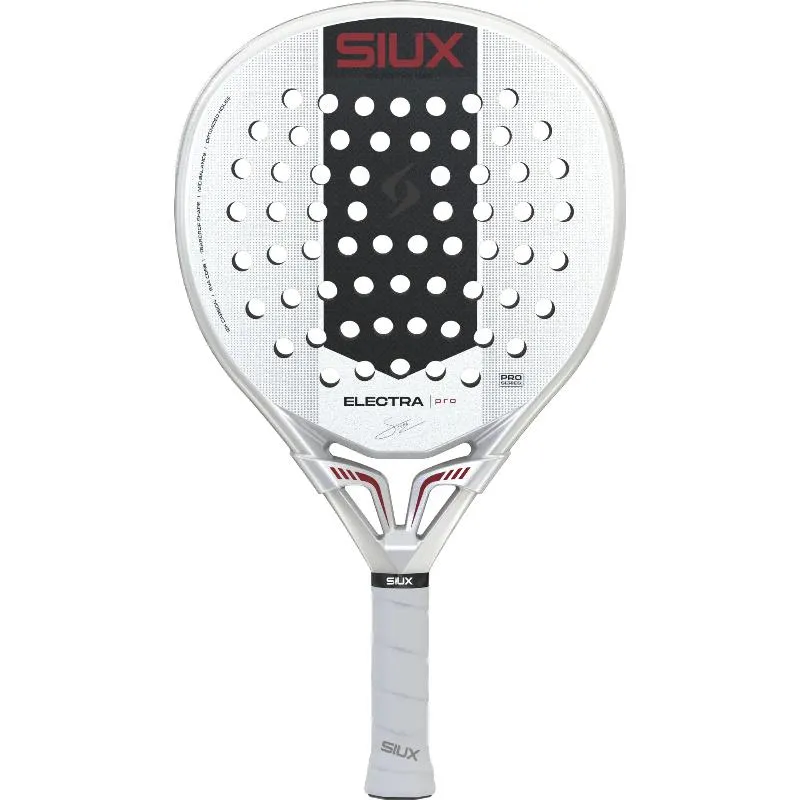
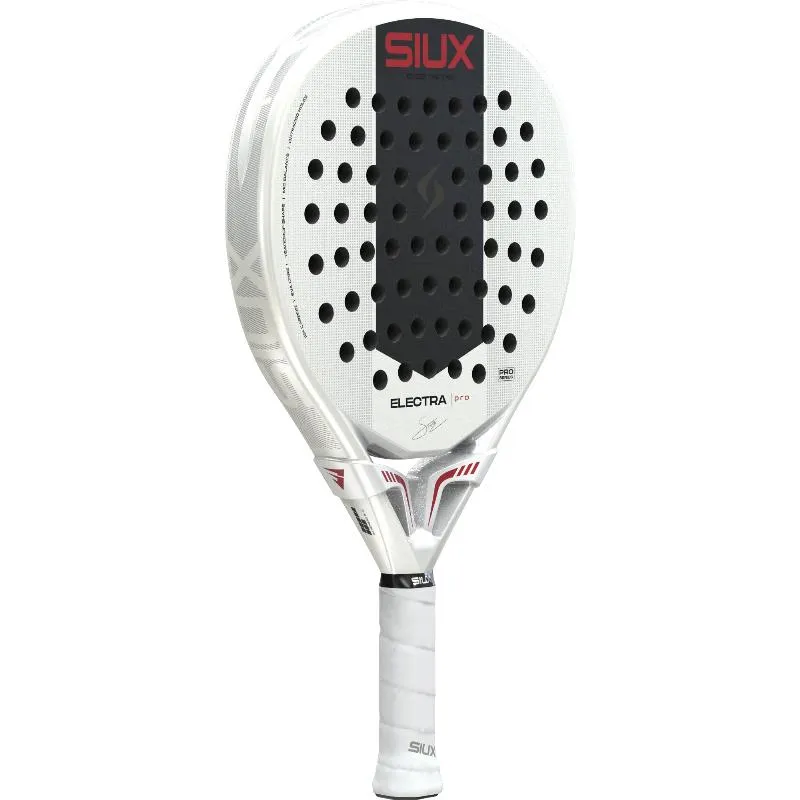










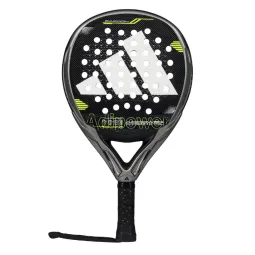
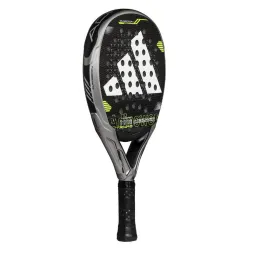
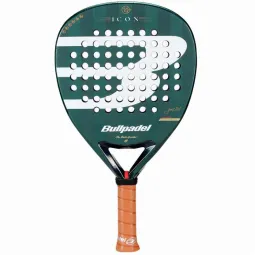
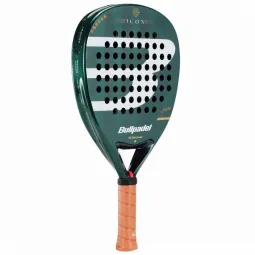
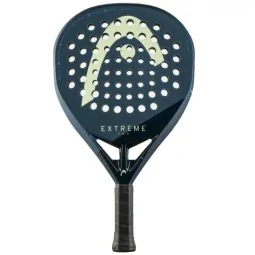
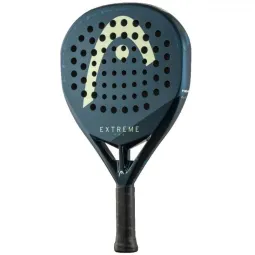
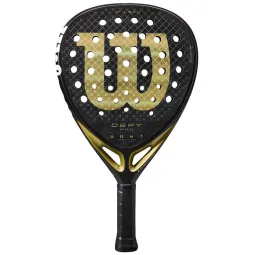
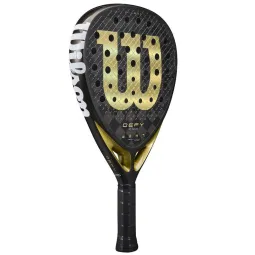

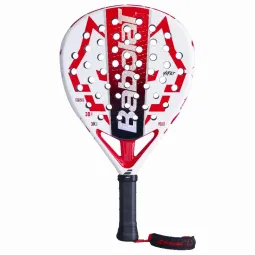
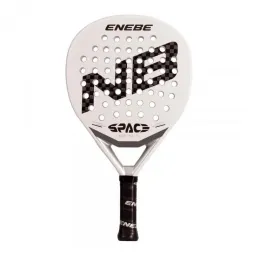
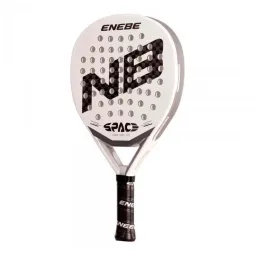
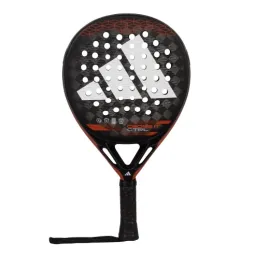
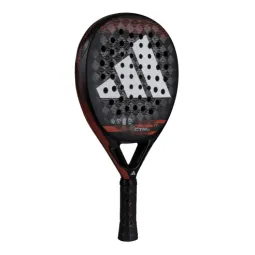
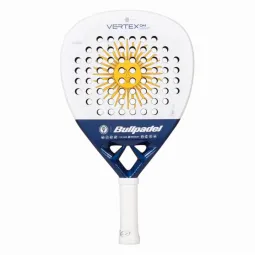
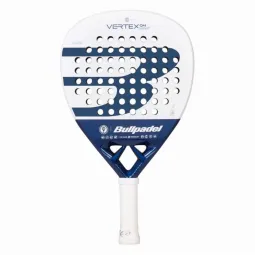



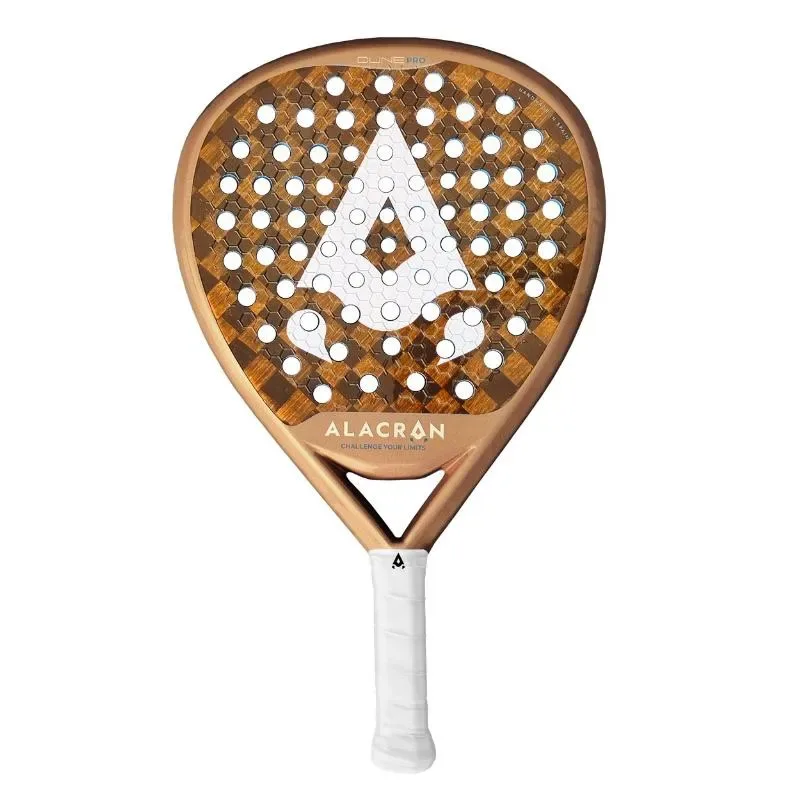
A padel racket is not assembled part by part or screwed together: it comes out of a mould. The fibre faces, the resin and the core go in separately and leave the oven as one single block of composite material. All the gear is in our padel rackets category.
Here are the seven stages of the process in the order they happen, what each material brings and why two rackets that weigh almost the same can be so different. We have checked it against several industry sources that describe the same sequence.
How a padel racket is made, in five key points
- The method: composite moulding. Fibre, resin and core are cured together under pressure and heat, with no screws or glue between the parts.
- The stages: design and die-cutting, lay-up with resin, pressing and curing, deflashing and polishing, paint and decals, drilling, and final assembly with quality control.
- The materials: faces in glass fibre, carbon or Kevlar; a core of EVA rubber (the most common), foam or polyethylene; and epoxy resin that binds it all.
- The time: curing inside the mould takes several hours. It is the stage that turns loose layers into a rigid piece.
- Why it costs what it costs: almost the whole process is manual. Each fibre layer is placed by hand, at its angle, before going into the oven.


How is a padel racket made? ↑ index
A padel racket is made by hot moulding: the fibre and the core are cut to the shape of the mould, soaked in epoxy resin, laid by hand in crossed layers, and the closed mould is cured under pressure for several hours. When it comes out, the racket is polished, painted, drilled and fitted with the end cap, the strap and the grip.
The mould, made of aluminium or steel, sets the shape, the thickness and the weight distribution of each model. What goes into it is layers: the two fibre faces on the outside and the core slab in the middle, all soaked in resin. Heat and pressure do the rest: the resin hardens and the layers end up fused into a single piece.
Everything that happens afterwards — polishing, paint, decals, drilling and assembly — is finishing. The racket, as the object that strikes the ball, has already been born inside the mould.
Why is a padel racket moulded and made by hand? ↑ index
Because the racket has to behave as one rigid piece, and only the heat and pressure of the mould can achieve that.
A racket has to withstand thousands of impacts against the ball, the floor and the walls without splitting between its layers. That only happens if the fibre of the faces and the core are fused by resin and heat, not glued on the outside. That is why the mould and the oven (or the hydraulic press) are the heart of the process, and why all the padel rackets you see in a shop, in any range, are born the same way.
Inside, a finished racket has these five parts, and each one comes from a different stage of the process:
The faces: the two hitting surfaces. They are made from sheets of glass fibre, carbon or Kevlar, and the number of layers depends on the model: some manufacturers use from one to five carbon layers per face.
The core: the inner slab between the two faces. It is usually EVA rubber; some models use foam or polyethylene. It defines much of the feel and the ball output.
The epoxy resin: what holds everything together. It soaks the fibre and, as it cures, hardens and turns the layers into a single piece.
The frame: the outline of the racket. In tubular models it is reinforced with materials such as Kevlar, which handles knocks better.
The holes: drilled at the end with a precision template specific to each model. Every model has its own pattern.
The other consequence of making rackets this way is the price. Cutting the materials and drilling can be done by machines, but placing each fibre layer in the mould, at its angle, is still manual work in most factories, especially in Spanish ones. There is no line churning out rackets: there are workers building them one by one.
We have been selling rackets since 2003, with a physical shop in La Nucía (Alicante) and more than 160 brands in our catalogue. The question we hear most on this subject is why two rackets that weigh almost the same cost so differently. The answer is rarely in the shape: it is in the face material, the number of layers and the type of core. So before you look at the design, check those three details on the racket’s product page.
The 7 stages of padel racket manufacturing ↑ index
There are seven stages from the roll of fibre to the finished racket. The third one, curing in the mould, is what turns the layers into a racket.
Design and die-cutting. The model’s graphic design (the decal) is chosen and the fibre sheets — glass, carbon or Kevlar — and the core slab — EVA rubber, foam or polyethylene — are cut to the exact shape of the mould. They arrive at the factory in rolls and slabs.
Lay-up with resin. A worker soaks the sheets in epoxy resin and lays them by hand in the mould in a cross-hatch pattern: some layers in one direction and others in the opposite one, with the core in between. Air bubbles are also removed at this stage.
Hot pressing and curing. The closed mould goes into an oven or a hydraulic press that applies pressure and heat at a controlled temperature. Curing takes several hours and compacts the layers into one rigid piece.
Deflashing, washing and polishing. Once the racket comes out of the mould, the excess material that has seeped out at the edges is removed, the racket is washed with soap and water and the surface is polished smooth.
Primer and decals. A first coat of base paint is applied in a spray booth and then the decals with the model’s final design are applied by hand.
Drilling. A computerised system drills the holes with a precision template, following the exact pattern of that model.
Final assembly and quality control. The end cap, the safety strap and the base grip are fitted, and the racket goes through a visual check and tests of weight, balance and response before it is signed off.
Cutting the materials (stage 1) and drilling (stage 6) are the most mechanised stages. Laying the layers (stage 2) and applying the decals (stage 5) are still done by hand.
Padel racket materials: fibres and cores ↑ index
The faces set the power and the durability; the core sets the feel and the vibration that reaches your arm.
| Material | Where it goes | What it brings |
|---|---|---|
Glass fibre | Faces | The most affordable. More flexible: more ball output and a softer feel. |
Carbon fibre | Faces | Lighter and stiffer than glass: more power and less deformation on impact. |
Kevlar | Faces and frame, especially in tubular models | Maximum durability against impacts, in exchange for a harder feel. |
EVA rubber | Core | The most common core, found in the vast majority of rackets. A balance between control and power. |
Foam and polyethylene | Core | They reduce the vibration that reaches the arm: worth considering if your elbow bothers you. |
Epoxy resin | Between all the layers | Binds fibre and core and, once cured, sets the final shape of the racket. |
Data cross-checked in several industry sources on racket manufacturing. The exact combination for each model is on its product page.
Cheap or expensive padel racket: what changes? ↑ index
The process is the same; what changes is what goes into the mould and the care taken at each stage.
The type of fibre: glass, carbon or Kevlar, and within carbon, different grades. It is the first thing you notice in power and weight.
The number of layers: from one to five per face depending on the model. More layers, more stiffness and more strength.
The core: the density and type of rubber change the feel, the ball output and the vibration.
The precision of the mould: it determines the thickness, the balance and whether two units of the same model come out identical.
Handwork and quality control: how many hands each racket passes through and which weight and balance tests it gets before leaving the factory.
That is why the price of a racket cannot be read on the scales: two rackets of the same weight can hold very different materials and hours of work.
Our customers ask ↑ index
Two common questions about how a racket is made, with the answer we give at Tienda Padelpoint: what to look at on the product page and whether the material shows on court.
“What do I look at on the product page to know what is inside the racket?” Look at three things: the face material, the number of layers and the type of core. They are what separates one racket from another most; the exact combination for each model is on its product page.
“Can you feel on court whether a racket is glass or carbon?” Yes. Carbon is lighter and stiffer: more power and less deformation on impact. Glass is more flexible: more ball output and a softer feel. And if your elbow bothers you, look for a foam or polyethylene core, which reduces the vibration.
FAQ: padel racket manufacturing ↑ index
Why are padel rackets so expensive if they are made in a mould?
Because the process is still mostly manual, not an automated line: each fibre sheet is cut and placed by hand in the mould before going into the oven or the press, and that takes far more labour time than an injection-moulded product.
Do all padel rackets have the same core?
No. Most use EVA rubber, but some models use foam or polyethylene in the core precisely to reduce the vibration that reaches the arm.
What is the difference between a glass fibre racket and a carbon one?
Carbon fibre is lighter and stiffer, which means more power; glass fibre is more affordable and feels softer, with more ball output.
Can a padel racket be made industrially, without human hands?
Cutting the materials and drilling can be automated with precision machinery, but laying the fibre layers in the mould is still manual in most factories, because the angle and position of each layer affect how the racket finally plays.
How long does a padel racket spend in the oven?
Industry sources speak of several hours of curing, at controlled temperature and pressure, with no single figure for every model. It is the stage that turns loose layers into a rigid piece.
Are the holes drilled before or after moulding?
After. The racket comes out of the mould without holes and they are drilled at the end, with a computerised system and a precision template specific to each model. That is why every model has its own hole pattern.
Glossary of padel racket manufacturing ↑ index
Our verdict on how a padel racket is made ↑ index
Knowing how a racket is made helps you buy better: the price of a racket is inside, not outside. In the fibre of the faces, the number of layers, the core and the hours of handwork that go into each unit.
Every racket comes out of a mould and every racket goes through the same seven stages. What separates a beginner racket from a top-of-the-range one is what goes into that mould and the care taken at each step.
We have been selling rackets since 2003 and our advice is still the same: look first at the face material and the core, and then at the shape and the design. If you are torn between two models, our guide to choosing a racket explains it according to your level.
We ship to the United Kingdom from our shop in La Nucía (Alicante, Spain); as the UK is outside the EU, there is a minimum order value and the order may carry import duties or taxes on arrival. Costs and delivery times are on our shipping page, and the returns, exchanges and warranties on their own page.
Guides to choosing and caring for your padel racket ↑ index
After the factory, the racket reaches your hands. These guides cover what comes next:
How to choose a padel racket — Firmness, shape, balance and sweet spot for your level and your game.
Carbon: durability and maintenance of the racket — What a carbon face can take and how to look after it so it lasts.
Humidity and temperature: how they affect the racket — Why sustained heat, like a car boot in summer, does it no good.
When it is time to change your racket — The signs of wear that tell you the racket has given all it had.