

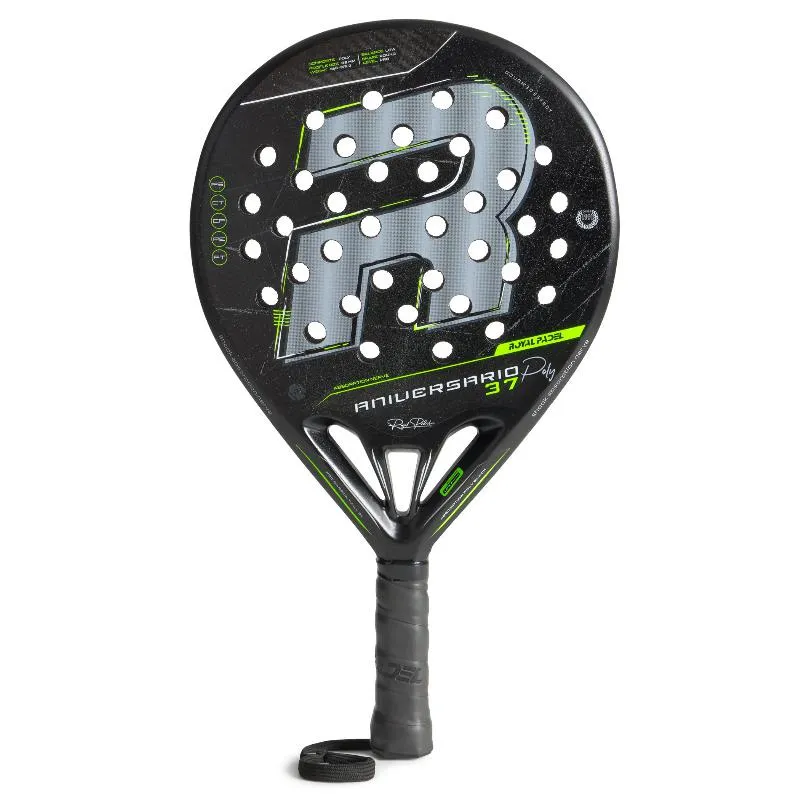
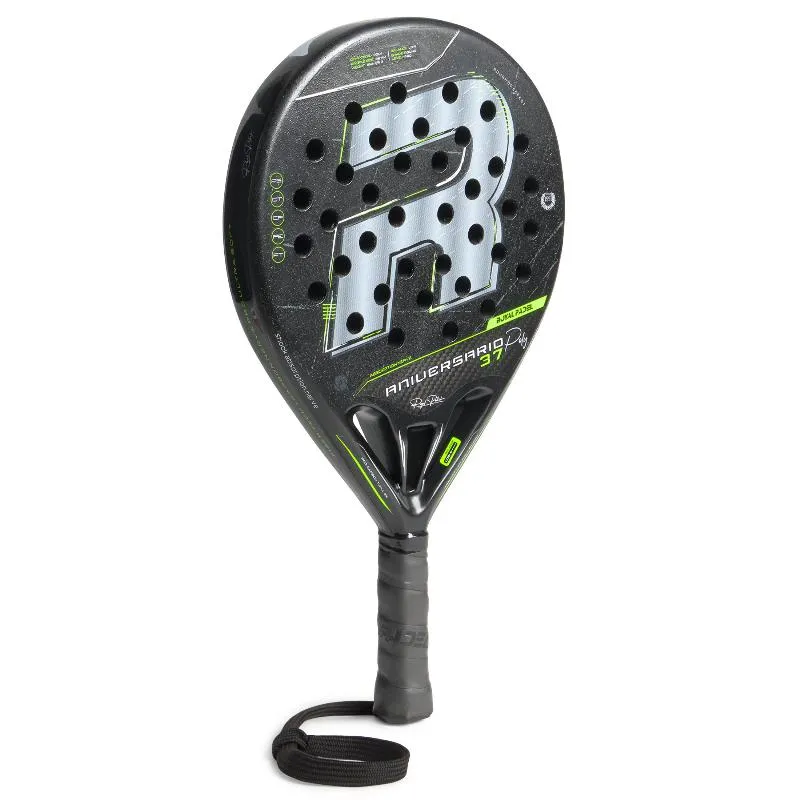
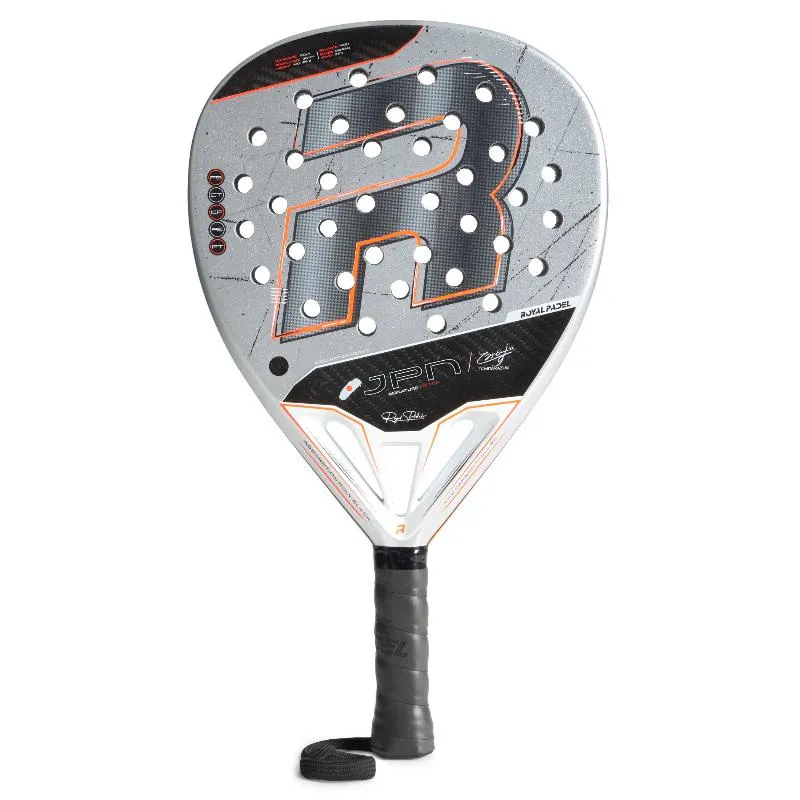
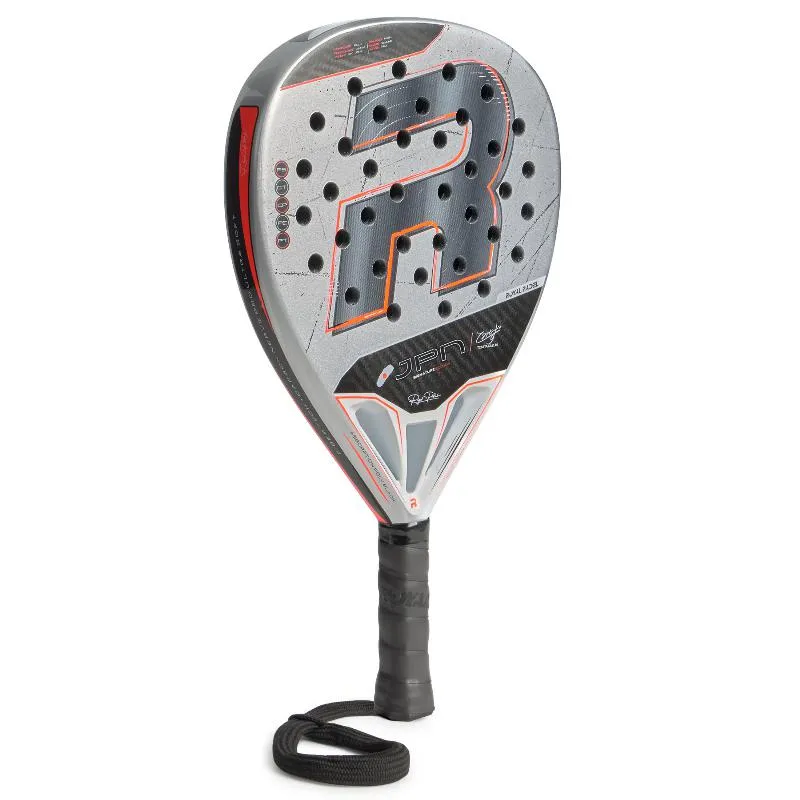
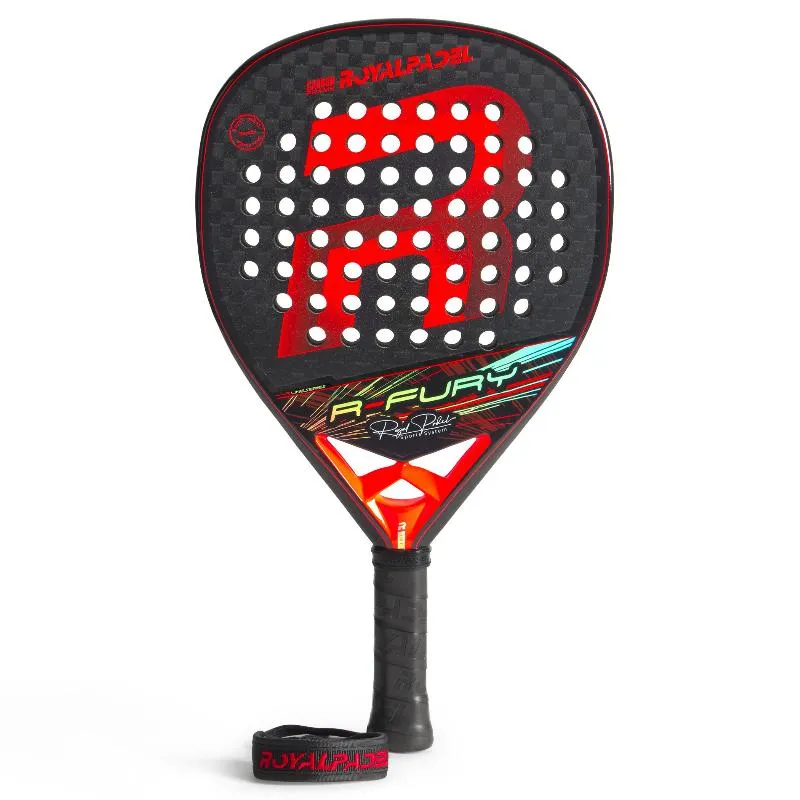
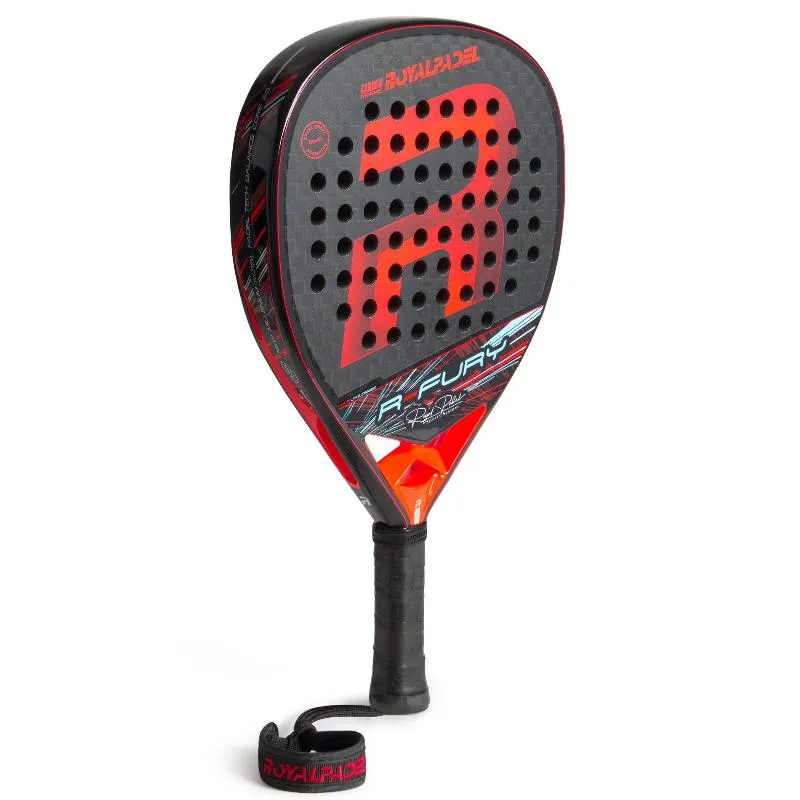
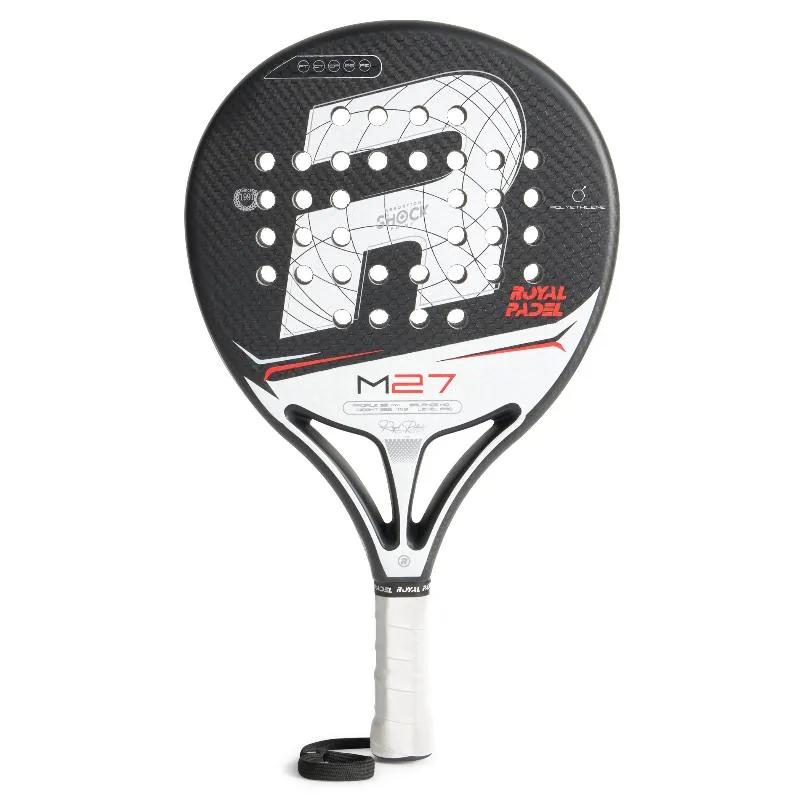
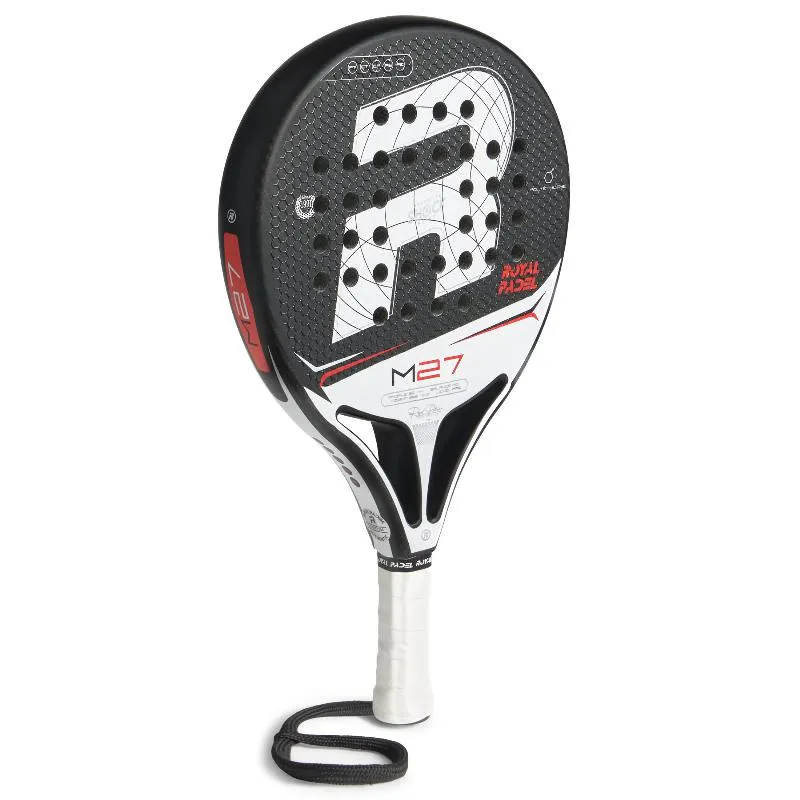
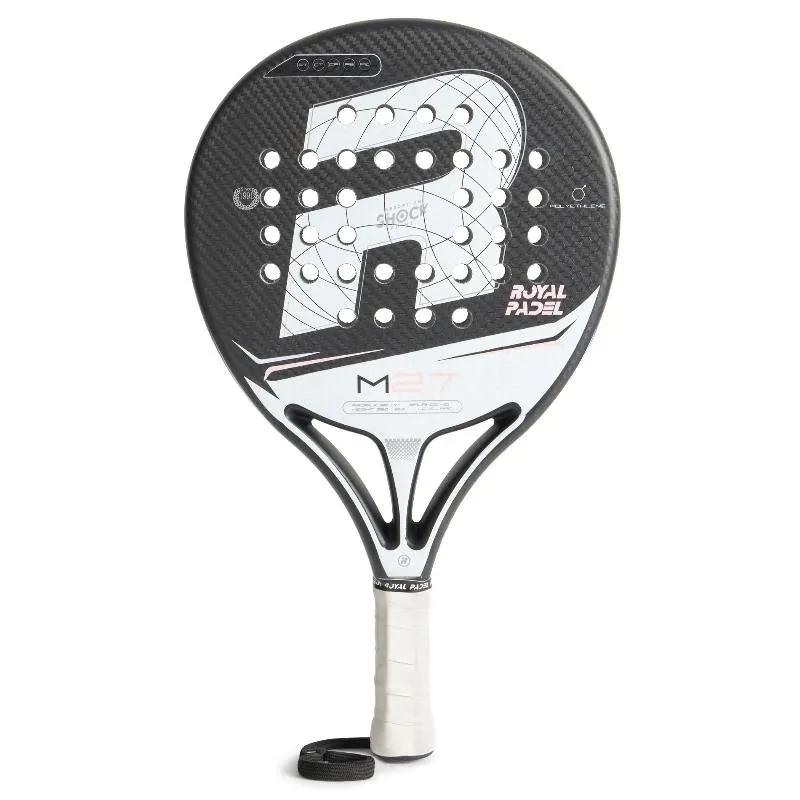
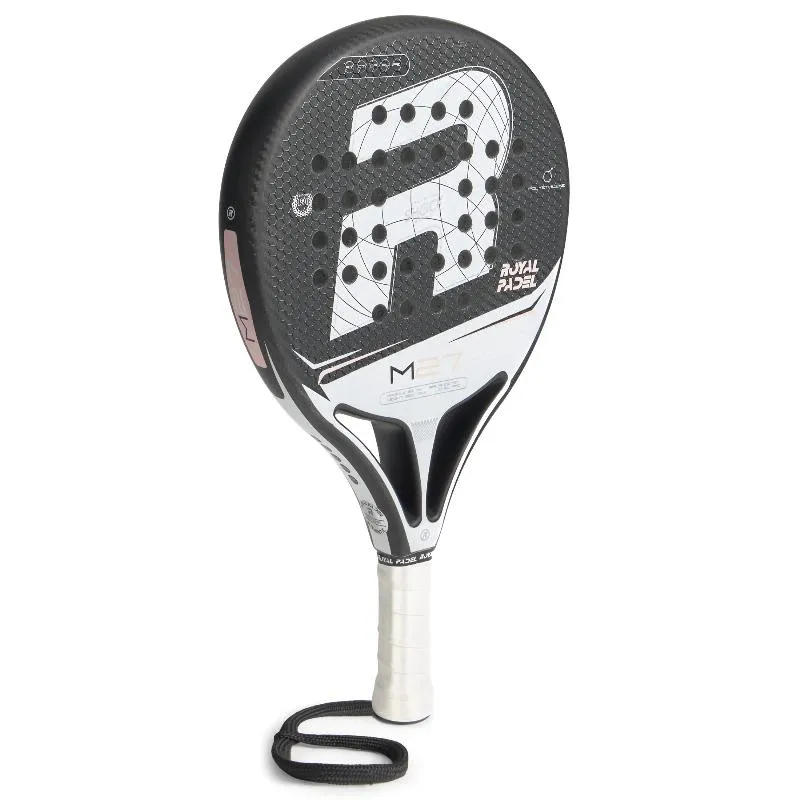
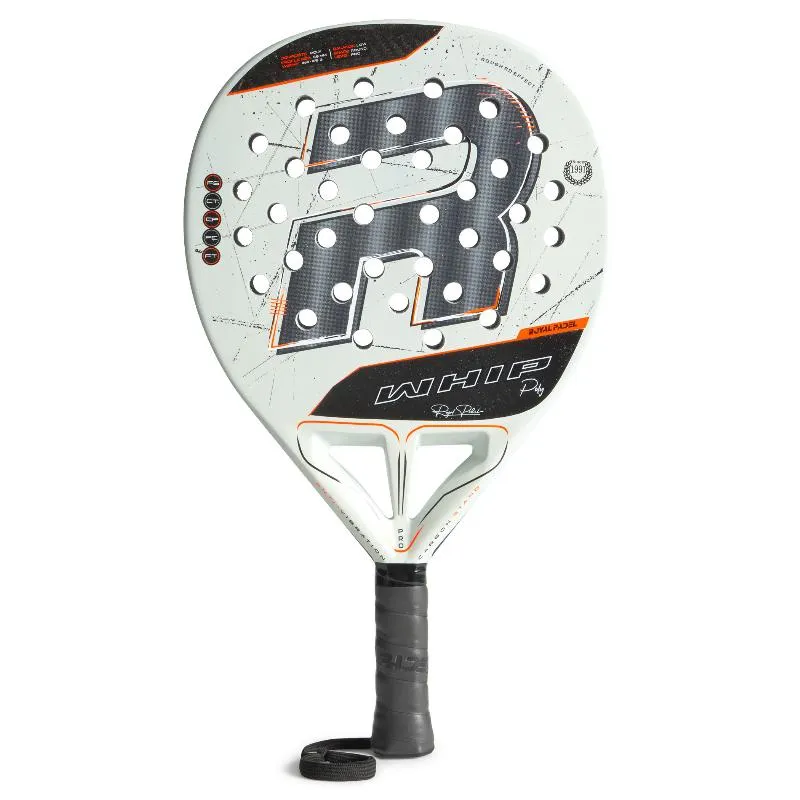
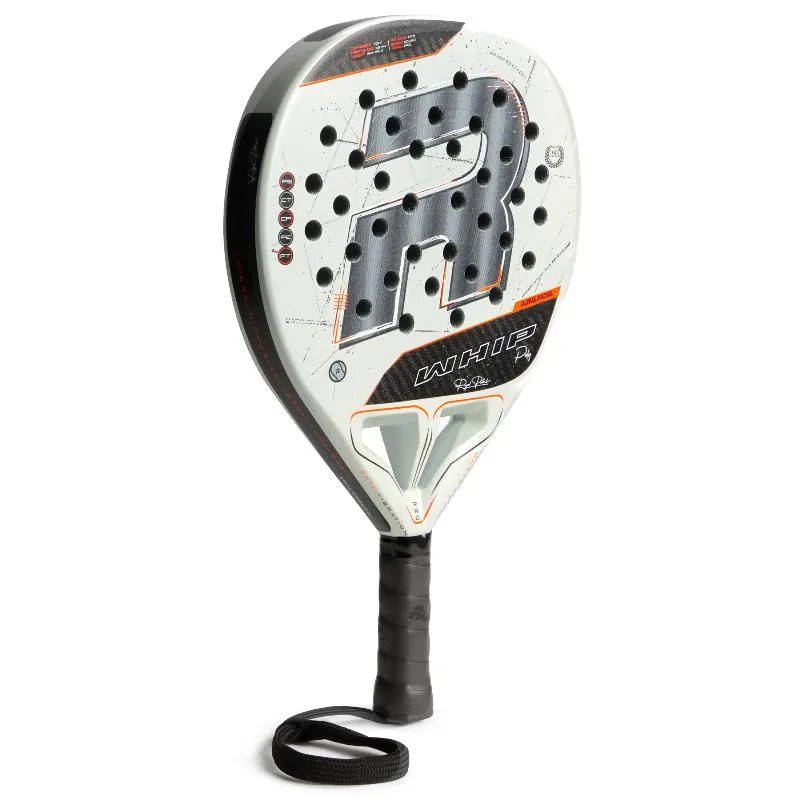
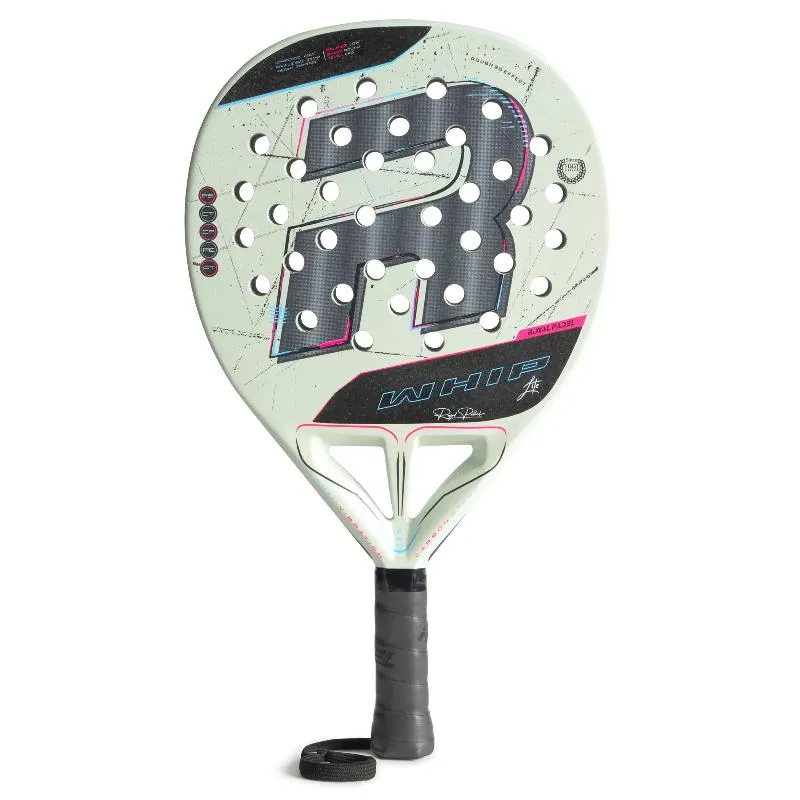
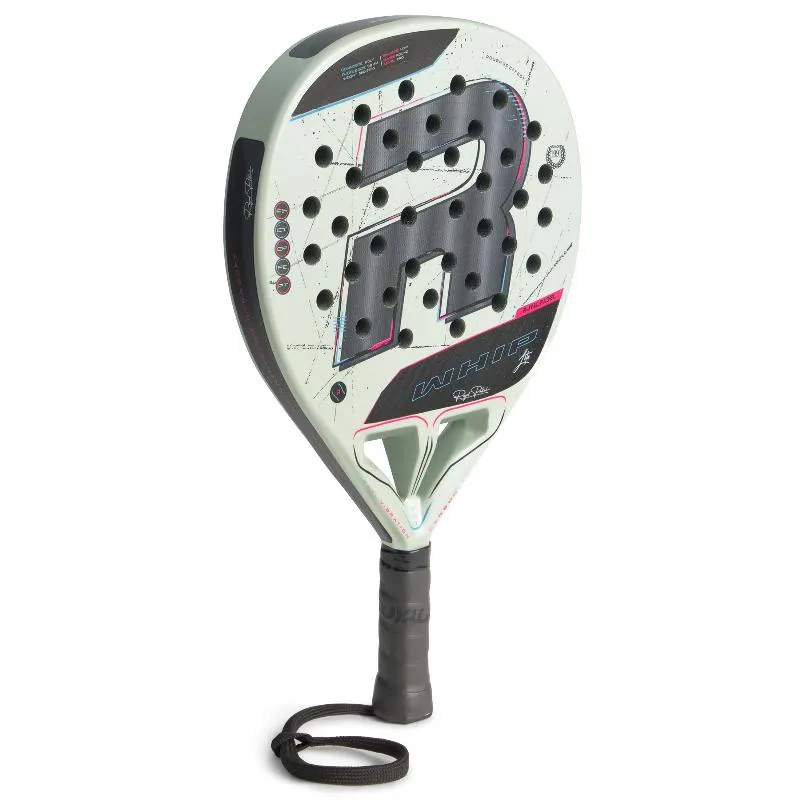
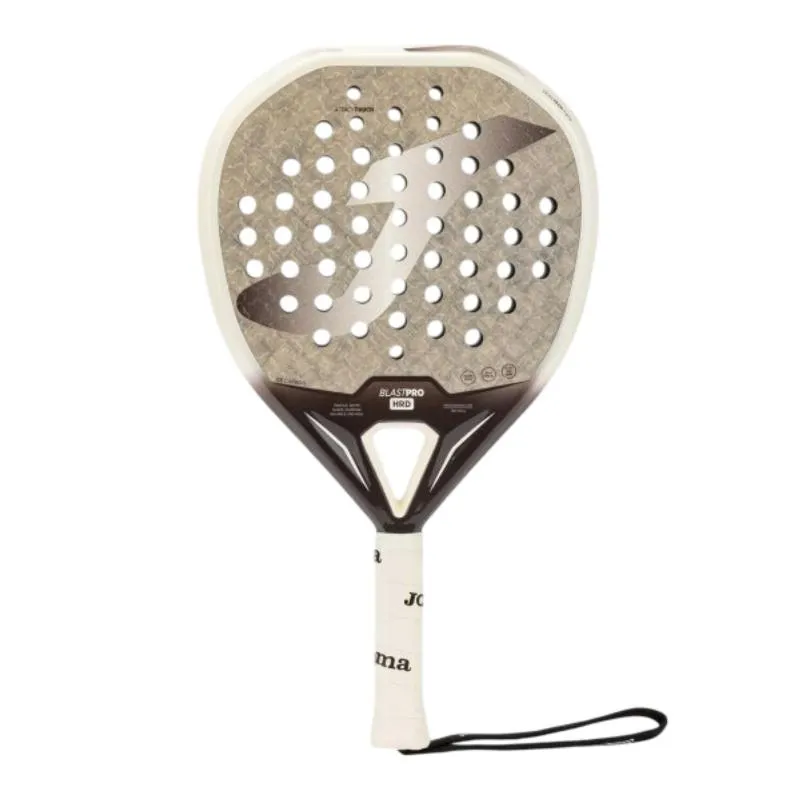
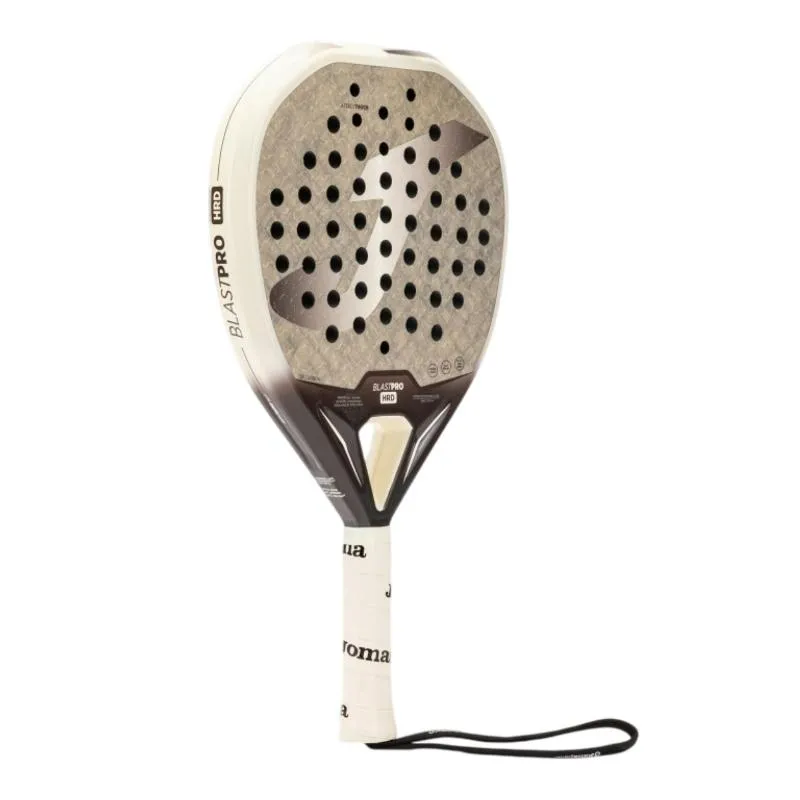
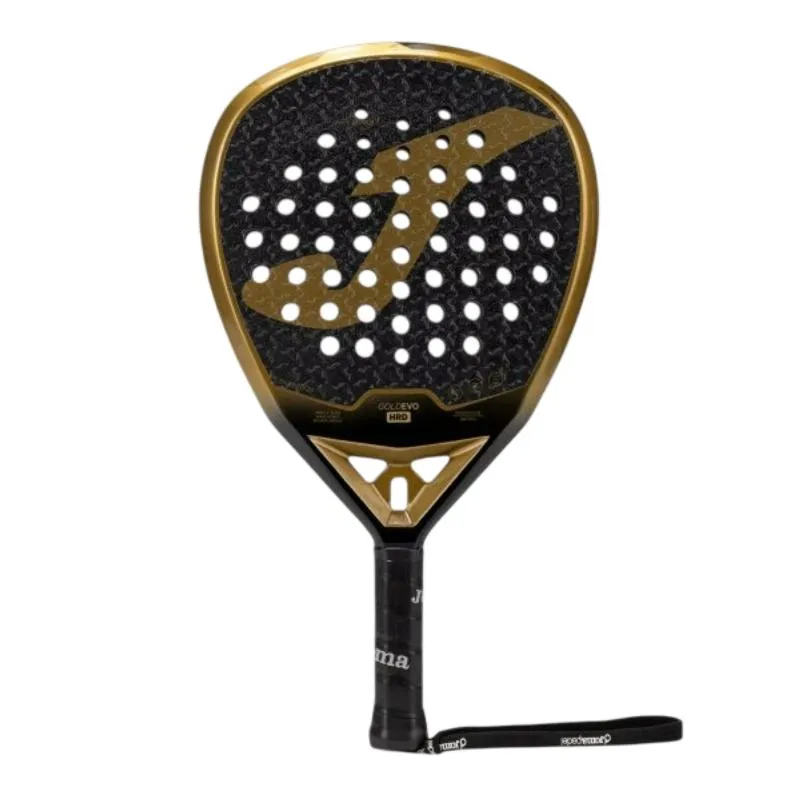
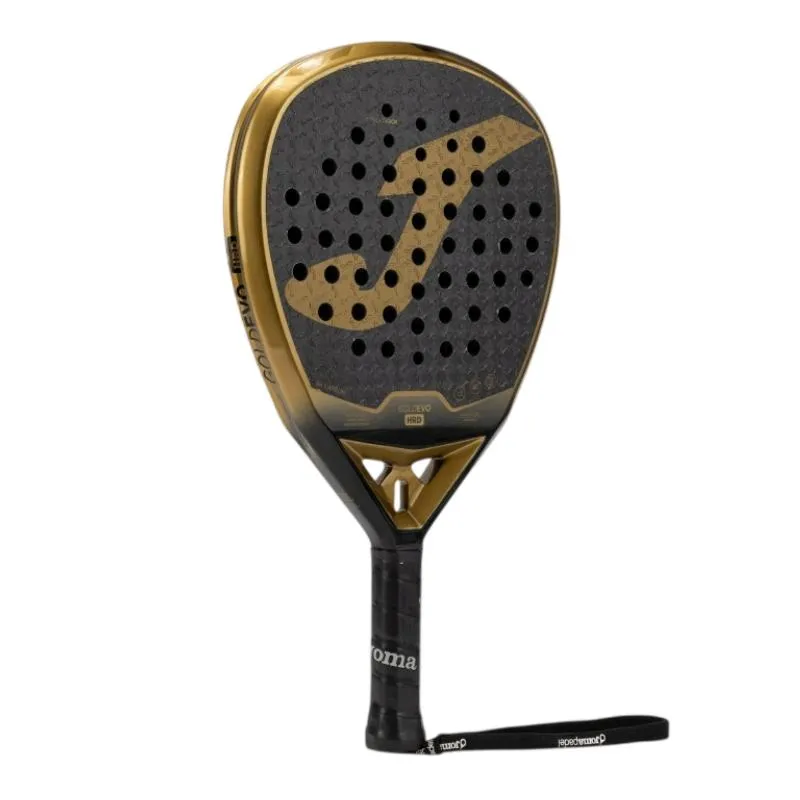
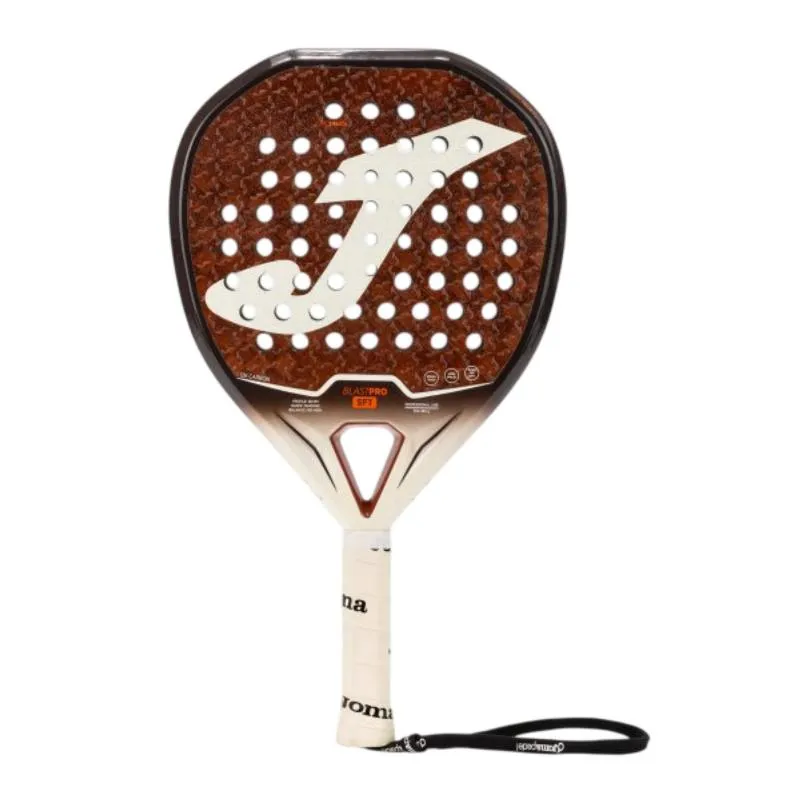
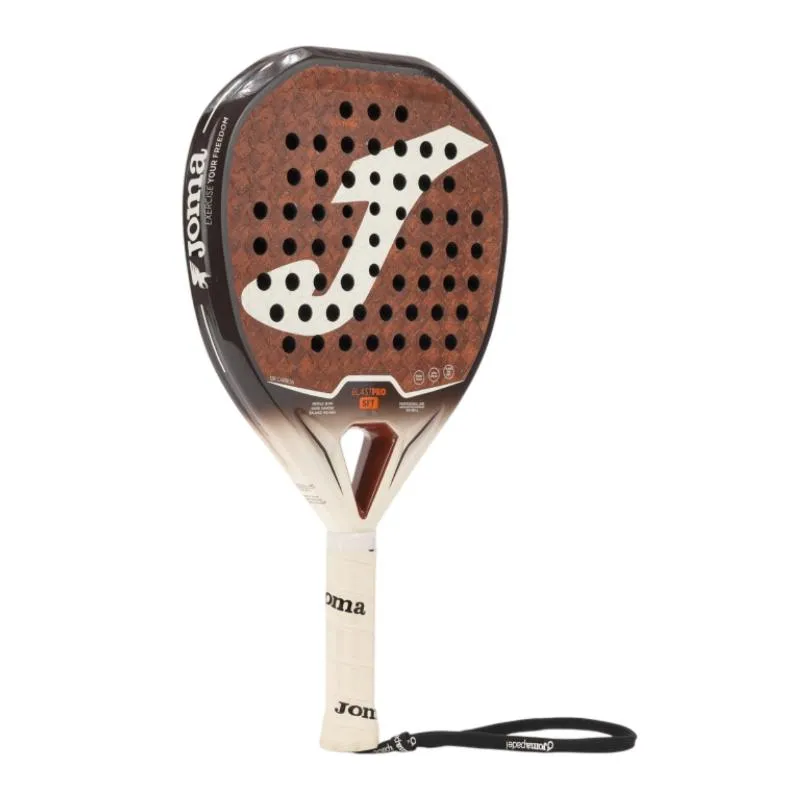
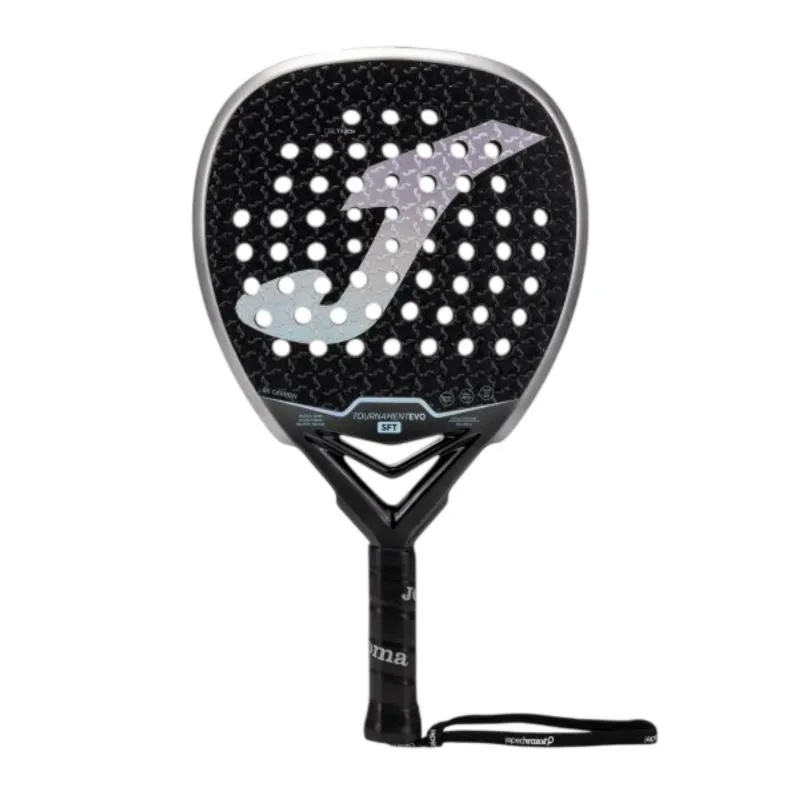
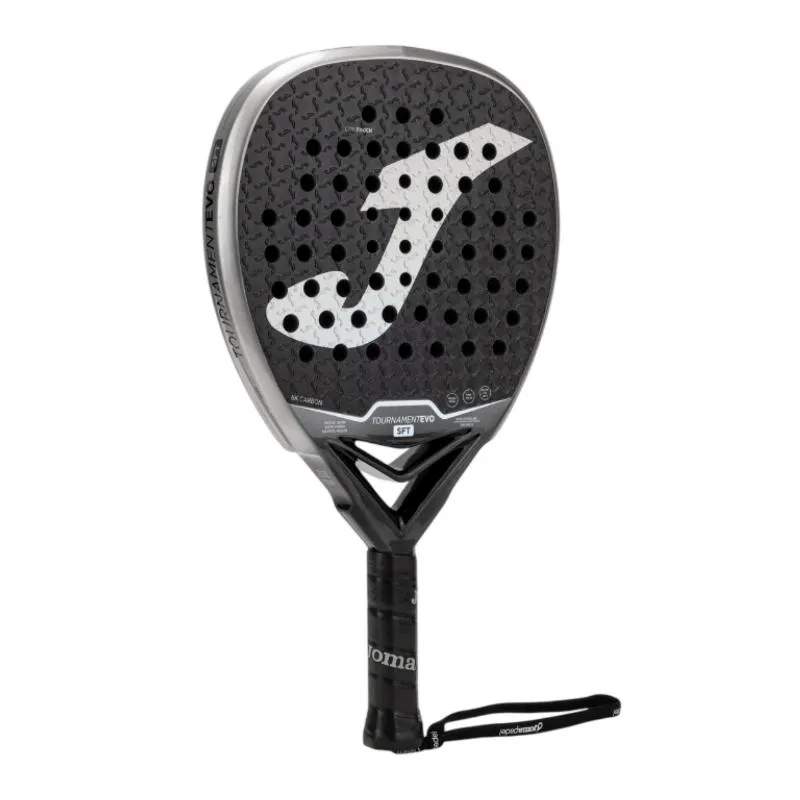
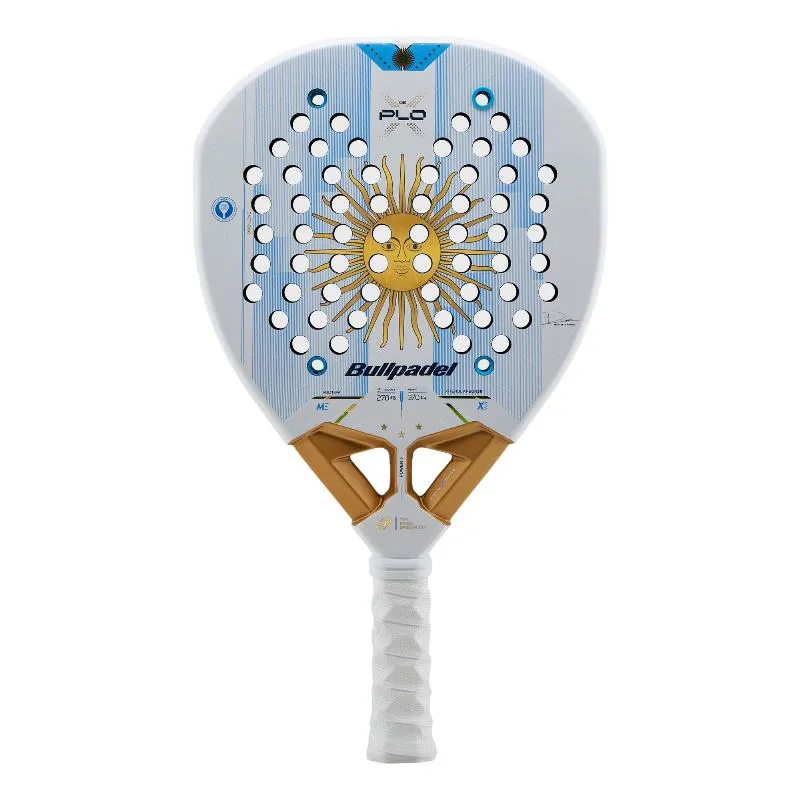
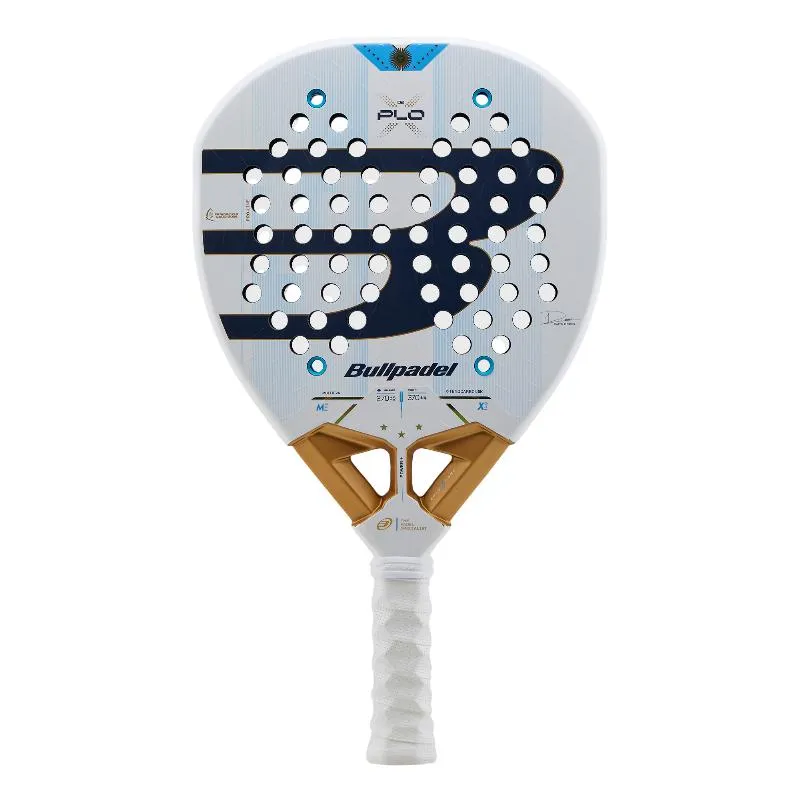
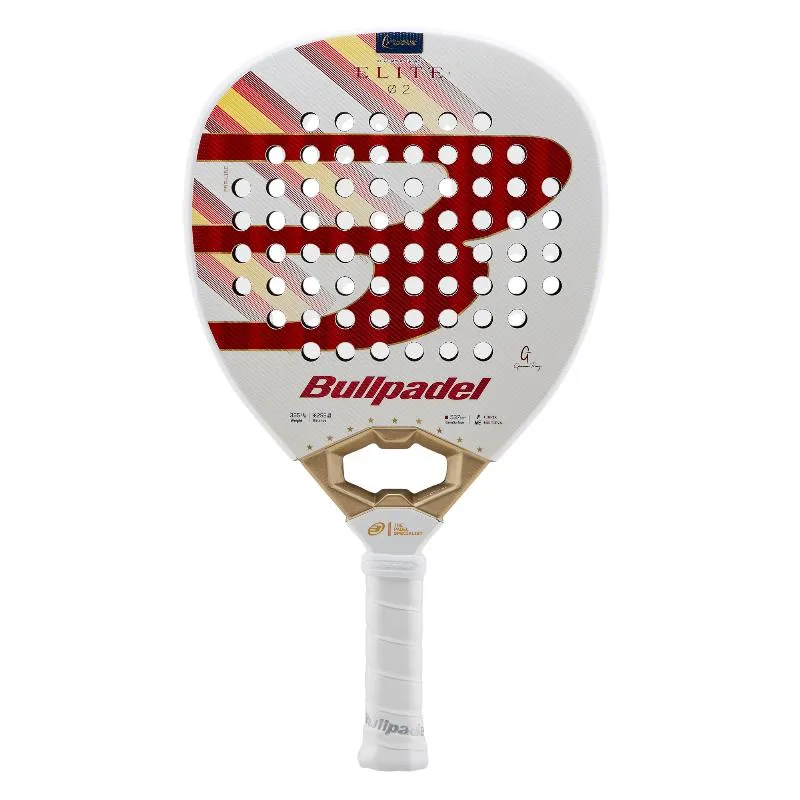
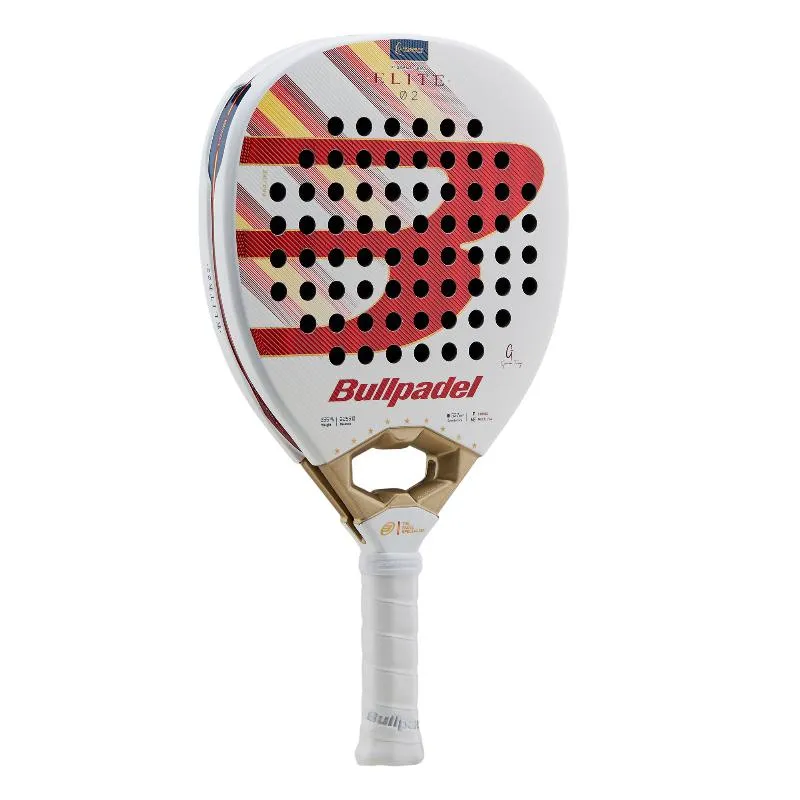
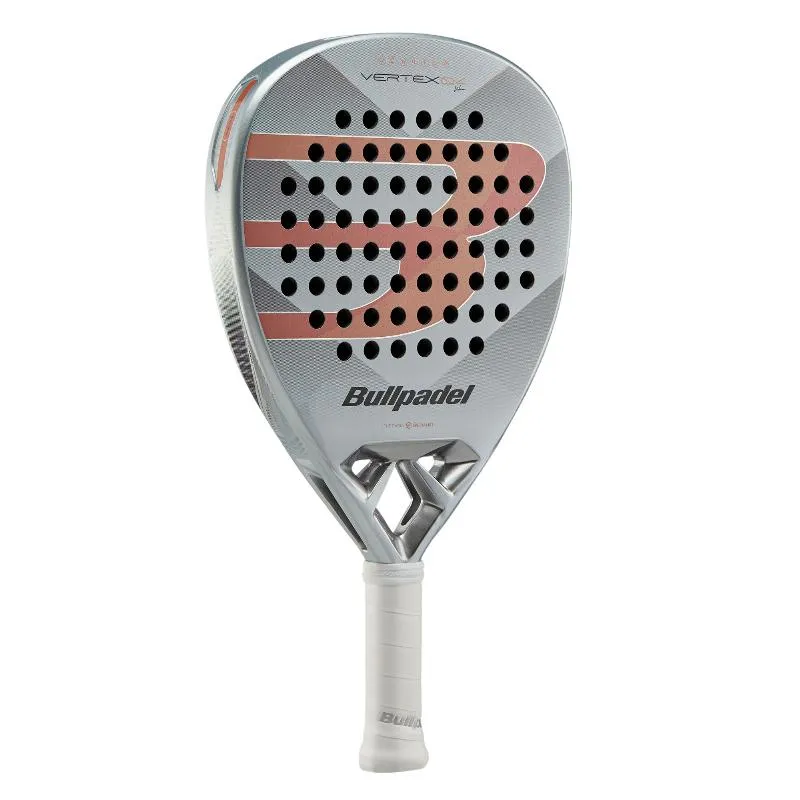



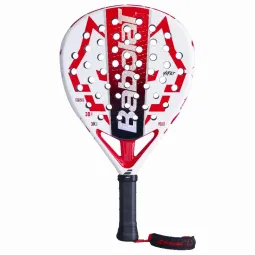


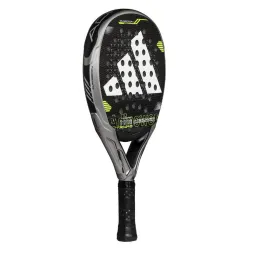
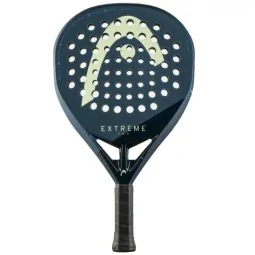
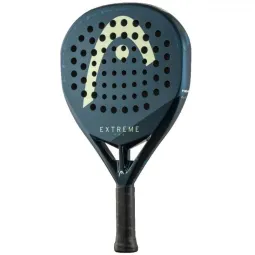
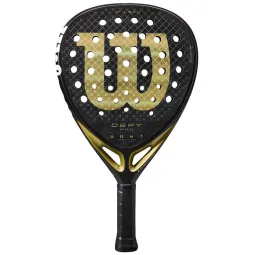
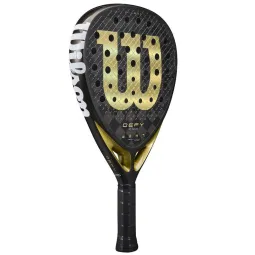
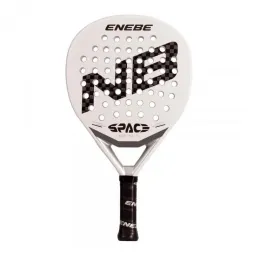
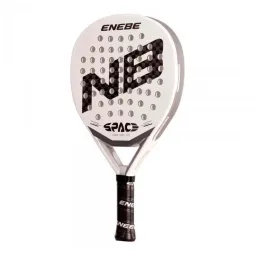
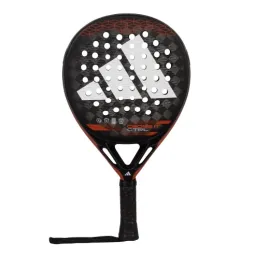
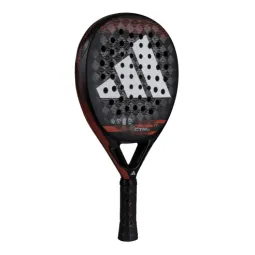
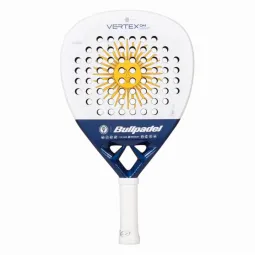
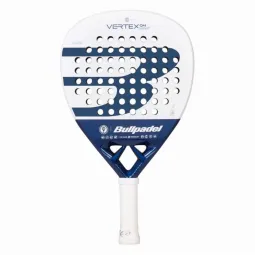




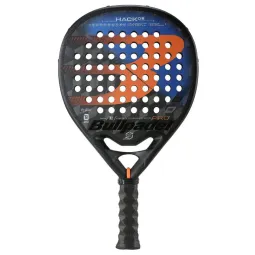
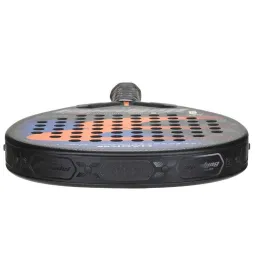
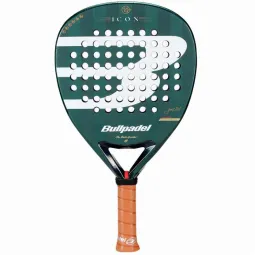
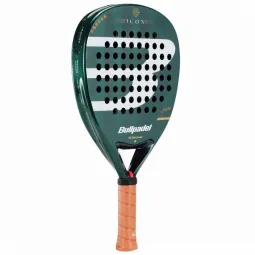

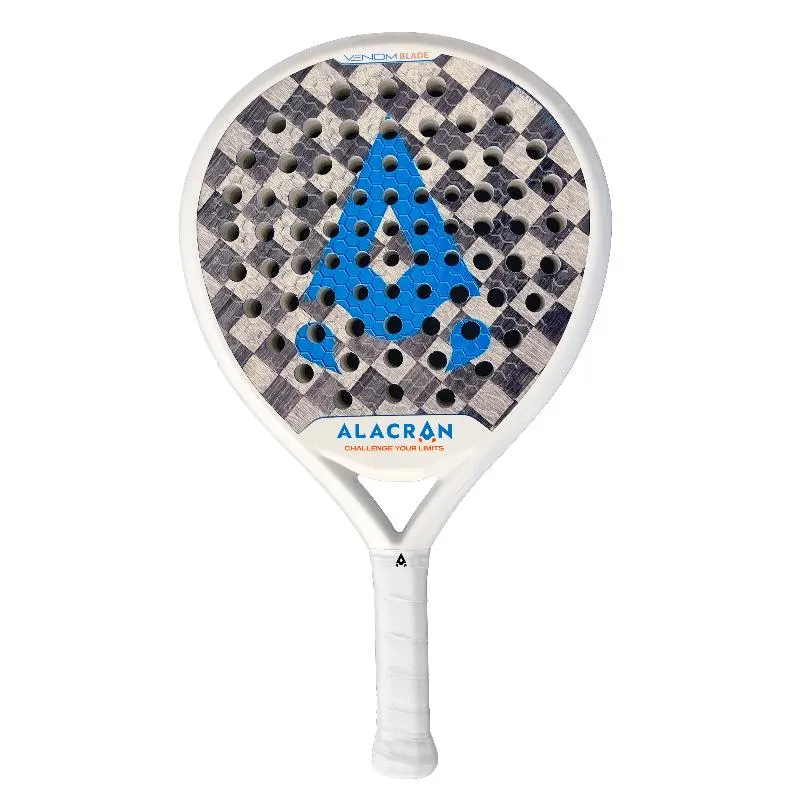
Coming back after years away is not starting from zero, but it is not picking up where you left off either: technique returns before your body does, and the racket sitting in your wardrobe is usually more demanding than your arm can take today. That is why the order of choosing changes: first how your body is, then the level you remember, and finally shape and balance. Once it is clear, browse all the padel rackets.
These factors are not independent —a diamond shape almost always comes with a high balance, for example— but it is worth understanding each one separately so you know what you are buying and why. At the end you will find a summary table, a four-question test that tells you which type of racket suits you and the most common questions when choosing a racket.
How to choose a racket for your level?
- Beginner: round shape and low balance. A large, centred sweet spot, more control and less strain on the arm.
- Intermediate: teardrop shape and medium balance. The balance point between control and power.
- Advanced or professional: diamond (or hybrid) shape and high balance. More power, a smaller sweet spot and more technical demands.
- Weight is not limited by the rules of the International Padel Federation (FIP): they only limit the dimensions (45.5 cm long, 26 cm wide and 38 mm thick at most). The weight of each model is listed on its product page and varies by brand. Source: official FIP rules (PDF).
- Materials: fibreglass gives more comfort and control; carbon, more stiffness and power. A soft EVA or foam core for comfort; hard EVA for power.
- If you have elbow or shoulder pain: low balance, a soft core and a weight you can handle without effort.


Back to padel after years away: which racket? ↑ index
To come back to padel after years away, choose a round or teardrop racket with low or medium balance and a weight you can handle without effort, even if you used to play with a diamond. The arm recovers first, and only then do you raise the demand again.
It is normal for your level in your head to be higher than your arm’s: if you used to be advanced, start one step below your usual racket and move up when your elbow and shoulder respond. If you have aches, see the elbow and shoulder section below.
Which padel racket to choose for your playing level? ↑ index
Playing level is the first filter because it conditions everything else: the less technique you have, the more help you need from the racket to get the ball away well; the more technique, the more power you can use without losing control.
Beginner: a round, low-balance racket. The sweet spot is large, it forgives off-centre shots and puts less strain on the arm. It is the combination that builds confidence on court fastest.
Intermediate: a teardrop racket with medium balance. It shares the sweet spot between control and power and adapts to different playing styles: it is the most versatile shape.
Advanced and professional: a diamond or hybrid racket with high balance. A smaller, higher sweet spot, designed for players who already have the technique to use the extra power without losing precision.
How do you know your level? As a guide: if you are still trying to hit the centre of the racket consistently, beginner; if you master the basic shots and play matches regularly, intermediate; if your volley, bandeja and smash are solid and you compete, advanced.
These categories are not watertight compartments: within each one there are more or less demanding rackets, and players who move between two levels depending on how much they train. They are a starting point, not a fixed rule.
Padel racket shapes: round, teardrop or diamond ↑ index
The shape of the head decides where the sweet spot is (the area of the face that hits most effectively and with least vibration) and, with it, whether the racket prioritises control or power: the round one has it centred and large, the teardrop a little higher and the diamond high and concentrated.
| Shape | Sweet spot | Priority | Who for |
|---|---|---|---|
 Round | Centred and large | Control and forgiveness on off-centre shots | Beginners and control players |
 Teardrop | Slightly higher, still large | Balance between control and power | Intermediate level and all-round players |
 Diamond | High and more concentrated | Power, with less margin for error | Advanced level and attacking players |
General guidance: within each shape there are more or less demanding models depending on balance, materials and core.
The higher and smaller the sweet spot, the more power a well-centred shot transmits, but the more it punishes one that isn’t. That is why the diamond shape is recommended once you already hit the centre of the racket regularly, not before. Between the teardrop and the diamond are the hybrids, which look for power with a slightly friendlier sweet spot.
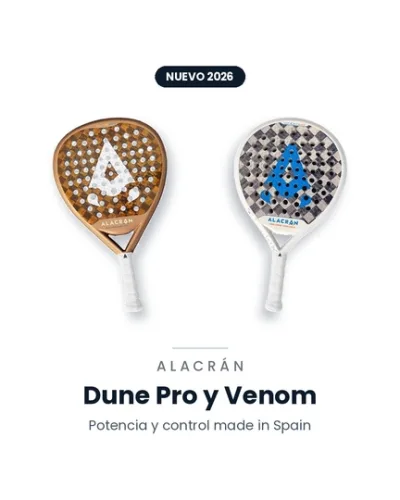
A round racket is not just for beginners: the Alacrán Venom is round with a low balance, but it is designed for advanced players who win points through control and precision.

An example of a hybrid: the Alacrán Dune Pro combines diamond and teardrop with a high balance: power to smash without fully giving up control.
Padel racket balance: low, medium or high ↑ index
Balance is the point where the racket’s weight is concentrated along its length: towards the handle (low balance), in the middle (medium balance) or towards the head (high balance). The higher it is, the more inertia and power; the lower, the more handling and speed.
Low balance: the racket moves quickly and is easier to control at the net and in defence. It usually goes with a round shape.
Medium balance: it shares handling and punch. It is the usual balance for teardrop and all-round rackets.
High balance: the head “pulls” the shot and gives more power on the smash, in exchange for asking more strength from the wrist and forearm. It is the balance of diamond rackets.
Moving up in balance before you have the technical base usually shows as more fatigue in the arm, not as a higher level of play. Total weight matters less than it seems: two rackets with the same weight feel very different if one has the balance in the head and the other in the handle.
Which padel racket to choose for your playing style? ↑ index
If your level is already settled, your playing style is what makes the final decision: players who win points by attacking and smashing are better off with a diamond or hybrid racket with high balance; those who build the point from defence and placement, with a round racket with low balance; and those who do a bit of everything, with a teardrop with medium balance.
Attacking player: smash, aggressive bandeja and deep volley. Diamond or hybrid shape, high balance and a stiff face so the racket drives the ball.
Control and defence player: lob, wall returns and placed balls. Round shape, low balance and a core with feel, so every ball goes where you want.
All-round player: you alternate defence and attack depending on the point. The teardrop with medium balance is the one that forces you to choose least.
Side of the court: the backhand-side player usually takes more smashes and the forehand-side player plays more for consistency; that is why the backhand player often looks for more power and the forehand player for more control. It is a tendency, not a rule.
Padel racket: fibreglass, carbon, EVA and foam ↑ index
On the racket face, fibreglass flexes more and gives comfort and control; carbon is stiffer and transmits more power, with more vibration. In the core, soft EVA and foam give comfort and ball output at low speed; hard EVA gives power when you hit hard, but asks more of your arm.
Fibreglass face: more flexible, more comfort on impact and less strain on the elbow and wrist. Common in beginner and intermediate rackets.
Carbon face: stiffer, more direct power and more precision on hard shots. Common in advanced and professional rackets.
Soft EVA core: more feel and a softer shot; the ball comes off easily even if you don’t hit hard.
Hard EVA core: more power and control on hard shots, in exchange for less forgiveness and more demands on the arm.
Foam core: a softer, lighter foam than EVA; it gives a lot of ball output and comfort, with slightly less control on hard shots.
Textured face: a rough finish helps you put spin on the ball; it doesn’t change power, but it does change how much the racket “bites” on slice.
There is no absolute “best” combination: the right one is the one that fits your level and what you want on court. Pairing a carbon face with a soft core, for example, is common precisely to soften a powerful racket.
Padel racket weight: FIP rules and the market ↑ index
The rules of the International Padel Federation (FIP) set no minimum or maximum weight for the racket. What they do limit is its dimensions: 45.5 cm total length at most, 26 cm wide and 38 mm thick, with the handle limited to 20 cm long and 50 mm wide and thick.
Maximum length, 45.5 cm: head and handle together. The maximum width of the head is 26 cm.
Maximum thickness, 38 mm: with a manufacturing tolerance of 2.5%.
Handle: up to 20 cm long and 50 mm wide and thick. You adjust the final thickness yourself with the overgrip.
Weight in shops: the rules do not limit it, so each brand lists the weight of every model on its product page. Beginner rackets tend to be lighter and advanced ones heavier, but that is a brand trend, not a rule: two models with the same shape can weigh differently.
We have been selling padel rackets since 2003, with a physical shop in La Nucía (Alicante). The FIP rules set no minimum or maximum weight for the racket, so the exact weight varies by brand and model and is shown on each product page. That is why in this guide weight comes after the three main factors, not before.
Which padel racket for elbow or shoulder pain? ↑ index
If you have elbow or shoulder pain, the best choice is a racket with a low balance, a soft core (soft EVA or foam) and a weight you can handle without effort: it absorbs vibration better and puts less strain on your arm with every shot. If the pain persists, see a healthcare professional: the racket helps, but it is no substitute for a diagnosis.
Soft core: soft EVA and foam absorb impact better than hard EVA.
Low balance: less weight in the head, less leverage on the elbow and wrist.
Fibreglass or flexible carbon face: more flex, less vibration reaching the arm.
Moderate weight and a good grip: a light racket you don’t have to squeeze too hard and an overgrip in good condition reduce tension in the forearm.
The most common mistakes when choosing a padel racket ↑ index
The most common mistake when choosing a padel racket is buying above your own level: a high-balance diamond racket in the hands of someone who doesn’t yet hit the centre takes away control, tires the arm and adds no real power.
Buying your favourite player’s racket: it is designed for their technique and physique, not yours.
Jumping straight to a diamond: better to go through a teardrop first; the change of sweet spot is less noticeable if it is gradual.
Choosing by weight alone: balance and shape change the feel in your hand more than ten grams either way.
Looking only at the brand or the design: two rackets from the same brand can be complete opposites; what counts is the technical sheet.
Forgetting the handle: a grip that is too thin or too thick makes you squeeze and loads the forearm; it is corrected with an overgrip.
2026 summary table: which padel racket for your level ↑ index
The three main factors together, in a single table:
| Level | Shape | Balance |
|---|---|---|
| Beginner | Round | Low |
| Intermediate | Teardrop | Medium |
| Advanced / professional | Diamond or hybrid | High |
The FIP rules set no minimum or maximum weight for the racket; the weight of each model is on its product page.
TEST: your padel racket in 4 questions ↑ index
Answer these 4 quick questions and we will tell you which type of racket suits you: shape, balance and the shop category where you can find it.
1. How long have you been playing padel?
2. How would you describe your technique?
3. What are you looking for in a racket?
4. Do you have elbow or shoulder pain?
Answer the 4 questions to see which racket suits you. (0/4)
Frequently asked questions: choosing a padel racket ↑ index
Which padel racket shape is best for beginners?
A round shape with a low balance. It has the largest, most centred sweet spot, forgives off-centre shots and puts less strain on the arm while you build your technique.
Is the weight of a padel racket limited by the rules?
No. The FIP rules limit the racket’s dimensions (45.5 cm long, 26 cm wide and 38 mm thick at most), but they set no minimum or maximum weight. The range you see in shops is a market convention.
What is the difference between a fibreglass and a carbon padel racket?
Fibreglass flexes more and gives more comfort and control; carbon is stiffer and transmits more power, with more vibration on impact. The choice depends on your level and on whether you want comfort or punch.
Which padel racket should I choose if I have tennis elbow or arm pain?
A racket with a low balance, a soft core (soft EVA or foam) and a weight you can handle without effort. If the pain persists, see a healthcare professional.
Can I go straight from a round racket to a diamond one?
You can, but the sweet spot moves up and gets smaller, so you need some time to adapt. The change is less noticeable if you do it gradually, going through a teardrop first.
Which balance should I choose if I want more control than power?
A low or medium balance. It puts less weight in the head, so the racket is easier to handle and you have more reaction time at the net and in defence.
How do I know my playing level to choose a racket?
As a guide: if you are still trying to hit the centre consistently, beginner. If you master the basic shots and play matches regularly, intermediate. If your volley, bandeja and smash are solid and you compete, advanced.
Are there padel rackets specifically for women?
The rules do not distinguish rackets by sex. Those sold as “women’s” rackets are usually lighter or have a lower balance; what really matters is level, shape, balance and a weight you handle comfortably.
Does a soft or hard EVA core make a big difference?
Yes, almost as much as the shape. Soft EVA gives more feel and ball output at low speed; hard EVA gives more power and control on hard shots, with less margin if the shot is not well centred.
How often should you change your padel racket?
There is no fixed period. It is worth changing it when it loses stiffness and the ball comes off “dead”, when it has cracks in the frame, or when your level has gone up and the racket no longer keeps up with you.
Padel racket glossary ↑ index
Our verdict: how to get your padel racket right ↑ index
If you take just one idea from this guide, let it be this: level comes before shape, and shape comes before balance. Choosing by brand or by the model a professional player uses, without first looking at these three factors, is the most common way to end up with a racket that hits hard but is hard to handle. And weight comes last: no rule limits it and it varies more by brand than by level.
Updated on 13/10/2026. Tienda Padelpoint guide to choosing a padel racket by level, shape, balance, playing style, materials and weight, with the maximum dimensions set by the FIP rules.
A practical rule: better a racket slightly below what you “can handle” than one that forces you to make up with your arm for the technique you still lack. You have all the shop’s padel rackets with their filters, and if you would rather we advise you, write to us and we will help you choose yours. Thanks for reading and see you on court!