

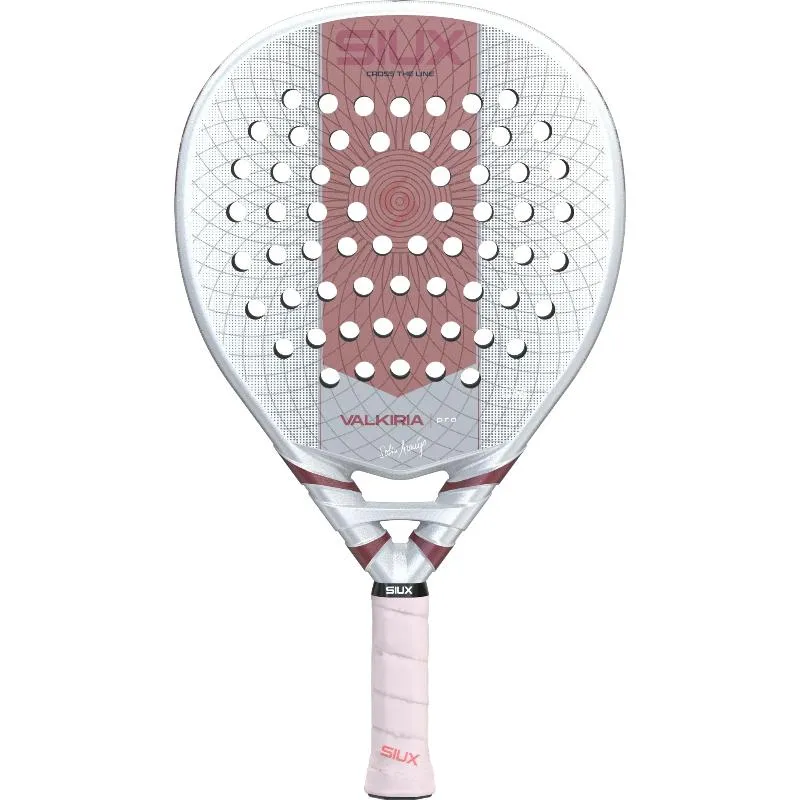
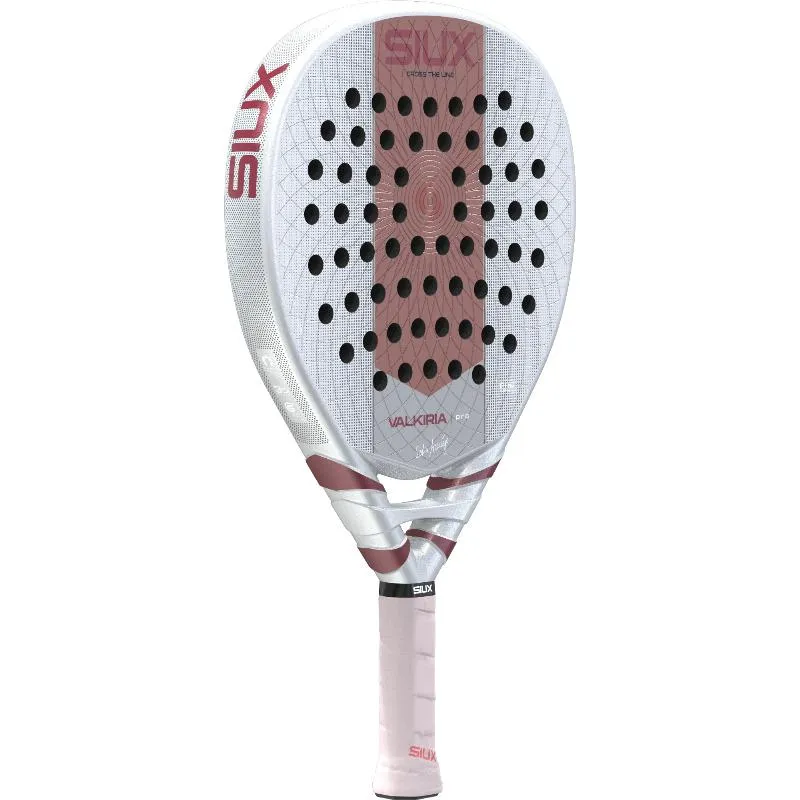
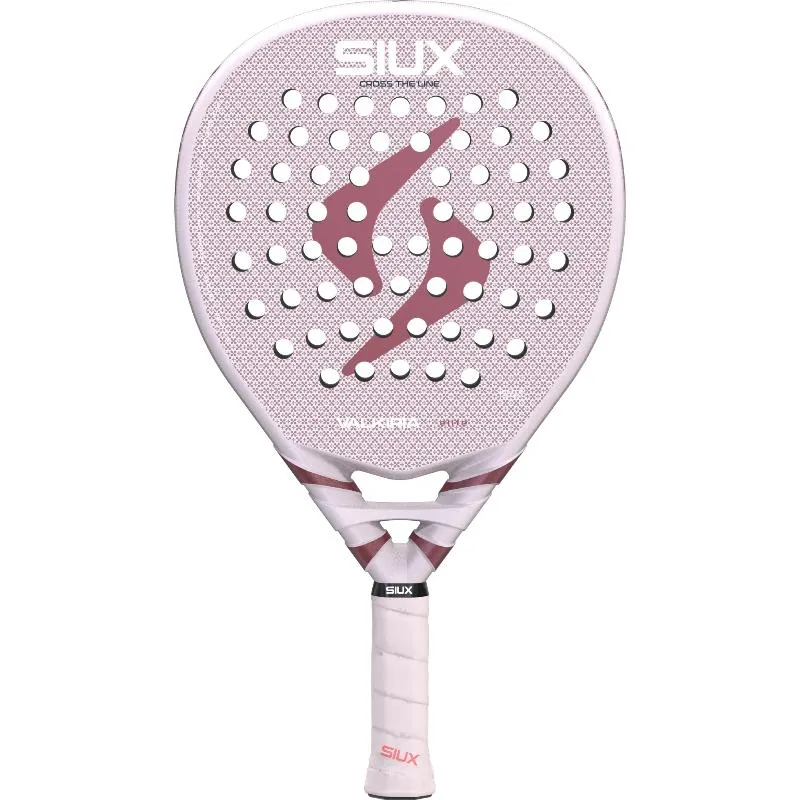
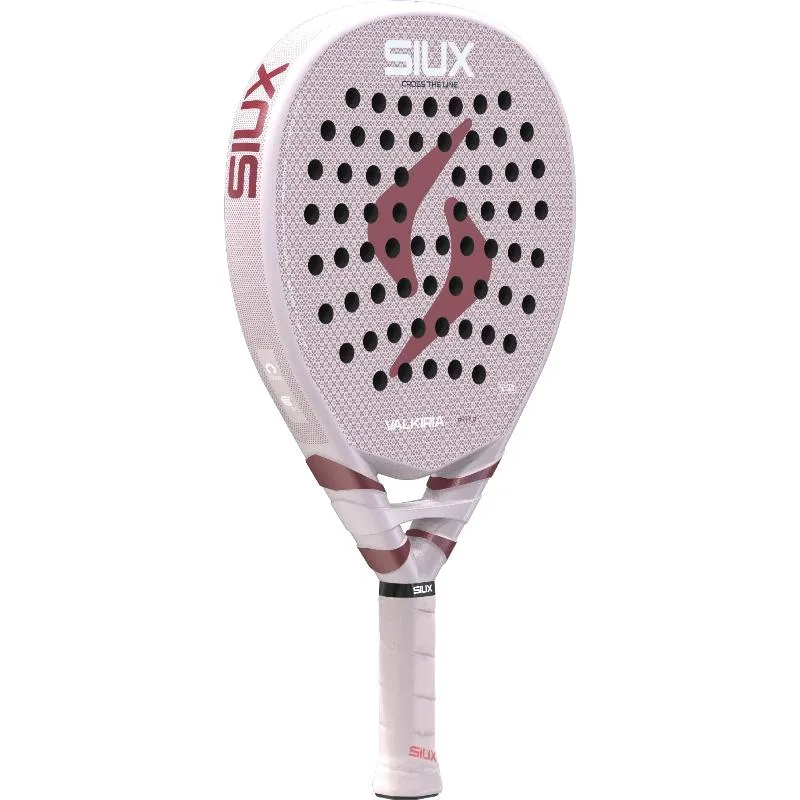
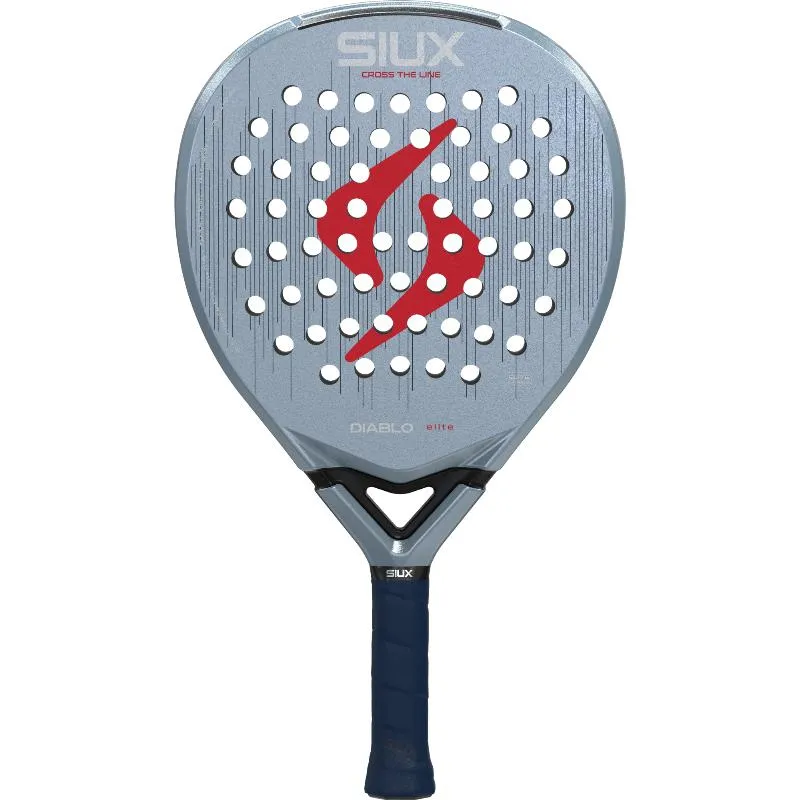
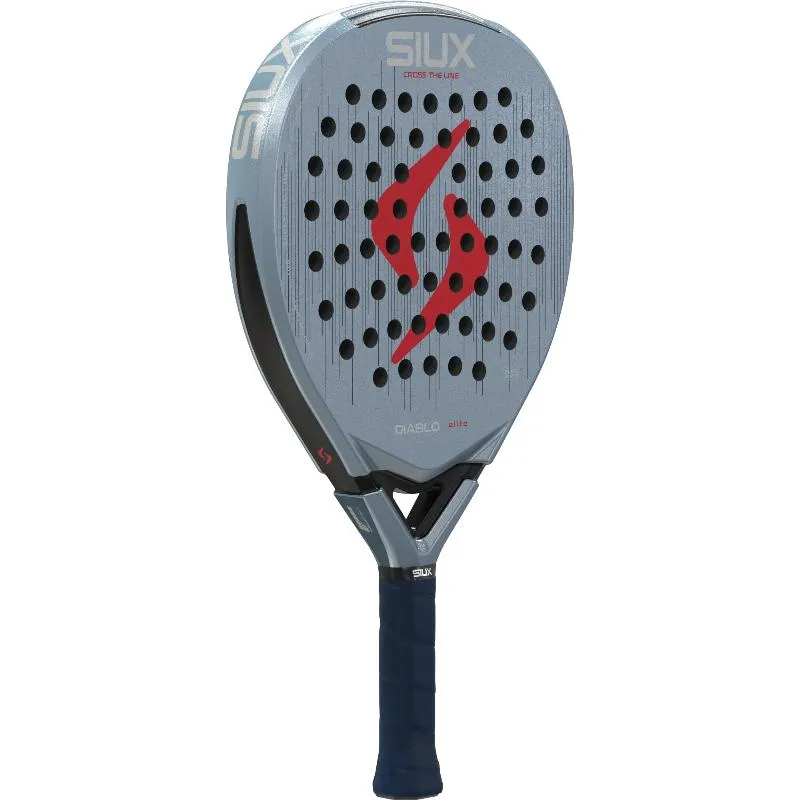
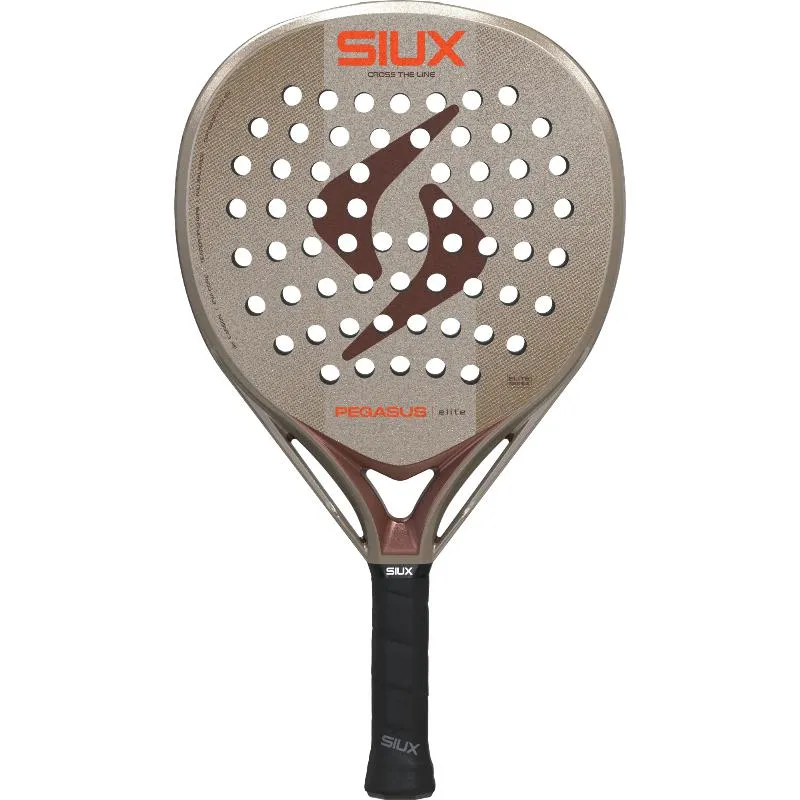
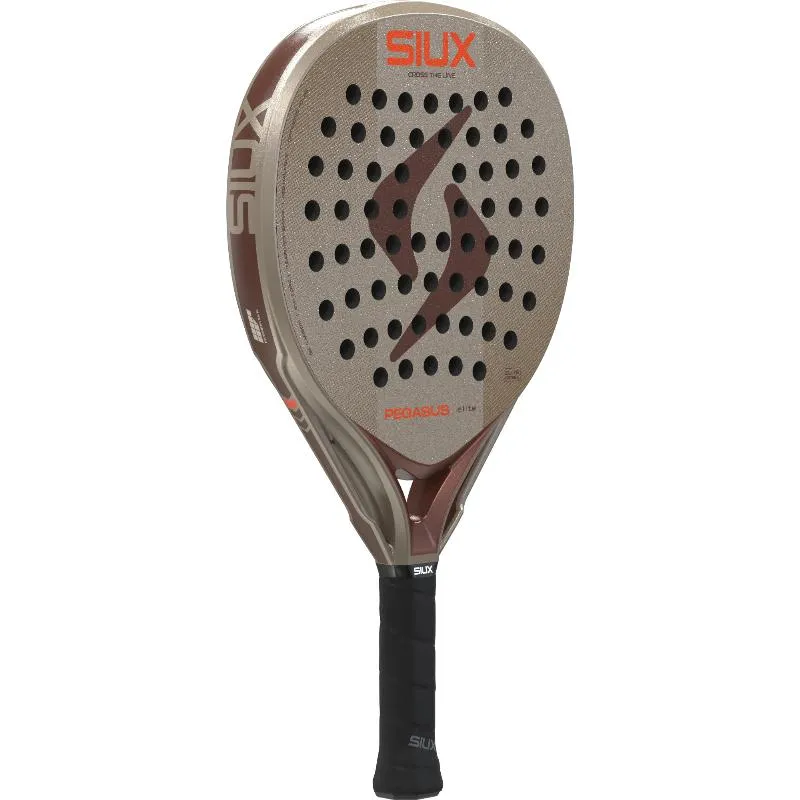
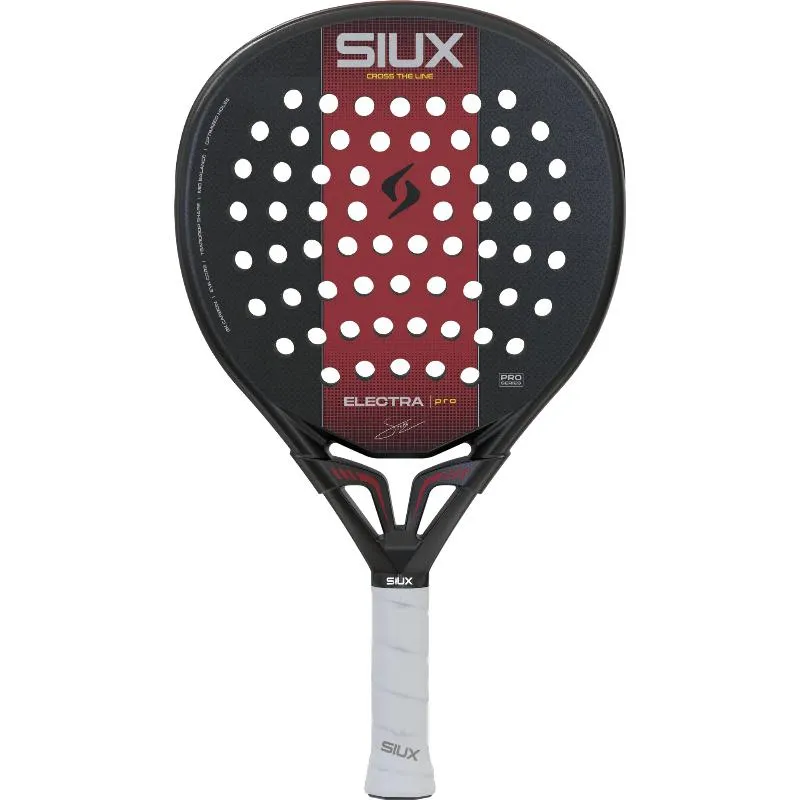
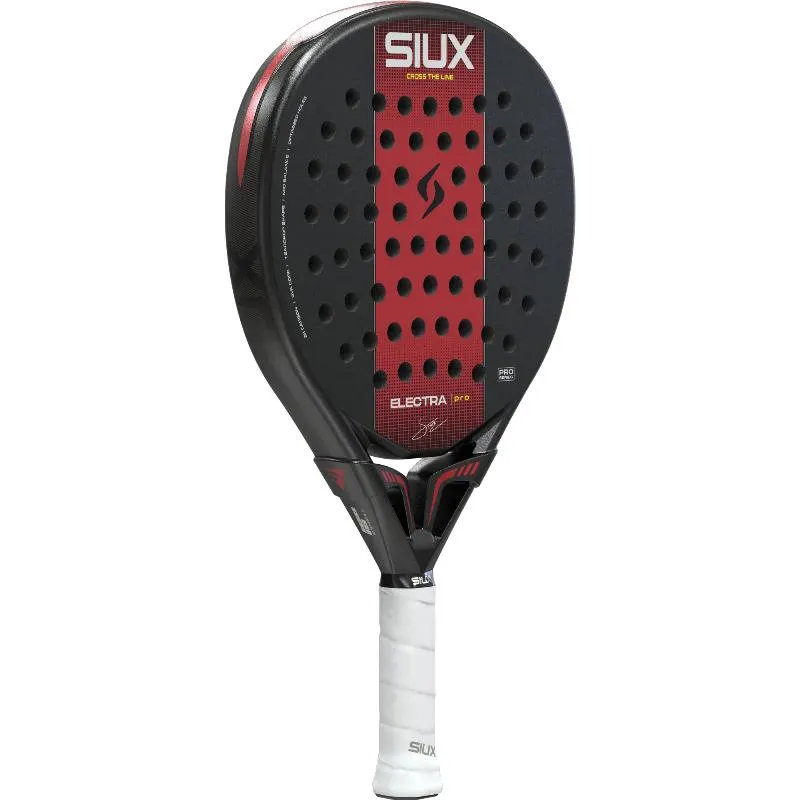
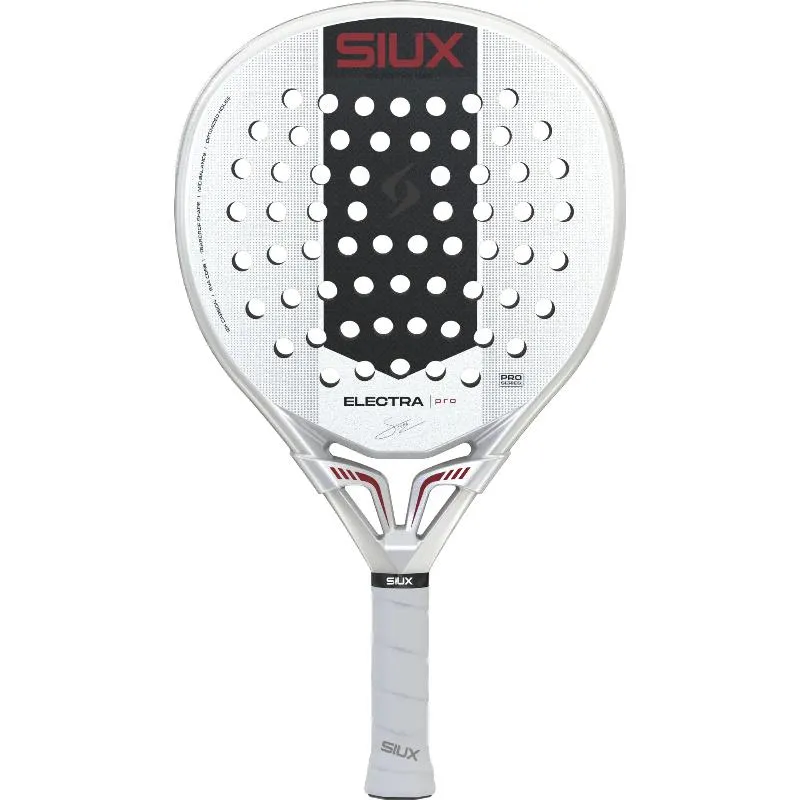
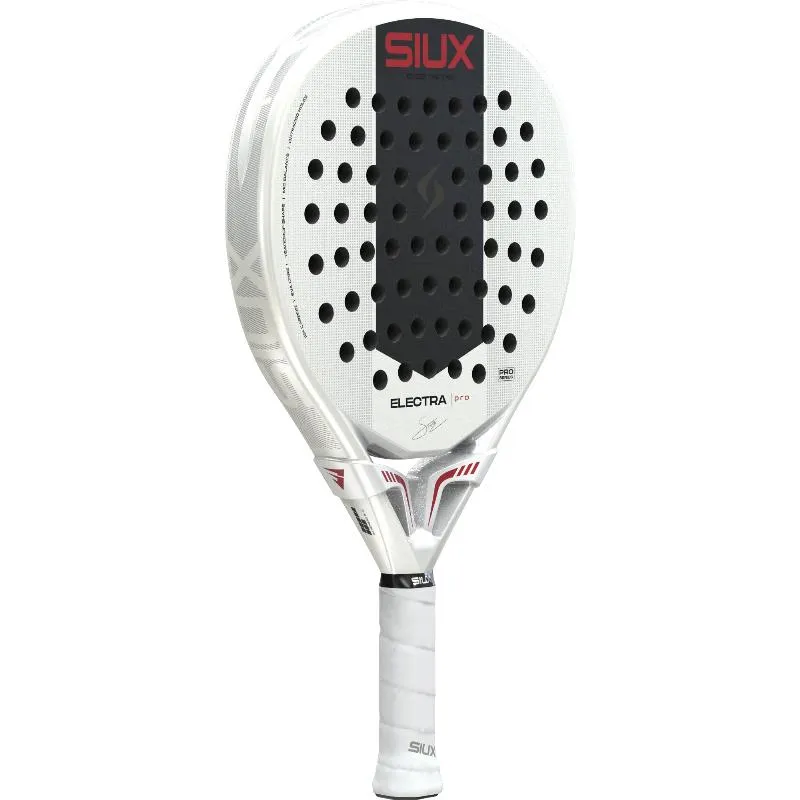




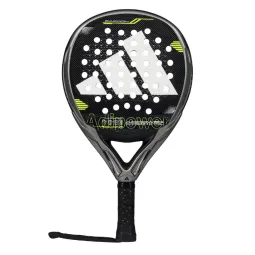
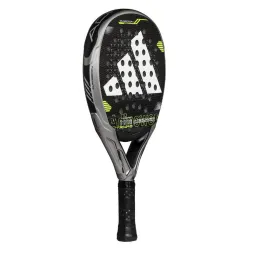
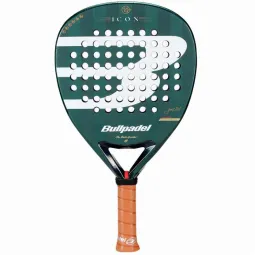
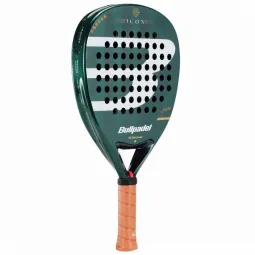
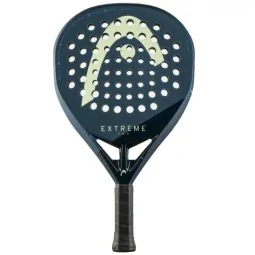
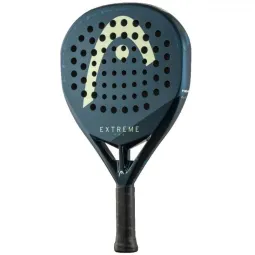
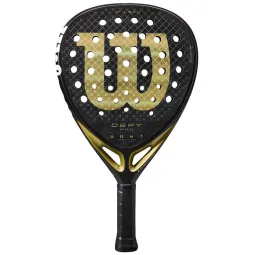
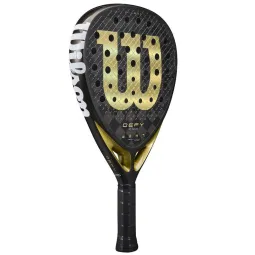

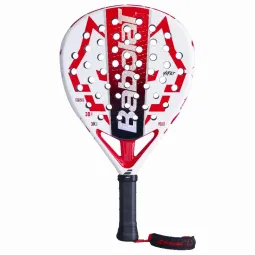
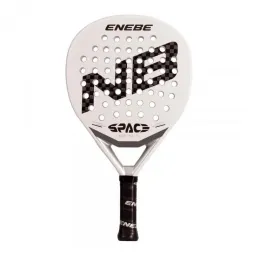
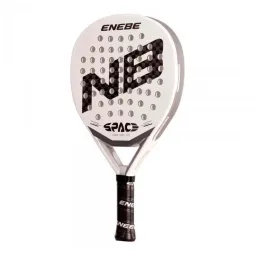
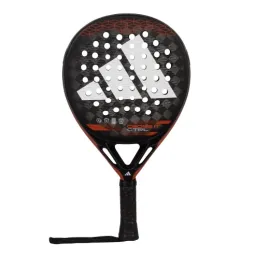
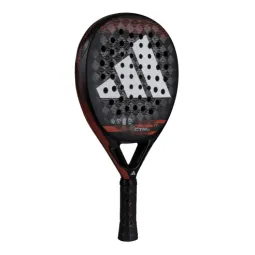
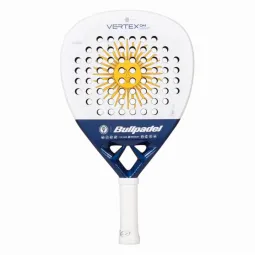
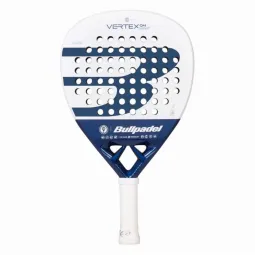



Many parents search for "junior padel racket size" expecting an official age chart, like the ones for clothing or shoes. There isn't one: the padel rulebook sets a single maximum racket size for everyone, with no children's category. All the gear is in our padel rackets category.
What does exist is a practical criterion, based on how brands themselves stage their junior ranges: a smaller, lighter racket for beginners, moving progressively closer to an adult racket for those who already compete.
How big is a junior padel racket?
- Official size: there's no junior size in the rulebook; the maximum (45.5 cm x 26 cm x 38 mm) is the same for adults and children.
- "Junior" is a commercial range: each brand decides the weight, balance and core hardness to suit a child, not a rule.
- 3 age steps (our own in-house criterion, not official): starters under 8, a child already playing regularly, and a teenager who competes.
- No manufacturer publishes the exact weight in grams of its junior rackets: we explain why they weigh less, without inventing a figure.
- 5 junior rackets in stock today, one per step and brand, to compare at a glance.


Summary: what a junior racket measures (and doesn't) ↑ menu
A "junior" racket isn't an official size: it's a shorter, lighter range with a softer core that each brand designs so a child can move it comfortably. The rulebook allows the same maximum size —45.5 cm long, 26 cm wide and 38 mm thick— at any age; what changes in the junior range is the weight and core hardness, not the outer dimensions.
Why there's no official junior size ↑ menu
The padel rulebook sets maximum measurements —not minimums, and not by age— for any racket: 45.5 cm long, 26 cm wide and 38 mm thick. There's no second chart for children.
That's why, when a brand calls a racket "junior", it isn't applying a rule: it's making a design decision so a child can control it. In practice, that means three things you can actually compare spec to spec: lower weight (though almost no manufacturer publishes the exact figure), lower balance (weight distributed towards the handle, not the head), and a softer EVA rubber core, which is more forgiving on off-centre hits. You can see the full range of padel rackets with real stock at the shop and compare by brand and level.
The 3 age steps (our own criterion, not official) ↑ menu
With no official chart to go by, this is the criterion we use in the shop, based on how the brands themselves stage their junior ranges:
Starters, under 8: a very light racket, a wide sweet spot and forgiving on off-centre hits. Real example in stock: the Babolat Alioth Mini Junior 2025, the only one of the five with the age stated on its own official spec sheet ("under 8").
A child already playing regularly (roughly 8-12, our own editorial criterion, not a rule): a "standard" junior racket, closer in size to an adult racket but lighter and with a soft core. Real examples in stock: the Babolat Alioth Junior 2025 and the Vibora Titan Classic Blue Junior 2026.
A teenager who competes or takes it seriously: a high-end junior racket, with materials and feel closer to an adult racket. Real examples in stock: the Babolat Alioth Pro Junior 2025 and the Alacrán Mystic Junior.
This three-step scale is our own in-house criterion, based on how the brands themselves — Babolat, with its Mini/Junior/Pro trio, being the clearest example — segment their junior range. The only official rule is the one from the previous section: the same maximum size for everyone.
The 5 junior rackets in stock today ↑ menu
Not one spec sheet, not even these five, publishes the exact weight or length in centimetres: that's why we compare by age step, frame, core and balance, which are confirmed on every official spec sheet.
| Racket | Step | Frame | Core | Balance |
|---|---|---|---|---|
 Babolat Alioth Mini Junior 2025 |
Starters (under 8) | Carbon + fibreglass | EVA rubber | Low |
 Babolat Alioth Junior 2025 |
Already playing (roughly 8-12) | Fibreglass | EVA rubber | Low-medium |
 Babolat Alioth Pro Junior 2025 |
Competing teenager | Fibreglass + Carbon Flex Technology | Soft EVA rubber | Medium |
 Vibora Titan Classic Blue Junior 2026 |
Already playing (roughly 8-12) | Carbon + fibreglass | Soft EVA rubber | Medium-low |
 Alacrán Mystic Junior |
Competing teenager | C-Bone Single Tube carbon tube | Soft UK professional rubber | Medium |
- Brand: Babolat
- Model: Alioth Mini Junior 2025
- Core: EVA rubber
- Balance: Low

- Brand: Babolat
- Model: Alioth Junior 2025
- Core: EVA rubber
- Balance: Low-medium

- Brand: Babolat
- Model: Alioth Pro Junior 2025
- Core: Soft EVA rubber
- Balance: Medium

- Brand: Vibora
- Model: Titan Classic Blue Junior 2026
- Core: Soft EVA rubber
- Balance: Medium-low

- Brand: Alacrán
- Model: Mystic Junior
- Core: Soft UK professional rubber
- Balance: Medium

Frequently asked questions ↑ menu
What size is a junior padel racket?
There's no specific junior size: the rulebook sets a maximum of 45.5 cm long, 26 cm wide and 38 mm thick, the same for adults and children. Junior rackets move within that same limit (starter models are a touch shorter) and vary mainly in weight and core hardness, not outer size.
Is there an official size for a kids' racket?
No. The padel rulebook doesn't set age categories: the maximum size is the same for any player. "Junior" is a commercial name each brand uses for its children's range, not an official size.
From what age can a child use an adult racket?
It depends more on strength and height than an exact age. As a rough guide: up to age 8, a very light starter racket; roughly 8 to 12, a standard junior racket; from there, if they already compete, a high-end junior or, in some cases, a light adult racket.
What's the difference between a Mini Junior, Junior and Pro Junior racket?
It's a progression step used by several brands (Babolat is the clearest example in our shop): the Mini Junior is the lightest, designed for under-8s; the standard Junior drops some weight compared with an adult racket; and the Pro Junior is the high-end model, with materials closer to an adult racket for a player who already competes.
How much does a junior padel racket weigh?
None of the junior rackets in stock today has its exact weight in grams on the official spec sheet: manufacturers only say they're "lighter" or "reduced weight". That's why we don't give a per-product figure without checking it; what is certain is that they weigh less than their adult equivalent, and weight drops the lower the age step.
How do I know which junior step suits my child?
By rough age and whether they already compete: starters for under 8, standard junior for a child playing regularly, and junior Pro for one taking tournaments seriously. If in doubt between two steps, the lighter racket is the safer choice: it's easier to control and lighter on the arm.
Can a child play with an adult racket if it's light?
They can, but it isn't the best starting point: even if the weight is similar, the balance and core thickness of an adult racket are built for more power, not easier control. A high-end junior racket is usually a better choice than a "light" adult racket for a player who's still growing.
Quick glossary ↑ menu
Tienda Padelpoint's verdict ↑ menu
If you take away just one idea from all this, make it this one: a junior racket's size isn't an official measurement, it's a weight and core-hardness decision each brand adjusts by age.
And if you take away two, the second is that when in doubt between two steps, go for the lighter racket: it's easier to control, lighter on the arm, and moving up a step once the weight stops feeling like an effort is easier than moving down from a racket that's too heavy.
We've been selling padel rackets from our physical shop since 2003, and with the youngest players the rule that works best is a simple one: first make sure the racket moves on its own, then worry about hitting hard.
If your child plays competitively in Great Britain, the LTA (Lawn Tennis Association) is the body to ask about junior padel events. Tienda Padelpoint ships padel gear to the UK from La Nucía (Alicante).