






















































































Guia de Padel - PadelPoint
Body gestures to anticipate padel shots
Detecting body language clues in padel opponents
In padel, the ability to anticipate your opponent's shots is a key factor for top performance on the court. Body gestures are an endless source of information: from footwork to racket position, every detail can make the difference between winning or losing a point. Understanding and practicing body language reading in padel allows you to get ahead of the play and optimize both your defensive and offensive reactions.
To reach the highest level, it's not enough to master technique or have the best gear, such as the latest padel rackets. It's essential to analyze your opponent, interpreting both their pre-shot routines and the micro-expressions and posture changes that signal their intentions.

The importance of anticipation in modern padel
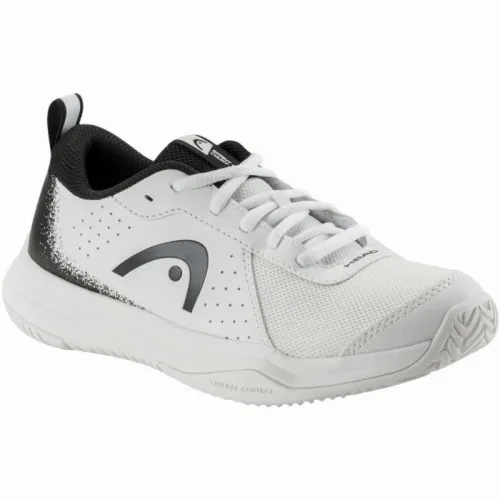
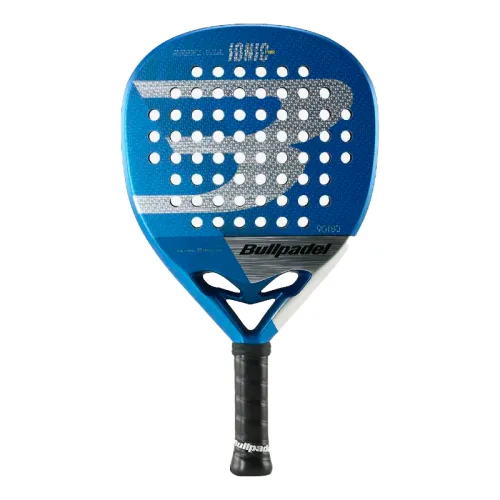
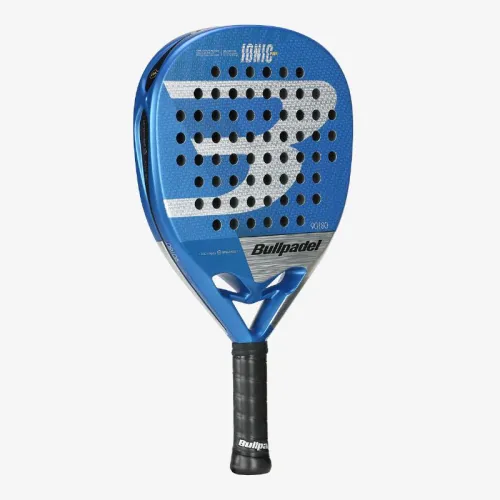
Anticipation is especially relevant against rivals using high-performance rackets, like those from Adidas or Bullpadel, where speed and spin variety force you to quickly read their intentions. Also, the right equipment, like specific padel shoes, can boost your reaction ability to these anticipatory gestures.

How do feet and body position influence anticipation?
The first clue to look for is your opponent's foot orientation. A player pointing their feet towards the side wall will likely try a cross-court shot, while a wider stance indicates a parallel shot. The body's position-more forward or backward-also reveals if they're preparing for an attacking or defensive shot.
The role of flexion and balance
An opponent who bends their knees and lowers their center of gravity is usually ready for a powerful shot. Meanwhile, an upright stance signals less readiness for an aggressive shot. This type of reading is crucial at both the net and the back of the court.
Wearing comfortable and technical padel apparel helps you replicate and better understand these positions during practice.

What do grip and racket preparation indicate?
The way the rival holds their racket reveals a lot about the shot they're about to make. A continental grip usually announces a volley or flat shot, while a more closed grip signals a topspin or spin shot.
Racket movement before impact
Watching the racket's backswing helps you guess if the rival will hit a smash, a bandeja, or a drop shot. If the racket drops well before hitting, they're likely aiming for spin or a low wall shot.
Remember, some players use padel accessories like overgrips or wristbands to improve control and avoid slipping, which also influences shot anticipation.

How do facial expressions and pre-shot rhythm affect play?
Subtle facial micro-expressions can also reveal a player's intention. A fixed gaze at the glass may precede a drop shot or special play. The rhythm before the shot-like body swaying or small jumps-often signals an explosive action such as a smash or net approach.
Reading non-verbal communication in high-level matches
In professional tournaments, reading gestures becomes a fundamental tactical tool. Experience and match analysis will help refine your anticipation skills, especially if you study players who have optimized their body language with brands like Head or Black Crown.
What tips help improve gesture reading in padel?
To improve your anticipation and gameplay, we recommend:
- Watching match videos and analyzing professionals' body language.
- Practicing fast reaction and response drills with partners.
- Using different types of padel balls to get used to various speeds and trajectories.
- Attending outlet events to observe varied playing styles and learn from every situation.


At TiendaPadelPoint we offer the best products and advice so you can keep growing as a player, adapting your equipment and tactical vision to every match.
Padel Guide: Technical Knowledge and Game Experience Applied
tiendapadelpoint · Padel authority, gear and performance @ Copyright 2026
