


















































































Guia de Padel - PadelPoint
Body posture guide in padel and discomfort prevention
Optimizing body posture in padel for efficient play
Padel is a demanding sport that, if played incorrectly, can cause discomfort and injuries. Therefore, body posture is key for both beginners and advanced players. Adopting proper posture not only impacts performance but is essential for preventing discomfort and ensuring sporting longevity.
In this article, you'll discover how to adopt a proper posture, recommendations for avoiding pain, and how to choose the most ergonomic gear, such as padel shoes and padel clothing that contribute to physical well-being during the game.
Importance of warming up and joint mobility
Before delving into posture, it's crucial to highlight the need for proper warm-up. Joint mobility exercises and pre-game stretching reduce stiffness and prepare muscles and joints for padel's intensity, minimizing the risk of discomfort.
Enhance your equipment with the right padel accessories, such as wristbands, knee braces, or support straps, which can help stabilize vulnerable joints and reduce injury risk.
How does posture influence injury prevention in padel
Correct body technique is the best shield against common padel injuries such as epicondylitis, lower back pain, or muscle overloads. Keeping your back straight, slightly bending your knees, and distributing your body weight evenly are the three basic pillars.
Most common posture mistakes in padel
- Hunching shoulders and losing stroke mobility.
- Excessively bending the spine when crouching.
- Playing with straight legs, losing reaction and speed.
Playing with the right padel rackets and a padel bag that lets you carry equipment comfortably also helps maintain a healthy posture on and off the court.
Which exercises help maintain optimal posture in padel
The key is to strengthen the core, glutes, legs, and shoulders. Proprioception exercises, squats, planks, and thoracic mobility work are essential for maintaining postural control.
Basic routine for healthy padel
- Front and side planks for the core.
- Squats and lunges for legs and glutes.
- Thoracic rotations and shoulder mobility.
- Posterior chain stretching after matches.
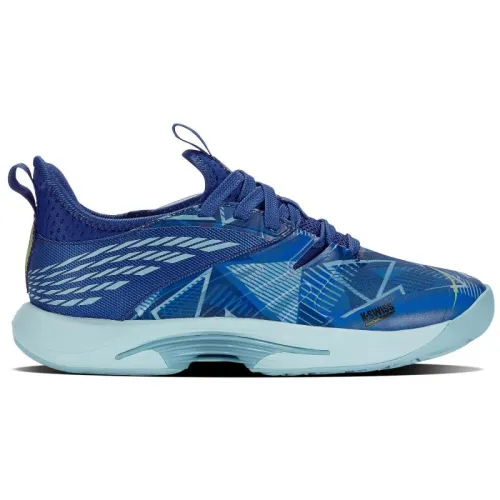
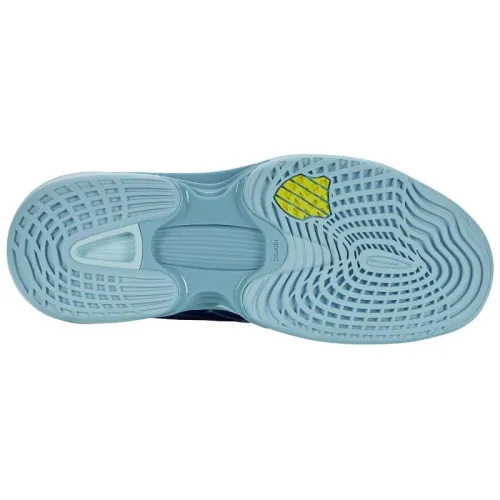
Using quality padel balls and specific footwear helps prevent unwanted slips and twists.
Which materials and brands promote ergonomics and reduce discomfort
Choosing the correct gear is as important as technique. Brands such as Adidas, Asics, Head or Nox offer products designed for support and comfort.
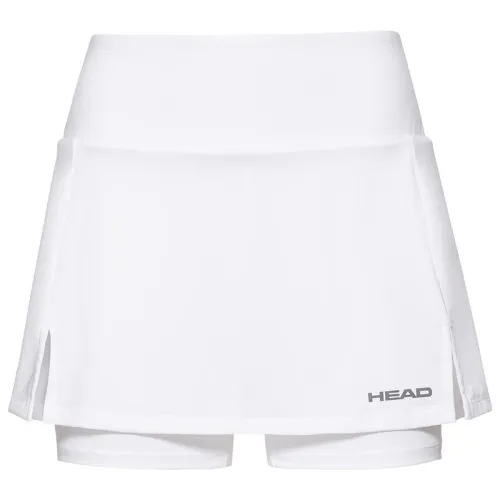
Additionally, wearing padel clothing that's breathable and ergonomically fitted minimizes chafing and improves freedom of movement, key for correct posture throughout the match.
Which accessories are useful for prevention
- Wristbands and elbow pads.
- Ergonomic insoles.
- Rackets with integrated anti-vibration systems.
- Support straps and lumbar belts.
How to adapt posture according to stroke type and level
Not all players have the same build or experience. Beginners tend to overload their backs and make postural errors due to lack of knowledge, while advanced players seek to optimize every technical gesture.
Posture during the smash, volley, or serve should adapt to each game situation. For example, in the volley, it's essential to keep knees slightly bent and the racket at chest height, while during the smash, weight transfer and body alignment are key to avoiding shoulder or elbow discomfort.
Always check the new arrivals in ergonomic products and follow professional advice to perfect your technique.
Tips for maintaining posture during the match
- Check your posture before each point.
- Take breaks to stretch if you feel discomfort.
- Use equipment suited to your level and needs.
Remember, at TiendaPadelPoint you'll find expert advice and all the gear you need for health and performance to always go hand in hand.
Padel Guide: Technical Knowledge and Game Experience
tiendapadelpoint · Authority in padel, gear and performance @ Copyright 2026
