

























Guia de Padel - PadelPoint
When to change pace in advanced padel
The tactical importance of changing pace in advanced padel
In advanced padel, managing the pace during a match becomes a decisive tactical tool. A well-executed change of pace can surprise your opponent, break their rhythm, or force unforced errors. This strategy involves alternating the speed, intensity, and height of shots, as well as the time between points, to affect the opponent's perception and decision-making.
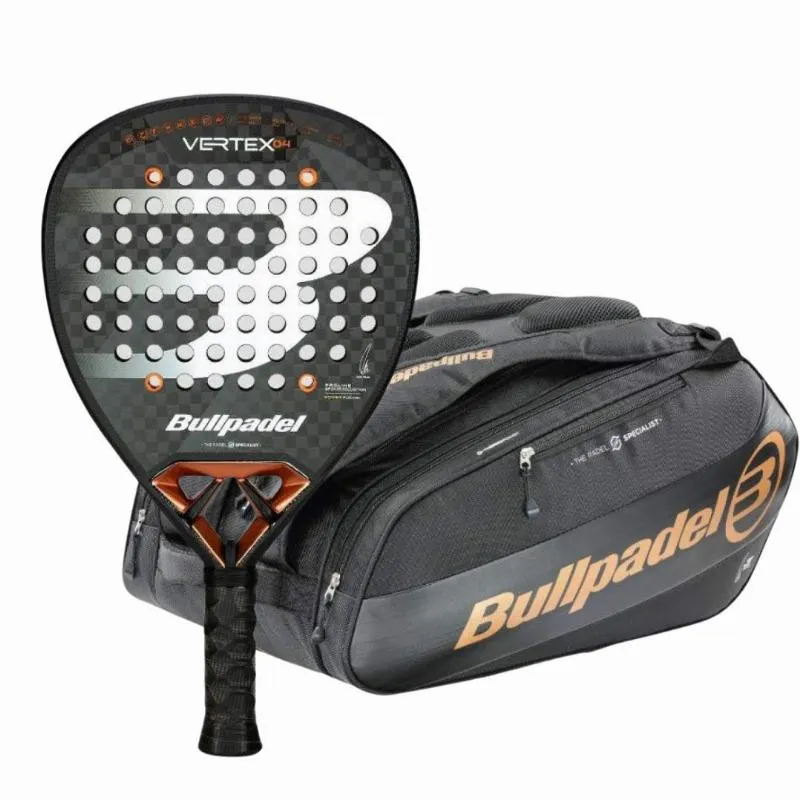
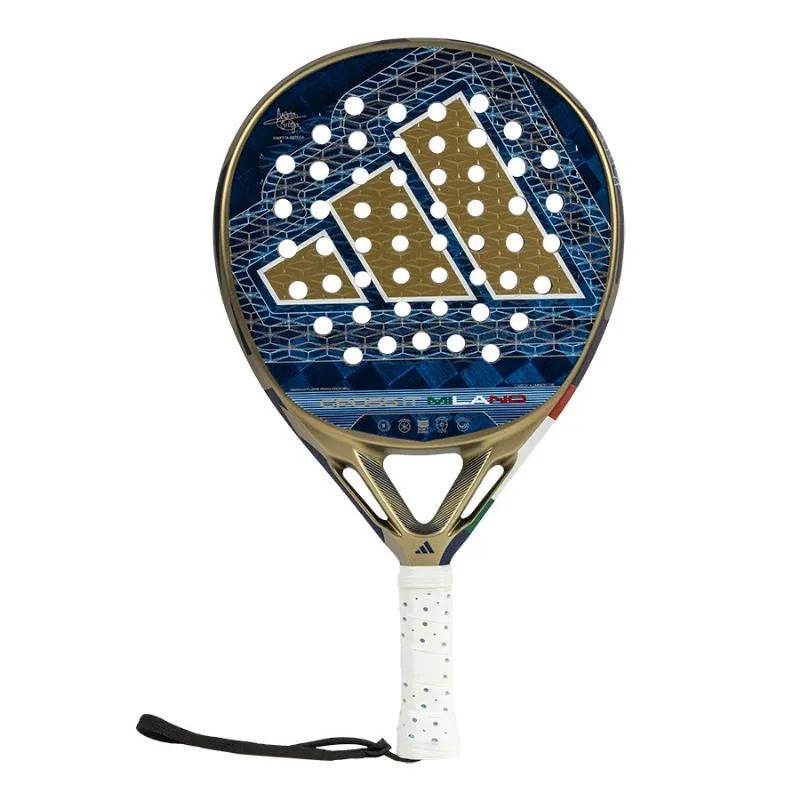
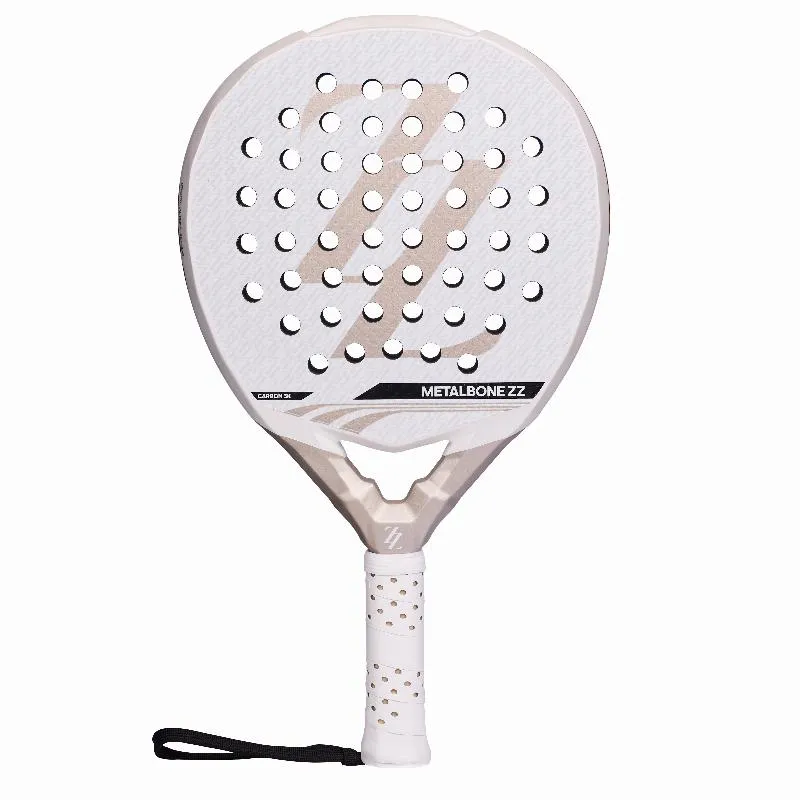
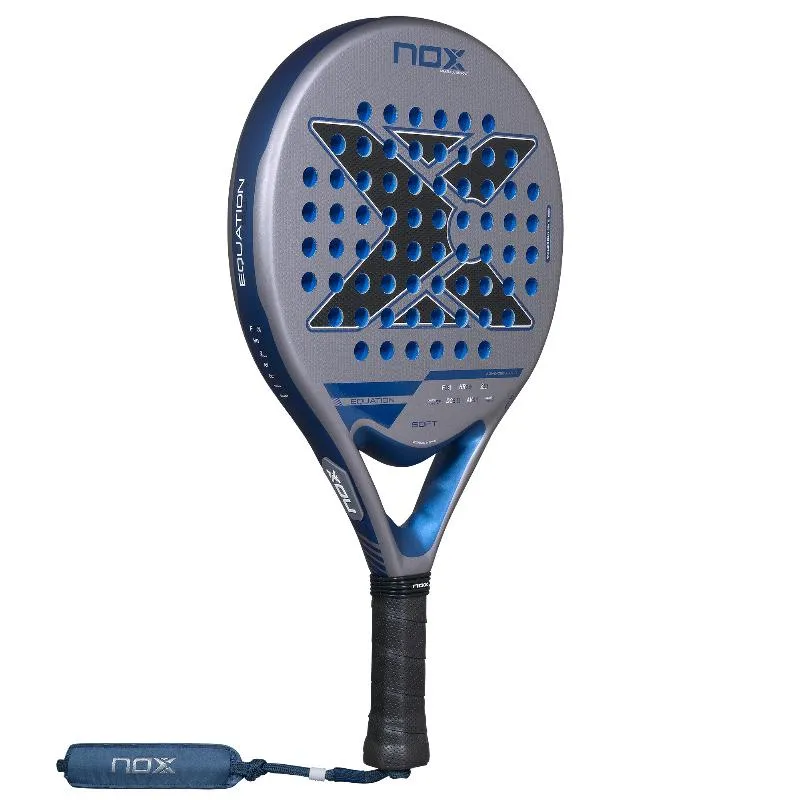
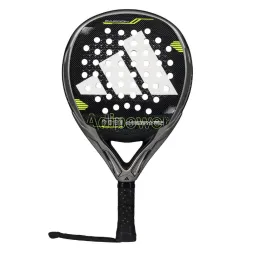
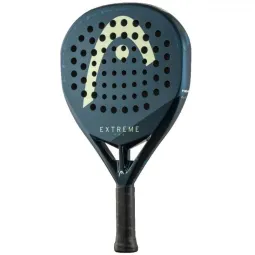
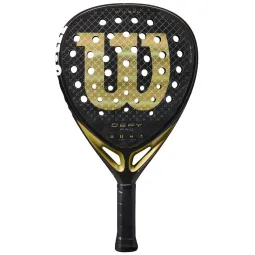
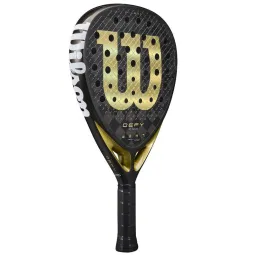
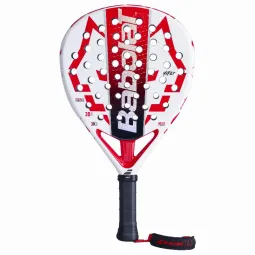
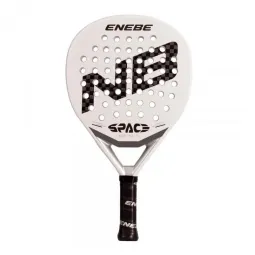
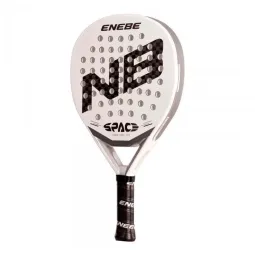
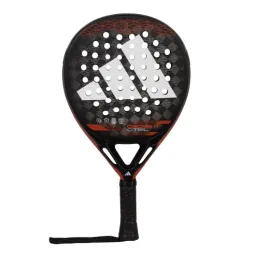
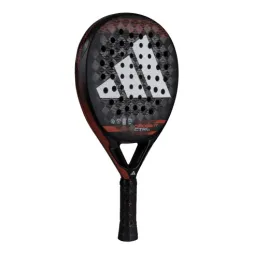
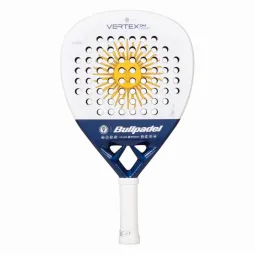
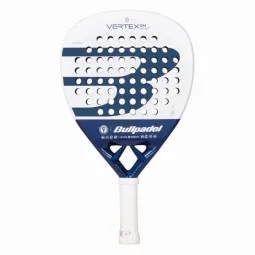
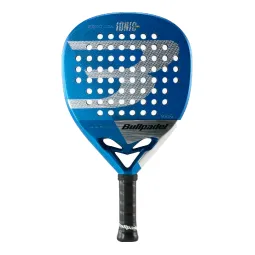
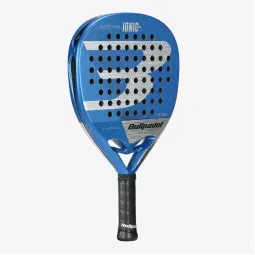
The ability to interpret the ideal moment to vary the pace depends on both reading the game and knowing your own strengths and weaknesses. Moreover, having the right equipment, such as padel rackets suited to your style and choosing quality padel balls, is key for executing these variations precisely.
Why is pace change so important?
Padel is a game of strategy, and controlling the pace can be as decisive as technical mastery. When both players or pairs are technically matched, small details make the difference. Changing pace serves both to destabilize and to create attacking opportunities.
In accessories you can find elements that help maintain control and comfort during the match, facilitating more effective execution at different game speeds.
What are the ideal moments to change pace in advanced padel?
1. When your opponent is comfortable: If you notice your opponent easily returns every shot and maintains initiative, it's time to alter the pace. A sudden change can cause them to make mistakes or lose the initiative.
2. When you detect fatigue in your rival: In long matches, fatigue can take its toll. Use these moments to accelerate the pace, forcing your opponent to make quick and possibly wrong decisions.
3. In defense-to-attack transitions: A change of pace when switching from defense to attack can create gaps in your opponent's tactics. For example, after a defensive lob, surprise them with a powerful volley.
4. Regaining control after a negative streak: If your opponent has won several points in a row, varying the pace can break their momentum and help you regain confidence and control of the game.
The role of anticipation and game reading
Anticipation is crucial for determining the exact moment to change pace. Advanced players observe not just the scoreboard but also body language, breathing, and the quality of the opponent's shots.
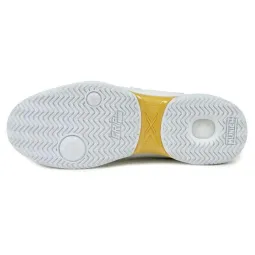
Using technical padel clothing and appropriate padel shoes helps maintain the physical freshness and mental agility needed to execute these changes.
What types of pace changes are there and how are they applied?
Changing pace isn't just about hitting harder or softer. It can be applied in various forms:
- Ball speed: Hitting faster or slower to disorient the opponent.
- Height and depth: Alternating lobs with low, deep balls.
- Change in game cadence: Taking more or less time between points.
- Variation in spin: Playing with sliced or topspin shots to change trajectory and bounce.
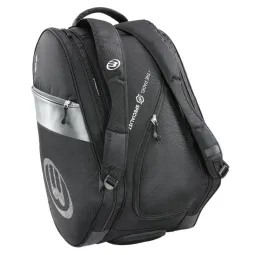
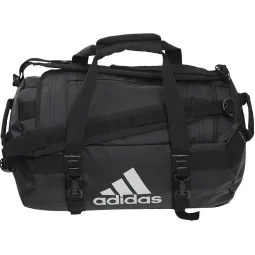
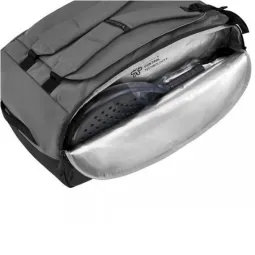
Choosing the right racket bags and suitable accessories lets you carry all the gear needed to adapt to different game situations and pace changes.
Common mistakes when trying to change pace
One frequent mistake is to change pace predictably, which can give the opponent an advantage. It's also common to accelerate without control, losing precision and increasing unforced errors.
Another usual error is forgetting communication in pairs. Changing pace should be agreed upon and executed together to avoid mismatches and defensive gaps.
How to train pace changes for advanced padel
Specific training is essential for mastering pace changes. Control and precision exercises, as well as practice matches with tactical objectives, help internalize the alternation of speeds and spins.
Working with well-known brands like Adidas or Bullpadel, which offer high-tech padel shoes and padel clothing, allows you to develop more intense and high-quality training sessions, making it easier to assimilate these advanced tactics.
The importance of equipment in changing pace
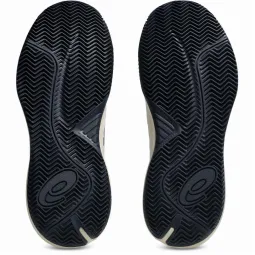
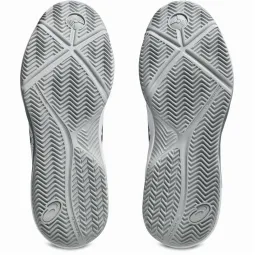
Using padel shoes with good grip and rackets adapted to your characteristics can make the difference when executing effective pace changes.
If you're looking for the latest new arrivals in gear, TiendaPadelPoint offers an exclusive selection of products from top brands like Nox, Head or Wilson, helping you take your game to the next level.
How often should you change pace during an advanced match?
There's no fixed rule for the exact number of pace changes in an advanced match. The key lies in reading the game and being adaptable. However, high-level players tend to alternate the pace depending on:
- The score and psychological moment of the match
- Their own and the opponent's physical sensations
- Court and environmental conditions
- The pair's dynamics
It's important not to overuse this tool to avoid becoming predictable. Variety and surprise are allies of the advanced player.
Final tips for mastering pace change
Changing pace is one of the most effective weapons in advanced padel, as long as it's done intelligently and with preparation. Practice in your training, use suitable gear, and stay alert to your opponent's signals.
At TiendaPadelPoint you can find everything you need to perfect your tactics and enjoy padel with maximum confidence.
Padel Guide: Technical Knowledge and Applied Game Experience
tiendapadelpoint · Authority in padel, equipment and performance @ Copyright 2026