



















































































Guia de Padel - PadelPoint
How often should silica sand be changed on a padel court?
When to change the silica sand on a padel court? Ideal frequency for professional maintenance
Silica sand is a key component in the maintenance of padel courts with artificial grass. Its function is multiple: it provides surface stability, improves cushioning, protects the turf fibers and ensures a regular ball bounce. But how often should silica sand be changed to guarantee optimal performance and prolong the life of the court? In this TiendaPadelPoint article, we give you the keys to professional maintenance.

Factors influencing sand change frequency
The optimal frequency for changing silica sand depends on several factors:
- Intensity of use: Courts used daily or in clubs require more attention.
- Weather conditions: Rain, wind or strong sun can drag or degrade the sand.
- Type of artificial grass: The height and density of the fibers also influence sand retention and wear.
- Periodic maintenance: Good brushing and redistribution delay the need for a full change.
In general, it is recommended to check the condition of the sand every 6 months and consider a full replacement every 2 to 4 years, although in high-use facilities it may be necessary sooner.
What signs indicate that the silica sand should be changed?
Detecting the need to change the sand in time is essential to avoid problems in play and safety. Look for:
- Potholes or uneven areas on the court.
- Artificial grass fibers bent or flattened, with no granular protection.
- Excess dust or puddles after rain.
- Loss of grip or frequent slipping.
If you notice these symptoms, it is time for a thorough inspection and probably a partial or full sand replacement.
Expert tips for long-lasting maintenance
- Do weekly brushing to redistribute the silica sand.
- Check and refill high-wear areas (near the net and back of the court).
- Avoid aggressive chemicals that may alter the sand granulometry.
- Always consult professionals to choose the right sand and optimal quantity.
In addition, having the right gear is essential. In Ropa Padel you'll find technical garments to help you perform at your best in any court condition.
How does good sand maintenance affect play and safety?
An optimal level of silica sand ensures:
- Regular ball bounce, avoiding unpredictable rebounds.
- Protection of artificial turf against friction and wear.
- Reduced risk of injury from falls or slips.
- Greater durability of the court and a better playing experience.
That is why it is so important to carry out periodic checks and act quickly at any sign of deterioration.
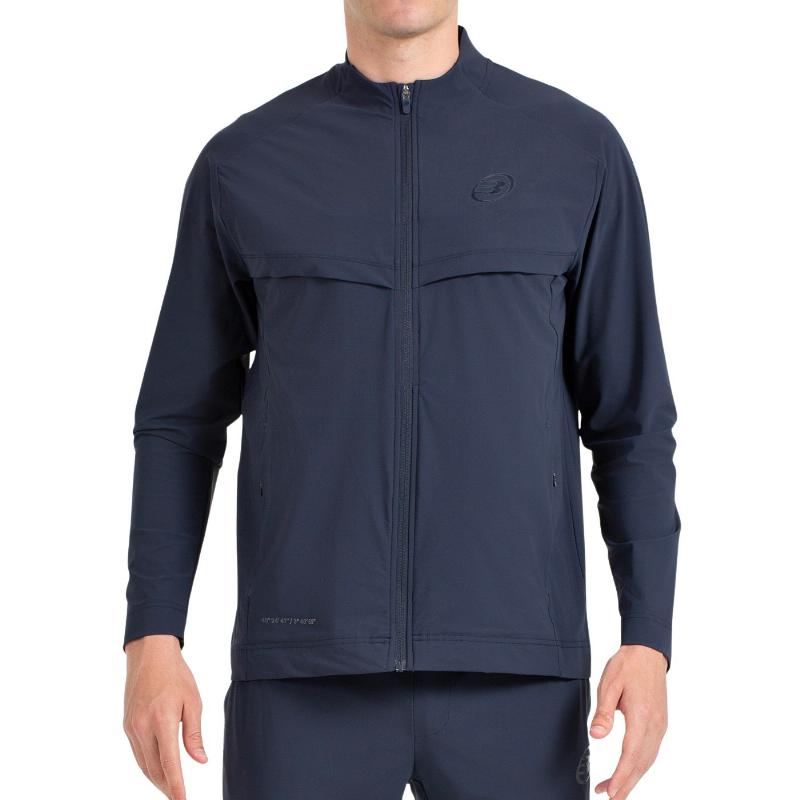
To stay comfortable on court during maintenance, choose garments such as the Dark Blue Aqua Bidi Badu Spectrum Dress or the Bullpadel Pelani Navy Blue Jacket.
How often should silica sand be checked and refilled?
Basic checks should be monthly, especially after heavy rain or large events. Partial refilling is common every 6-12 months, depending on wear and weather. Full replacement, as mentioned, depends on usage intensity, but on average, every 2 or 3 years is sufficient for well-maintained clubs and private courts.
If you want to be ready for any condition, check out the ASICS category for durable and comfortable models.
Common mistakes in sand maintenance
- Not spreading the sand evenly after refilling.
- Using sand with unsuitable granulometry.
- Neglecting to check critical areas (backs and sides).
- Neglecting preventive maintenance, which shortens the turf's lifespan.
Which products and categories help optimize on-court performance?
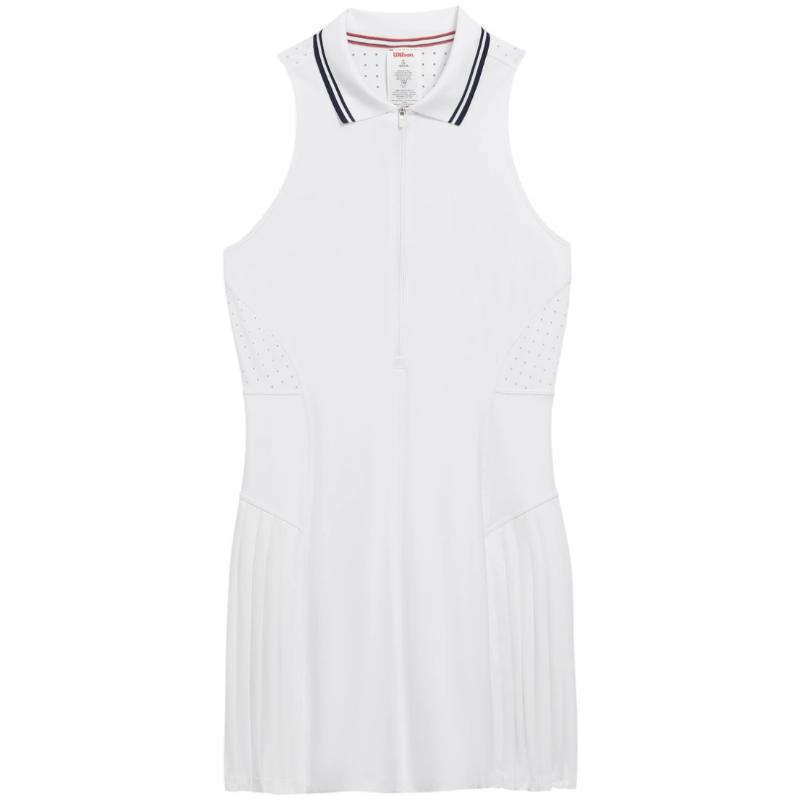
In addition to correct sand maintenance, being well-equipped is essential. At Ropa Padel you can find technical options for all levels, and in the ASICS category you'll find models with maximum grip. For those seeking the best blend of performance and style, the Wilson All Court White Dress is an excellent choice.
Remember, good equipment and proper court maintenance are the key to enjoying padel in the best conditions. Always trust specialists such as TiendaPadelPoint to keep your court and your game in top shape.
