







Guia de Padel - PadelPoint
How to choose the best sole type to extend the lifespan of your padel shoes
How to choose the best sole type to extend the lifespan of your padel shoes
Choosing the right sole for your padel shoes is essential not only to improve your performance on the court but also to extend the lifespan of your footwear. Since padel courts can vary in surface and abrasiveness, selecting the appropriate sole type will help you avoid premature wear and maximize your investment. In this detailed guide, you'll learn how to identify the ideal sole type according to use, surface, and playing frequency, along with recommended models.
Why is the sole type so important in padel?
The sole type of padel shoes determines grip, stability, and player protection, but also directly affects the durability of the footwear. Using an inadequate sole can increase friction, accelerate wear, and cause discomfort or injuries. Therefore, choosing correctly is essential for both comfort and long-term savings.
What are the most common sole types in padel shoes and how to choose?
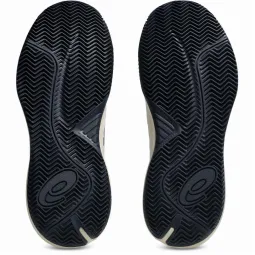
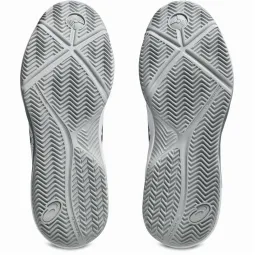
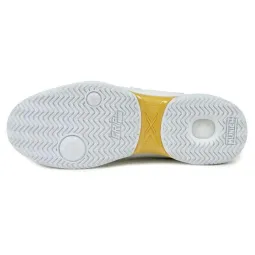
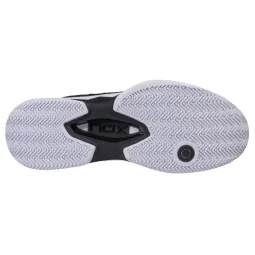
Padel shoes usually feature three main types of soles: clay (herringbone), omni (dots), and mixed. Each has advantages and disadvantages depending on the surface and playing style:
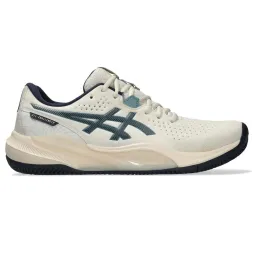
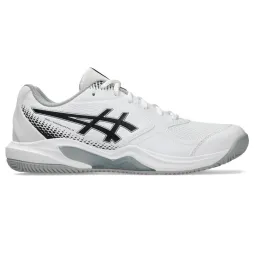
- Clay Sole (Herringbone): The most popular, ideal for artificial grass courts with sand. It offers excellent grip and optimal weight distribution, preventing excessive slipping and extending durability. Example of a recommended model: Asics Gel Resolution X Clay White Aurora Green Sneakers.
- Omni Sole (Dots): Designed for less sandy or dry courts, provides multidirectional grip and is very comfortable, although it tends to wear faster than clay on abrasive surfaces.
- Mixed Sole: Combines herringbone and dots patterns, offering versatility for those who alternate between different court surfaces. It's an intermediate solution for those seeking durability and adaptability.
To choose correctly, identify the type of court you usually play on and your movement style. If you prioritize durability, the clay sole is usually the most resistant.
Shoe recommendations by sole type
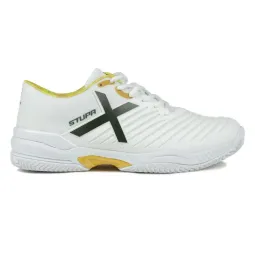
In the Padel shoes catalog, you can find models with different sole types for every need. For example, the Head Sprint Pro 4.0 SF Clay Black White Sneakers stand out for their durability on artificial grass courts, while the Bullpadel Ionic 25I White Royal Blue Sneakers offer great value for money and a sole design adapted to all types of courts.
What factors influence sole wear?
Sole wear depends on several factors, including:
- Frequency of use: Playing more than three times a week accelerates the natural wear of any sole.
- Surface type: More abrasive courts, such as some synthetic carpets, wear out omni and mixed soles faster.
- Weight and playing style: Players with explosive movements or higher body weight tend to wear out the sole sooner.
- Maintenance: Cleaning the sole and avoiding leaving the shoes exposed to sun or moisture helps extend their lifespan.
Opting for models from renowned brands, such as Lacoste AG-LT23 Ultra 125 Navy Blue Pink Women's Sneakers or Adidas Crazyquick Padel White Junior Sneakers, is also a guarantee of durable materials and longer lifespan.
Sole maintenance: practical tips
To extend the lifespan of your padel shoes:
- Wash the sole regularly to avoid the accumulation of sand and dirt.
- Periodically check the sole's pattern; if it's very worn, it's time to replace the shoes.
- Store the shoes in a dry, ventilated place.
How do brand and model influence sole durability?
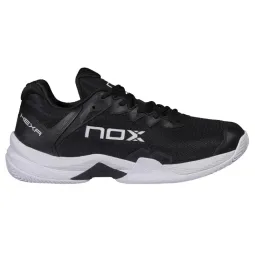
Not all brands develop their soles in the same way. Specialized brands such as Bullpadel MAN or ASICS incorporate advanced technologies that improve both grip and material resistance. For example, the Nox AT10 Lux White Pink Women's Sneakers are designed to offer excellent traction without sacrificing durability, while the Joma Slam 2502 White Junior Sneakers are a durable option for young players.
Is it worth investing in high-end shoes?
If you want to extend your shoes' lifespan and get the best performance, investing in higher-quality models is usually worthwhile. These models use more resistant rubber compounds and reinforcement technologies in high-wear areas.
When is it advisable to change the sole or the shoes?
A worn sole compromises grip and foot protection. You should consider changing your padel shoes when:
- The sole's pattern is almost smooth or has disappeared.
- You notice loss of traction or frequent slipping.
- The cushioning or structure of the shoe has deformed.
Always choose models adapted to your playing surface and check the recommendations. Opting for shoes from renowned brands and with the appropriate sole will let you enjoy your footwear for longer and prevent injuries.
Conclusion: choose wisely and protect your investment
Selecting the right sole is the first step to enjoying durable shoes and safe play. Always consult the updated Padel shoes catalog to find the latest models and seek specialized advice if in doubt.