

































































Guia de Padel - PadelPoint
The coach's key role in avoiding tactical routine in padel
The importance of tactical innovation in modern padel
In modern padel, success does not depend solely on technical skill or physical condition, but also on the ability to innovate and adapt tactically. The coach, as the central figure in player development, plays a fundamental role in avoiding tactical routine, which can limit progress and performance on court. Creativity and variety in training have become essential tools for maintaining motivation and surprising opponents-key elements for standing out in high-level matches.
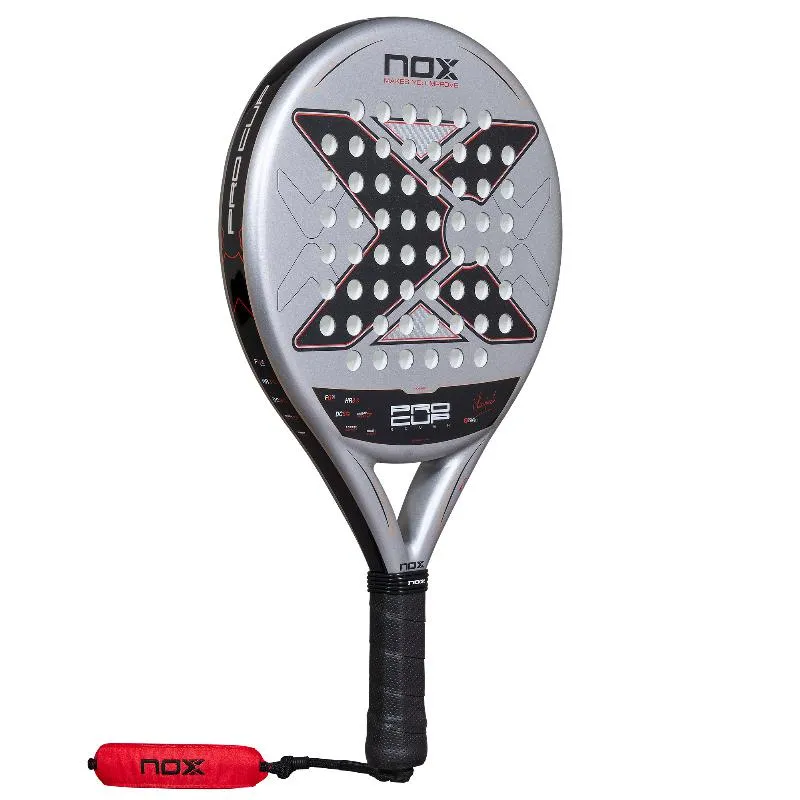
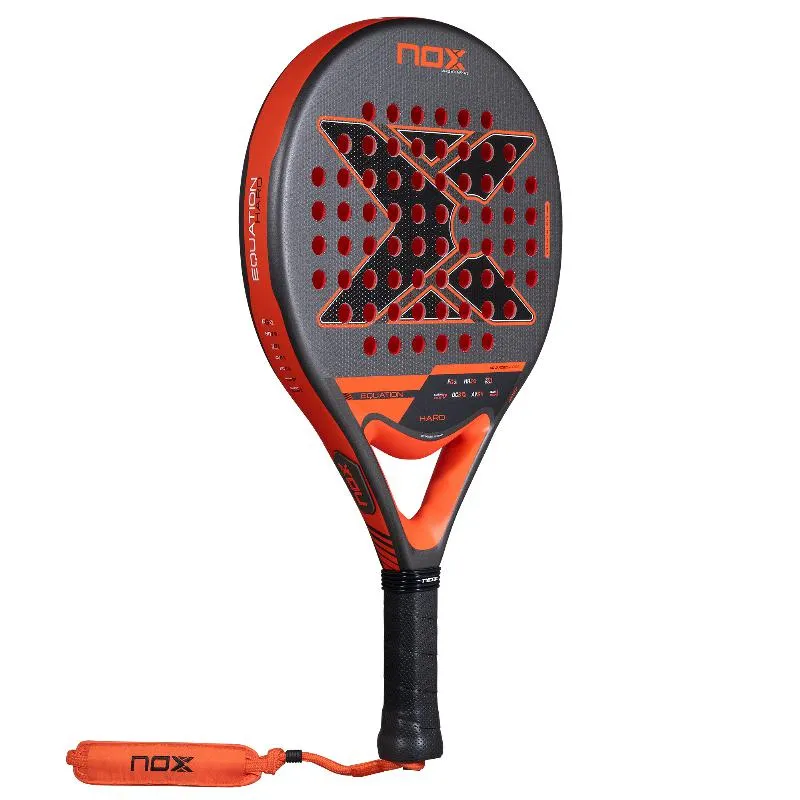
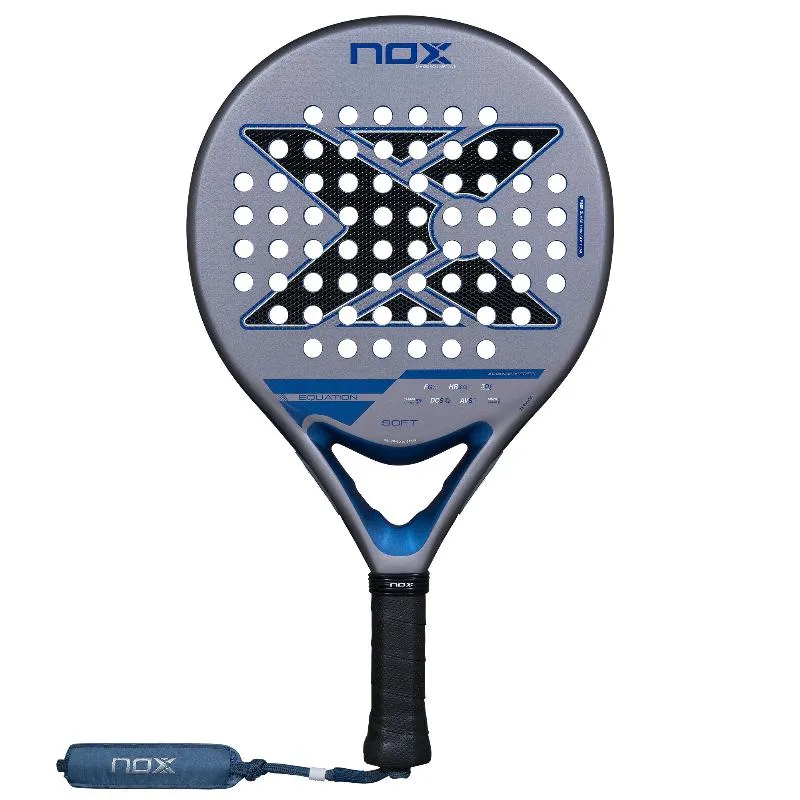
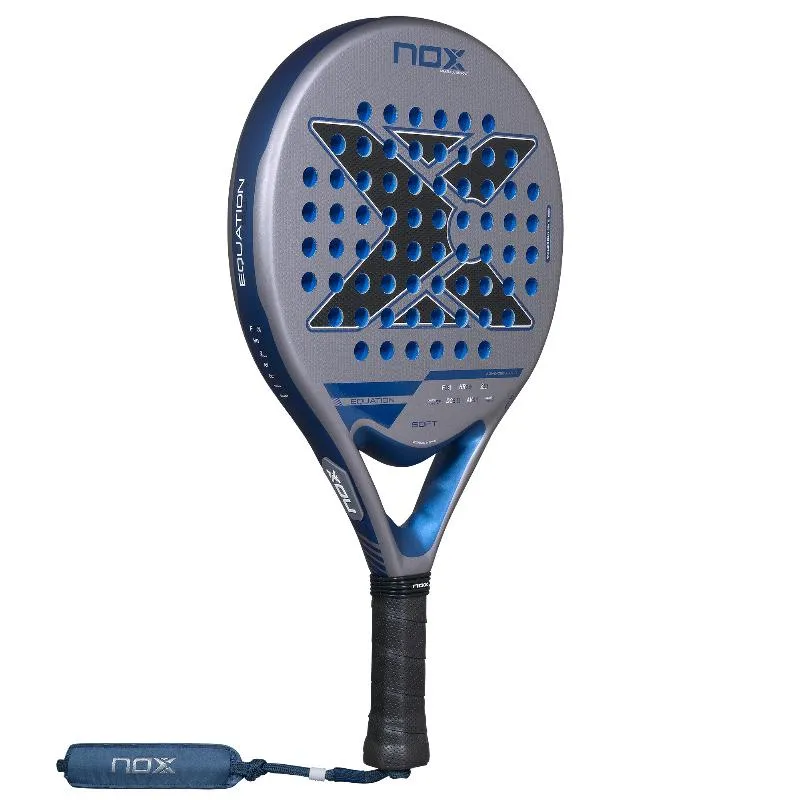
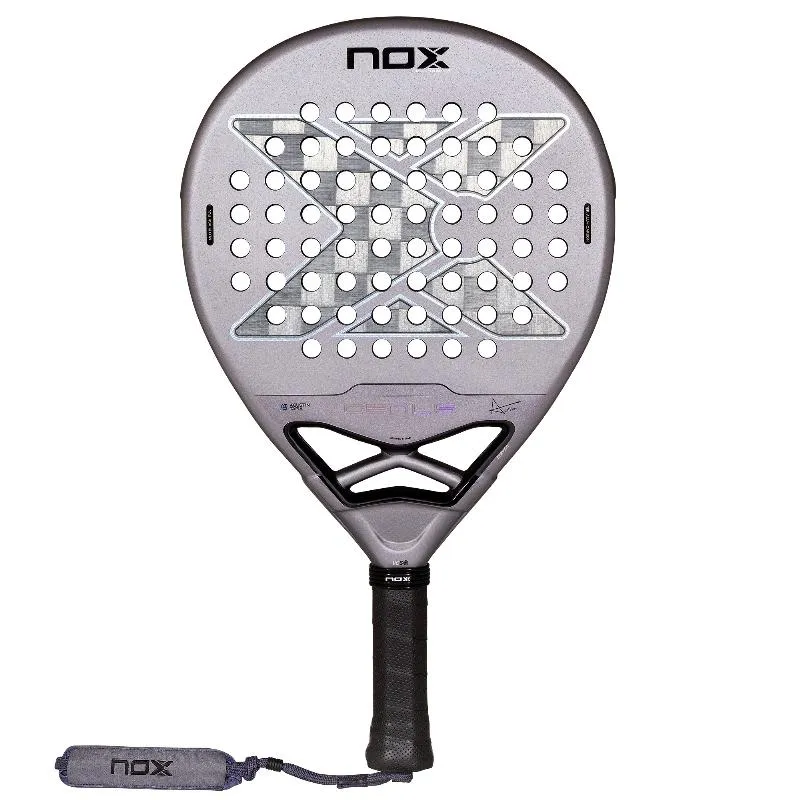
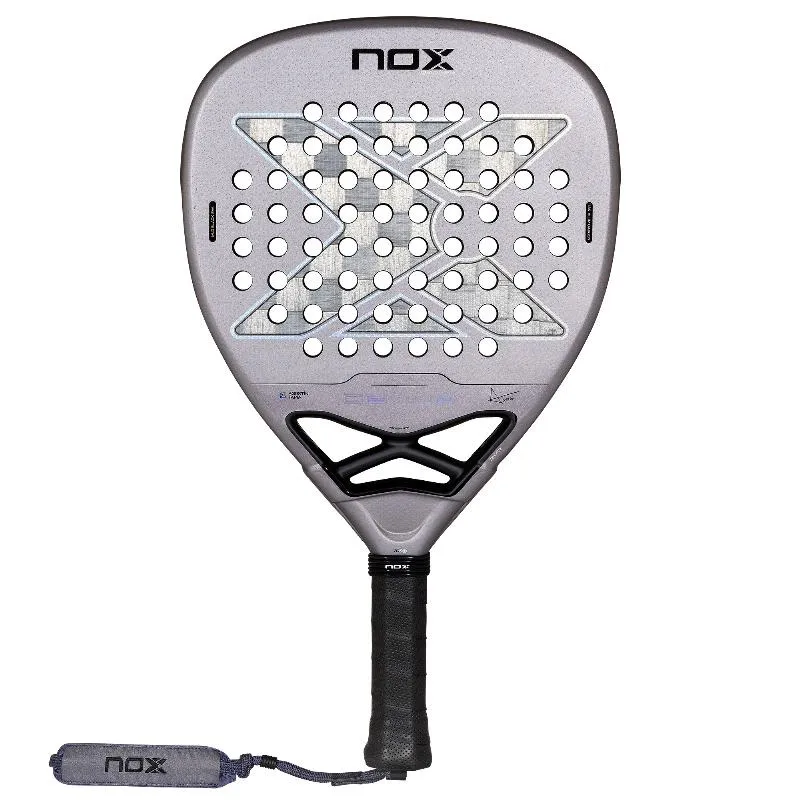
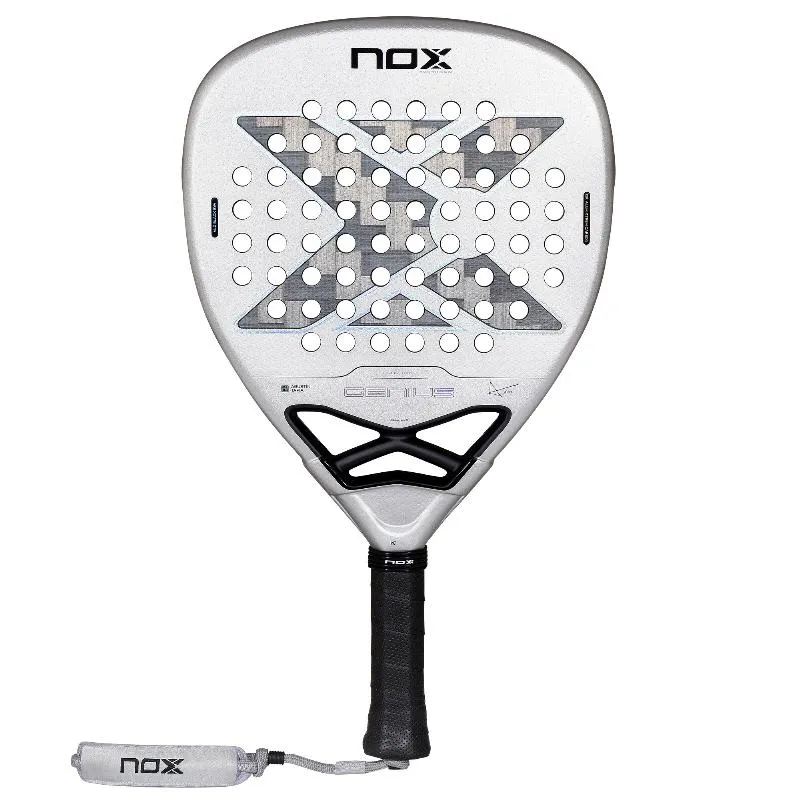
At TiendaPadelPoint we understand that equipment is as important as tactics. For example, properly choosing padel rackets or padel shoes can influence the execution of different strategies and playing styles.
Why does tactical routine arise in padel?
Tactical routine usually appears when training becomes predictable and players repeat the same patterns over and over. This happens if the coach does not renew exercises, if there is a lack of opponent analysis, or if the team settles for what is familiar. Tactical stagnation, far from providing security, can make us easily deciphered and vulnerable to rivals who seek to exploit our routines.
To combat this, the coach must be in constant training, watching professional matches, studying new trends and adapting trainings to the team's needs and the individual characteristics of each player.
How can the coach identify signs of tactical routine?
Detecting tactical routine requires keen observation. The coach must analyze whether players always repeat the same plays, show a lack of initiative, or if the team falls into monotony during matches. A frequent symptom is when the effectiveness of certain tactics drops considerably, as opponents have learned to counter them.
Using innovative padel accessories can facilitate new dynamics in training, helping break routine and motivating players. Changing the type of padel balls or using different racket bags can lead to alternative drills and new challenges.
Strategies for early detection
- Observing players' attitude and body language.
- Analyzing match statistics and videos.
- Constant feedback with the athletes themselves.
- Reviewing results and performance against various opponents.
What methods can the coach use to avoid tactical routine?
The coach has a wide variety of methods to avoid tactical routine in padel. Among the most effective are:
- Rotation of drills and game situations: Introducing new tasks, modifying space, timing and objectives in training.
- Simulating matches against different opponent profiles: Preparing players to adapt to various playing styles.
- Working on analysis and decision-making: Designing exercises where creativity and improvisation are rewarded.
- Using technology and data analysis: Implementing software for tactical study, reviewing mistakes and detecting repetitive patterns.
Furthermore, encouraging players' active participation in training planning increases involvement and fosters the emergence of new tactical ideas.
The role of brands in tactical innovation
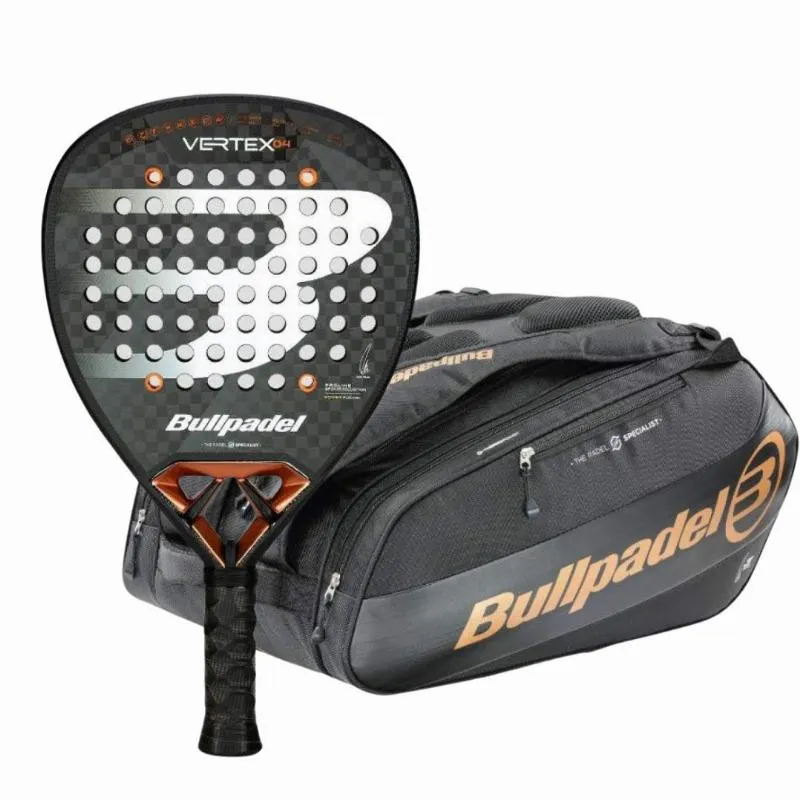
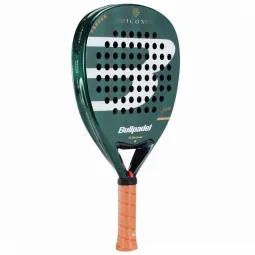
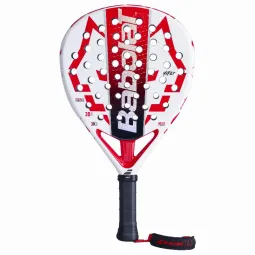
Major brands such as Adidas, Bullpadel or Babolat offer products specifically designed to facilitate varied and effective training, indirectly helping to avoid tactical routine.
How do motivation and environment influence overcoming routine?
Motivation is one of the most decisive factors for breaking monotony. The coach must create a positive and challenging environment, where every training session is an opportunity to learn and grow. Recognizing achievements, setting periodic challenges and celebrating individual and team progress fosters enthusiasm and readiness for change.
The environment is enhanced with attractive and functional equipment, such as the latest padel clothing or outlet deals to renew gear at competitive prices.
The importance of positive reinforcement
Using positive reinforcement and open communication stimulates confidence and players' willingness to take on new tactical challenges.
What benefits does the player gain by avoiding tactical routine?
Avoiding tactical routine provides multiple individual and collective benefits. The player develops greater adaptability, increases creativity and becomes less predictable on court. Confidence is also improved, as players feel ready to face any match situation.
- Improved competitive performance.
- Reduced risk of injuries from repetitive movements.
- Development of new technical and tactical skills.
- Greater enjoyment and motivation for the game.
Finally, staying up to date with news about training methods and padel gear is key to continued evolution and avoiding routine.
Padel Guide: Technical Knowledge and Game Experience
tiendapadelpoint · Padel authority, equipment and performance @ Copyright 2026