










Guia de Padel - PadelPoint
The coach's role in player decision-making
The coach's influence in developing smart players
The coach is an essential figure in the development of any padel player. Beyond mere technical instruction, their role is key to fostering effective decision-making in the game. This process is linked to the ability to identify situations, analyze options, and execute the best response at every moment. Here is where the coach's chosen methods and resources make all the difference.
Padel, as a dynamic and strategic sport, requires the player to combine tactical knowledge, technical mastery, and a flexible mindset. The coach acts as a guide in this process, designing training sessions that simulate real situations and promote athlete autonomy. The goal is not just to create mechanical executors, but athletes who think and resolve on the fly.
The importance of observation and feedback
One of the coach's main tools is active game observation and subsequent feedback. Analyzing matches, correcting mistakes in real time, and posing questions that encourage player reflection are strategies that stimulate autonomous decision-making. Also, nowadays, access to specific padel accessories allows simulating different scenarios and improving on-court perception, bringing variety and realism to training.
What are the most effective coaching strategies to improve decision-making?
There are multiple approaches to boosting players' decision-making. The key is to create an environment where mistakes are seen as part of learning and experimentation is encouraged. Among the most valued strategies are:
- The use of conditioned games, where the rules vary to force the player to adapt and seek new solutions.
- The application of positive and corrective feedback, always aimed at improvement and not just criticism.
- Match visualization and tactical situations, allowing players to analyze and anticipate decisions outside the pressure of real play.
- Individualized work, adapting proposals to each player's characteristics and needs.
Match simulation and real situation analysis
An increasingly used method is simulating real matches during training. This way, the player faces contexts similar to competition and tests their decision-making ability. Complementing this practice with video analysis and using suitable padel clothing provides a more realistic experience.
Teamwork between coach and player is also essential, creating a smooth and honest communication channel. This is the only way for players to internalize lessons and apply them naturally on the court.
How does the coach adapt to different stages of player development?
The decision-making process is not the same for a beginner as for an advanced player. The coach must adjust their intervention to the athlete's sporting maturity. In the early stages, guidance is more direct, steering the player toward the most appropriate options. As the athlete gains experience, the coach's role becomes more of a facilitator, allowing room for autonomy and creativity.
Coach and player as a team in mental evolution
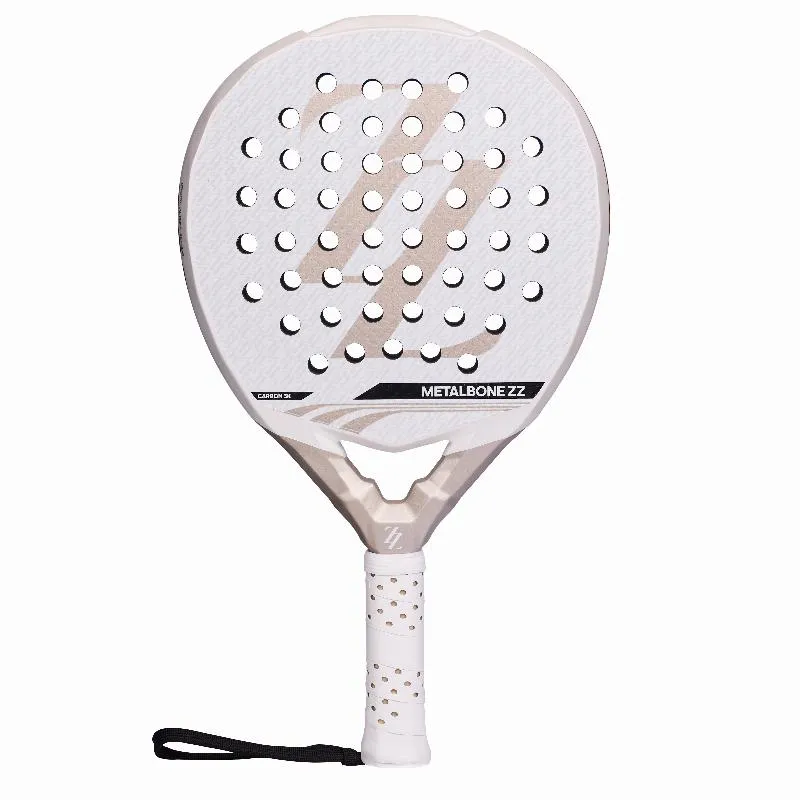
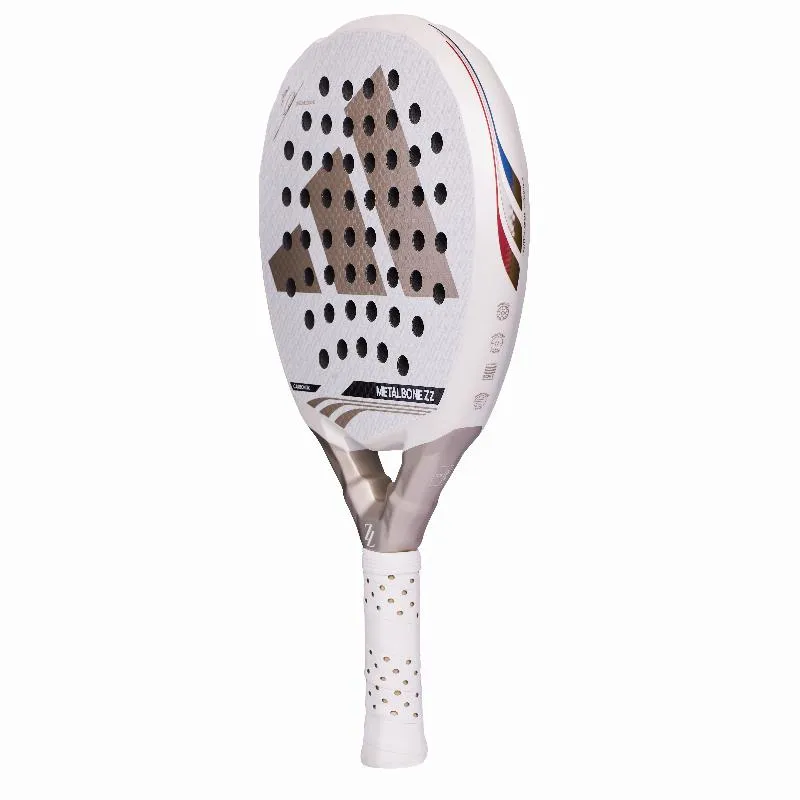
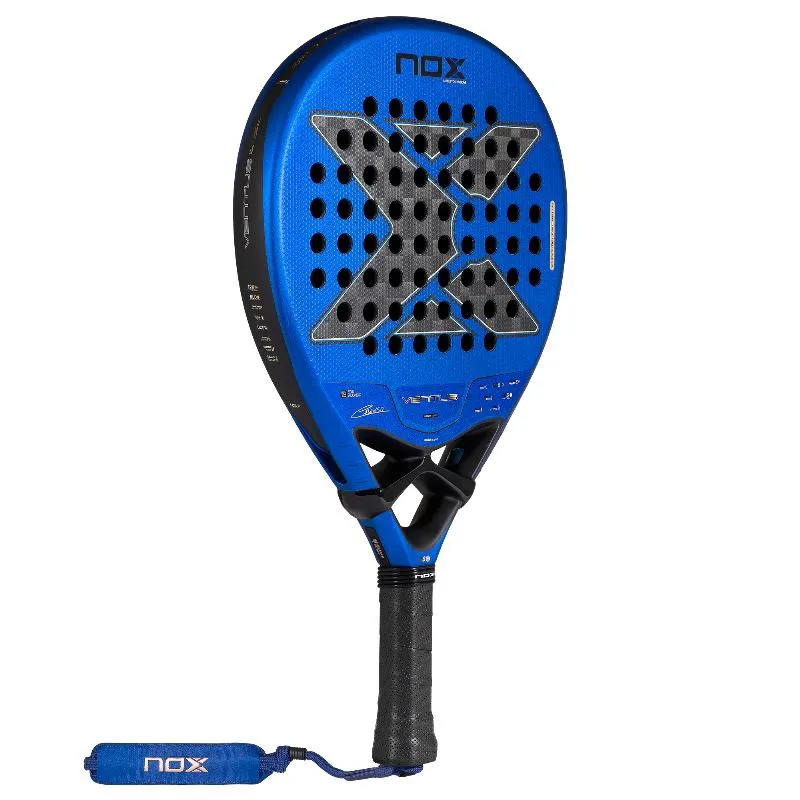
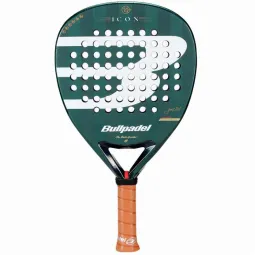
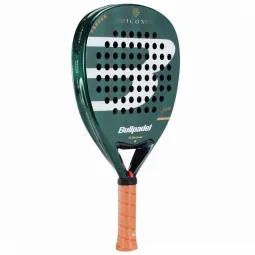
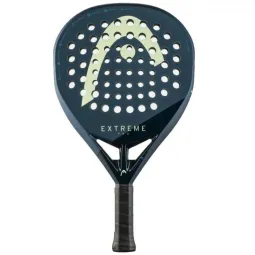
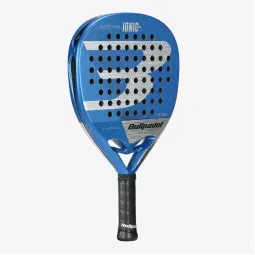
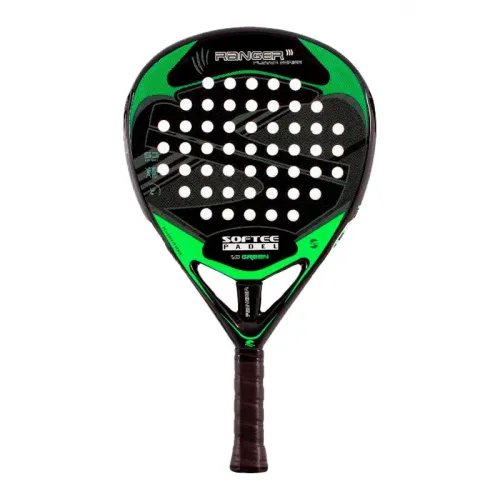
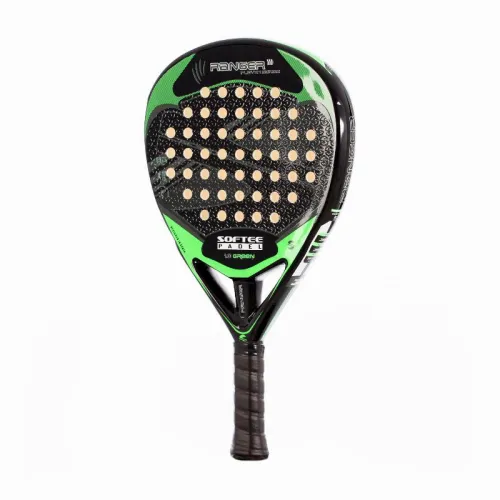
Joint work results in progressive evolution in game reading and anticipation skills. Here, using quality padel rackets and advice on suitable padel balls can make a difference in game perception and decision-making under pressure.
What role do brands play in player development and decision-making?
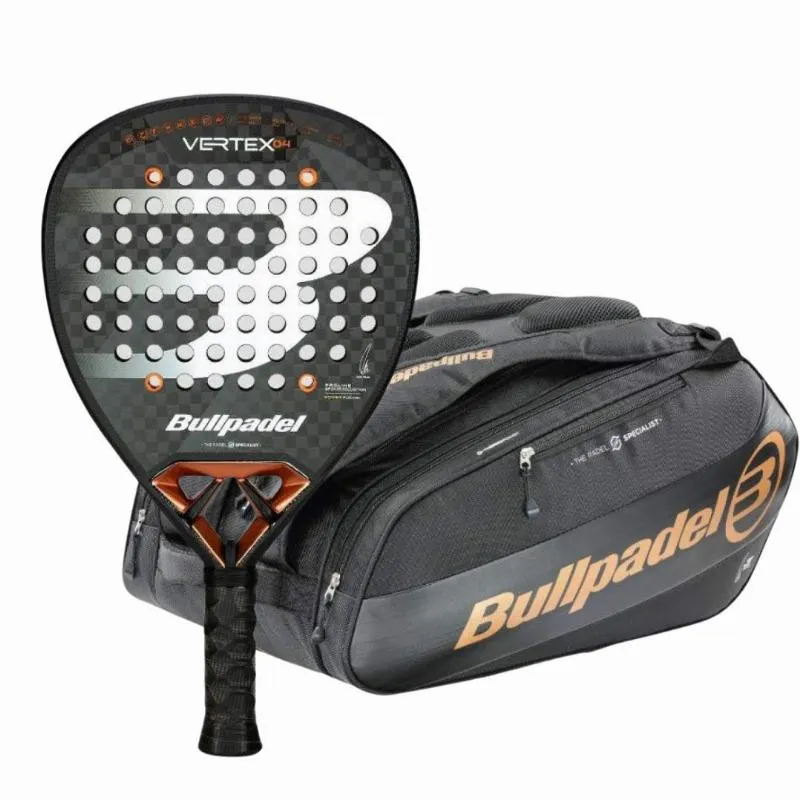
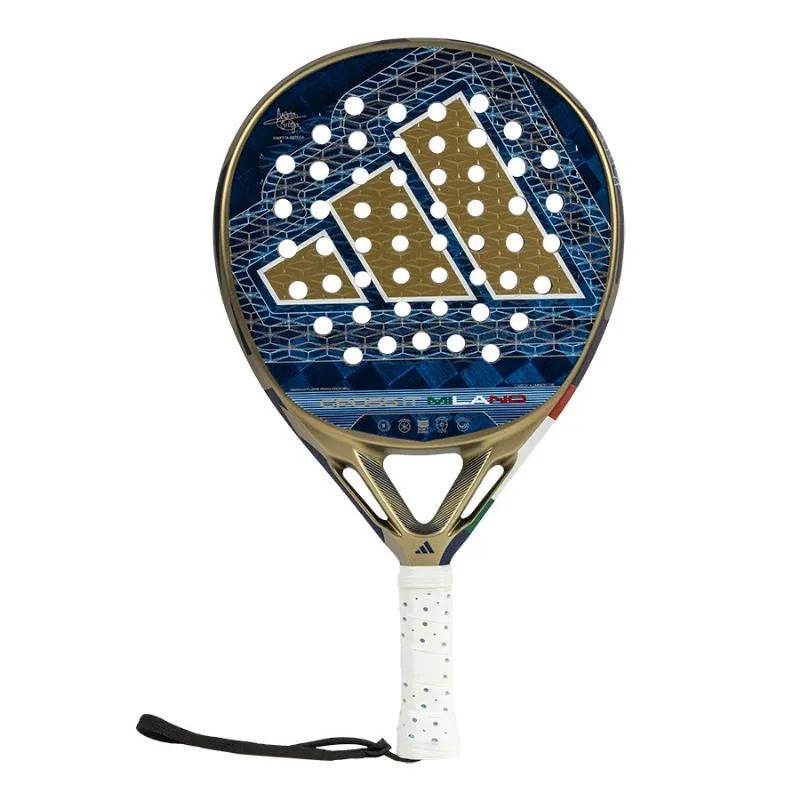
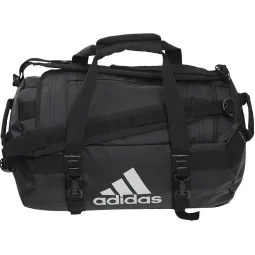
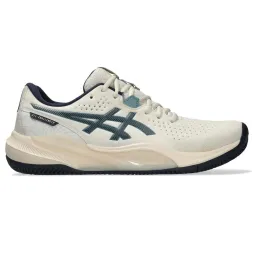
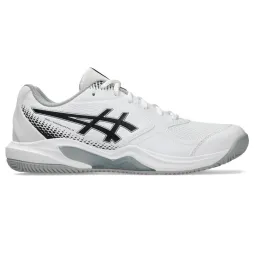
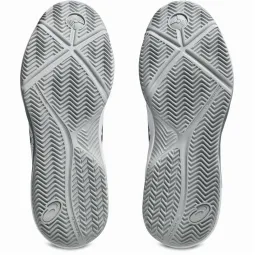
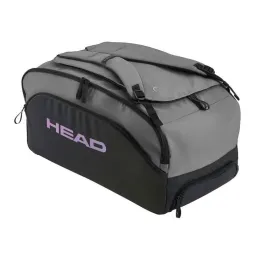
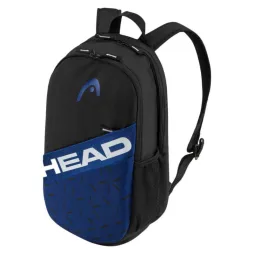
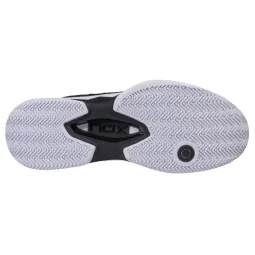
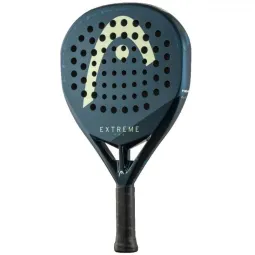
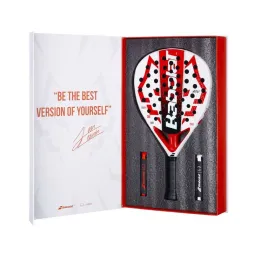
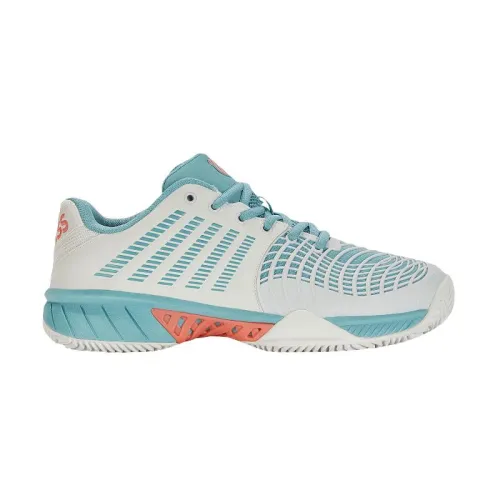
The top brands in the sector, such as Adidas, Babolat, Bullpadel, or Head, provide materials and equipment designed to maximize on-court performance. The coach, knowledgeable about available options, guides the player in choosing products that suit their style and needs, from padel shoes to racket bags and innovative accessories. This guidance is essential for the player to feel secure and confident when making decisions at every point of the game.
Innovation and technology at the service of training
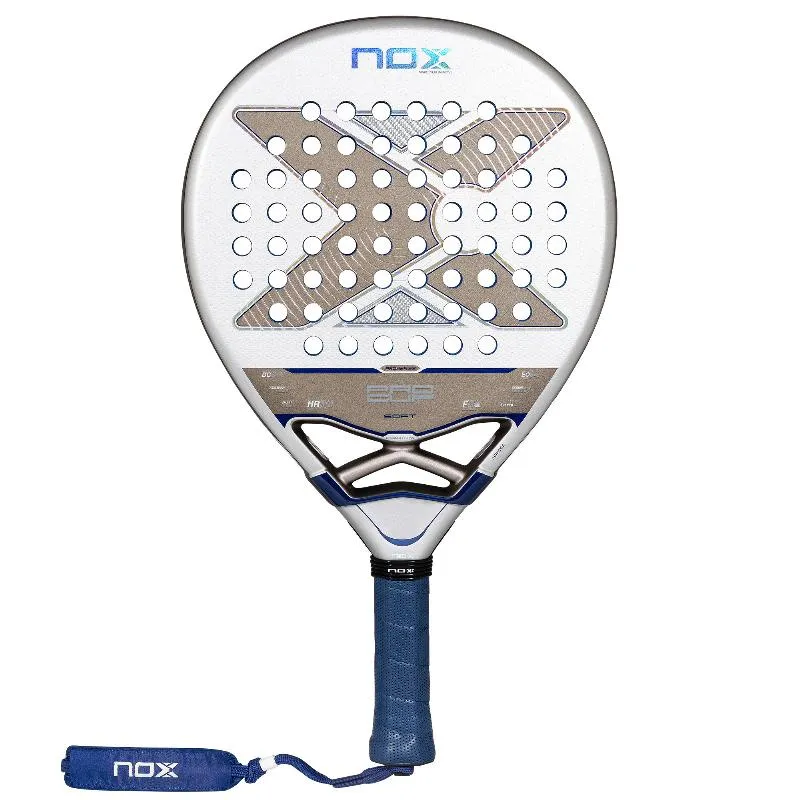
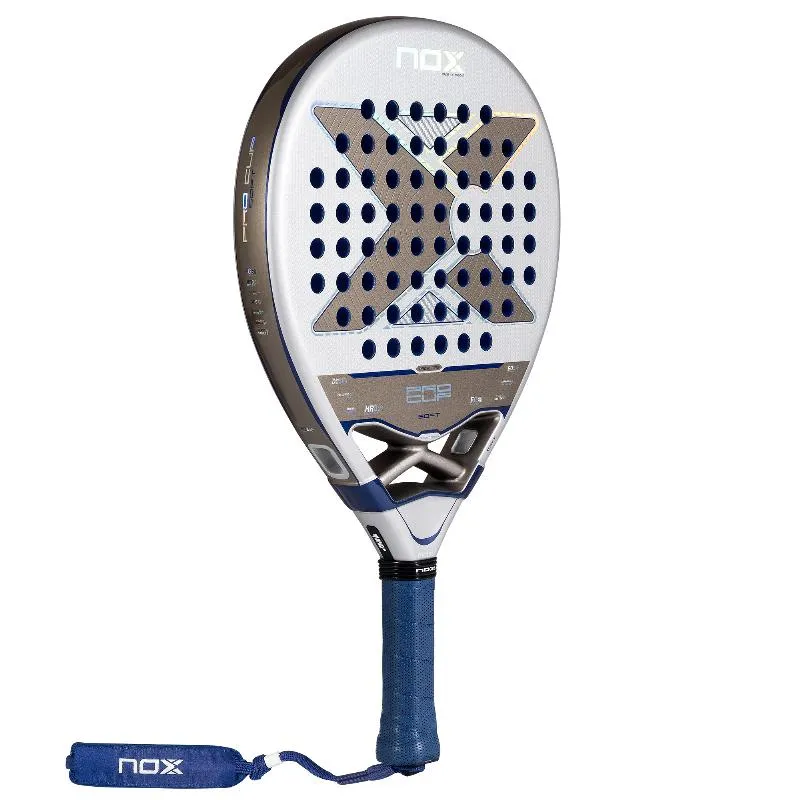
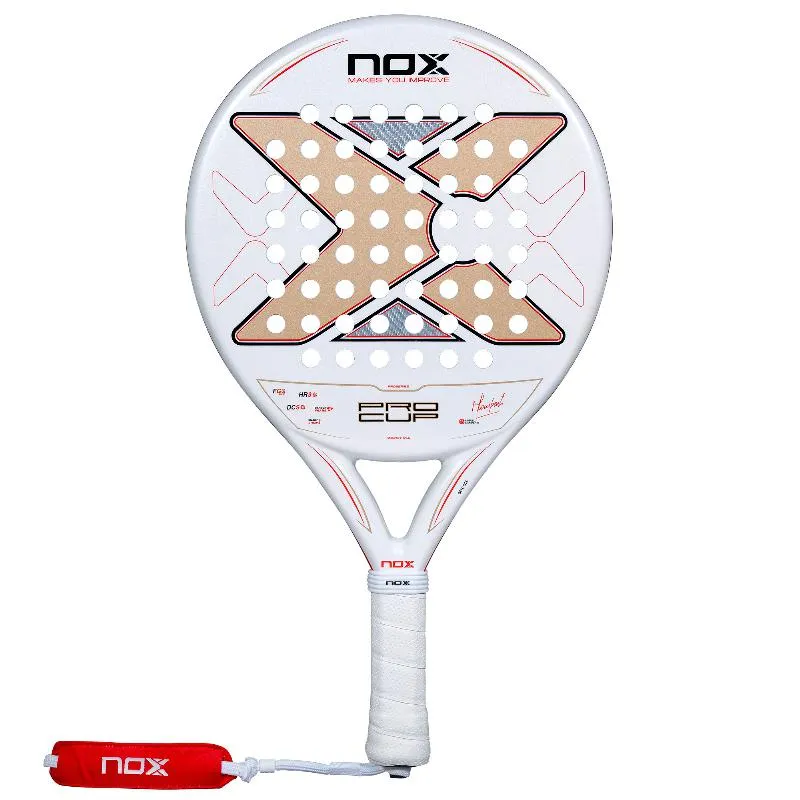
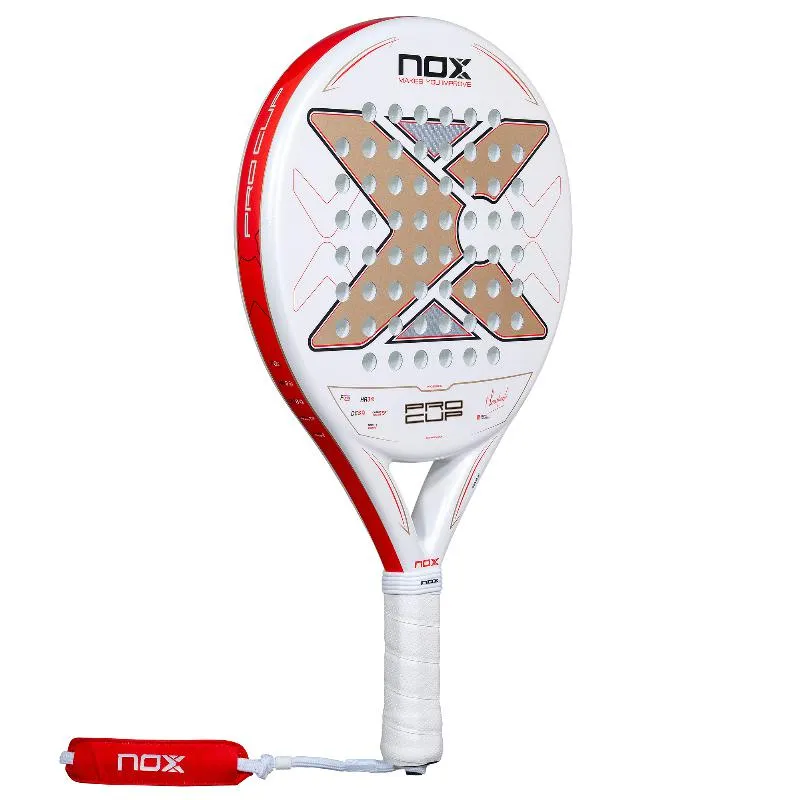
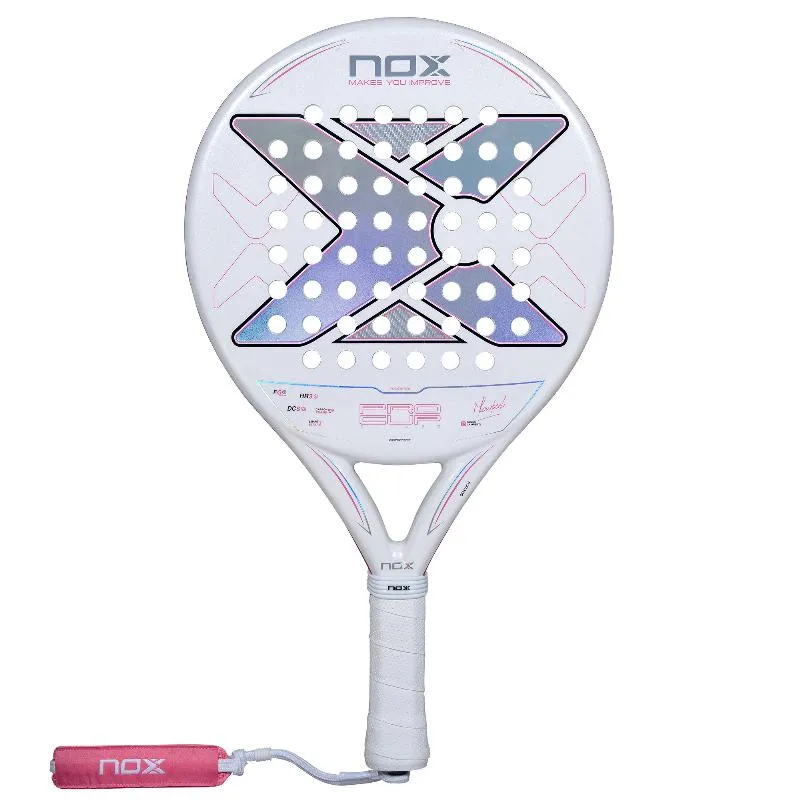
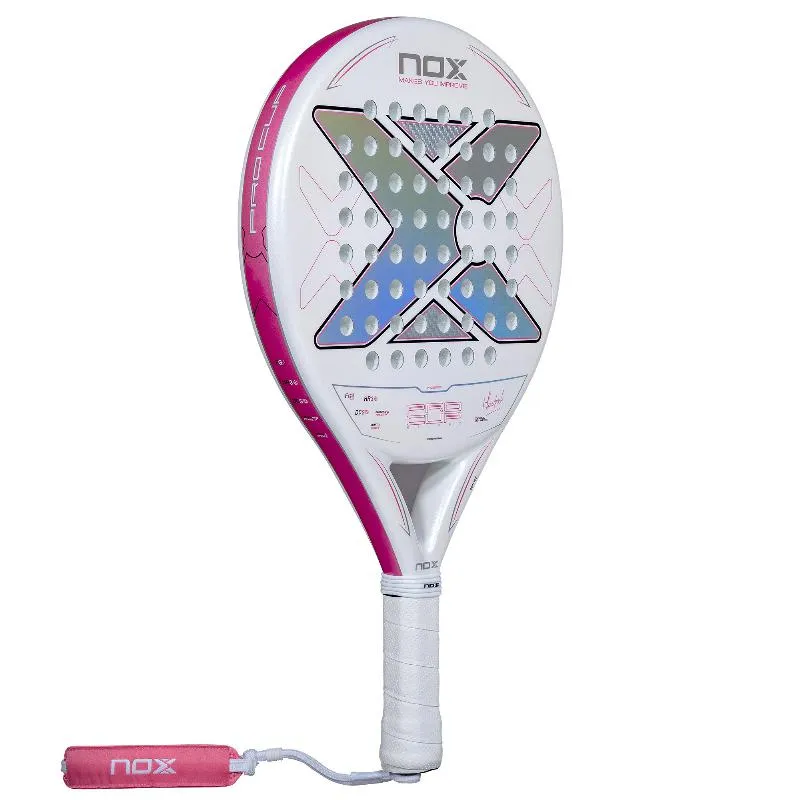
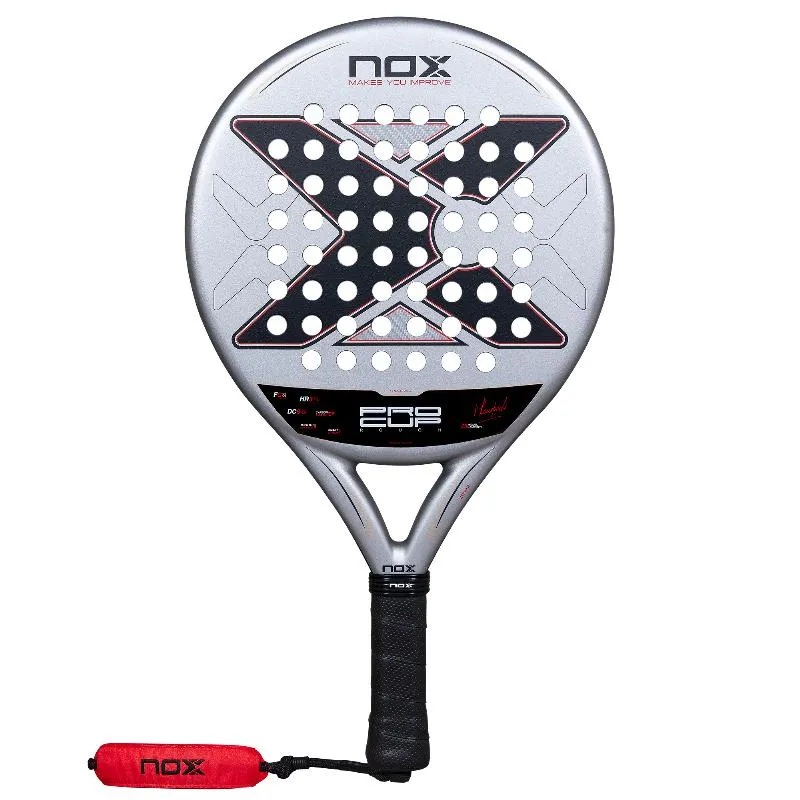
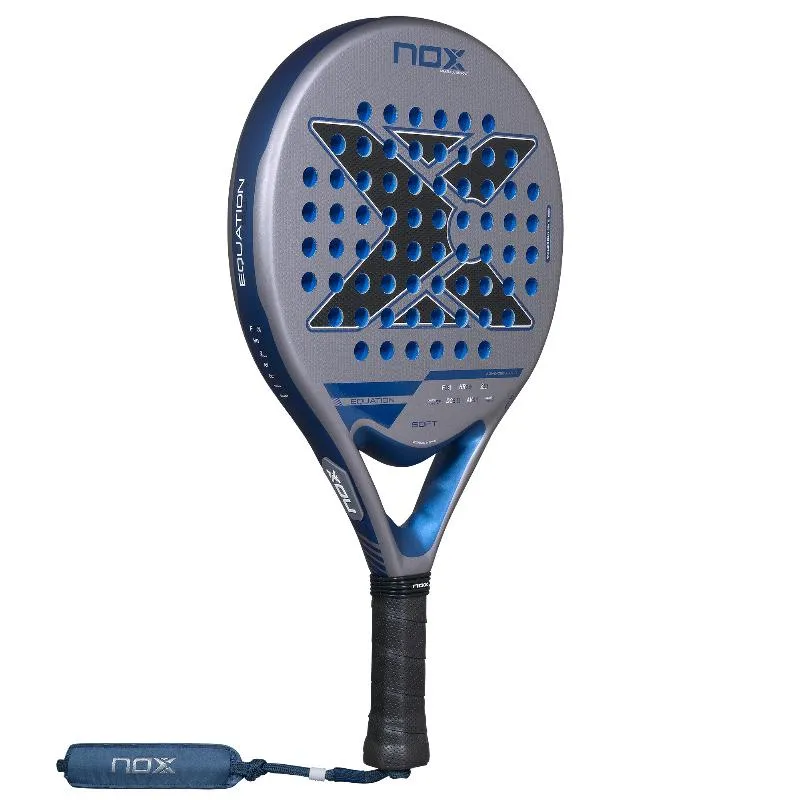
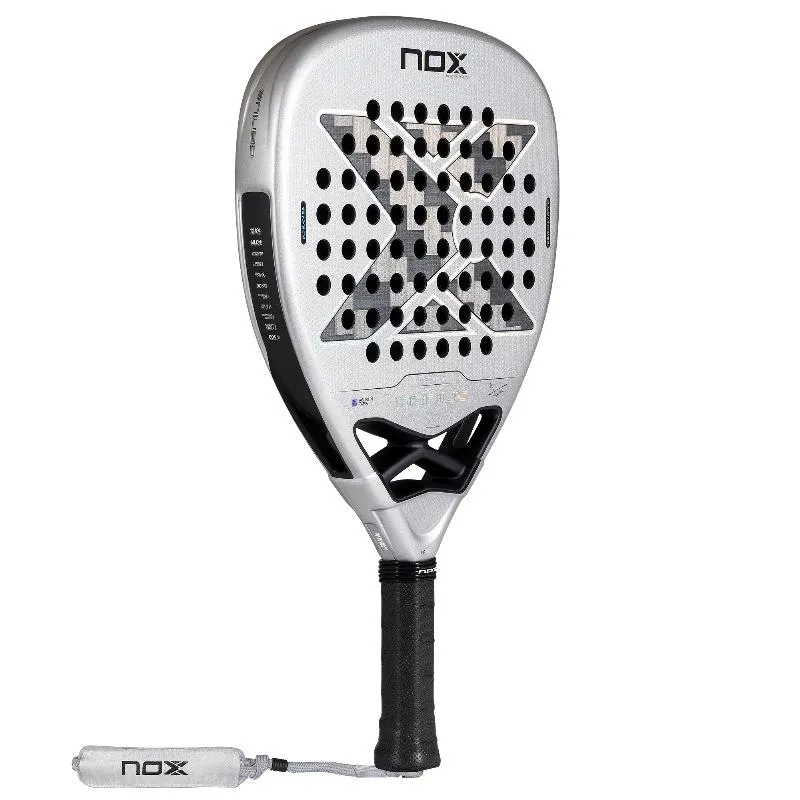
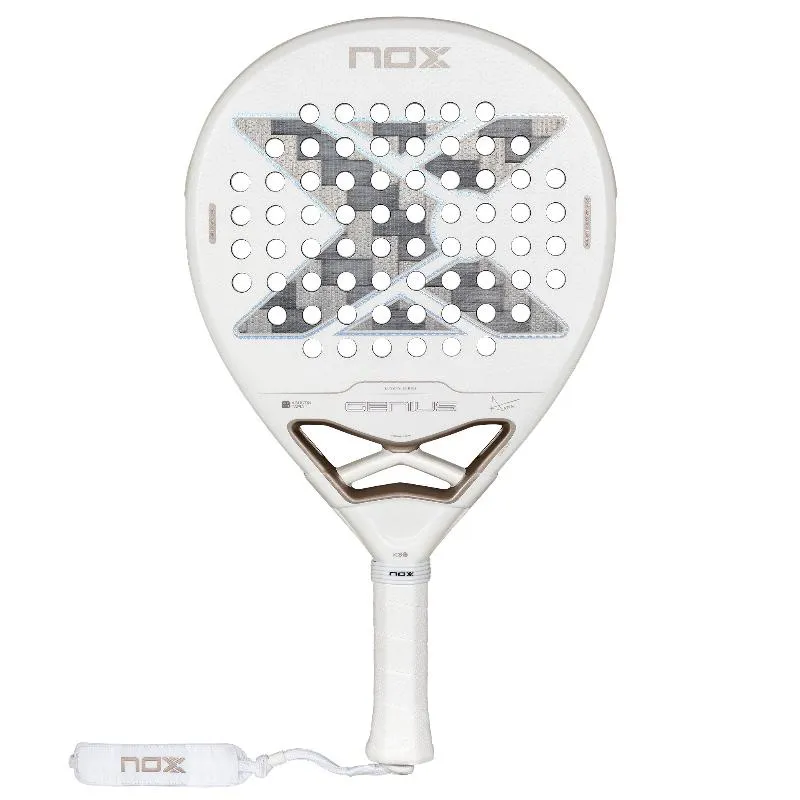
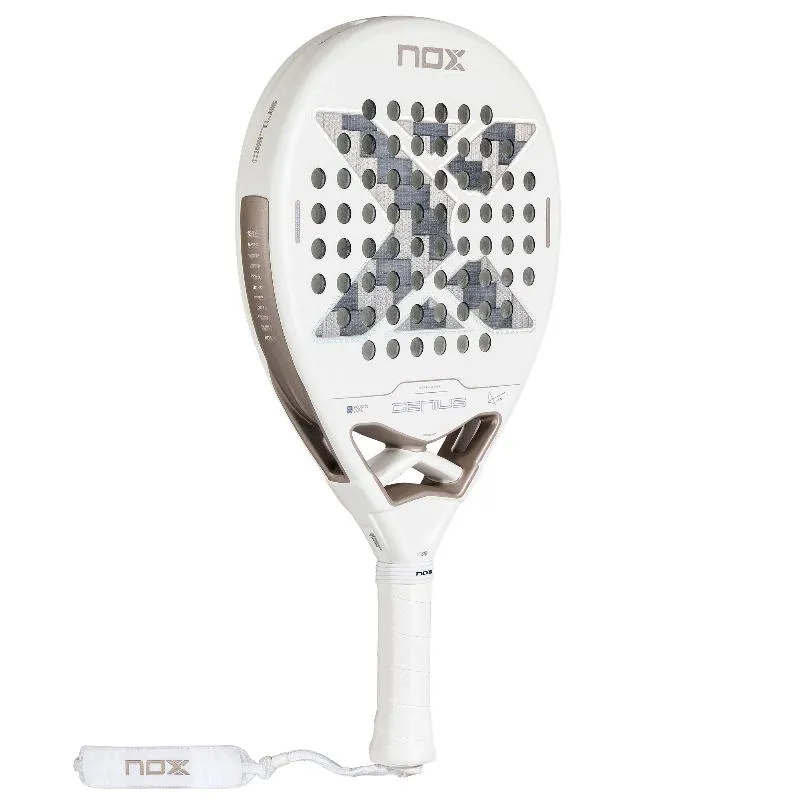
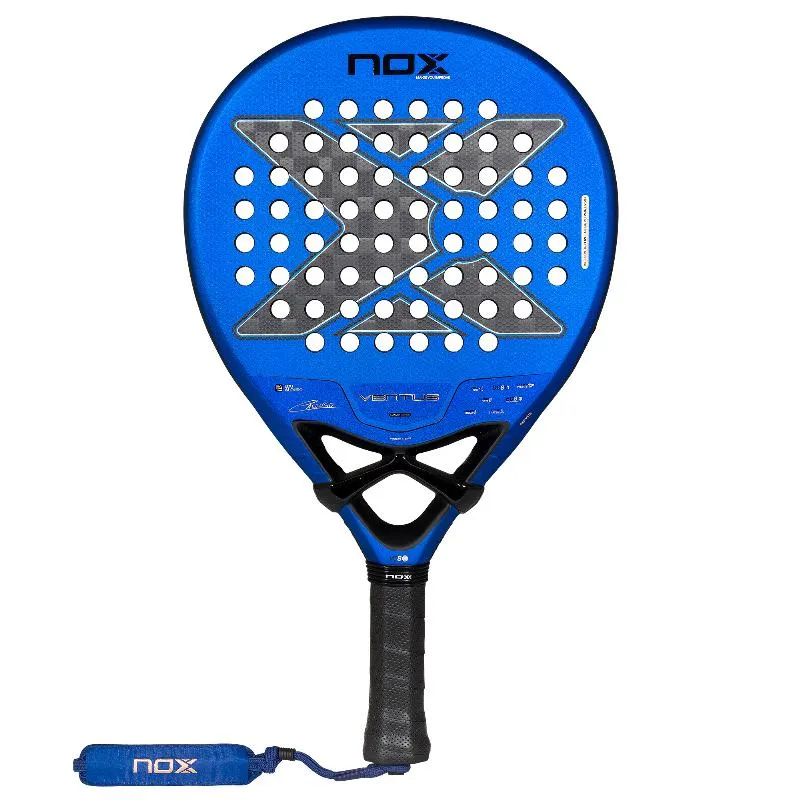
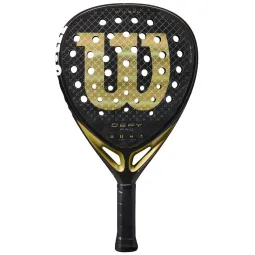
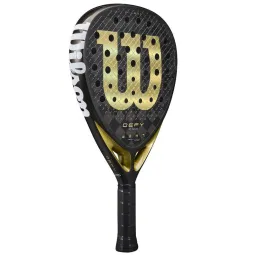
Technological advances have enabled brands such as Nox, Siux, and Wilson to develop products that enhance on-court experience. The coach incorporates these innovations into training sessions, allowing the player to adapt to change and make informed decisions about the latest generation equipment. To learn more about the latest releases, visit our New Arrivals section.
What mental and emotional skills does the coach foster in decision-making?
Decision-making in padel goes far beyond technical aspects. The coach consciously works on developing mental skills such as focus, pressure management, and resilience. Through specific exercises, the player is trained to remain calm, quickly analyze options, and select the best response. Self-confidence is also reinforced, which is essential for executing decisions with determination.
In this process, the trust relationship between coach and player is vital. The athlete must feel supported, even in mistakes, to dare to take calculated risks and grow in the process. In addition, using quality products, like those offered by our partner brands, helps create a favorable environment for learning and the player's comprehensive development.
Emotional support as a key to performance
The emotional support provided by the coach allows the player to better manage tense moments and make effective decisions even in adverse situations. Thus, the coach's work goes beyond the physical and tactical realms, embracing a holistic vision of the athlete.
In conclusion, the coach is a fundamental pillar in the training of players with decision-making ability, autonomy, and self-confidence. If you are looking for the best advice and equipment to keep growing in your game, at TiendaPadelPoint you will find everything you need for every stage of your development as a padel player.
Padel Guide: Technical Knowledge and Experience Applied to the Game
tiendapadelpoint · Authority in padel, equipment and performance @ Copyright 2026