















































































Guia de Padel - PadelPoint
The coach's role in emotional management in padel
Importance of the coach in the emotional control of the padel player
Emotional management is a determining factor in the performance of any padel player during competition. The coach, beyond their technical and tactical role, becomes a key player in the athlete's emotional stability. Their role goes far beyond leading training sessions, as they must be a reference point, guide, and psychological support for their charges. At TiendaPadelPoint we recognize the importance of this aspect, since we know that success depends not only on technique but also on the mind.
Currently, the figure of the coach has evolved, adopting skills related to emotional coaching. This includes knowing how to identify the player's emotions, manage them, and channel them to turn pressure into motivation and nerves into concentration. Additionally, the coach must be able to personalize their strategies according to each player's needs, using sports psychology tools and practical resources.
Relationship between coach and player for emotional performance
The bond of trust between coach and player is essential for effective emotional management. The coach must be able to perceive when a player is overwhelmed by pressure or shows signs of blockage. At those times, their intervention is decisive, using words of encouragement, relaxation techniques, or simply knowing when to remain silent and let the player reconnect with themselves.
Prior training is essential. Through simulations of match situations and high-pressure scenarios, the coach prepares the player to face their emotions in critical moments. In addition, using padel clothing that is comfortable and appropriate, as well as high-quality padel shoes, contributes to a sense of security and control, factors that positively influence emotional stability.
What emotional strategies can the coach provide during competition?
The coach must have a range of emotional strategies for each match situation. Among the most common are:
- Conscious breathing and relaxation: Teaching the player to control their breathing to reduce anxiety.
- Positive visualization: Helping to mentally project successful situations to increase confidence.
- Pre-match routines: Establishing habits and rituals that provide security before stepping onto the court.
- Assertive communication: Maintaining constant and constructive dialogue, reinforcing positive aspects and correcting negatives without damaging self-esteem.
- Error management: Teaching the player to accept mistakes as part of the game and learn from each situation.
For example, some coaches from renowned brands such as Adidas or Bullpadel work with visualization and concentration methods, using time-outs to redirect the player's mental focus.
The role of accessories for emotional stability
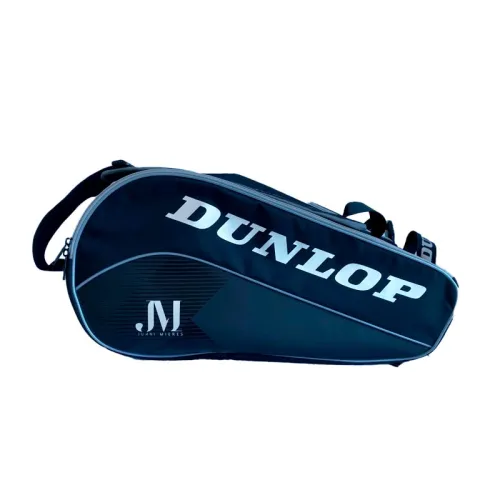
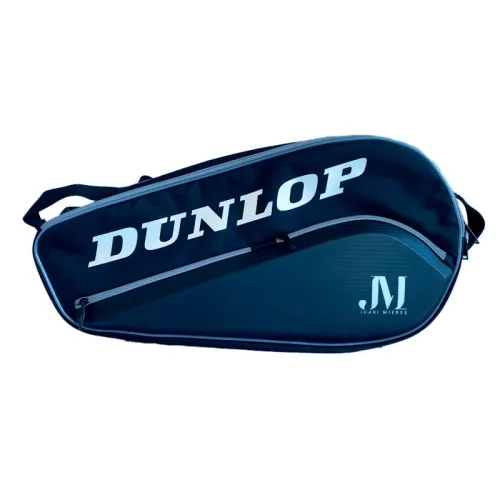
The value of padel accessories in emotional management is often underestimated. A well-organized racket bag or the use of high-quality padel balls can be the turning point for the player to feel safe and confident before a match.
How does the coach influence critical moments of the match?
During decisive points, the coach must act as immediate emotional support. It is at these moments that emotions can play tricks, causing blockages, frustration, or, on the contrary, driving the player to victory. The coach's ability to transmit calm and confidence is essential.
The use of short messages, supportive gestures, and knowing glances becomes a powerful tool to rebalance the player's mind. The differences between an experienced coach and a novice are especially noticeable in the management of these critical moments.
Preventing discouragement and positive reinforcement
The coach must anticipate adverse situations, detecting signs of discouragement and applying positive reinforcement techniques. Through motivational phrases, recalling past successes, or setting small goals within the match, the coach ensures that the player maintains motivation and concentration at all times.
Why is communication fundamental in emotional management?
Effective communication between coach and player is the basis of good emotional management. The coach must adapt their language, tone and content according to the emotional state of the player, being direct but empathetic. Active listening is key to understanding the player's concerns and feelings, allowing the emotional strategy to be adjusted in a personalized way.
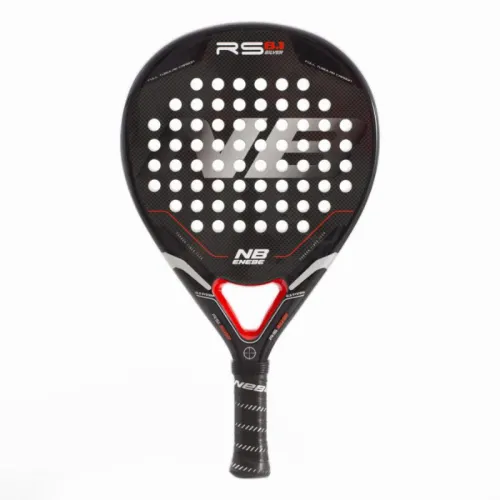
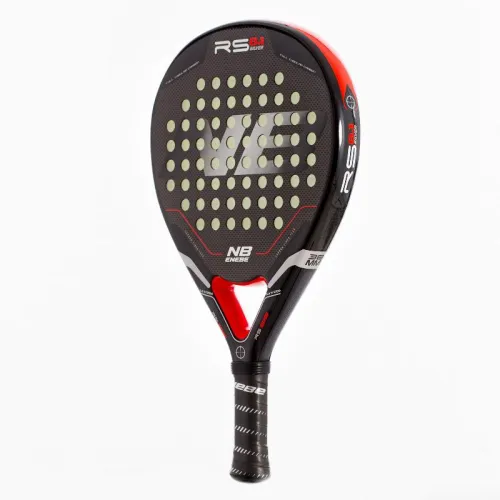
Moreover, coaches who work with quality products such as the best padel rackets on the market can transmit greater security to the player, reinforcing the sense of control and confidence during competition.
Continuous training of the coach in sports psychology
Continuous learning in sports psychology allows the coach to offer updated and effective tools for emotional management. Attending courses, workshops, and seminars is increasingly common among padel coaches.
What benefits does good emotional management driven by the coach provide?
Proper emotional management, led by the coach, translates into multiple benefits for the player:
- Greater sports performance and ability to face adverse situations.
- Reduction of anxiety and stress in competition.
- Improved decision-making and control over mistakes.
- Increased confidence and self-esteem.
- Development of a positive and resilient attitude towards challenges.
Having a coach who masters these skills can be the difference between a player who simply participates and one who triumphs. In short, the coach is the architect of the player's competitive mind and their influence is decisive in every point and match.
For those looking to enhance every aspect of their game, the combination of emotional training and the best padel equipment is unbeatable. Discover all the new arrivals in technology and equipment to stay at the forefront both physically and mentally.
Padel Guide: Technical Knowledge and Applied Experience to the Game
tiendapadelpoint · Authority in padel, equipment and performance @ Copyright 2026
