




















































































Guia de Padel - PadelPoint
The impact of coaches on advanced decision-making
Coaches and their influence on tactical thinking in experienced players
At the highest level of padel, the ability to make quick decisions under pressure is one of the key factors that sets elite players apart. Coaches play a crucial role in this process, guiding athletes through specific methodologies that foster tactical thinking, anticipation, and emotional management on court. Their work goes far beyond simple technical correction, becoming actively involved in the cognitive and strategic development of the athlete.
The teaching-learning process in decision-making
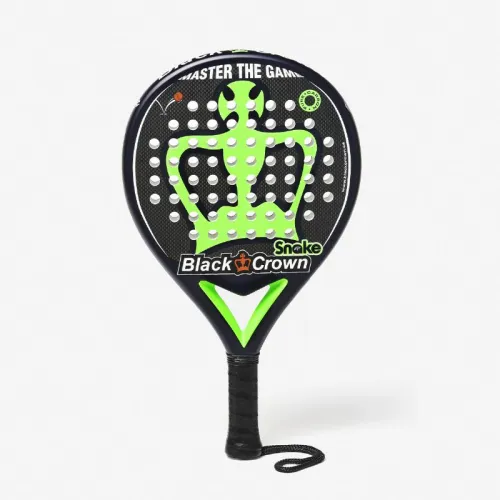
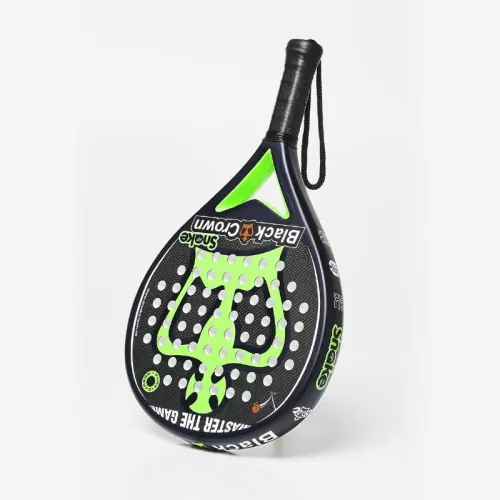
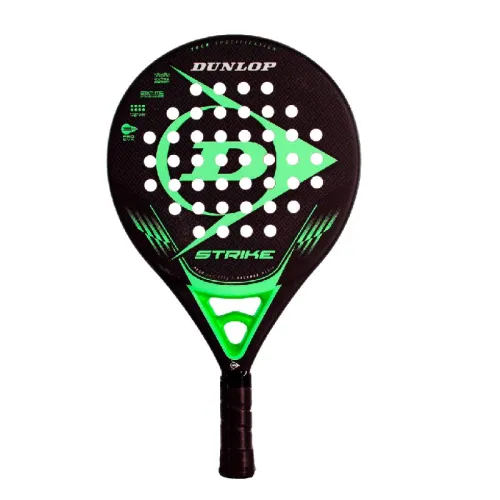
The coach acts as a facilitator of learning, designing exercises that simulate real match situations. Using padel rackets suitable for advanced levels, players can experience different scenarios and learn to select the most effective option at any given moment. Repetition of these dynamics increases mental processing speed and reinforces the player's confidence, enabling automatic responses to complex stimuli.
Additionally, the use of padel balls specifically for training helps vary the pace and difficulty of plays, requiring constant adaptation in decision-making. These tools, combined with the coach's experience, provide a solid foundation for the advancement of the advanced player.
What are the most effective strategies used by coaches?
Coaches specializing in advanced padel often use several strategies to enhance decision-making:
- Pressure simulation: Creating drills where decision time is limited.
- Video analysis: Reviewing both their own and opponents' matches to identify tactical patterns.
- Immediate feedback: The coach corrects and advises in real time, speeding up learning.
- Group work: Fostering communication and cohesion for joint on-court decisions.
- Use of padel accessories: Incorporating elements that simulate changing conditions or restrictions to sharpen the player's mind.
The coach's role is also to tailor these strategies to the athlete's profile, considering strengths and areas for improvement.
The value of experience and technology in training
Leading brands such as Adidas, Bullpadel and Head have developed products that enable coaches to measure, analyze, and personalize training sessions. The use of technologically advanced rackets, motion sensors, and analysis apps make it easier for the coach to observe and correct habits that directly influence decision-making.
Constant updates in materials and methods, available at TiendaPadelPoint, are an indispensable resource for those seeking maximum performance in professional padel.
How is improvement in decision-making evaluated?
Evaluation is a fundamental aspect of the coach's job. By tracking matches, reaction tests, and tactical questionnaires, it is possible to measure the player's progress in speed, accuracy, and effectiveness in their decisions. Close support allows for personalized adjustments to the work plan, identifying when to introduce new variables or reinforce already acquired concepts.
The integration of suitable padel shoes also impacts decision-making, as comfort and safety enable better responses under demanding situations.
The importance of self-confidence and emotional intelligence
One of the main challenges for the coach is to work on the advanced player's self-confidence, who faces high-pressure competitive contexts. Emotional intelligence, managed through group dynamics and one-on-one conversations, is key to maintaining mental clarity and avoiding blocks at critical moments.
What does specific decision-making training involve?
Specific decision-making training is based on reproducing match situations that require the player to think and react in real time. Exercises include:
- Role-playing games where the player must choose between various tactical options.
- Artificial constraints that force mental speed to take precedence over technique.
- Post-action analysis to reflect on alternatives and outcomes.
Using racket bags and custom training elements helps create realistic and motivating practice environments.
The role of continuous feedback
Continuous feedback from the coach enables the player to progressively adjust their decision-making, identifying mistakes and successes in each session. This process of continuous improvement is essential to reach optimal competitive levels.
What challenges do coaches face in developing advanced players?
The main challenge for coaches is to maintain the motivation and interest of experienced players, who may fall into routine or complacency. Therefore, it is essential to innovate training methods, incorporate new materials and techniques, and set clear, achievable goals.
In the New Arrivals section of TiendaPadelPoint you will find products and resources that can provide extra motivation for players and coaches, facilitating continuous progress.
Finally, effective communication between coach and player is the foundation upon which improvement in decision-making is built. Listening, dialoguing, and sharing common goals are as important as any technical or tactical exercise.
Conclusion on the coach's importance in decision-making
In summary, the coach is the architect of the advanced player's tactical mind. Their ability to design personalized training, introduce innovative technology and materials, and provide proper emotional support makes the difference in decision-making in professional padel. At TiendaPadelPoint you have everything you need to enhance this process and reach new levels of performance.
Padel Guide: Technical Knowledge and Applied Experience to the Game
tiendapadelpoint · Authority in padel, equipment and performance @ Copyright 2026
