













































































Guia de Padel - PadelPoint
Common mistakes when closing angles against powerful rivals
Identifying mistakes when trying to close angles against aggressive players
In modern padel, facing powerful rivals is a challenge that requires not only technical skill but also tactical intelligence. One of the most used resources is closing angles to limit the opponent's options. However, when trying to execute this strategy, it is common to make mistakes that can cost valuable points. At TiendaPadelPoint we help you identify and correct the most frequent mistakes.
The importance of choosing the right racket
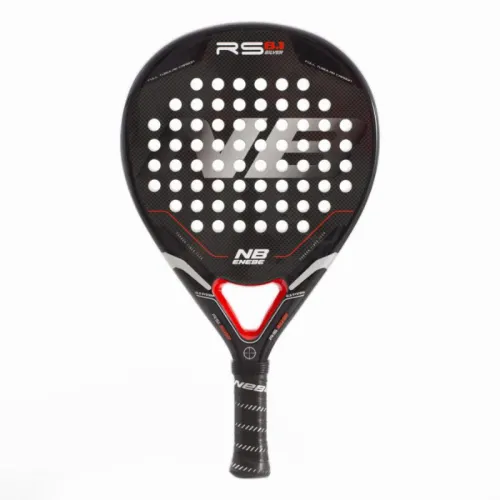
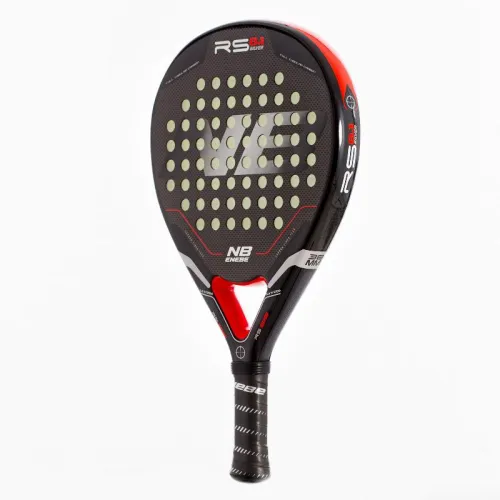
Using a padel racket that suits your playing style is essential. Brands such as Adidas, Bullpadel or Nox offer specific models for control and precision, essential elements when closing angles against aggressive rivals.
Why is it so difficult to close angles against powerful players
Closing angles against powerful hitters means anticipating fast, well-placed shots. Many players, when trying to do so, rush or overcompensate, ending up leaving spaces or making it easier for the counterattack. Not having the right padel shoes can also hinder lateral movements, essential in angle defense.
Most common technical mistakes
- Not bending the knees properly when closing the angle.
- Hitting the ball too early, without waiting for the optimal height.
- Using an inadequate grip that limits wrist mobility.
- Choosing the wrong type of racket, such as one that is too stiff or head-heavy.
Some players opt for technical clothing that facilitates freedom of movement, allowing better execution in defenses and attacks when closing angles.
What are the most serious positioning mistakes
Positioning is key. A frequent mistake is being too close to the net when trying to close the angle, leaving the back of the court exposed. It is also common not to take advantage of partner coverage, especially in doubles matches. In these cases, relying on padel accessories such as wristbands or grips can improve stability and comfort during abrupt movements.
Tips for improving positioning
- Maintain a balanced distance between the net and the back wall.
- Coordinate with your partner to cover possible parallel trajectories.
- Observe the rival's body language before anticipating the shot.
A common mistake is not checking the padel balls before the match. An irregular bounce can ruin your angle closing attempt.
How important are anticipation and reading the game
Anticipation is a skill that distinguishes experienced players. When facing powerful rivals, anticipating their shots and reading their body position can make the difference between closing the angle correctly or leaving a gap. Using Head rackets or Wilson, known for their control, can facilitate these types of plays.
Common tactical mistakes
- Misreading the direction of the rival's smash.
- Trying to finish the point too soon, exposing yourself to lobs or counterattacks.
- Not varying the depth of the shots when attempting to close angles.
Using quality racket bags ensures you carry everything you need to adapt your tactics as the match evolves.
How does the choice of equipment influence angle closing
It is not only the racket that matters. The condition of the shoes, the quality of the balls, and the grip of the overgrip all influence reaction capacity and precision. Checking the outlet offers can help you renew your equipment without overspending and keep you competitive.
Material recommendations
- Choose shoes with a good sole to avoid slipping.
- Use overgrips that absorb sweat effectively.
- Renew your balls regularly to avoid surprise bounces.
- Check out the latest releases to stay up-to-date with padel technology.
Remember that at TiendaPadelPoint you can find products from top brands like Asics, Babolat or Siux to take your game to the next level.
What routines and training help reduce mistakes when closing angles
Specific training for angle closing situations is essential. Working on lateral mobility, reaction, and coordination with your partner helps reduce mistakes. Using accessories such as cones or elastic bands in practice can simulate real match situations.
Recommended exercises
- Simulating quick movements to cover extreme angles.
- Practicing defensive and offensive shots from forced positions.
- Communication and coverage exercises in doubles.
- Training with balls of different pressures to adapt to any situation.
Take care of your recovery as well by using quality balls and recovery accessories to prevent injuries.
Padel Guide: Technical Knowledge and Experience Applied to the Game
tiendapadelpoint · Authority in padel, equipment and performance @ Copyright 2026
