










































































Guia de Padel - PadelPoint
Common mistakes in managing fatigue in padel
How poor fatigue management affects padel performance
Fatigue management in padel is a crucial aspect that directly influences performance, injury prevention, and athletic longevity. Many players, both amateurs and professionals, make common mistakes that limit their progress and increase the risk of discomfort or injury. In this article, we analyze the most frequent mistakes and how to avoid them to make the most of every match and training session.
Physical and mental fatigue in padel
Fatigue is not only physical but also mental. Accumulated tiredness can affect decision-making, coordination, and precision in decisive shots. Poor management can lead to unforced errors, performance drops, and, in the worst cases, prolonged injuries. Knowledge and prevention are fundamental for any player seeking to evolve in padel.
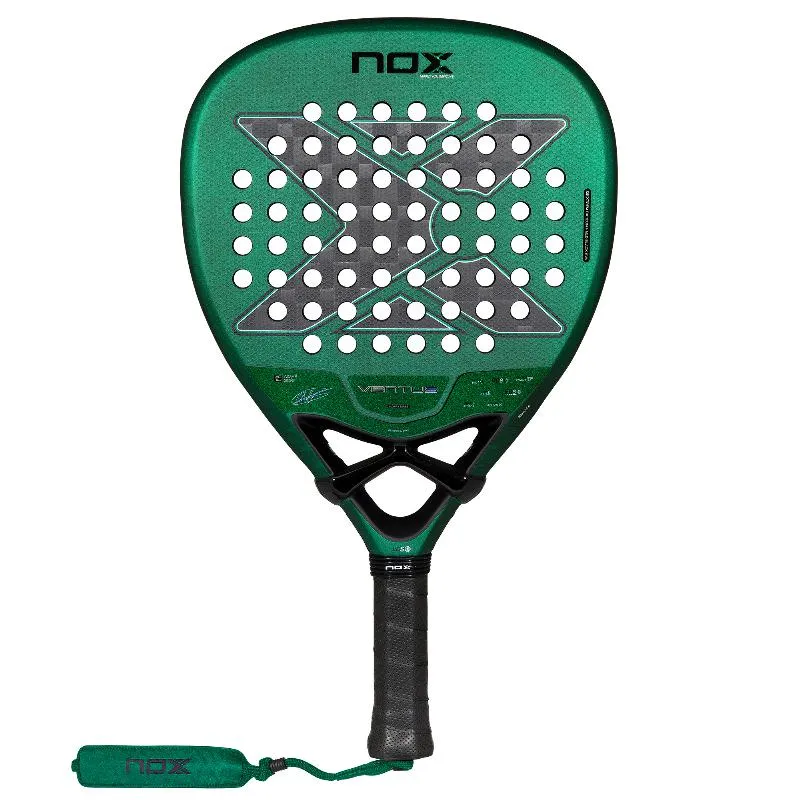
To combat physical fatigue, having the right equipment is essential. For example, good padel shoes absorb impact and improve muscle recovery. Additionally, padel accessories such as wristbands, grips, and technical clothing help maintain comfort during play.

Why is the importance of rest underestimated?
One of the most common mistakes is not valuing the importance of rest and recovery. Many players believe that more training is always better, but this can lead to muscle overload. Ignoring the body's signals and not respecting rest days is a mistake with medium and long-term consequences.
Active and passive recovery
Alternating intense training days with active recovery days (stretching, walking, light exercise) or passive recovery (complete rest) is essential to avoid chronic fatigue. Using padel balls in good condition and suitable material also helps reduce excessive effort during play.

What are the wrong habits in hydration and nutrition?
Neglecting hydration and nutrition is another frequent mistake. Muscle fatigue can be accentuated by insufficient liquid intake or a diet poor in essential nutrients. Players need to hydrate before, during, and after each session, and consume foods rich in carbohydrates, proteins, and minerals.
Intake planning and supplementation
Supplement use should always be on professional advice. Some products from brands such as Adidas, Asics, or Babolat can support recovery, but never replace a balanced diet.
How to avoid overtraining and injuries?
Overtraining is one of the main causes of accumulated fatigue. Not varying training intensity and playing too many matches in a short period can lead to injuries such as tendinitis, muscle contractures, or chronic fatigue.
Rotation and variety in training
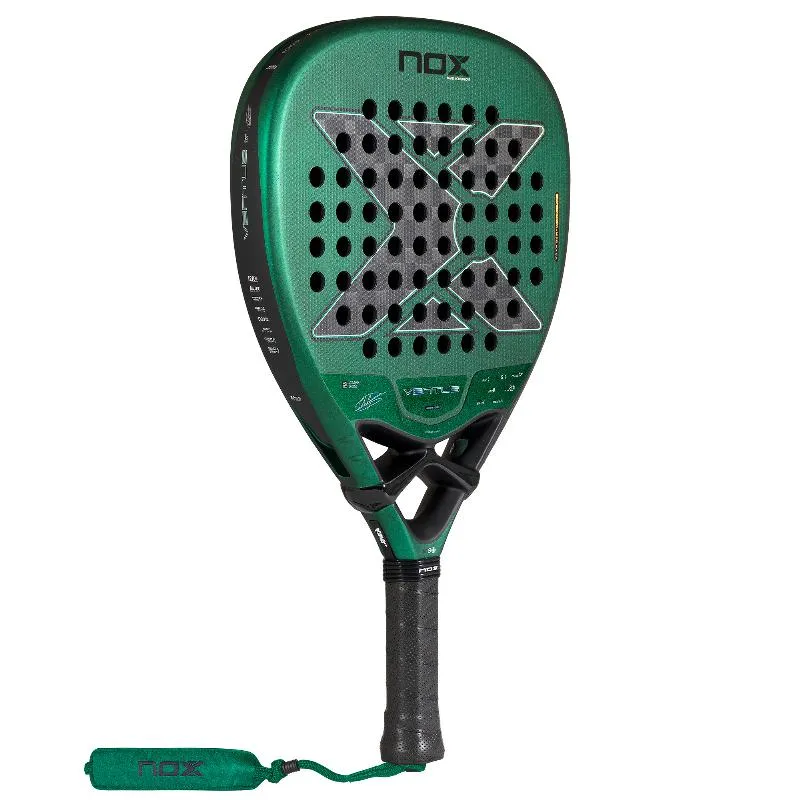
Varying exercises, alternating matches with technical sessions, and incorporating strength and flexibility training are crucial for comprehensive preparation. Using padel rackets suited to your level and style also helps optimize effort.

Using rackets bags and good textile equipment helps transport and store gear in optimal condition, preventing wear and tear that can cause discomfort and increase physical effort.
What role do mental preparation and motivation play?
Not paying attention to the mental aspect is a serious mistake. Stress, pressure, or lack of motivation can increase the feeling of fatigue. Techniques such as visualization, breath control, and psychological preparation are as important as physical training.
Psychological work and concentration routines
Professional support, such as working with sports coaches or psychologists, is increasingly common among advanced players to maintain concentration and emotional balance. Likewise, choosing quality products from brands such as Black Crown or Bullpadel can be an extra motivator.
Ultimately, fatigue management in padel requires a global approach: rest, equipment, nutrition, and mindset. At TiendaPadelPoint you will find everything necessary to play at the highest level and avoid mistakes that limit your progress.
Padel Guide: Technical Knowledge and Applied Game Experience
tiendapadelpoint · Authority in padel, equipment and performance @ Copyright 2026
