

















Guia de Padel - PadelPoint
Effective communication in padel doubles strategy
The importance of communication for doubles success in padel
Communication in padel is a key factor for achieving maximum effectiveness in doubles strategy. In a sport where synchronization and joint decision-making can make the difference, talking and understanding each other on the court is essential to anticipate plays, cover spaces, and enhance each player's strengths. In this sense, both verbal language and gestures and signals become indispensable tools to optimize joint performance.
One key aspect is that communication is not just about warning of the opponent's position or type of shot, but also covers motivation, emotional support, and error management. Thus, players who cultivate positive and constructive communication achieve greater mutual trust and minimize unforced errors, which translates into better results.
Synchronization and decision-making in doubles
In doubles strategy it is vital to anticipate the opponent's intentions and maintain precise coordination. To achieve this, padel tools and accessories can help optimize communication, allowing players to train signals and routines for different game situations. For example, using short, clear phrases and pre-established gestures helps decide quickly who covers the net or drops to the baseline.
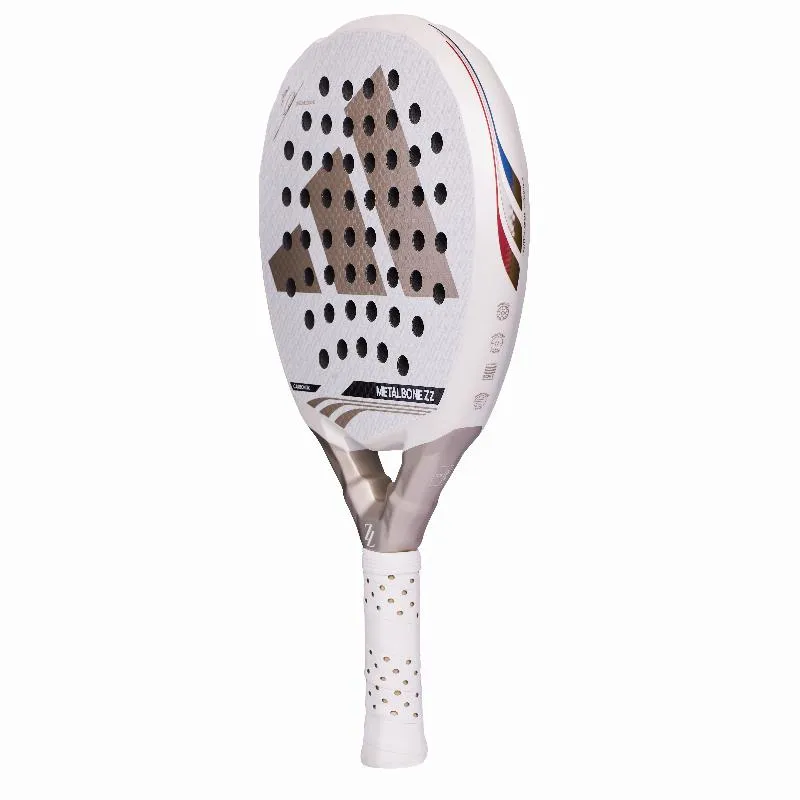
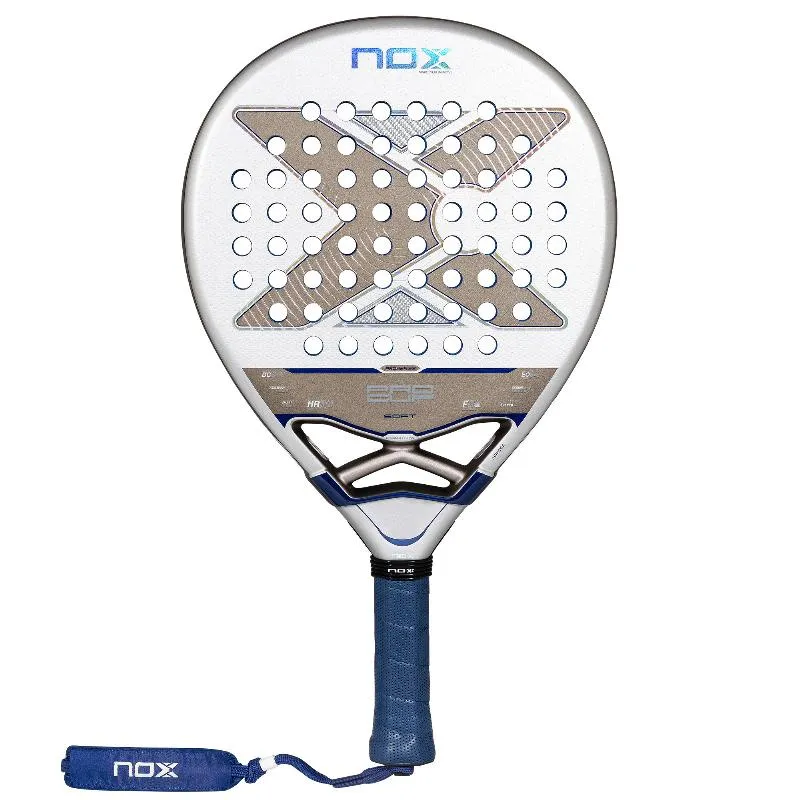
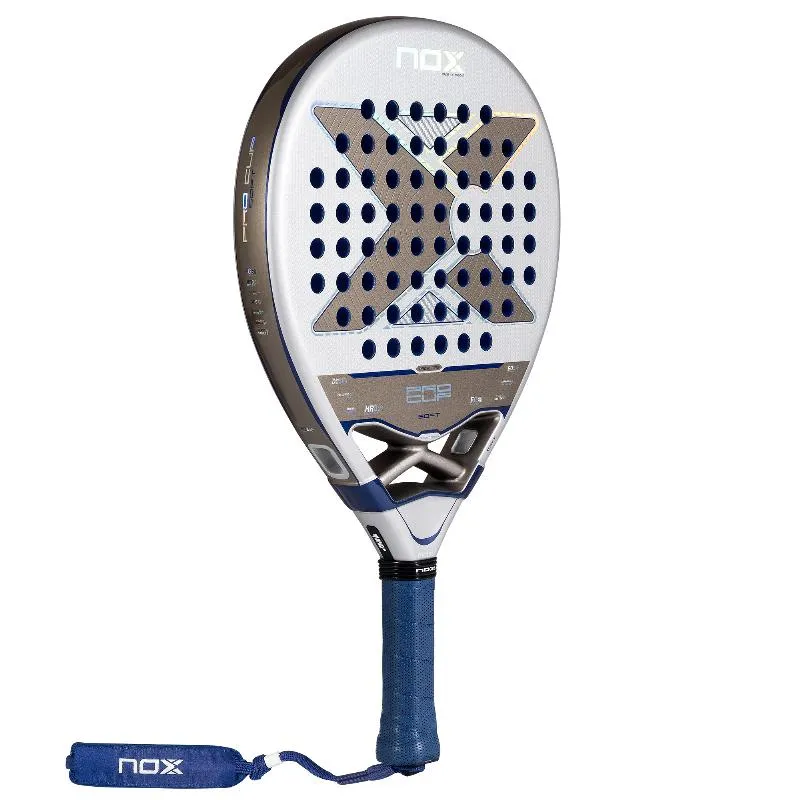
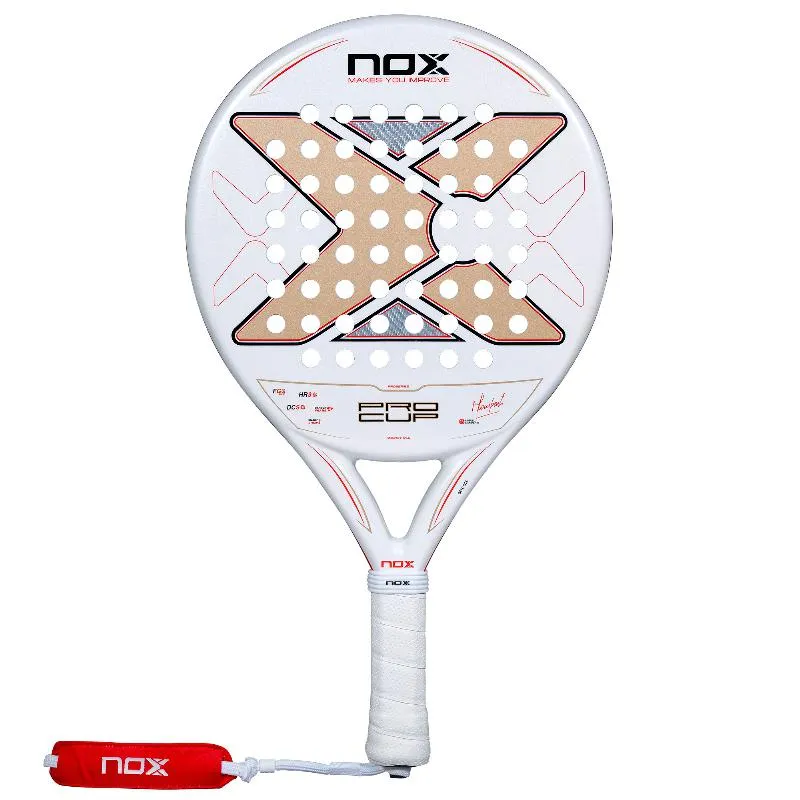
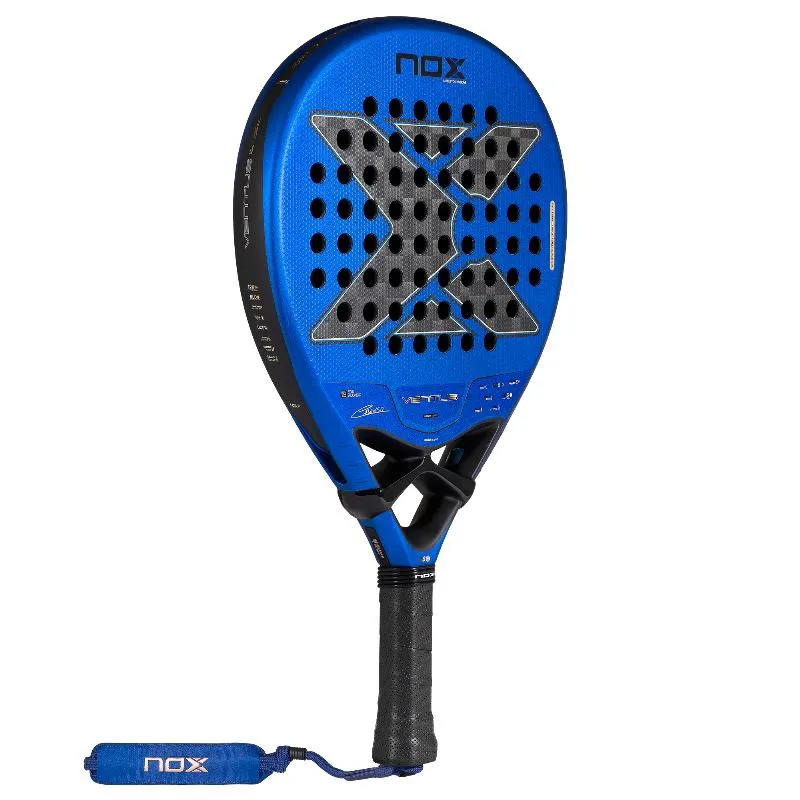
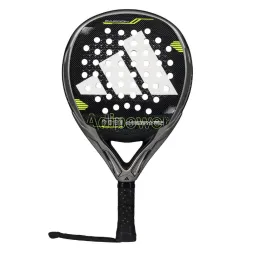
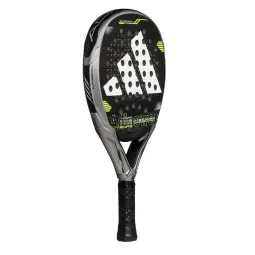
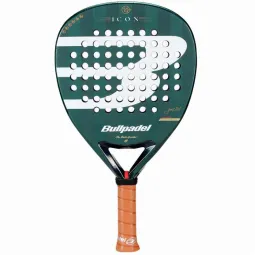
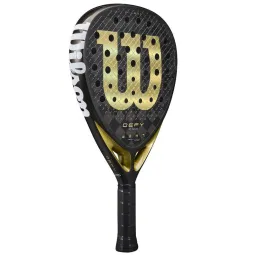
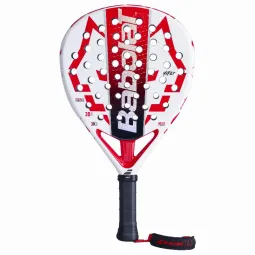
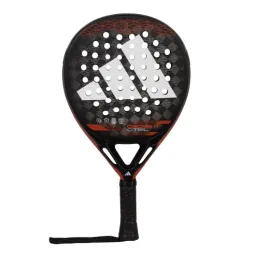
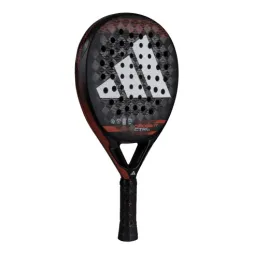
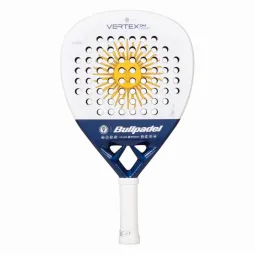
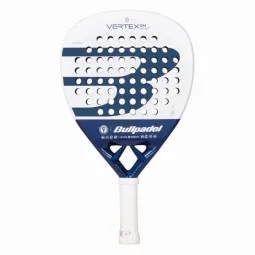
Moreover, choosing the right padel racket according to each partner's playing style also reinforces communication, as it allows each player's individual strengths to be maximized within an overall strategy.
What are the keys to effective communication in padel?
Effective communication during padel matches is based on several fundamental pillars:
- Clarity and brevity: Use simple, direct messages, especially at critical moments in the match.
- Non-verbal signals: Gestures, looks, and body movements also convey information and allow anticipation of plays.
- Emotional support: Encouraging your partner after a mistake or celebrating points together strengthens the bond and motivation.
- Continuous feedback: Discussing between points what is working or can be improved helps adjust tactics in real time.
- Respect and empathy: Maintaining a constructive attitude allows communication to flow and avoids unnecessary friction.
The importance of equipment choice
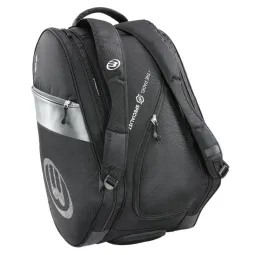
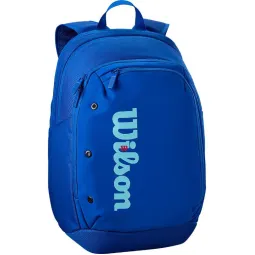
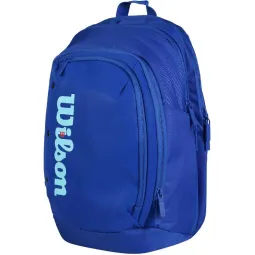
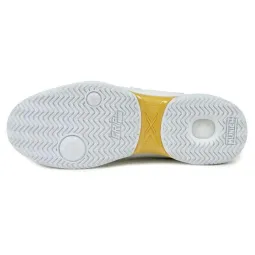
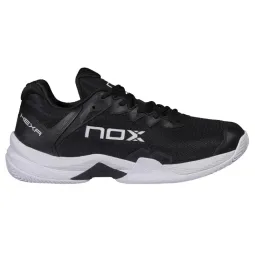
Having the right padel shoes and other accessories like racket bags helps players feel comfortable and secure, which fosters a better communicative environment on court. When players trust their equipment, they can focus on strategy and interaction with their partner.
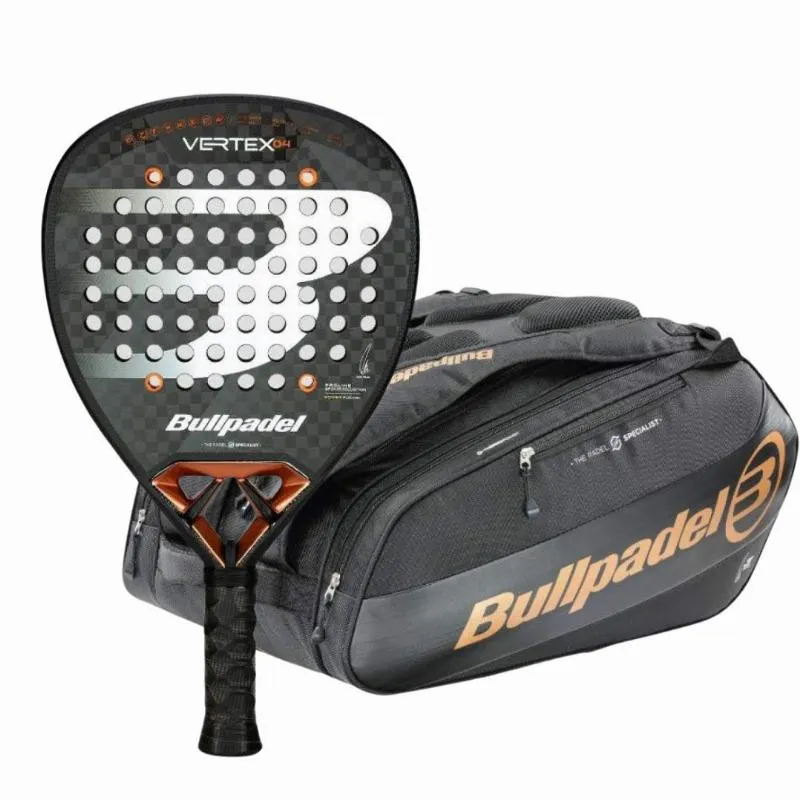
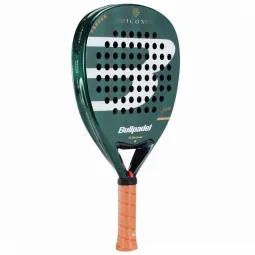
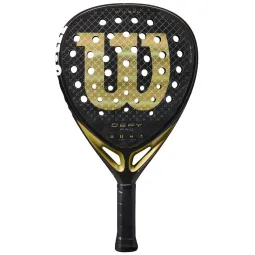
At TiendaPadelPoint you will find a curated selection of products from top brands like Adidas, Bullpadel, Black Crown, Head or Wilson, perfect for boosting your doubles game.
How do emotions and motivation influence doubles communication?
The emotional aspect is crucial for communication to flow naturally and effectively. In padel, situations of pressure, mistakes, or critical points can create tension between partners. Managing these emotions through words of encouragement, respect, and mutual understanding helps overcome tough moments and maintain team cohesion.
Celebrating successes, recognizing effort, and maintaining a positive attitude even when things don't go as expected are gestures that greatly contribute to doubles success. Thus, communication technique goes hand in hand with emotional intelligence, making the team stronger in adversity.
Gestures and routines to reinforce trust
Using routines before serving or between points, such as the classic "paddle tap" or a brief conversation, helps reinforce trust and concentration. These small actions consolidate the partnership and mentally prepare players to face the next point with renewed energy.
What mistakes should be avoided in communication during a padel match?
Some common mistakes can undermine communication and, therefore, doubles strategy:
- Discrediting your partner: Excessive or negative correction can generate insecurity and resentment.
- Not listening: Ignoring your partner's suggestions or comments prevents joint improvement.
- Lack of clear signals: Doubts or ambiguous messages can cause misunderstandings and tactical errors.
- Negative body language: Gestures of frustration or discouragement transmit insecurity and lower team morale.
Avoiding these mistakes and opting for constructive, respectful communication is the key to growing as a doubles team on court.
The role of prior preparation
Before each match, it is advisable to establish strategies, review plays, and define signals in advance. Thus, during play, the partnership will feel more secure and prepared to handle any situation. Additionally, training with the best padel balls and technical clothing enhances performance and comfort on court, ensuring nothing distracts from communication and tactics.
How to train communication in padel to improve doubles strategy?
Communication is not just a natural gift; it can and should be trained to achieve a solid, competitive padel partnership. There are specific exercises and practical recommendations:
- Simulating real situations: During training, recreate match scenarios and practice joint decision-making.
- Using keywords: Establish simple terms for specific actions ("mine", "yours", "up", "down").
- Feedback sessions: After each set or match, analyze communication and identify areas for improvement.
- Practice non-verbal signals: Train gestures and looks for situations where noise or distance prevents talking.
- Trust-building dynamics: Games and exercises that foster empathy and cooperation.
It is also advisable to stay updated on news in techniques and equipment, as innovation also affects how doubles teams train and communicate.
Advantages of solid communication on court
A pair with good communication gains:
- Faster decision-making
- Fewer unforced errors
- Better court coverage
- Greater trust and cohesion
- Higher chances of victory
In short, communication is the glue that unites the pair and allows you to get the most out of your strategy, technique, and each player's talent.
Padel Guide: Technical Knowledge and Game Experience
tiendapadelpoint · Padel authority, equipment and performance @ Copyright 2026