













Guia de Padel - PadelPoint
Exercises to Improve Communication in Padel
The Importance of Communication in Padel Play
Communication in padel is one of the fundamental pillars for achieving fluid and effective doubles play. It's not enough to have the best technique or a state-of-the-art padel racket; mutual understanding on court is essential to anticipate moves, avoid collisions, and make tactical decisions. Players of all levels, from beginners to professionals, should train communication as a central part of their preparation.
At TiendaPadelPoint, we know that verbal and gestural coordination between teammates can make the difference between winning or losing a crucial point. There are specific exercises you can implement in training sessions to make communication as automatic as hitting the ball.
What Are the Best Exercises to Train Communication in Padel?
To enhance communication in padel, it's advisable to adopt routines that integrate both verbal (keywords or instructions) and non-verbal parts (gestures, looks, and body movements). Here are some practical exercises:
- Simulated point play: Play points where both players must loudly announce who is going for the ball ("mine," "yours") and what shot they will play.
- Keyword training: Establish short, clear words for specific situations, such as "cross" to indicate a change of direction, or "up" to notify both players to approach the net.
- Role-playing games: During a series of points, one player takes on the role of "leader," constantly communicating, while the other responds and executes.
- Execution under pressure: Create match situations that require instant communication for quick decision-making, such as surprise lobs or unexpected changes in pace.
- Immediate feedback: After each point, players should briefly discuss what worked and what could be improved.
All of these exercises can be performed with the right equipment, such as high-visibility padel balls and accessories that facilitate training.
How Do Materials and Accessories Affect Communication?
The material you use in padel can directly influence communication quality. For example, suitable padel shoes enable more agile and secure movements, making it easier to coordinate with your partner. Additionally, comfortable padel clothing encourages freedom of movement and body expression, essential elements for non-verbal communication.
Brands such as Adidas, Babolat, or Head offer products specially designed for players who want to optimize all aspects of the game, including communication and on-court understanding.
Tips for Choosing the Ideal Equipment for Your Team
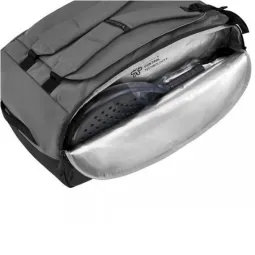
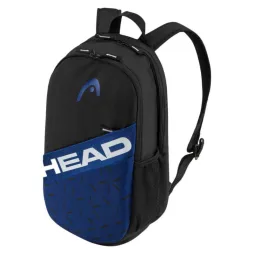
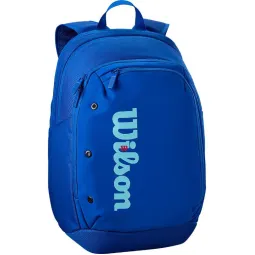
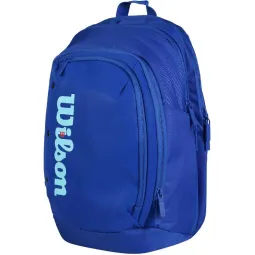
Selecting the right equipment is key to improving communication. Consider the racket's weight, the quality of the balls, and the comfort of the racket bag for transporting your belongings. Take advantage of the OUTLET section to update your gear without sacrificing quality.
Why Is Communication Crucial for Padel Tactics?
Padel tactics are closely linked to communication skills. A well-communicated team can anticipate plays, cover empty spaces, and adapt to opponents' strategies. Communication training helps establish signals and routines, such as synchronized movement to the net or covering the side wall. These actions require mutual trust and understanding, achieved only through conscious practice.
Efficient communication also minimizes unforced errors and confusion, two of the most frequent causes of lost points for both amateur and professional padel players. The key lies in practicing both direct communication and the interpretation of gestures and postures, which can be trained with specific exercises and practice matches guided by an experienced coach.
Common Communication Errors During a Match
- Not notifying a partner when going for a questionable ball.
- Lack of response to a partner's instructions.
- Not using pre-agreed keywords.
- Verbal disconnection after an error or lost point.
These errors can be avoided with constant practice and by including communication exercises in every training session.
What Role Do Emotions Play in Padel Communication?
Emotions directly influence the quality of communication. Pressure, frustration, or euphoria may cause messages between teammates to be distorted or lose clarity. That's why it's essential to include emotional control exercises within communication training.
Managing emotions helps maintain positive and constructive communication, even in adverse match situations. Verbal and gestural support, encouragement, and the ability to recover after a mistake are aspects that strengthen the partnership and enhance overall performance on the court.
Exercises to Maintain Positive Communication
- Carry out positive reinforcement exercises after each point.
- Use motivational phrases and supportive gestures.
- Practice active listening to understand your partner's needs and feelings.
Including these exercises in your routine not only improves communication but also strengthens the bond between players, making them more competitive and solid as a team.
How to Adapt Communication Exercises According to Skill Level?
Communication is trained differently depending on the players' level. For beginners, it's essential to learn the basics: announcing who will go for the ball and using simple words. At intermediate levels, specific keywords and shared leadership exercises can be introduced. For advanced players, communication becomes more tactical, with gestural signals and complex routines adapted to each match situation.
At TiendaPadelPoint you'll find everything you need to take your game to the next level, from rackets and padel accessories to technical clothing and specialized footwear. Don't forget to visit the new arrivals section to keep up with the latest releases.
Padel Guide: Technical Knowledge and Applied Game Experience
tiendapadelpoint · Authority in padel, equipment and performance @ Copyright 2026