




















































































Guia de Padel - PadelPoint
Materials in control rackets and their impact on performance
The importance of materials in control rackets for demanding players
In the world of padel, choosing the right racket is essential to boosting your on-court performance. Control rackets are especially valued by players who prioritize accuracy and ball mastery. But how much do materials influence a control racket's behavior during play?

Leading brands such as Adidas, Bullpadel or Head invest heavily in innovation to deliver rackets that optimize the experience, selecting compounds and fibers that provide the perfect balance between control, feel and durability.
Most used materials in control rackets
Control rackets are usually made with materials that enhance handling and accuracy:
- Fiberglass: Offers a soft feel and great control, ideal for players who want to manage every point with precision.
- Carbon: Used in different layers, it provides rigidity and durability without losing sensitivity. Carbon rackets respond better to intermediate and advanced players.
- EVA rubber: The preferred core for its flexibility and shock absorption, allowing greater control on ball exit.
- Foam: An alternative that offers greater bounce and softness on contact.
Brands such as Nox and Siux have developed their own technologies by combining these materials to offer rackets with excellent control features.
How does the choice of materials affect accuracy and control?
The composition of a control racket largely determines its ability to help the player direct the ball accurately. Fiberglass provides greater flexibility, resulting in a wider sweet spot and a more forgiving strike, while carbon gives more firmness to players with refined technique.
Impact on feel and response
The core material (EVA or foam) directly affects the racket's response on impact. A soft EVA rubber provides more sensitivity and better vibration absorption, making it ideal for those who experience elbow discomfort or seek maximum control in precision shots.
In addition, the choice of materials influences the total weight and balance of the racket, crucial aspects for maneuvering easily and anticipating in defensive play.
Which materials are better for intermediate and advanced players?
For intermediate players looking to step up their game, the combination of soft EVA core and fiberglass faces is the most suitable, as it facilitates the learning of technical shots with great control.
On the other hand, advanced players usually prefer rackets with carbon layers on their faces, which allow for more powerful shots without losing control, thanks to the rigidity and responsiveness of this material.
Advantages of customization in top brands
Brands such as Starvie or Babolat offer control rackets with different material combinations, allowing each player to find the perfect balance between handling, ball exit and durability.
How to choose the best control racket according to materials?
The choice should be based on the player's playing style, technical level and physical needs:
- Players seeking precision: Choose rackets with a soft core and fiberglass surface.
- High-level players: Rackets with several carbon layers for total control even in the most demanding shots.
- Injury prevention: Materials that absorb vibrations, such as foam or soft EVA, help reduce the risk of tennis elbow.
Additional factors to consider
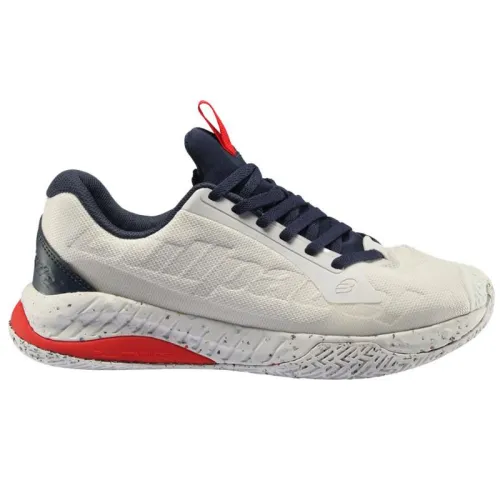
It's not just the material: the right accessory, such as good padel shoes or a quality racket bag, also adds to overall performance.
Where to find the best control rackets and material innovations?
If you're looking for the perfect control racket or want to stay updated with the latest innovations in materials and technology, at TiendaPadelPoint you'll find an up-to-date catalog featuring top brands like Bullpadel, Adidas, and Head. You can also complement your purchase with padel clothing and all kinds of balls and accessories to take your game to the next level.
Padel Guide: Technical Knowledge and Game Experience
tiendapadelpoint · Authority in padel, equipment and performance @ Copyright 2026
