



















































































Guia de Padel - PadelPoint
Ideal surfaces for padel and tennis
The impact of surface on padel and tennis play
Choosing the right surface for playing padel or tennis is key to improving performance, preventing injuries, and enjoying an optimal playing experience. In both padel and tennis, the court surface affects ball speed, bounce, traction, and player comfort. In this article, we analyze the most common options, their pros and cons, and equipment recommendations for each.

How does surface affect your playing style?
Each surface alters match dynamics. For example, an artificial grass court favors a faster, more slippery game, while concrete provides more stability and bounce. In tennis, clay slows down the ball and allows for long rallies, ideal for players who prefer strategy and endurance. Understanding these differences can help you choose the right padel shoes or tennis footwear, optimizing performance and minimizing injury risk.
What are the most common padel court surfaces?
In padel, the most popular surface is artificial grass, as it provides an ideal balance of grip, bounce, and comfort. Padel courts can also be made of porous concrete or synthetic resin, though these are less common in professional competitions. Artificial grass stands out for reducing joint impact, making it perfect for both amateurs and professionals.
Advantages of artificial grass in padel
- Better cushioning and injury reduction.
- Greater durability under heavy use.
- Allows for fast, dynamic play.
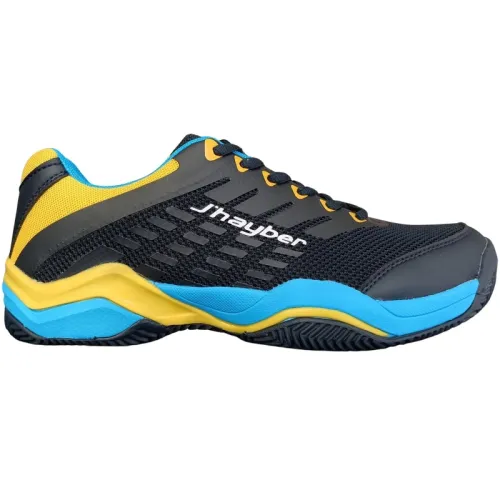
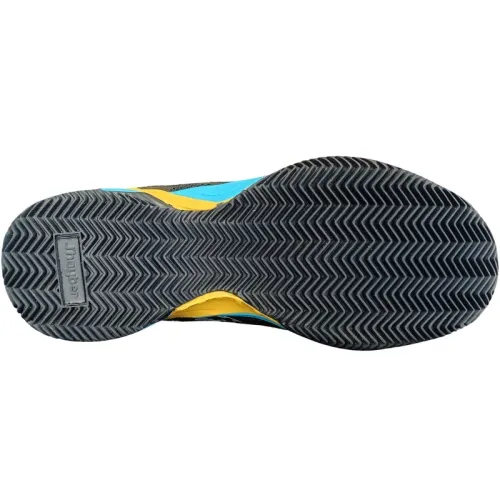
To make the most of this type of court, it's best to use specific padel shoes with clay or spike soles, which enhance grip and mobility.
What types of surfaces exist in tennis and which is best?
Tennis offers a wider variety of surfaces:
- Clay: Famous for tournaments like Roland Garros, slows down play and favors defense.
- Cement or hard court: Seen in tournaments like the US Open, a hard, fast surface that requires good footwear and physical preparation.
- Natural grass: Typical of Wimbledon, offers low bounce and high speed, ideal for serve-and-volley players.
The choice depends on playing style, level, and fitness. For example, baseline players usually prefer clay, while offensive players opt for grass or cement.
Why is it important to adapt equipment to the surface?
The gear you use should suit the surface. In padel balls and tennis, there are specific models for each court type, designed to optimize bounce and durability. In addition, padel clothing and accessories influence breathability and comfort depending on temperature and surface characteristics.
How to choose the ideal surface based on level and frequency?
If you are a beginner, it's best to start on artificial grass courts for padel and clay for tennis, as they are softer on the joints and allow you to learn the technical basics. Advanced players may seek faster or more demanding surfaces to perfect tactics and reflexes.
Frequency is also key: those who play daily need durable materials and surfaces that minimize physical wear. In these cases, choosing quality padel accessories is crucial to maintaining performance and avoiding injury.

Recommendations for choosing court and gear
- Consider your area's climate and humidity, as these affect grip and wear.
- Use padel racket bags to transport your gear safely.
- Check out the latest court and gear developments in the New Arrivals section.
Which brands stand out in surfaces and equipment?
The market offers a wide range of leading brands in equipment for both padel and tennis. Specialized manufacturers such as Adidas, Bullpadel, Asics, Head or Babolat stand out, offering everything from adapted padel rackets to technical padel shoes for every surface.
Where to find the best gear for every surface?
At TiendaPadelPoint you will find a selection of the best brands and personalized advice to choose the surface and gear that best suit your game. Explore the padel clothing, padel balls and padel accessories sections to get the most out of every court.
Padel Guide: Technical Knowledge and On-Court Experience
tiendapadelpoint · Padel authority, gear and performance @ Copyright 2026
