



















































































Guia de Padel - PadelPoint
Court surface type and its impact on shoulder and elbow injuries
Impact of different court types on joint health
Padel is a booming sport, and with its growth come questions about how the court surface influences the onset of injuries, especially to the shoulder and elbow. The dynamic nature of the game requires repetitive and abrupt movements that, depending on the surface, can alter body biomechanics and increase the risk of discomfort or chronic injuries.

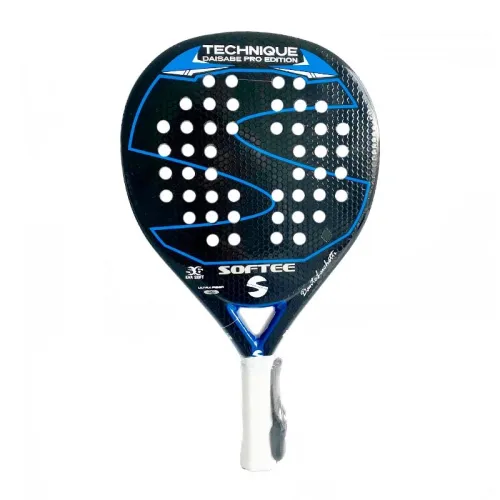
Choosing the right padel racket and adapting to the court are key factors in injury prevention. Playing on artificial grass, carpet, concrete, or synthetic resins is not the same, as each surface behaves differently in absorbing impacts and modifying player stability and traction.
Common padel surfaces and their effects on players
The most common padel courts are made of artificial turf, concrete, and synthetic resin. Artificial turf is generally kinder to joints due to its cushioning capacity, while hard surfaces like concrete transmit more vibrations to the body, increasing fatigue and the risk of shoulder and elbow injuries.

The choice of padel balls can also influence this, as a faster or higher-bouncing ball can increase the physical demand on the dominant arm.
Which surfaces pose the greatest risk to shoulder and elbow?
Concrete and synthetic resin surfaces, while offering excellent playing speed and durability, transmit stronger vibrations and reaction forces to the player's musculoskeletal system. These vibrations are transferred through the racket and arm, leading to overloads in the elbow (epicondylitis or tennis elbow) and shoulder (tendinitis or rotator cuff injuries).
Conversely, artificial turf with sufficient sand infill cushions impacts more, reducing vibration transmission and, consequently, the risk of joint injuries to the shoulder and elbow.
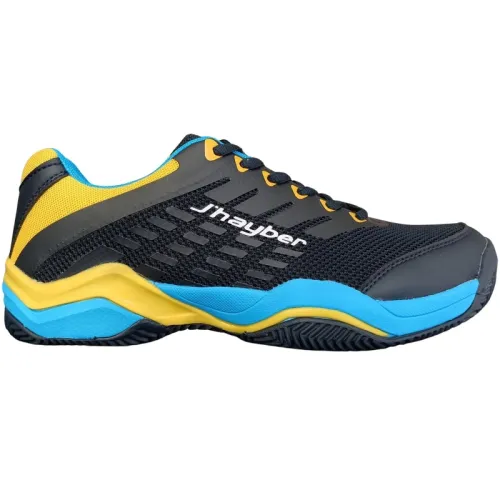
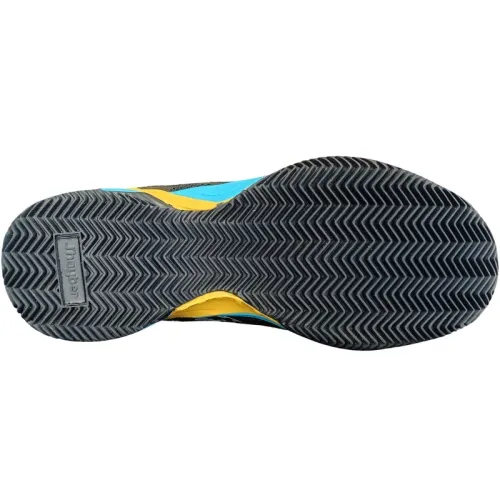
padel shoesThe importance of quality padel shoes lies in their ability to absorb part of the impact, helping to reduce the load on the upper limbs.
Why do vibrations affect the elbow and shoulder?
Vibrations generated on hard courts travel through the racket and forearm, reaching the elbow and shoulder joints. If not properly dissipated, they can cause micro-injuries, inflammation in tendons and ligaments, and eventually lead to conditions like epicondylitis or rotator cuff tendinitis. Using specific accessories can help mitigate these effects, such as padel accessories designed to absorb vibrations.

How to prevent shoulder and elbow injuries depending on the court?
Prevention is essential, especially if you play regularly or on hard surfaces. Here are some tips:
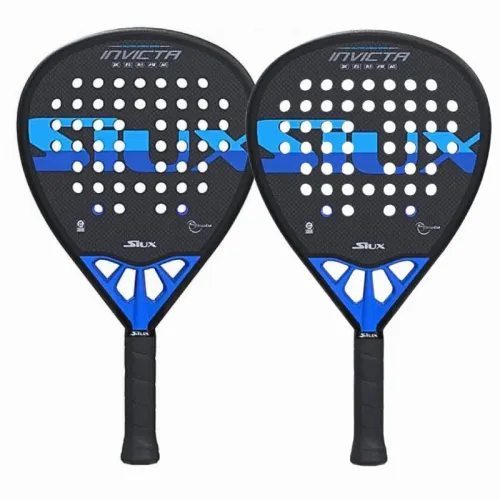
- Choose rackets with anti-vibration systems or impact-absorbing materials, such as those from renowned brands: Adidas, Bullpadel, Head, or Nox.
- Use padel-specific shoes that offer good cushioning and grip, adapted to each court type.
- Perform warm-up and stretching exercises for shoulder and elbow before and after playing.
- Replace your equipment when you notice a loss of cushioning properties.
- Try to alternate playing surfaces if you are a regular player, giving your shoulder and elbow time to recover.
Recommended accessories for joint protection
In addition to rackets and shoes, padel accessories like elbow pads, wristbands, and special grips can help reduce vibration transmission. These products can be found in the Accessories section of our store.
What role do brands and innovation play in reducing injuries?
Leading brands such as Adidas, Bullpadel, Head, Nox, Asics, or Babolat have developed specific technologies to minimize injuries, such as cores with greater impact absorption, ergonomic handles, and cutting-edge materials. Always check the new arrivals in equipment to stay at the forefront of protection and performance.
The importance of professional advice
At TiendaPadelPoint you will find specialized advice to choose the most suitable gear for your playing style and the surface you usually play on. Our team will help you prevent injuries and optimize your experience on the court.
How does equipment influence adaptation to the court?
The right equipment is essential to adapt to any surface and minimize injury risks:
- Padel rackets: Look for models with anti-vibration technology and flexible materials.
- Padel shoes: Choose soles specific to each court type to improve cushioning and grip.
- Accessories: Adding grips, elbow pads, and wristbands can make a difference in protecting shoulder and elbow.
Explore our padel accessories section and discover the most innovative products for joint protection.
Final recommendations for safe play
A combination of good technique, quality equipment, and proper physical maintenance is key to enjoying padel while avoiding injuries. Remember to check the new arrivals in gear and follow professional recommendations to take care of your health in every match.
Padel Guide: Technical Knowledge and Applied Experience for the Game
tiendapadelpoint · Padel authority, gear and performance @ Copyright 2026
