

















































































Guia de Padel - PadelPoint
Key criteria for selecting new padel brands
How distributors assess the incorporation of new padel brands
In the competitive world of padel, the selection of new brands to integrate into a distributor's catalogue is a strategic decision that can make a significant difference in commercial success. Specialized stores such as TiendaPadelPoint must thoroughly analyze various factors before betting on an emerging or established brand. From product quality to brand support, including demand, innovation, and profitability, every aspect counts to offer customers the best in the market.
The importance of quality and reputation in brand selection
One of the first criteria considered is the quality of the products. Renowned brands like Adidas, Bullpadel, or Head have long proven their reliability and performance. Distributors value the manufacturer's track record and reputation, as well as user reviews and results in official competitions.
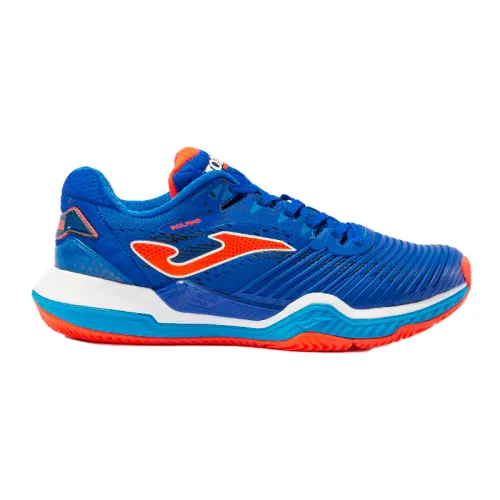
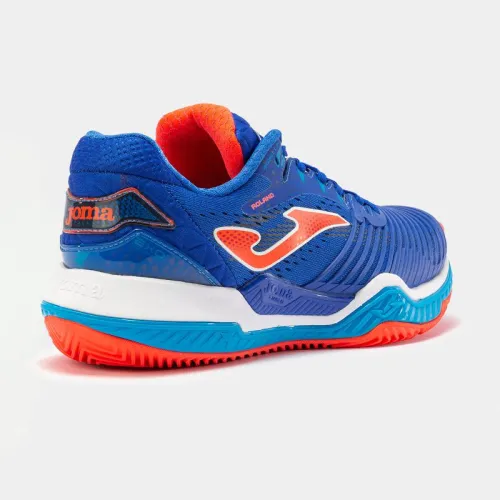
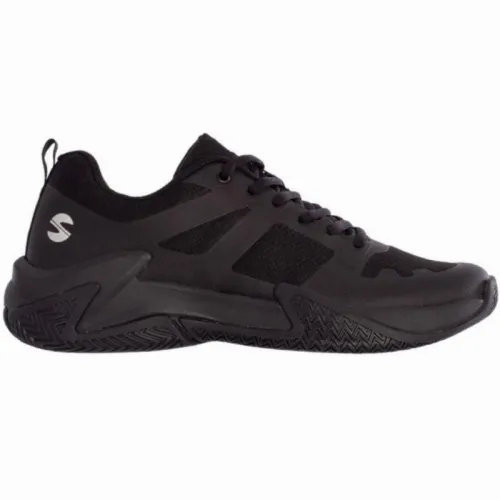
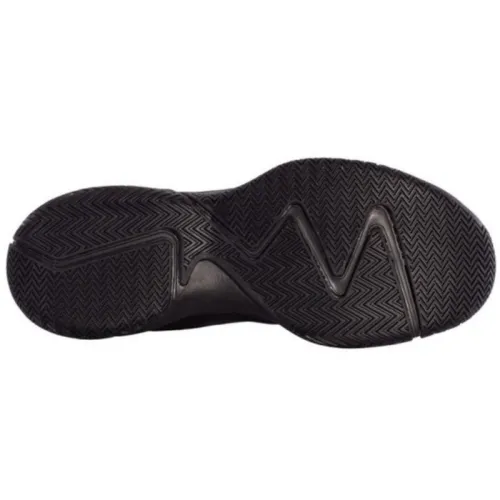
In addition, brands are checked to ensure they meet the quality standards required in the sector, both in padel rackets, padel shoes and accessories.
How much does innovation matter when choosing padel brands?
Innovation is a key factor. Distributors look for manufacturers that present advanced technologies, new materials, and disruptive designs. For example, brands like Siux and Starvie stand out by incorporating innovative solutions into their products, attracting both professional and amateur players.
A brand's ability to consistently launch new products strengthens its position in the market and makes it an appealing option for any distributor.
Market demand and current trends
Analyzing demand is essential. Distributors study which brands are most requested in the market and which are setting trends. For instance, the rise of brands like Nox or Babolat responds to a growing demand for high-performance products. It is also vital to meet specific needs in different categories such as padel clothing or padel balls.
How does profitability influence a distributor's decision?
Profitability is a decisive criterion. Distributors assess the profit margin offered by each brand and the ease of rotating stock. Brands with balanced pricing policies, promotions, and point-of-sale support, such as Dunlop or Asics, are particularly valued. The possibility to access OUTLET products is also considered, enabling attractive options for different customer profiles.
Brand support and customer service
After-sales service, commercial support, and quick product delivery are fundamental aspects. Distributors look for brands that offer efficient technical support and flexible policies for incident management. Brands like Vibora or Wilson stand out for their customer commitment and ability to respond to any situation.
What role do exclusivity and differentiation play?
Exclusivity adds value. Offering products from brands not available everywhere, such as 4on or Aca Padel, provides a competitive edge for the distributor. Differentiation is key to attracting demanding customers and strengthening the shop's identity.
Wide range of products and categories
A distributor seeks brands that offer a complete range of products. From racket bags to clothing, as well as accessories and footwear, variety satisfies all the needs of padel enthusiasts. Having a diverse catalogue like TiendaPadelPoint is synonymous with trust and professionalism.
What benefits does the incorporation of new brands bring to the shop and the customer?
Introducing new brands to the catalogue directly impacts both the shop and the customer. It allows the offer to be renewed, to adapt to trends, and to offer exclusive products that retain loyal customers and attract new audiences. Furthermore, competition between brands generates better prices and higher market quality.
Commitment to sustainability and social responsibility
Increasingly, distributors value brands' commitment to sustainability, the use of eco-friendly materials, and social responsibility. Brands that opt for responsible innovation and reduced environmental impact are better received by today's consumers.
- Quality and manufacturer reputation
- Applied innovation and technology
- Real demand and market trends
- Profitability and commercial margin
- Support and after-sales service
- Exclusivity and differentiation
- Variety and catalogue breadth
- Commitment to sustainability
In short, selecting new brands is an integral process that requires analysis, sector knowledge, and a customer-oriented vision. Betting on established and emerging brands, like those mentioned in this article, enables any distributor to stay at the forefront of the padel sector.
Padel Guide: Technical Knowledge and Applied Game Experience
tiendapadelpoint · Authority in padel, equipment and performance @ Copyright 2026
