











Guia de Padel - PadelPoint
Differences between cross and parallel coverage in padel
Understanding cross and parallel coverage in padel
In padel, players' positioning and tactical movement on the court are crucial to making a difference in match results. Two fundamental concepts every player must master are cross coverage and parallel coverage. These defensive and offensive variants directly influence the pair's effectiveness against rival attacks and the optimization of space during play.
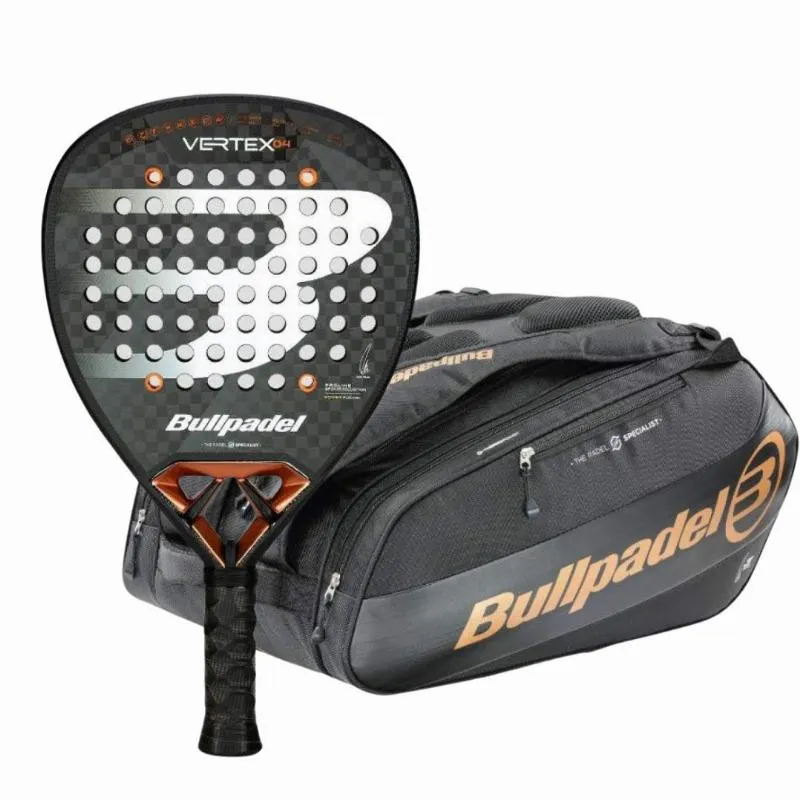
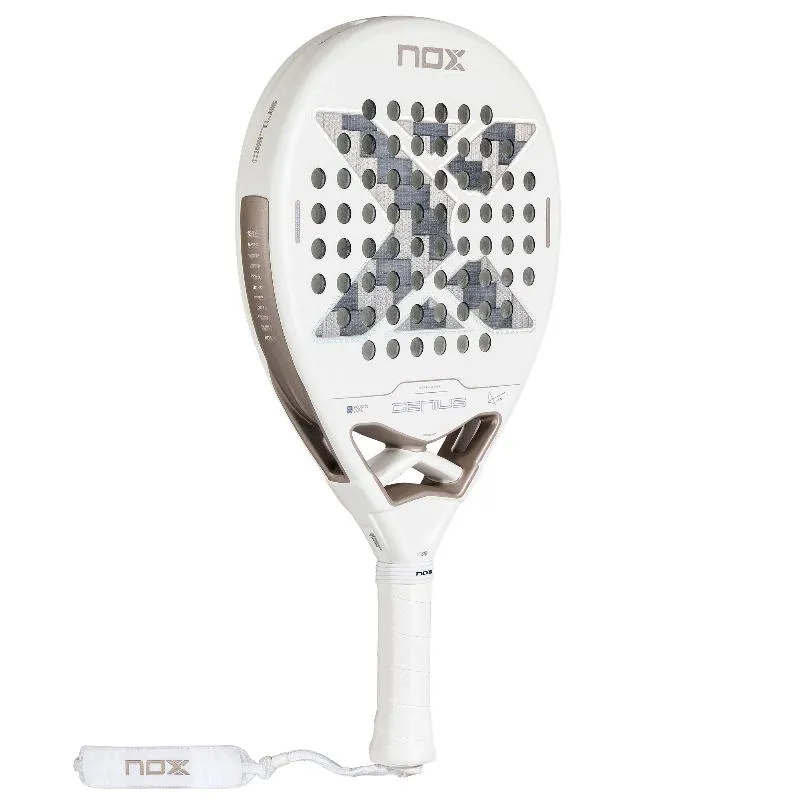
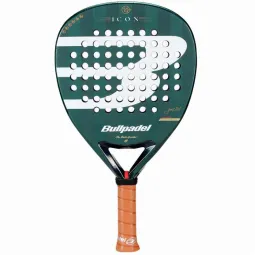
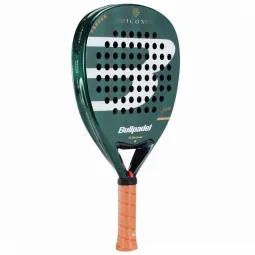
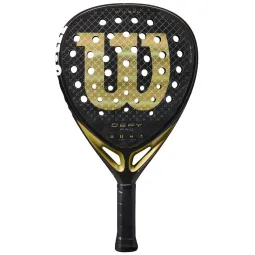
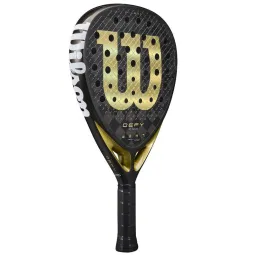
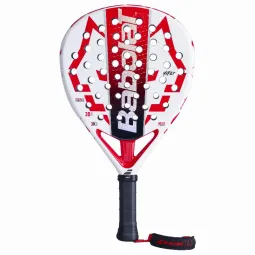
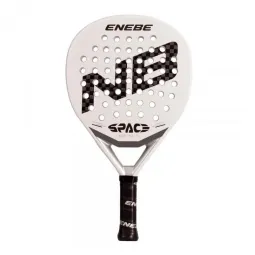
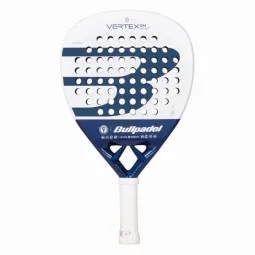
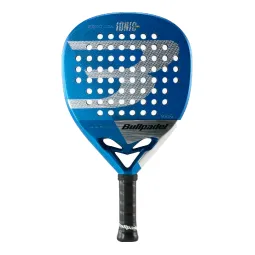
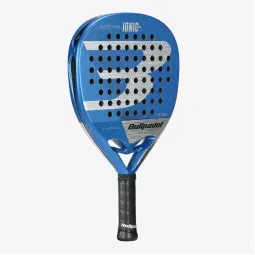
The choice of the right padel racket is key to properly executing both coverages, as control and maneuverability can make court movements easier or harder. In addition, having the best padel accessories facilitates a quick and effective response to changes of direction and unexpected crossings.
At TiendaPadelPoint we offer you a wide catalog of products from leading brands such as Adidas, Babolat and Bullpadel so you can enhance your game and adapt to any coverage tactic.
What is cross coverage?
Cross coverage means that a player covers the diagonal of the court, moving to the opposite side to support their partner against a shot sent in that direction. It is a reactive move to lobs, volleys, or smashes that go to the far back, allowing defense of areas that would otherwise be uncovered.
When is parallel coverage used?
Parallel coverage is used when both players maintain their position in a straight line relative to the net, covering only their respective halves of the court. It is usually employed against parallel shots and when the rival seeks tighter angles, requiring a quick and precise response.
How coverages influence defensive strategy
Knowing and properly executing these coverages significantly improves defense in padel. Cross coverage reinforces protection against angled shots and deep lobs, while parallel coverage allows keeping pressure at the net and prevents rivals from finding gaps for line smashes.
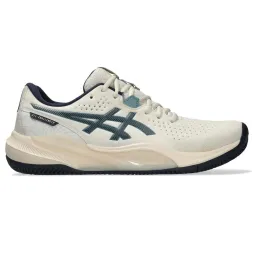
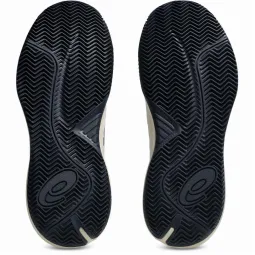
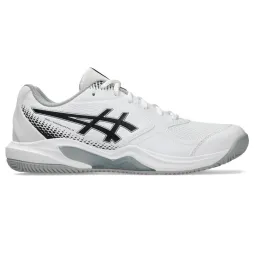
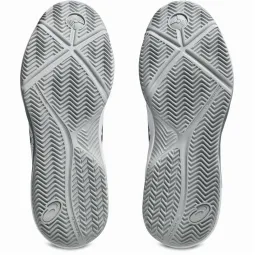
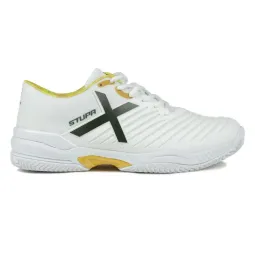
Good defensive positioning is complemented by choosing padel shoes that provide stability and grip, essential for quick direction changes and efficient coverages.
Advantages and disadvantages of each type of coverage
- Cross coverage: Offers flexibility and responsiveness but may leave gaps in the central zone if not properly coordinated.
- Parallel coverage: Favors control of the net and pressure in offensive play, but is more vulnerable to cross shots or lobs.
The ability to alternate between both coverages according to the play and the rivals' positioning distinguishes the most competitive pairs in both professional and amateur circuits.
Common mistakes when alternating cross and parallel coverage
One of the most common mistakes is the lack of communication between players. In cross coverage, if both move to the same diagonal, a gap is created that the rival can exploit. In parallel coverage, the mistake is usually staying too static, allowing the opponent to dominate with powerful smashes or precise lobs.
The importance of communication and anticipation
Teamwork is essential: talking and anticipating the play allows deciding when to cross or stay, avoiding misunderstandings and optimizing court coverage.
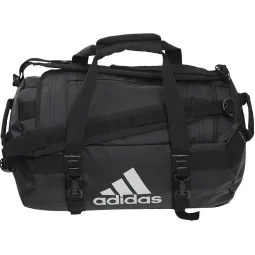
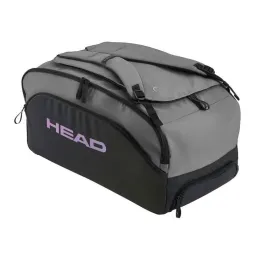
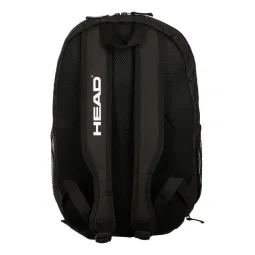
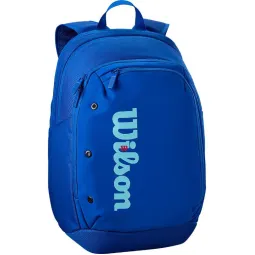
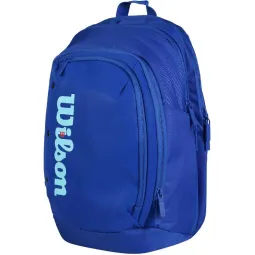
Additionally, using quality padel racket bags to carry all your gear makes sure you always have the necessary equipment on hand for any tactical situation.
How to improve coverage in padel?
To improve padel coverage, it is advisable to do specific movement exercises, both crossed and parallel, and practice real match situations. Training with balls with different bounces, such as padel balls from brands like (Dunlop, Head, Wilson), helps simulate varied court conditions.
Wearing comfortable and breathable padel clothing is also essential to facilitate movement and avoid injuries during intense coverages.
Tips for players of all levels
- Practice cross coverage with reaction drills to lobs and direction changes.
- Work on parallel coverage in volley and net pressure situations.
- Use products from specialized brands such as Nox and Siux to maximize your performance in any tactic.
Which coverage is more effective depending on the rival?
The effectiveness of coverage depends on the rival's playing style. Against players who use angles and lobs, cross coverage is essential to avoid easy points. If the rival favors parallel shots and aggressive net play, parallel coverage offers better resistance.
Checking OUTLET offers and new arrivals at TiendaPadelPoint can be a great opportunity to renew your gear and always be ready for any rival strategy.
Adapting coverage to the level of play
At beginner levels, parallel coverage is usually easier to coordinate, while at advanced levels, cross coverage gives more tactical flexibility. The ideal is to train both and know when to apply them based on the match situation.
Padel Guide: Technical Knowledge and Game Experience Applied
tiendapadelpoint · Authority in padel, gear and performance @ Copyright 2026