







Guia de Padel - PadelPoint
Cushioning differences in padel and tennis shoes
Differences in cushioning structure between padel and tennis
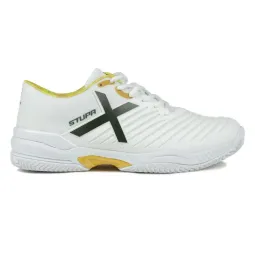
Cushioning is a fundamental aspect when choosing padel shoes or tennis shoes. Although both sports require specialized footwear, their biomechanical and impact needs vary significantly, resulting in technical differences in the design and cushioning technology applied to each type of shoe.

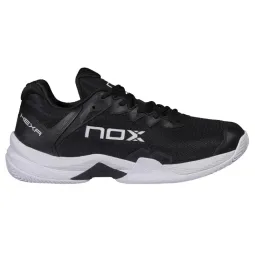
Padel, unlike tennis, is played on a smaller court with walls, resulting in shorter, faster movements and frequent changes of direction. Therefore, padel shoes prioritize reactive and stable cushioning, designed to protect joints during lateral movements and sudden stops. In tennis, where lateral movement is also important, the game involves longer runs and jumps, so cushioning is usually more generous in the heel and forefoot to absorb the impact of repeated runs and jumps.
Cushioning materials and technologies
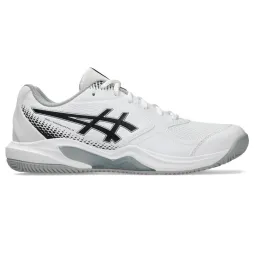
Top brands such as Adidas, Asics, and Head use various technologies to optimize cushioning according to the sport. High-density EVA foams, gels, air chambers, and hybrid systems are common, but they are applied differently.
In padel shoes, cushioning is distributed evenly and reinforced in the midfoot and heel to enable quick responses in short movements. In tennis, technology focuses on absorbing the vertical impact from jumps and long runs, often resulting in a "bouncier" feel.
Why does each sport require different cushioning?
The main difference lies in the specific movements of each sport. Padel demands a lot of lateral agility and short stops, while tennis combines powerful starts, long runs, and jumps. Therefore, the cushioning in padel shoes focuses more on stability and lateral protection, while in tennis, it aims for greater comfort on vertical impacts and protection against wear in high-friction areas.
The importance of drop and stability
Another important aspect is the "drop," or the height difference between heel and toe. In padel, the drop is usually lower to provide a greater sense of ground contact and promote stability. In tennis, it can be higher to help cushion the impact from jumps and runs.
- Padel: low drop, greater lateral stability.
- Tennis: higher drop, better absorption of vertical impacts.
How does the court type affect cushioning?
Padel courts are usually made of artificial grass or concrete with sand, requiring specific soles and cushioning. Tennis can be played on clay, hardcourt, or natural grass, and each surface requires a different type of cushioning and grip.
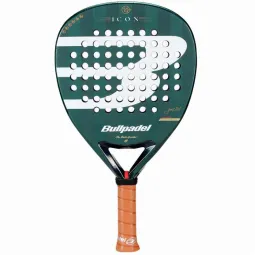
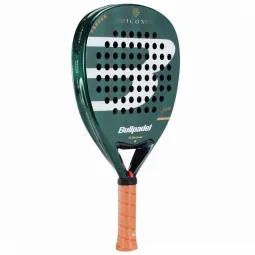
For example, a padel shoe from Bullpadel is designed for typical padel surfaces, while a tennis shoe from Babolat may use different cushioning technologies depending on the intended surface.
Sole and cushioning: an essential combination
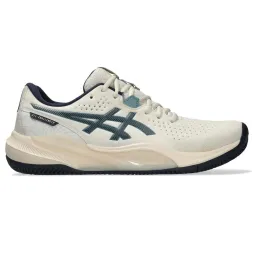
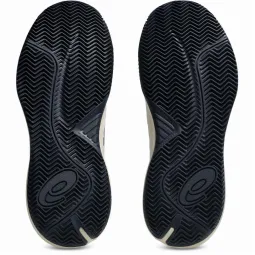
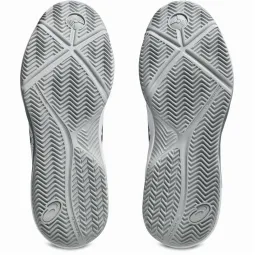
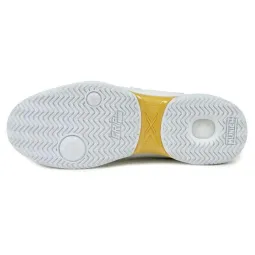
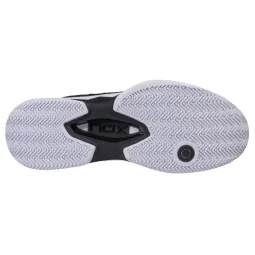
In addition to the cushioning itself, the sole plays a crucial role. In padel, soles are usually herringbone or clay style but adapted for lateral grip, while in tennis, they are optimized for the court type. This combination directly affects the feel of cushioning and on-court performance.
Which brands excel in cushioning for padel and tennis?
Many brands have developed proprietary cushioning technologies for both padel and tennis. Asics is known for its GEL system, while MUNICH and MIZUNO focus on foam and hybrid technologies. All strive to optimize comfort and protection, but it is crucial to choose the right model for your sport and playing style.
Technology for joint health
Choosing the right shoe not only enhances performance but also prevents injuries. Choosing cushioning that matches the specific movements of padel or tennis can make a big difference for the health of your knees, ankles, and hips.
How to choose the best cushioning for your player profile?
Not all players have the same needs. Beginners may prefer more generous cushioning for impact protection. Advanced players often seek a balance between cushioning and quick response to optimize direction changes and speed.
At TiendaPadelPoint you will find a wide selection of padel and tennis shoes from the best brands, with cushioning technologies designed for both beginners and professionals. Our team can help you choose the best model for your game.
Tips to extend cushioning lifespan
- Rotate your shoes and avoid using them off-court to prevent premature wear.
- Clean the sole regularly to maintain grip and cushioning effectiveness.
- Replace shoes every 6-12 months or when you notice loss of comfort and protection.
Padel Guide: Technical Knowledge and Game Experience
tiendapadelpoint · Authority in padel, equipment and performance @ Copyright 2026