



















































































Guia de Padel - PadelPoint
The importance of defining roles in team padel strategy
The strategic value of roles in modern padel
In today's padel, defining each player's role within the team is a decisive factor in achieving peak performance. This strategic assignment not only optimizes communication and tactics but also boosts trust and cohesion among team members. Like in other racket sports, padel requires smooth coordination and a clear division of tasks, especially under pressure or against top-level opponents. Therefore, proper role definition becomes an essential tool for teams aiming to grow and win matches, whether at amateur or professional levels.
The role of communication in defining roles
Communication is the foundation of every successful padel pair. When roles are clearly defined, players can anticipate their partner's actions and avoid interference on the court. For example, knowing who covers the net and who is responsible for the back, or who handles defending lobs, reduces mistakes and maximizes performance. It also enables quick decision-making, a key factor in intense rallies.
How are roles distributed in a padel pair?
In padel, the pair is usually divided into two main roles: the backhand player and the forehand player. Each position has specific functions:
- Backhand player: Typically the more aggressive, responsible for defining points with volleys, smashes, and bandejas. This role demands great power and the ability to finish plays.
- Forehand player: More focused on control and building the point. They prepare the ground and maintain the match's rhythm, providing a more defensive and organizational tactical vision.
This distribution can vary depending on individual characteristics, but should always be based on an honest analysis of each player's strengths and weaknesses. Balance and adaptability are key for the pair to evolve and remain competitive.
Accessories and equipment according to the role
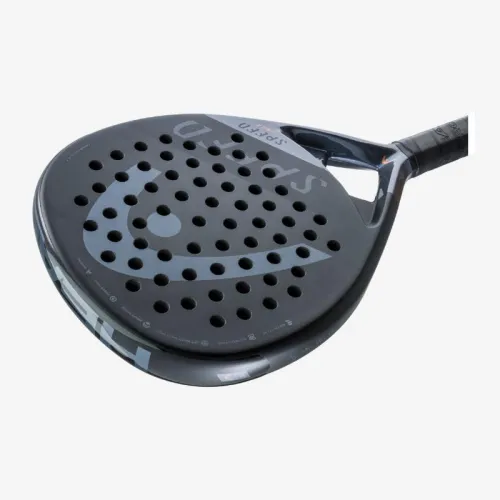
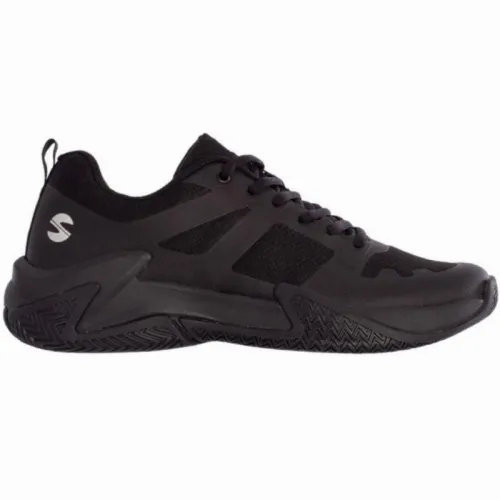
The playing equipment also adapts to each player's role. For example, those seeking power in smashes can choose padel rackets from leading brands such as Adidas, Bullpadel, or Head, while more tactical players may prefer control-oriented models. Complementing your gear with suitable padel accessories, specific padel shoes, and technical clothing is essential for each player to fully develop their role.

What competitive advantages does role definition provide?
The main advantage is tactical efficiency. Teams with clear roles respond better under pressure, share responsibilities, and minimize unforced errors. Furthermore, knowing their functions allows each player to specialize and refine the required skills, resulting in a more fluid and effective game. Clear role definition also boosts self-confidence, as each member knows what is expected of them on the court.
Better physical and mental performance
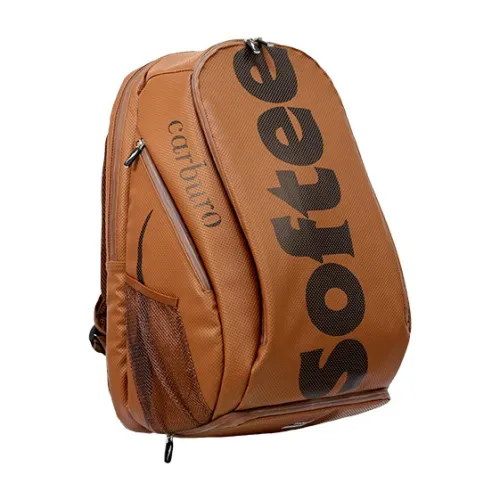
With defined objectives, training sessions can be personalized by role, allowing each player to work on specific physical and mental aspects. For example, those playing on the backhand can focus on explosiveness and finishing, while forehand players work on control and endurance. To enhance this work, using racket bags, high-quality padel balls, and products from brands like Nox or Starvie can make the difference in every training and match.

How does defining roles affect motivation and cohesion?
A motivated padel team is one where every member feels their role is fundamental. Defining roles helps each player feel valued and part of a shared project, increasing commitment and willingness to make an effort. Cohesion also improves, as role overlap is avoided and mutual trust is reinforced.
Avoiding conflicts and strengthening synergy
Clarity in roles prevents conflicts arising from ambiguity and fosters the creation of positive synergy. Each player knows when to intervene and when to let their partner lead, resulting in greater harmony both on and off the court. In high-level competitions, this synergy is a differentiating factor against technically matched teams.
What mistakes should be avoided when defining roles in padel?
While defining roles is essential, doing so rigidly can be counterproductive. It's important to avoid:
- Excessive rigidity: Roles should be flexible, allowing adaptations as the match progresses.
- Lack of self-criticism: Roles must be reviewed and adjusted based on team results and feelings.
- Ignoring individual strengths: Forcing a player into a role that doesn't suit their abilities can reduce confidence and performance.
Ultimately, role definition should result from dialogue, observation, and shared on-court experience. For those looking to improve their team strategy, the TiendaPadelPoint store offers a wide range of specialized products and resources from brands such as Siux, Wilson, or Babolat, adapted to the needs of every player and playing style.

How to adapt roles depending on the opponent and match evolution?
A competitive padel pair knows how to adjust roles according to the course of the match and the opponent's characteristics. Flexibility and observation are key to identifying when to change tactics, switch positions, or adopt defensive or offensive strategies. This ongoing tactical analysis enables surprising opponents and taking advantage of any detected weakness.
The importance of post-match analysis
After each match, it's advisable to analyze each role's performance and draw conclusions for the future. Reviewing plays, mistakes, and successes helps refine strategy and strengthen teamwork. Teams that adopt this continuous improvement routine are those that evolve and remain competitive over time.
In summary, defining roles within a padel team not only improves strategy but also boosts performance, motivation, and cohesion. Through specialization, communication, and adaptability, any pair can aspire to new challenges and success on the court.
Padel Guide: Technical Knowledge and Game Experience
tiendapadelpoint · Authority in padel, equipment and performance @ Copyright 2026
