














Guia de Padel - PadelPoint
Differences between back and side wall bounces in padel
Technical comparison between back and side wall bounces in padel
The wall bounce is one of padel's fundamental technical skills, mainly differing between the back wall bounce and the side wall bounce. Both require different positioning, anticipation, and execution to gain tactical advantages. In this article by TiendaPadelPoint, we analyze each in depth so you can improve your performance and choose the most suitable equipment for your playing style.
What is a back wall bounce?
The back wall bounce occurs when the ball hits the rear wall, allowing the player to prepare their shot with more anticipation. This type of bounce is common in long rallies, where depth and control are essential. Proper execution requires correct foot positioning, body orientation, and the use of padel balls that favor the desired rebound.
Features of the side wall bounce
On the other hand, the side wall bounce happens when the ball hits one of the side walls. This play demands greater reaction speed, as the bounce tends to be more unpredictable in direction and speed. Players must quickly adjust their body position and anticipate the exit angle to respond effectively.
How do materials influence the wall bounce?
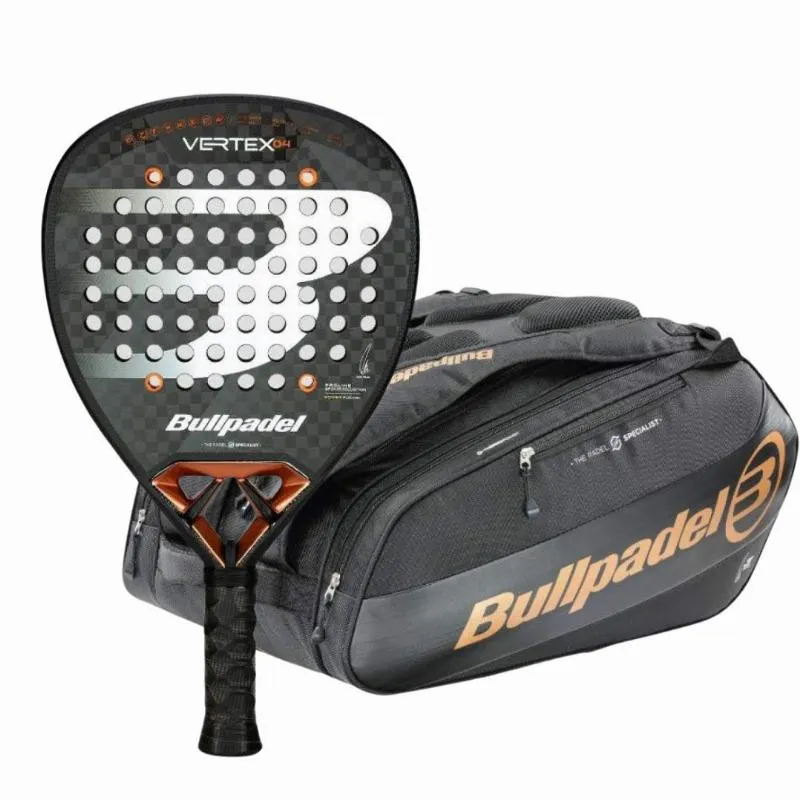
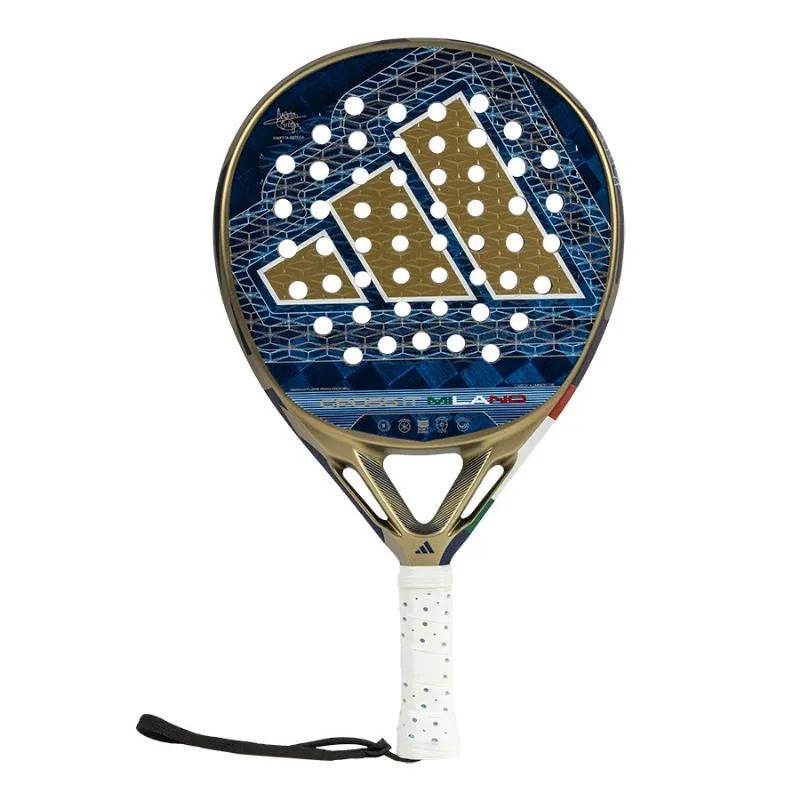
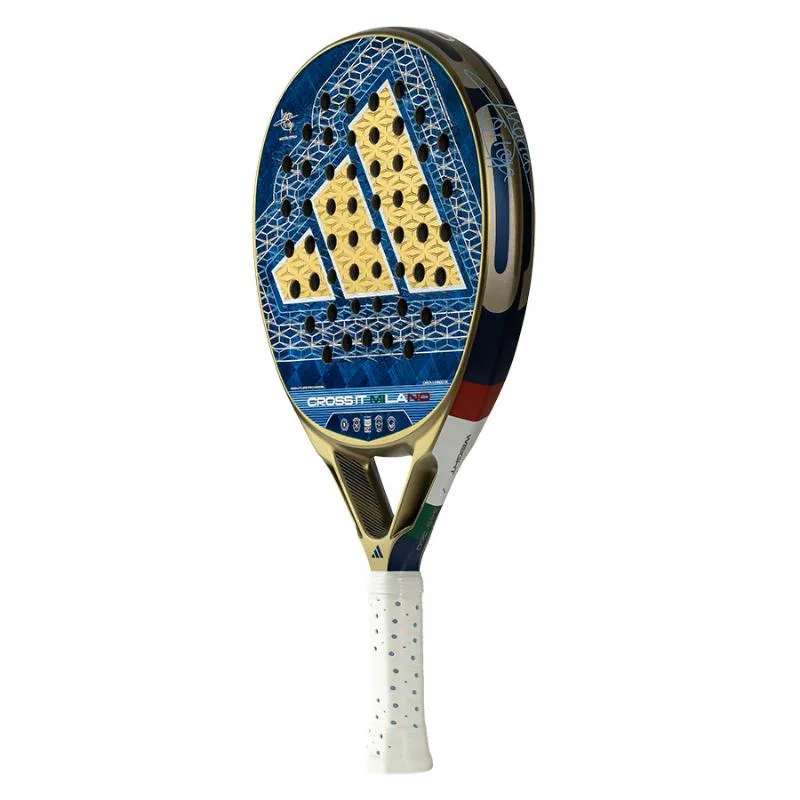
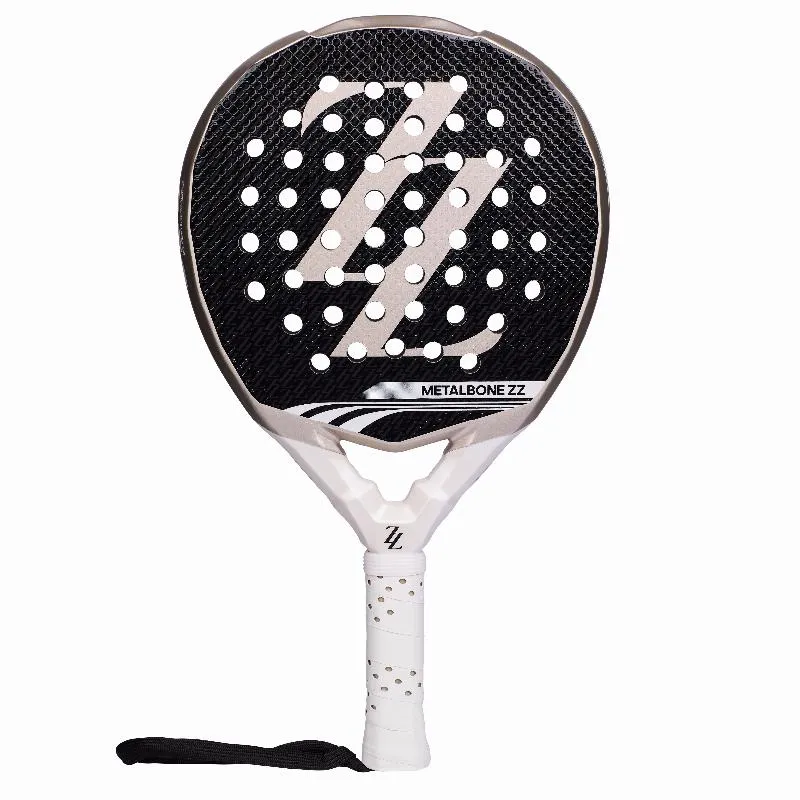
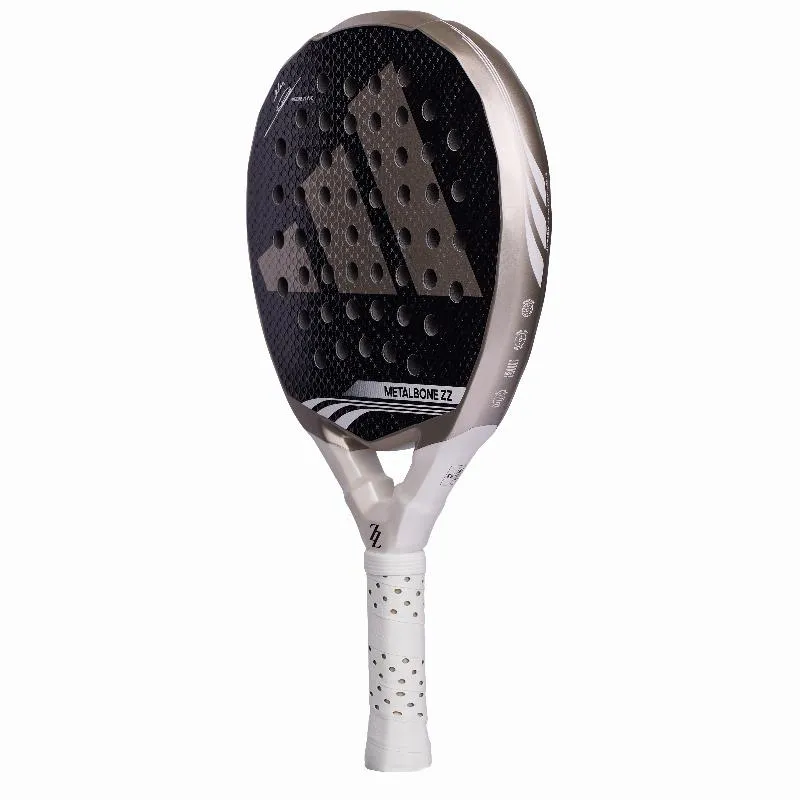
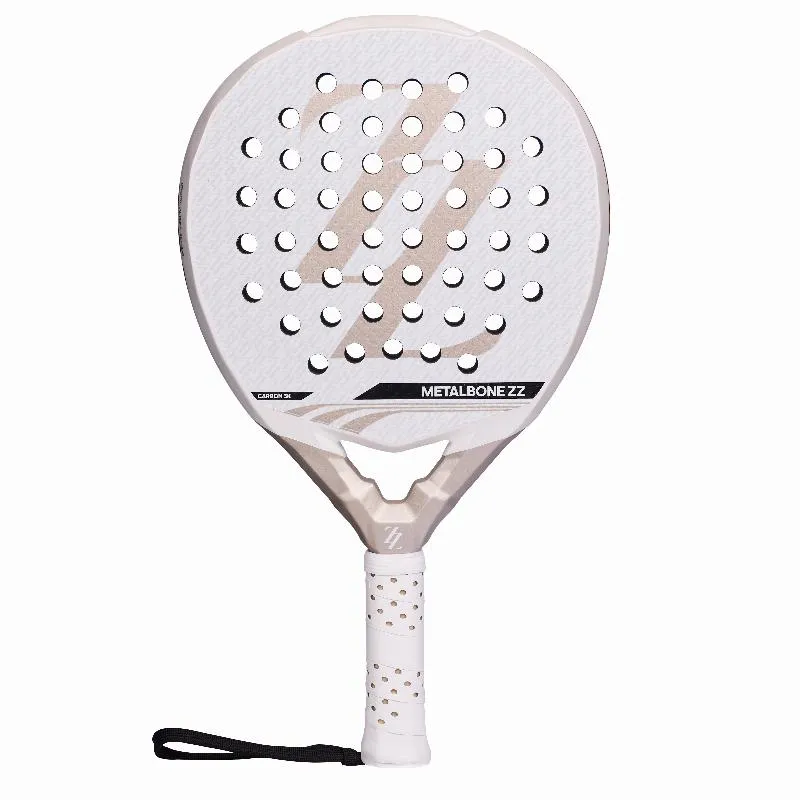
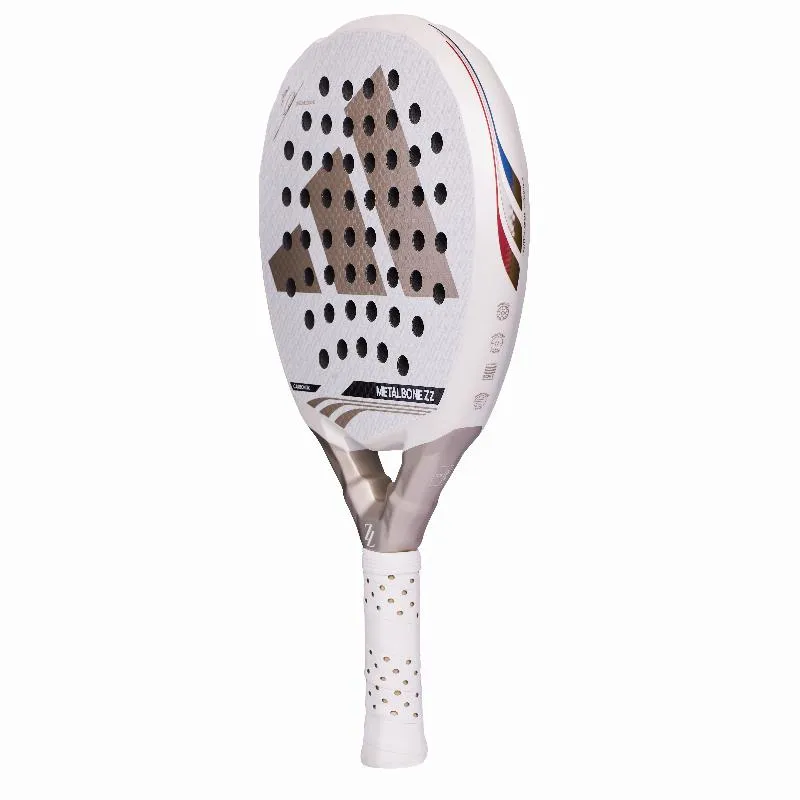
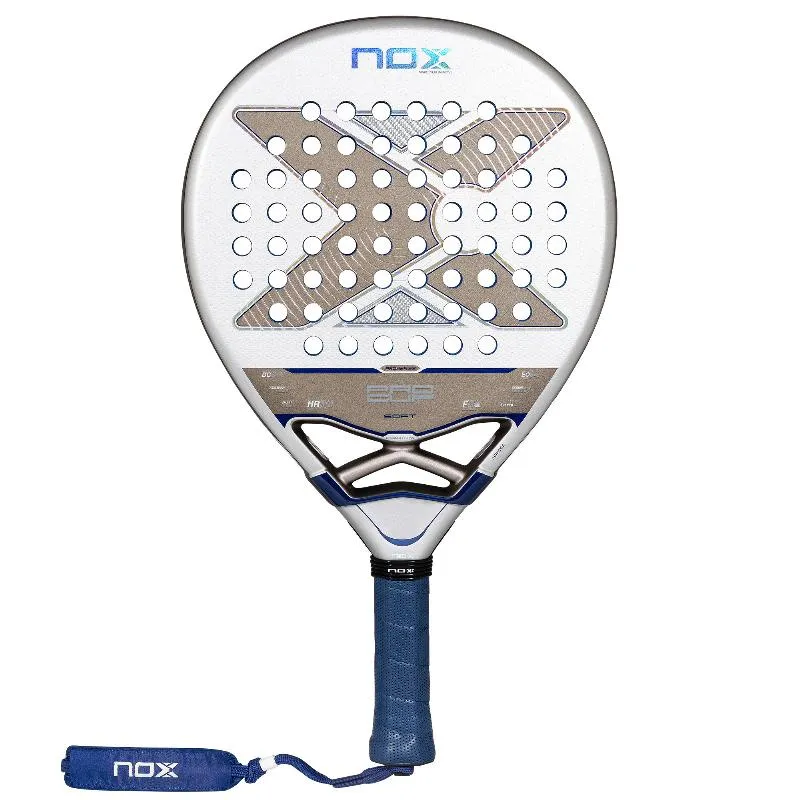
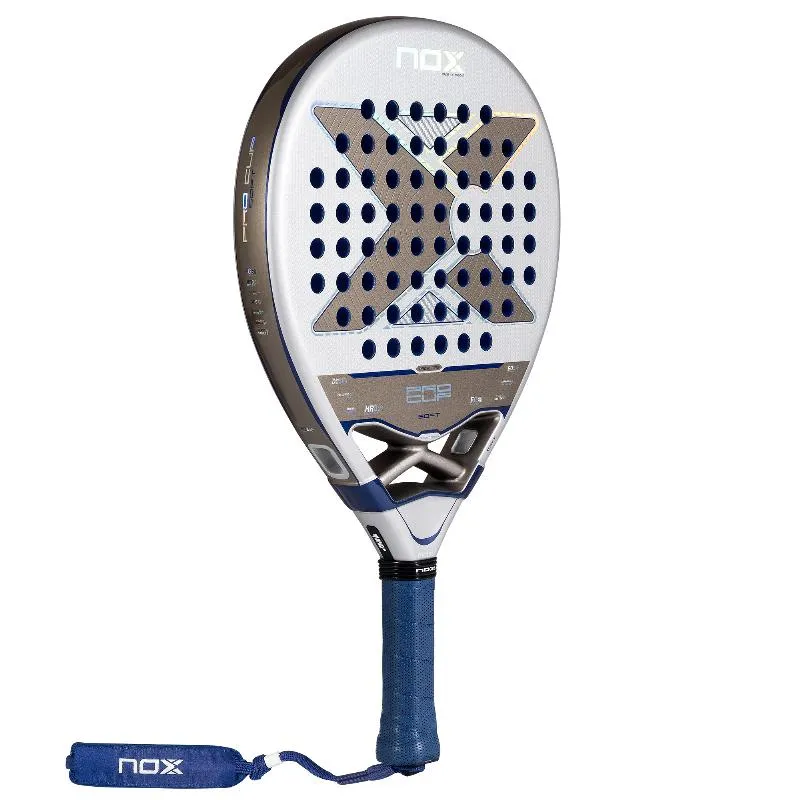
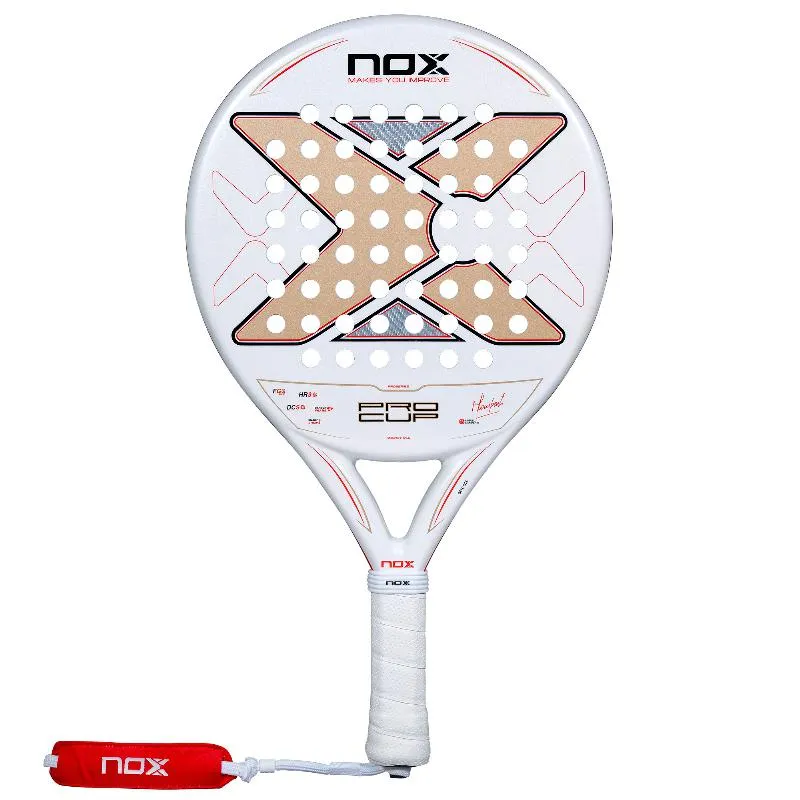
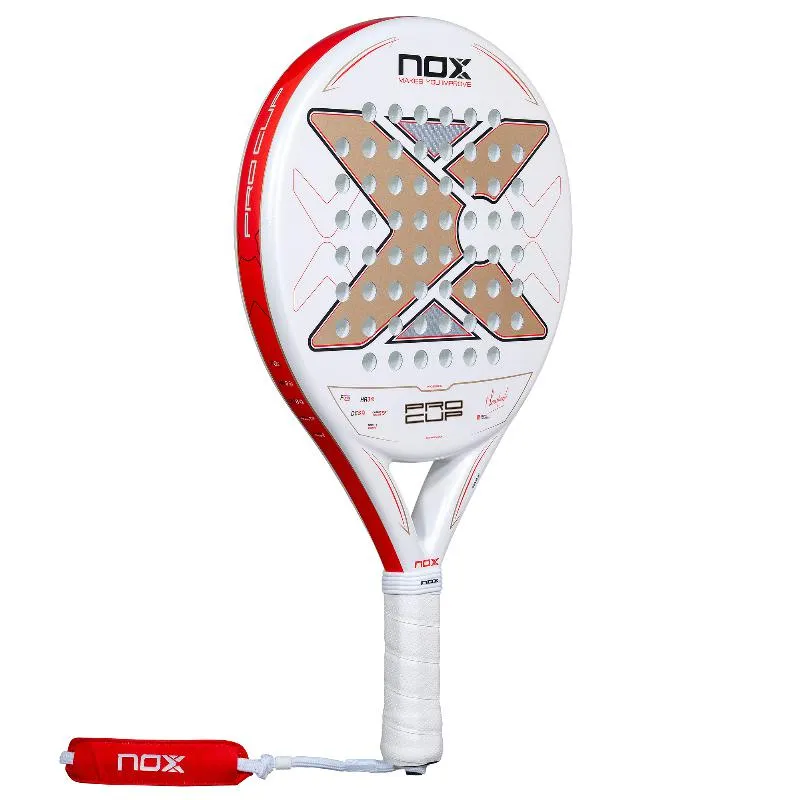
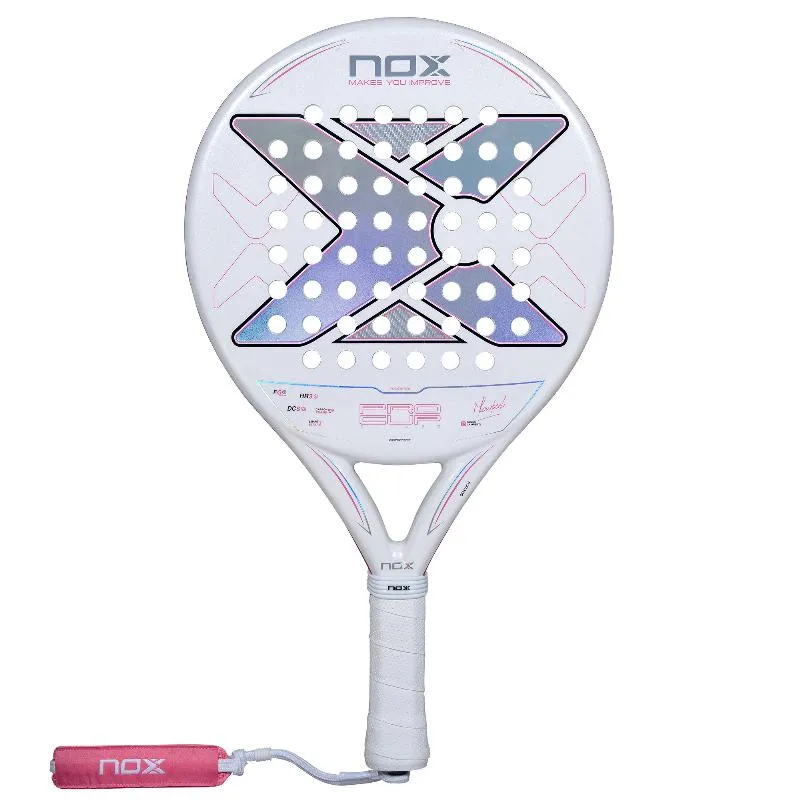
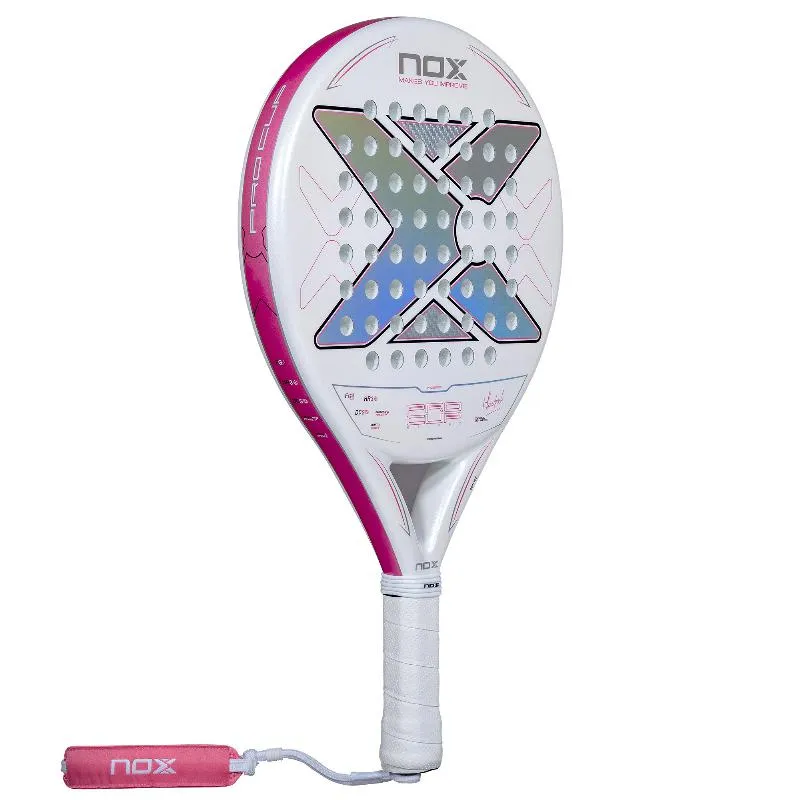
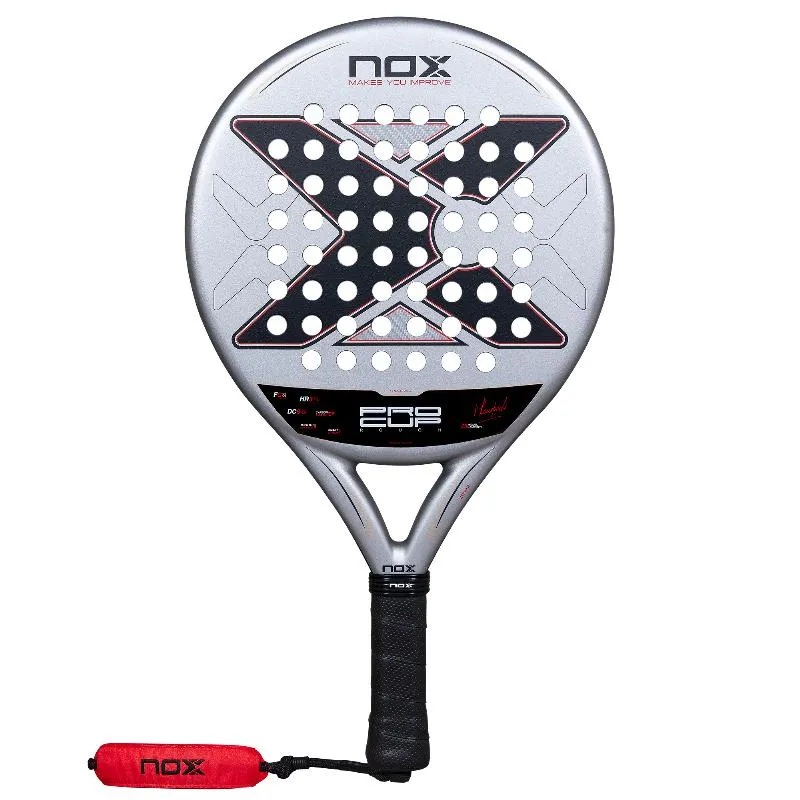
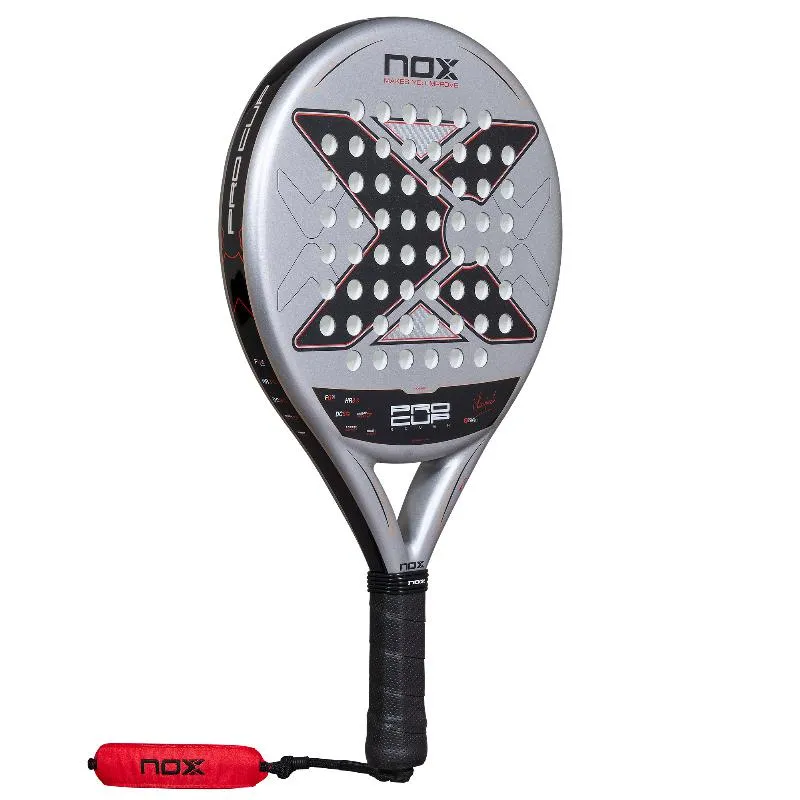
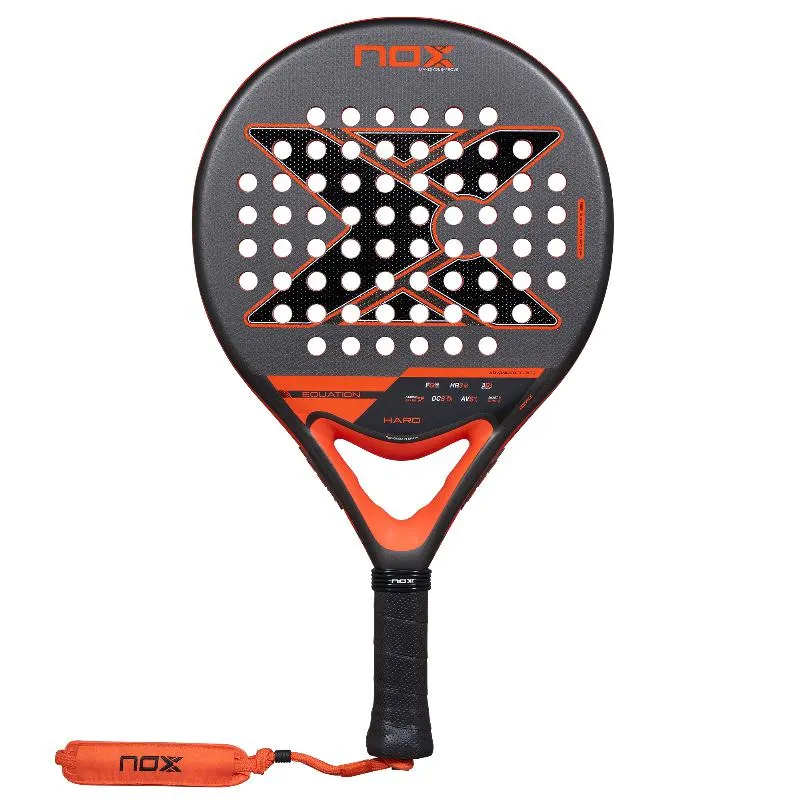
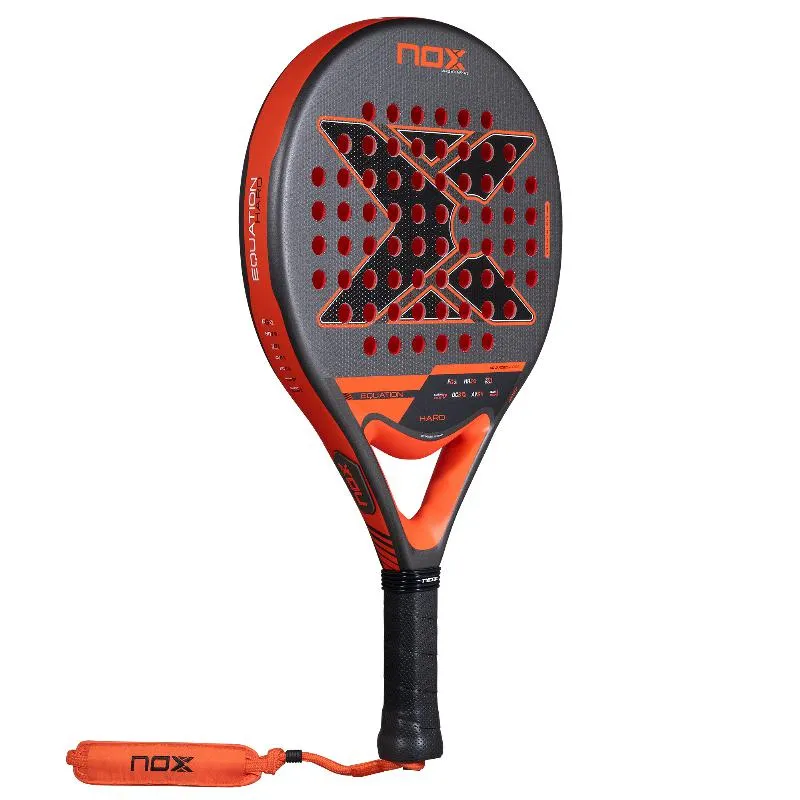
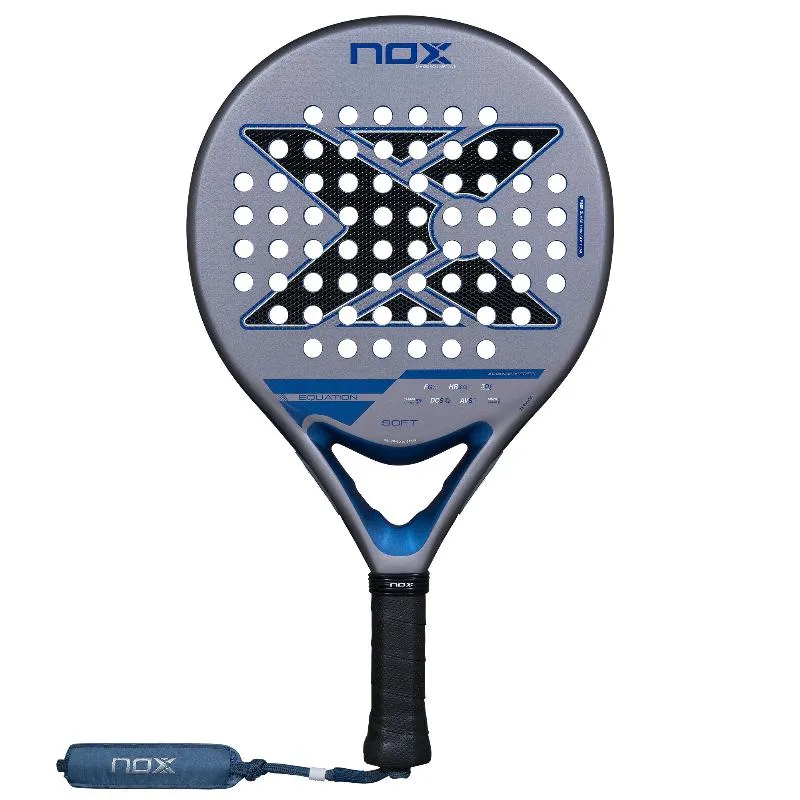
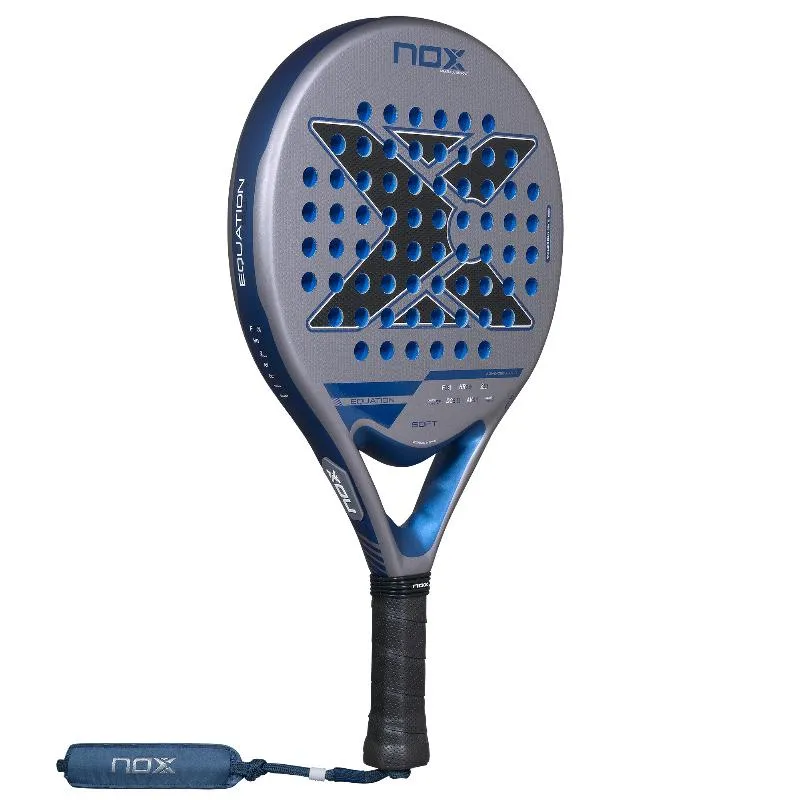
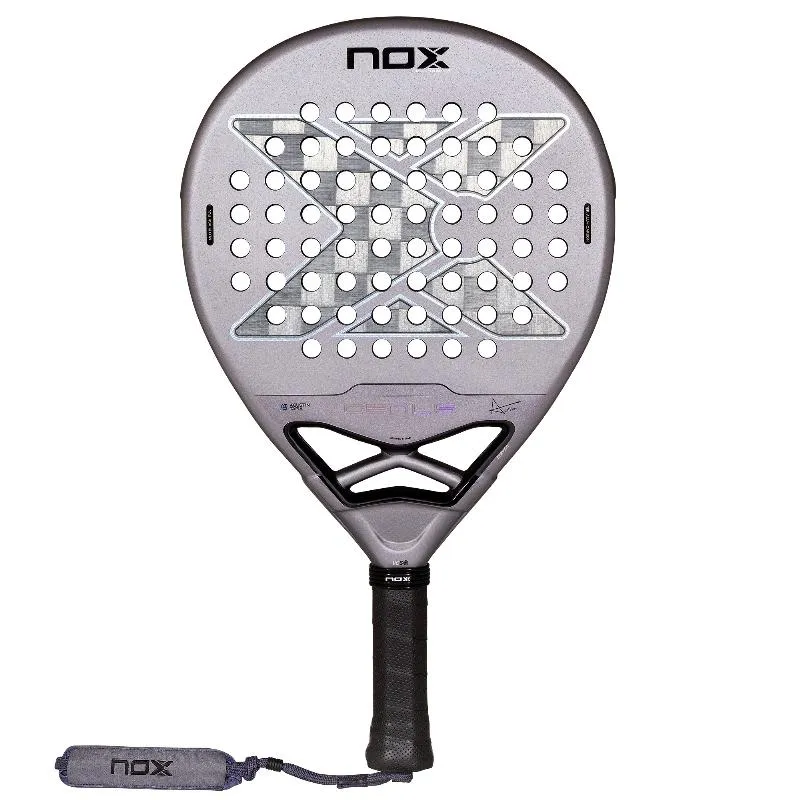
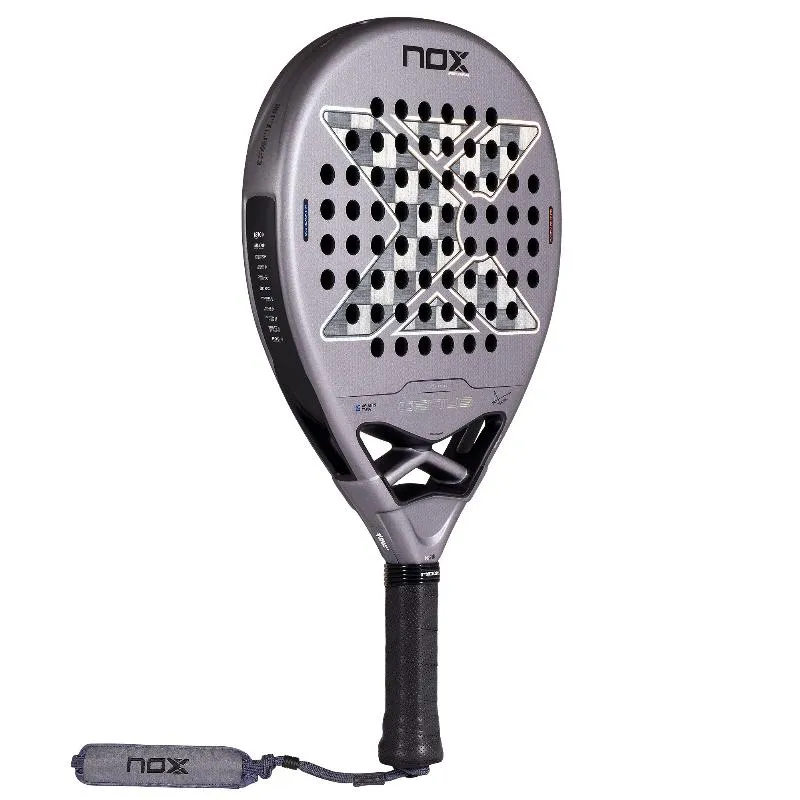
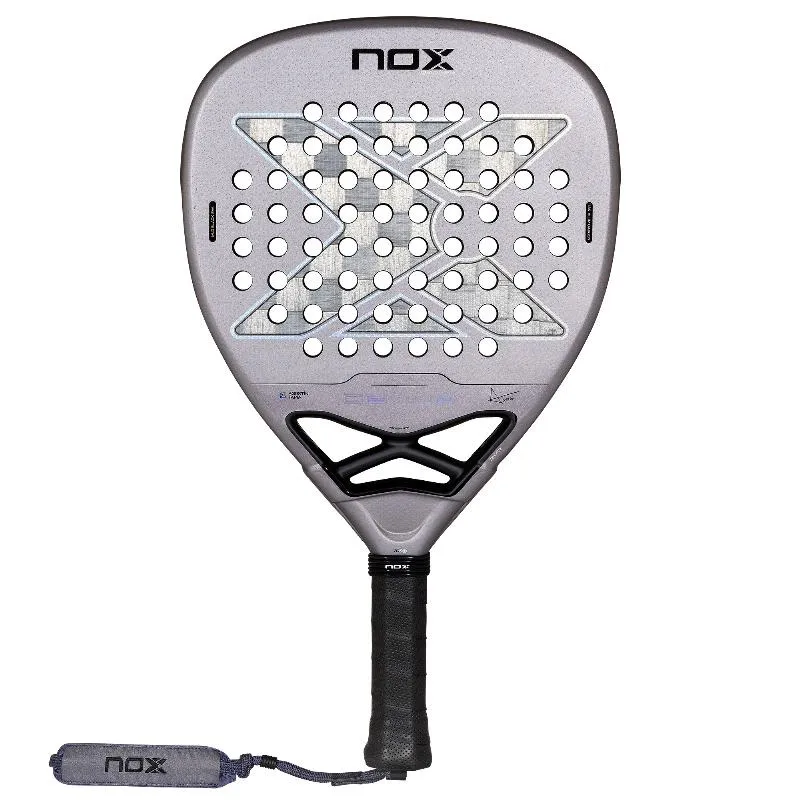
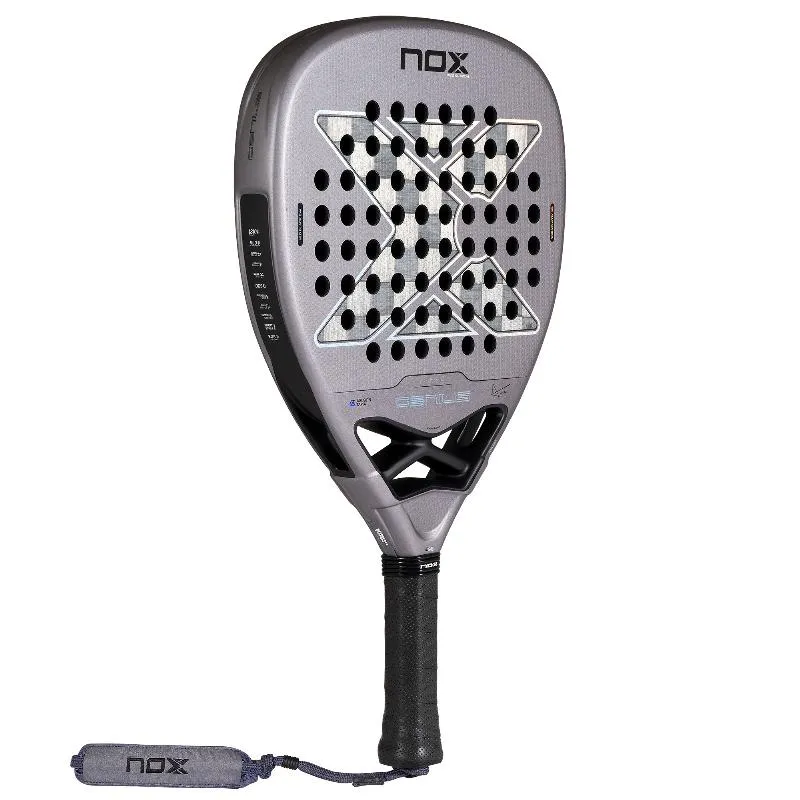
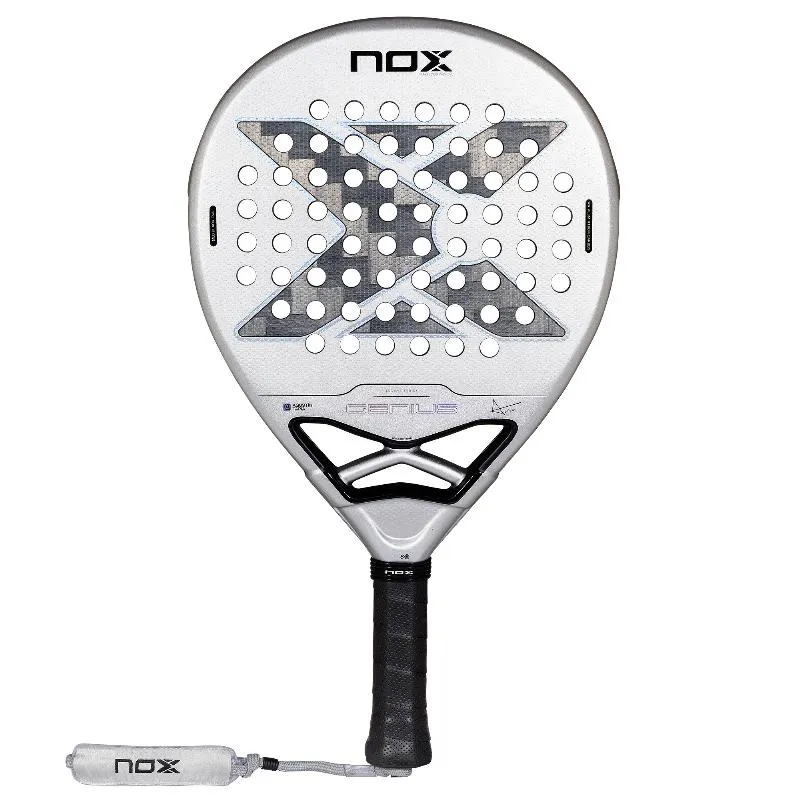
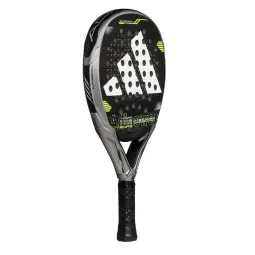
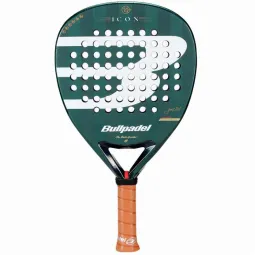
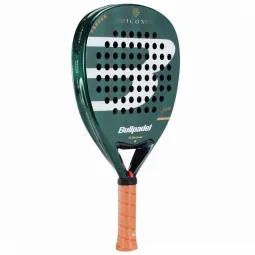
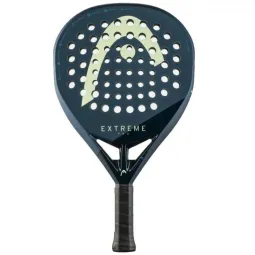
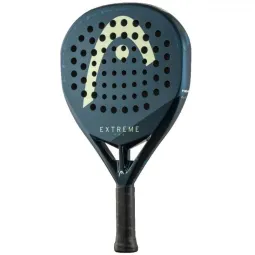
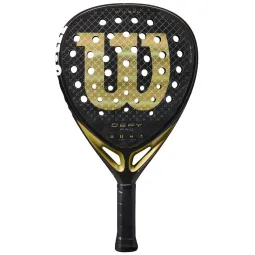
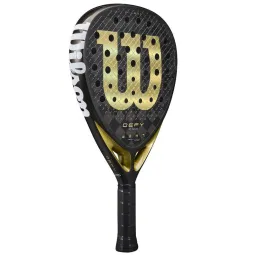
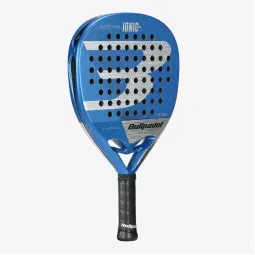
The choice of padel accessories, rackets and balls directly influences the quality of the wall bounce. A control racket can facilitate the back wall bounce, while a more maneuverable and lighter racket can be key for the side bounce. In addition, renowned brands such as Adidas, Head, or Nox offer specific models for every need.
What tactical differences exist?
- Back wall bounce: Allows for greater control, ideal for preparing plays or moving to offense.
- Side wall bounce: Demands quick reactions and can surprise the opponent with sudden changes of direction.
The choice of play depends on both the player's skill and the match situation. If you want to improve your technique, check out the new arrivals in padel products and technology.
How to improve the back wall bounce?
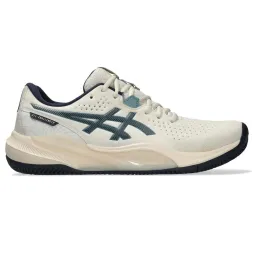
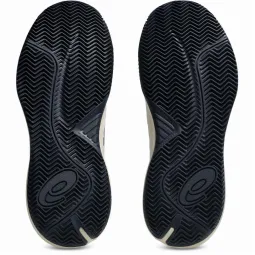
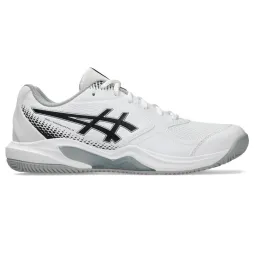
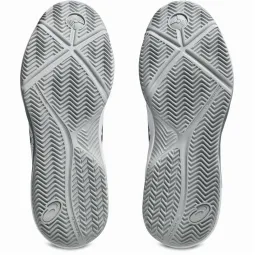
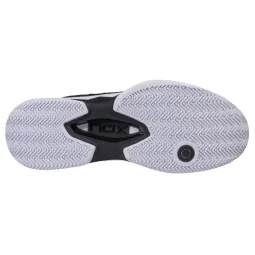
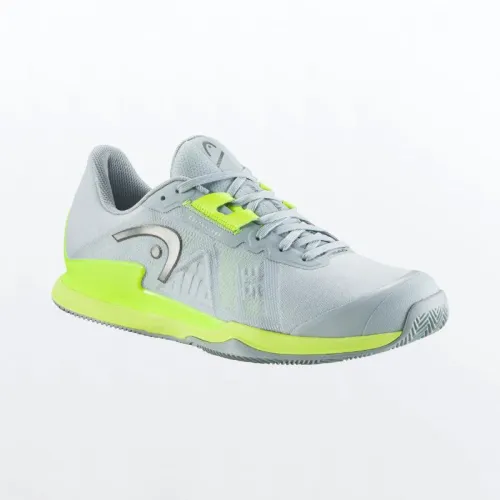
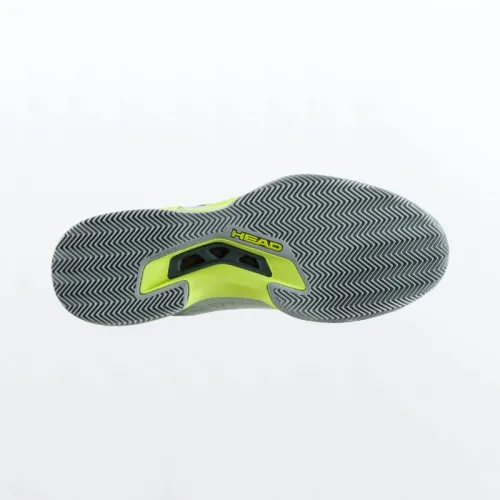
To perfect the back wall bounce, it is essential to work on anticipation and ready position. Practice with padel shoes that offer good grip and stability, and try different types of balls to control the bounce. The ideal technique consists of bending the knees, rotating the torso, and preparing the shot in advance, prioritizing placement over power.
Practical tips for the back wall bounce
- Keep the racket low and close to your body.
- Watch the trajectory of the ball before and after the bounce.
- Work on foot-arm coordination for clean shots.
What to consider in the side wall bounce?
The side wall bounce requires reaction speed and precise reading of the rebound. It is recommended to train with comfortable padel clothing to facilitate mobility, and to choose accessories that improve racket grip. Adjusting the shot based on the exit angle and practicing different trajectories are key to mastering this technique.
Common mistakes in the side wall bounce
- Not anticipating the bounce and being out of position.
- Too much force in the shot, causing unforced errors.
- Neglecting body and racket orientation.
Why is it important to master both bounces?
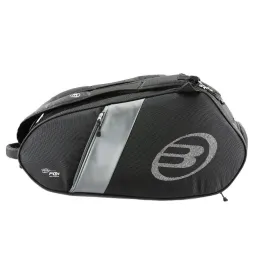
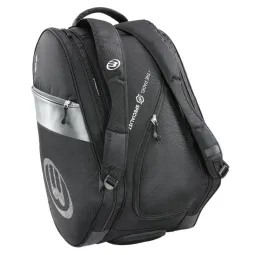
Mastering both the back and side wall bounces expands the player's tactical repertoire, allowing adaptation to any match situation. In addition, using racket bags to transport gear safely and organized helps you always be prepared on the court. Versatility in defense and attack is key to advancing in modern padel.
In summary, the differences between back and side wall bounces lie in reaction time, technique used, and applied tactics. Analyze your game, try different gear, and stay up to date with the latest arrivals from TiendaPadelPoint to reach your best version on the court.
Padel Guide: Technical Knowledge and Experience Applied to the Game
tiendapadelpoint · Authority in padel, equipment and performance @ Copyright 2026