
















Guia de Padel - PadelPoint
Differences Between Control and Power Padel Rackets: Choose the Best for Your Game
Differences Between Control and Power Padel Rackets: Choose the Ideal for Your Game
Choosing the right padel racket is essential to maximize your technique and enjoy every match. The first big dilemma is deciding between a control racket or a power racket. Although both share advanced materials and technology, their features and performance on court are very different. In this guide, we thoroughly analyze the differences and help you make the best choice according to your level and playing style.
What defines a control racket?
Control rackets are designed to offer precision in every shot. They usually have a round shape, low balance, and a wide sweet spot, making it easier to place the ball where you want and minimize unforced errors. A representative example of this type is the Pala Siux Beat Play Control 3 2026, known for its maneuverability and comfort, ideal for those who prioritize defense and point construction.
What is a power racket like and who needs it?
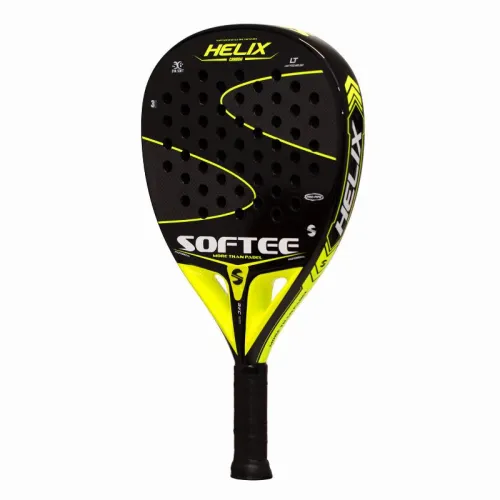
Power rackets, on the other hand, are designed for offensive players seeking maximum force in their shots. They usually have a diamond shape, high balance, and a smaller sweet spot, requiring good technique but allowing for powerful smashes and volleys. A model like the Pala Softee Speed 3.0 Royal Power is perfect for players who want to dominate at the net and finish points with force.
What technical factors distinguish control from power rackets?
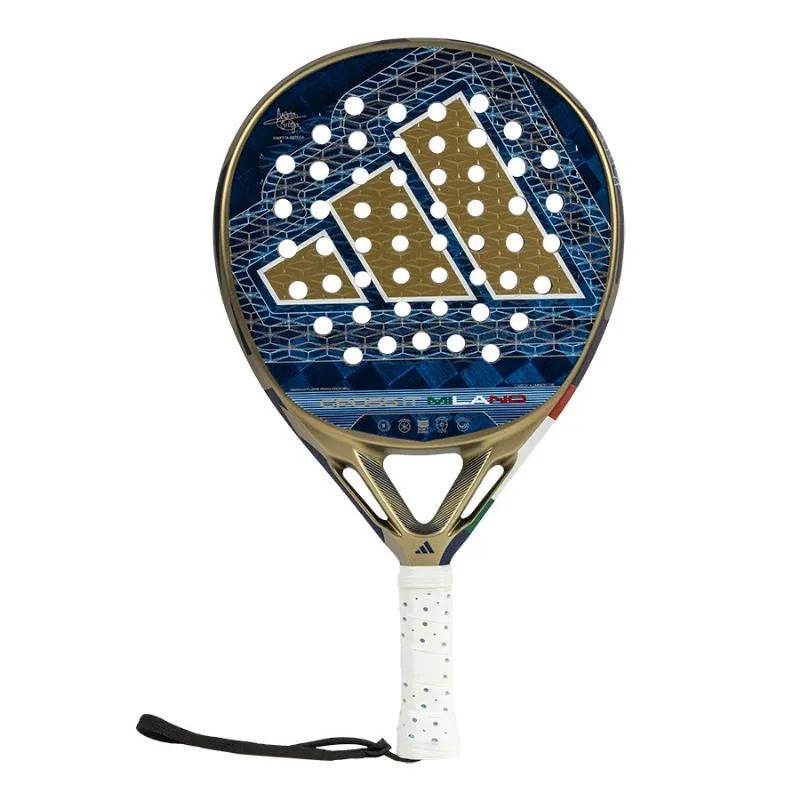
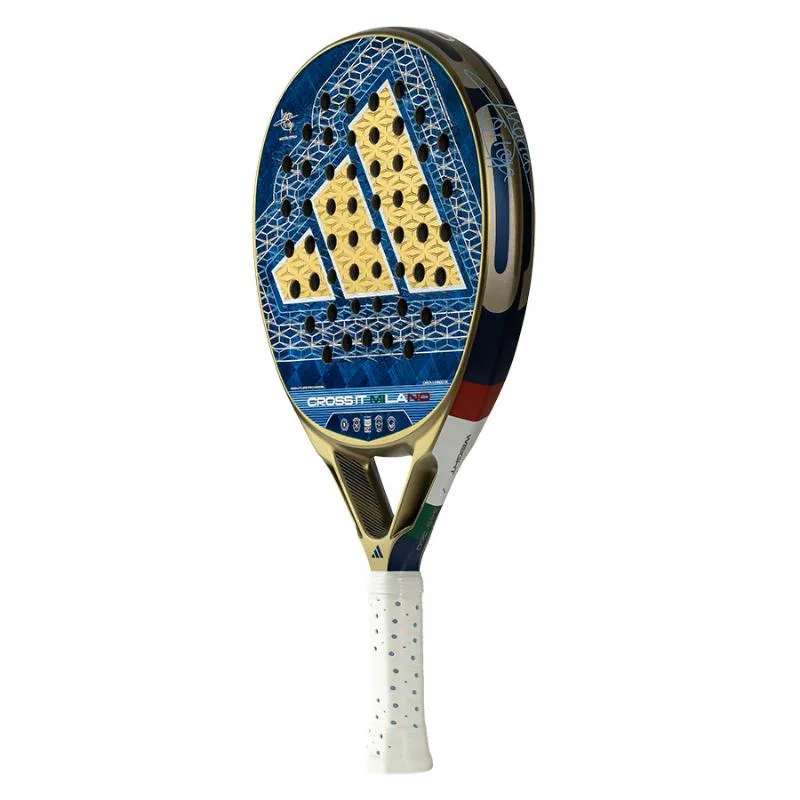
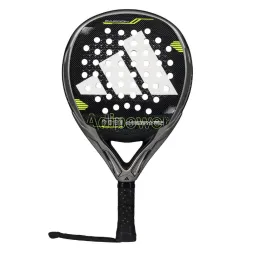
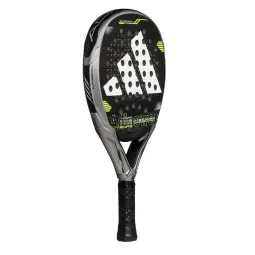
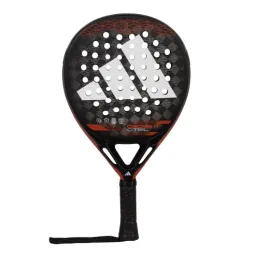
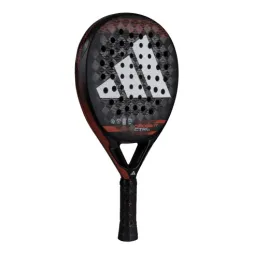
The main difference lies in the shape and balance. Control rackets, such as the Pala Adidas Cross It Carbon Control 2025, have a balance toward the handle, making them easy to handle and reducing fatigue. Power rackets, however, shift their weight toward the head, increasing force in smashes.
Additionally, materials and technologies play a role. Rackets from the Padel Rackets category offer a wide range of compositions, from carbon fibers to EVA cores of varying densities, adapting to every need.
What are the pros and cons of each type of racket?
- Control rackets: More precision, forgiveness on shots, and easier for evolving players. Ideal for those playing from the back of the court or looking to minimize mistakes.
- Power rackets: Allow for stronger, more decisive shots but require greater technique and can be less forgiving. They are chosen by advanced and offensive players.
A versatile model that balances both concepts is the Head Coello Pro 2025 Racket Pack with Backpack, combining control and power technologies for mixed playing styles.
How does player level influence racket choice?
Experience level and personal preferences are key. Beginners and intermediate players benefit from control rackets, as they help with technique learning. For example, the Pala StarVie Titania Ultra Speed Soft Lite 2025 is perfect for those looking to improve accuracy and build confidence in every shot.
Experienced players, on the other hand, can get the most out of a power racket like the Pala Siux Leo Augsburger Fenix Pro 2026 Negro, ideal for dominating offensive play and surprising opponents with powerful smashes.
Are there versatile (all-round) rackets?
Yes, many brands have developed models that balance control and power, perfect for players who alternate between defensive and offensive phases.
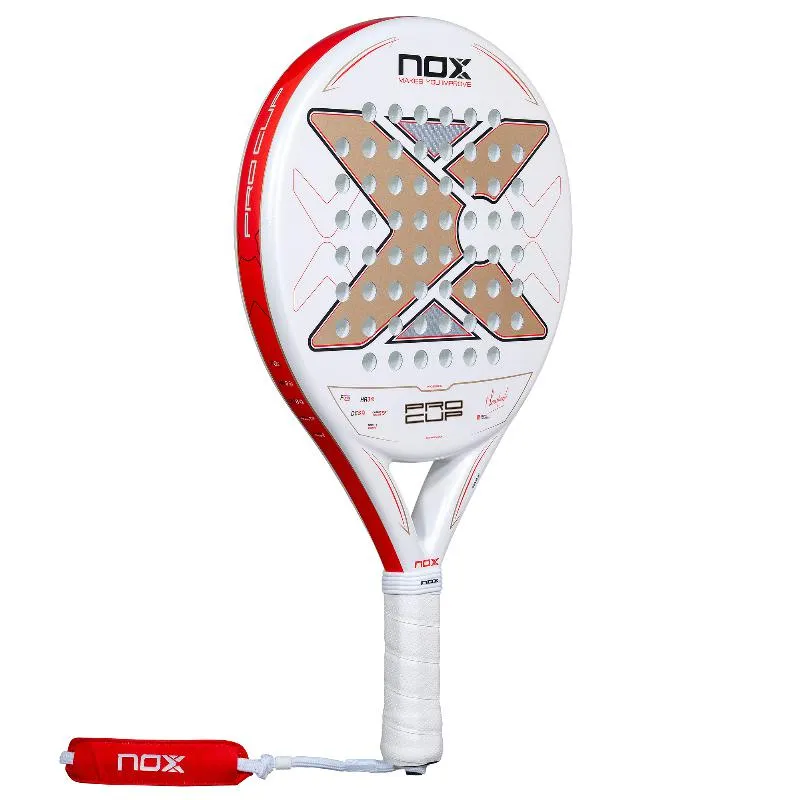
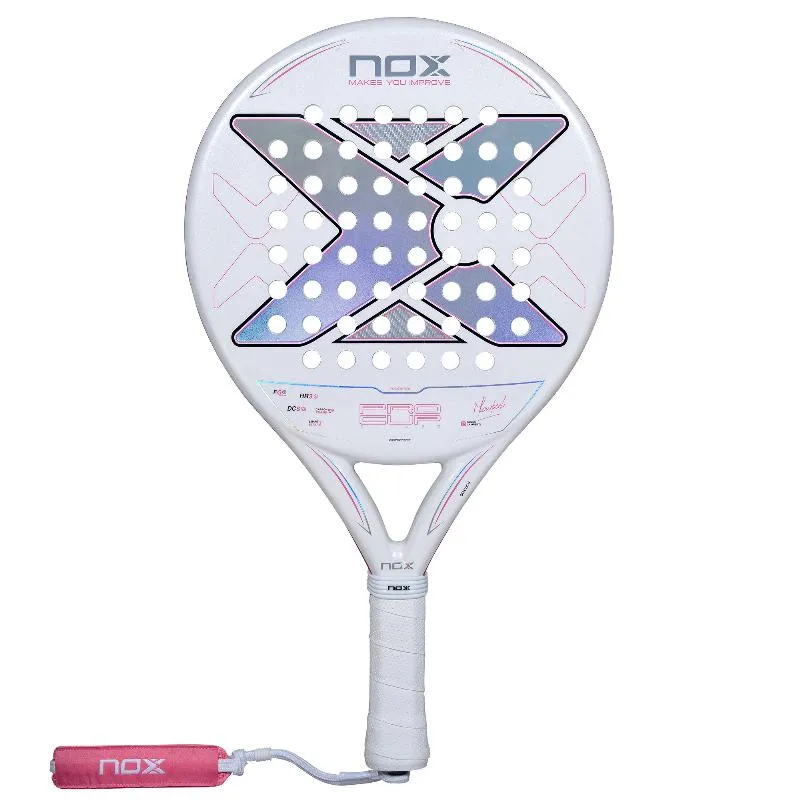
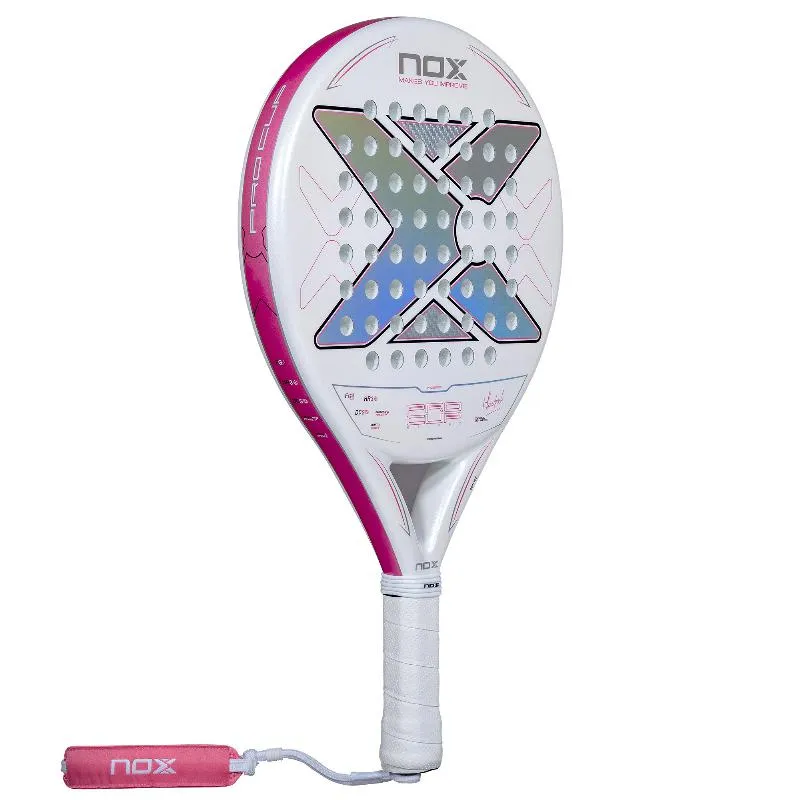
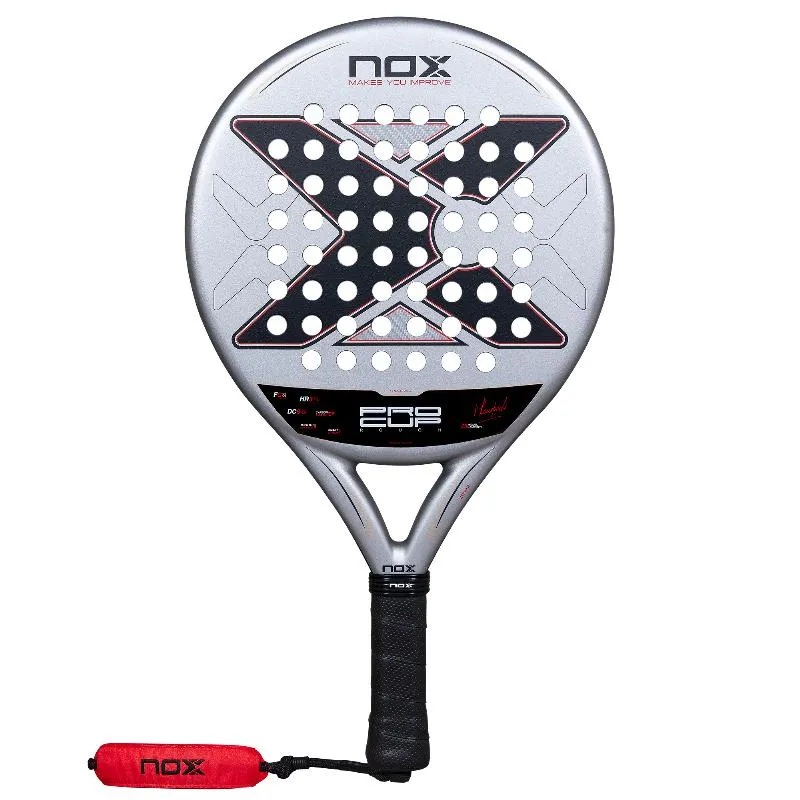
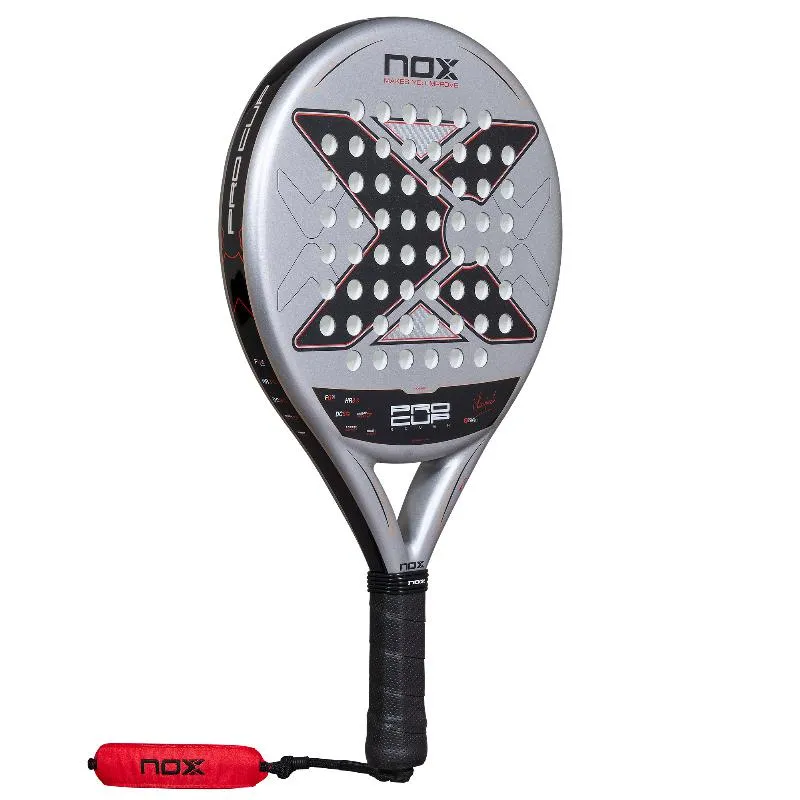
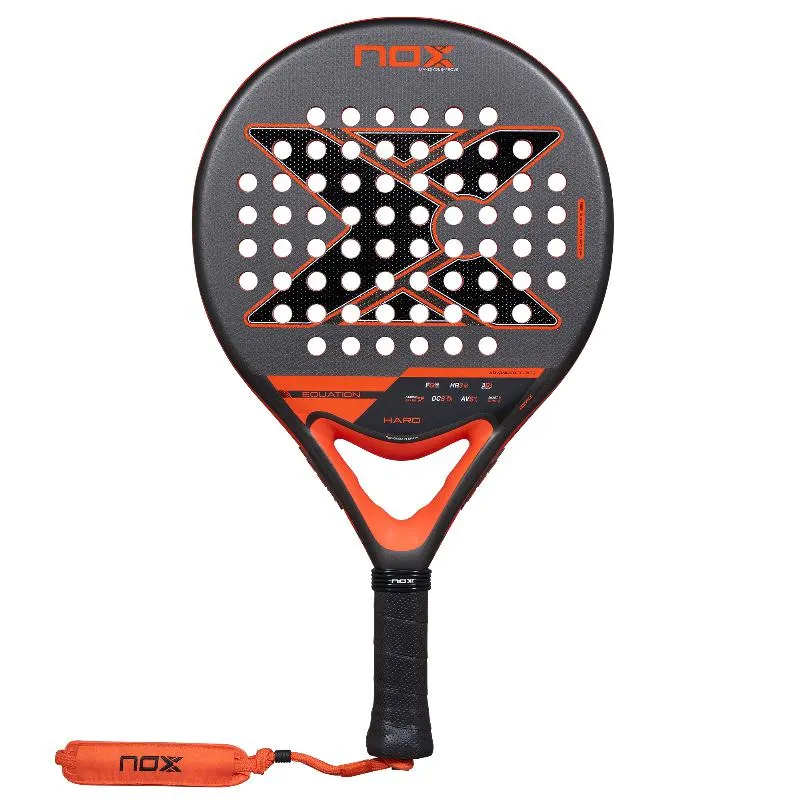
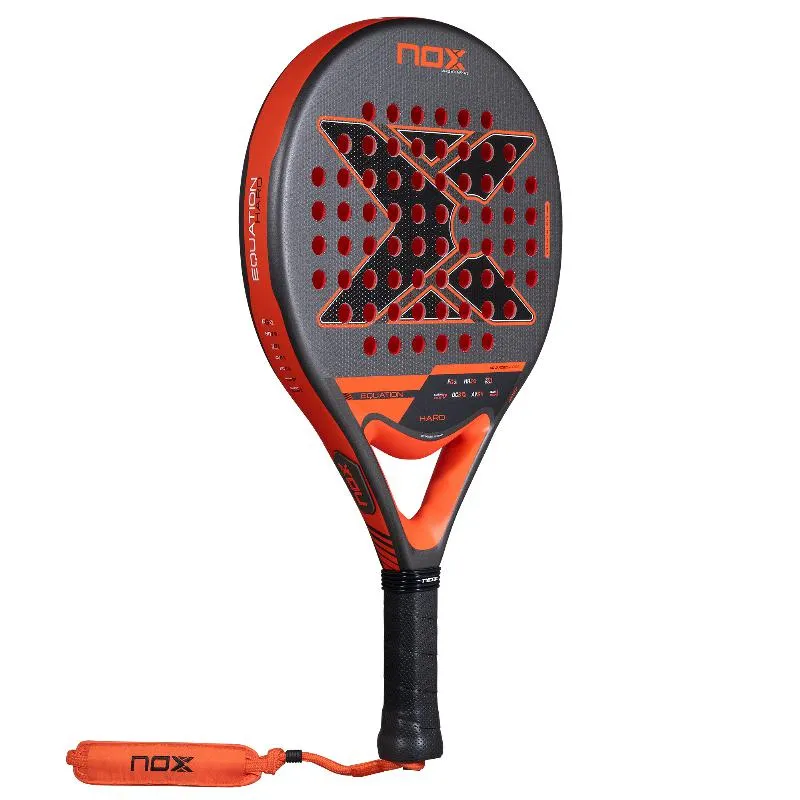
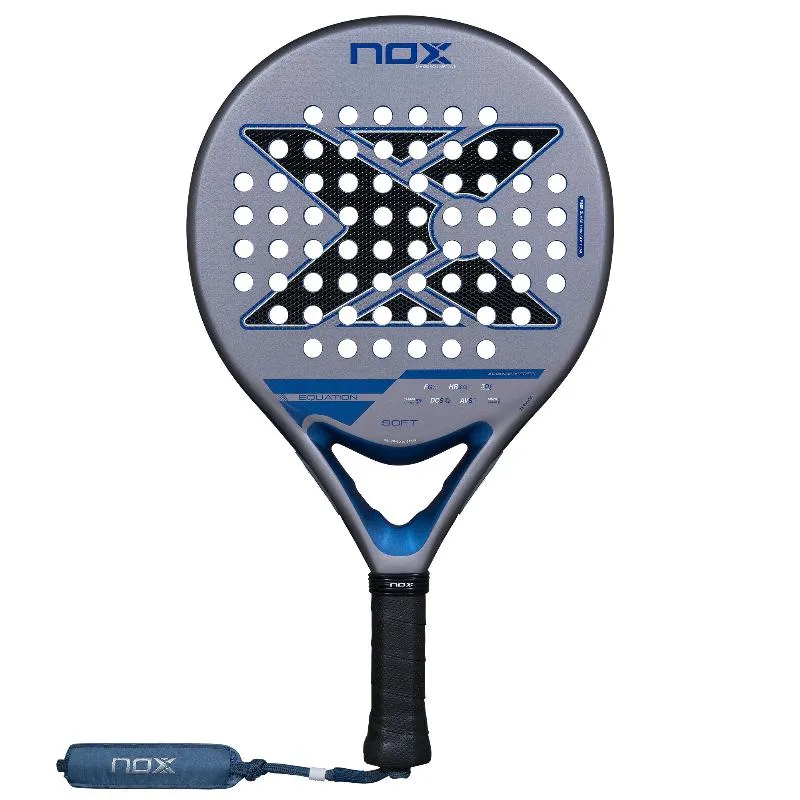
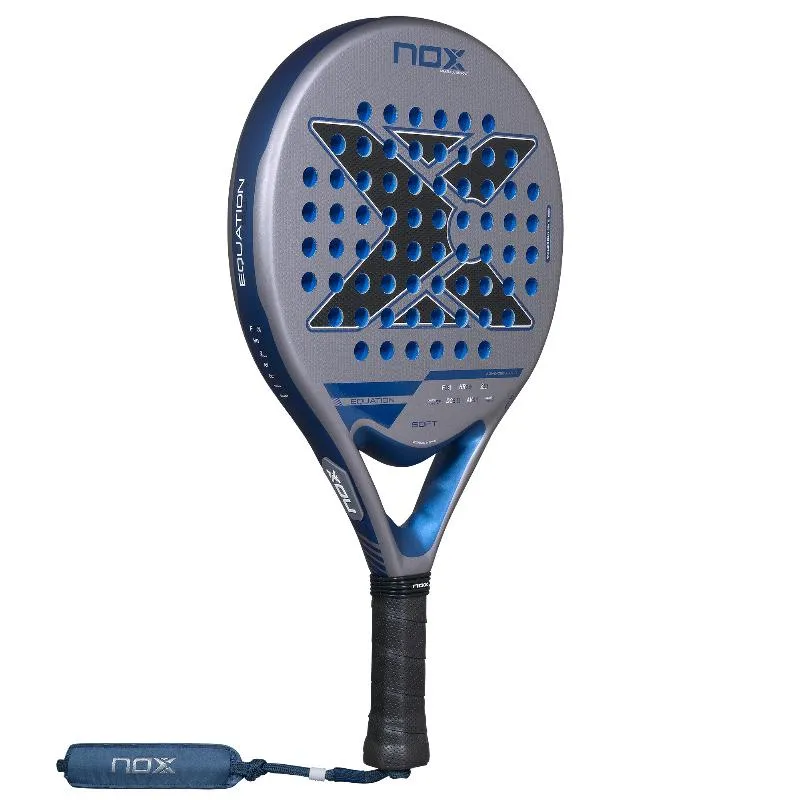
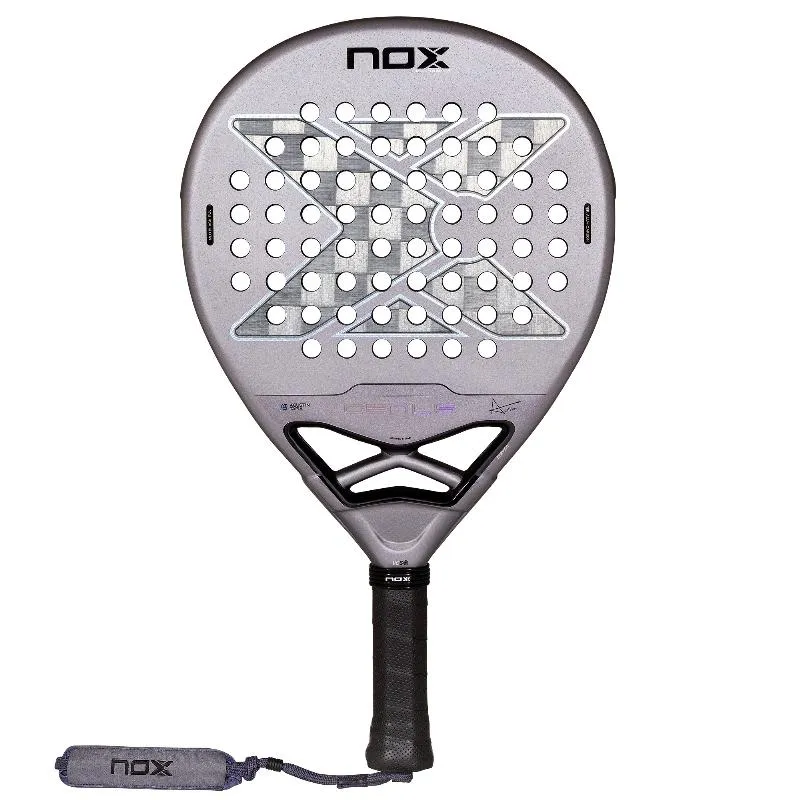
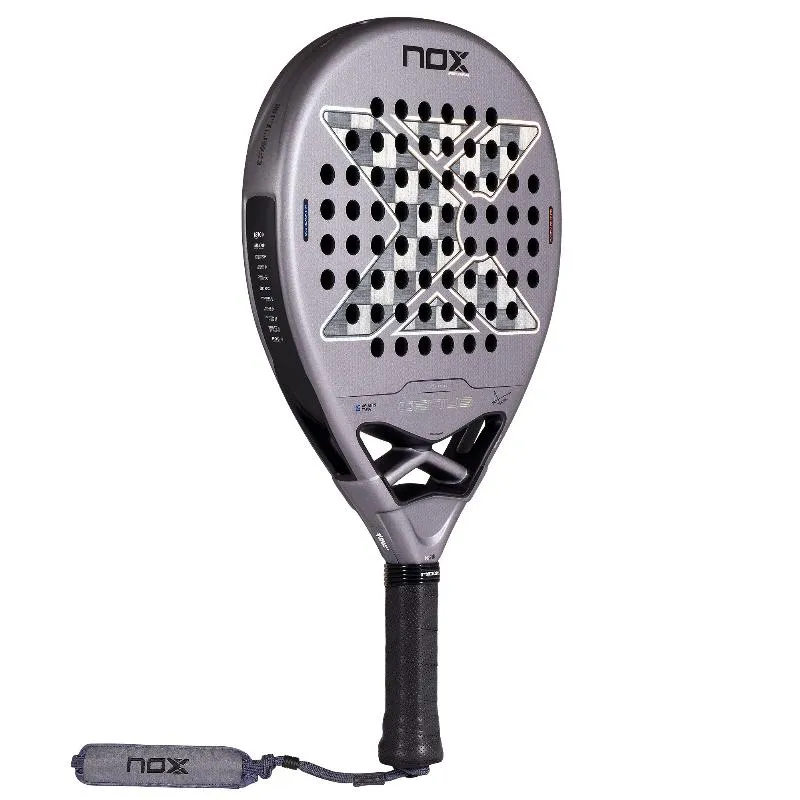
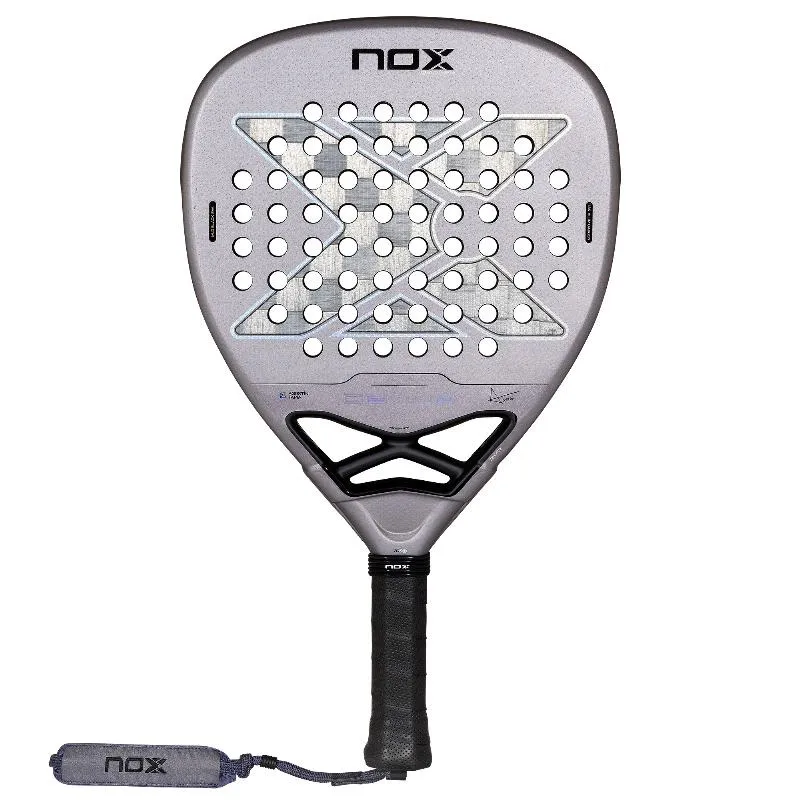
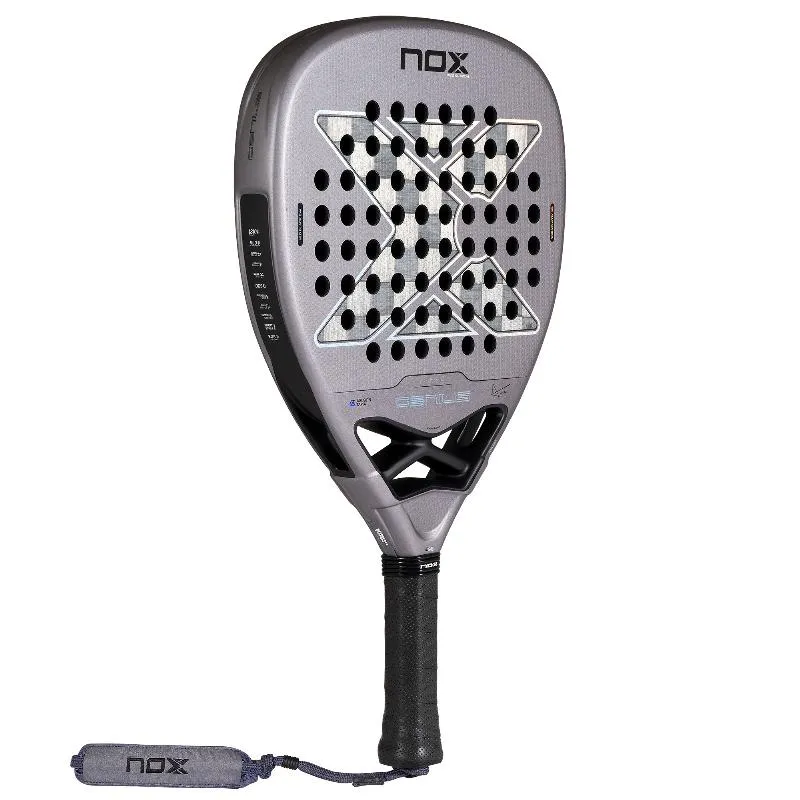
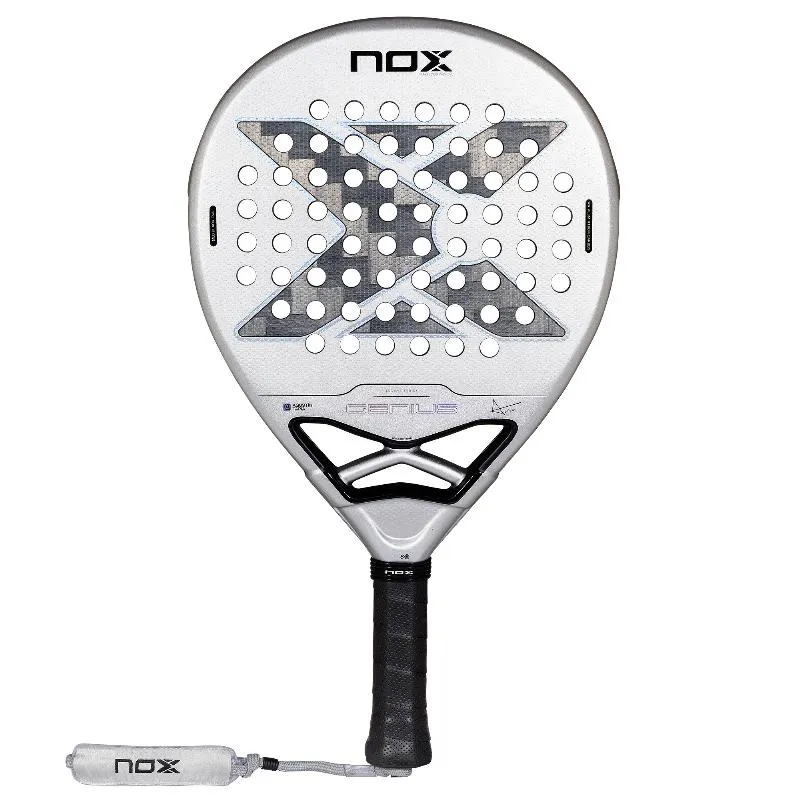
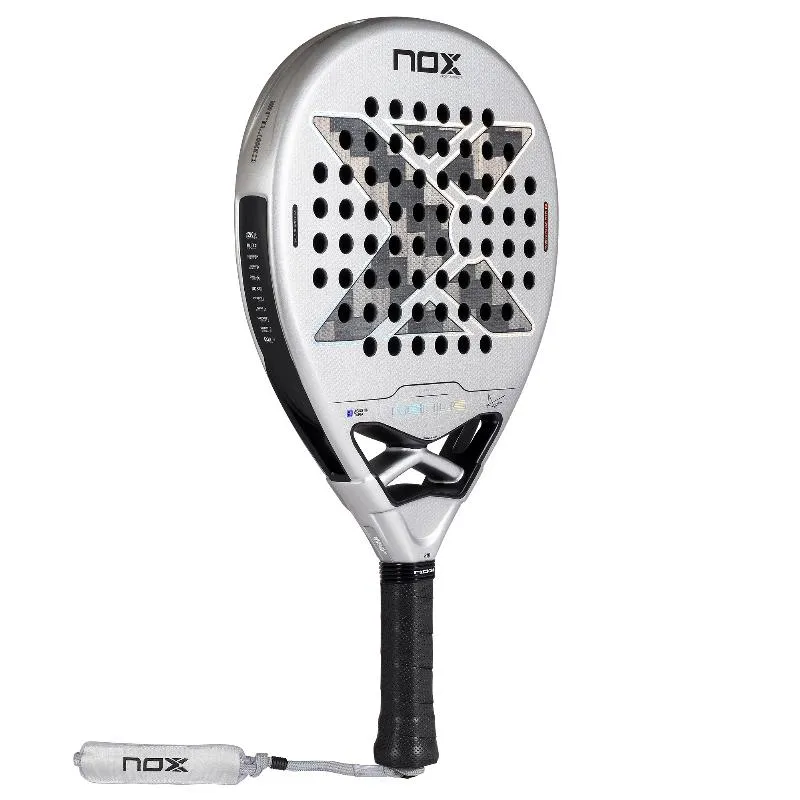
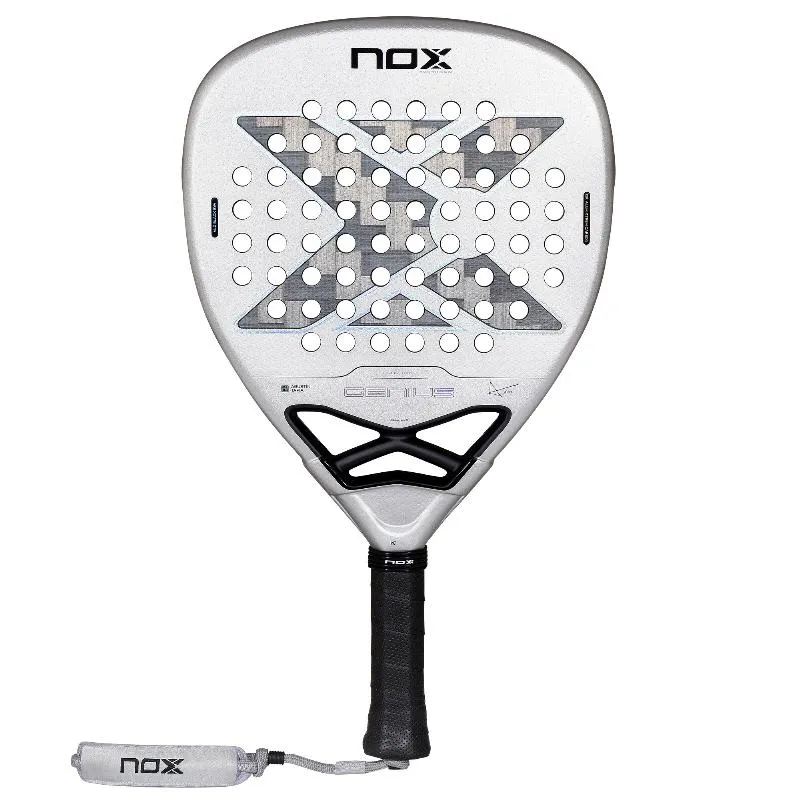
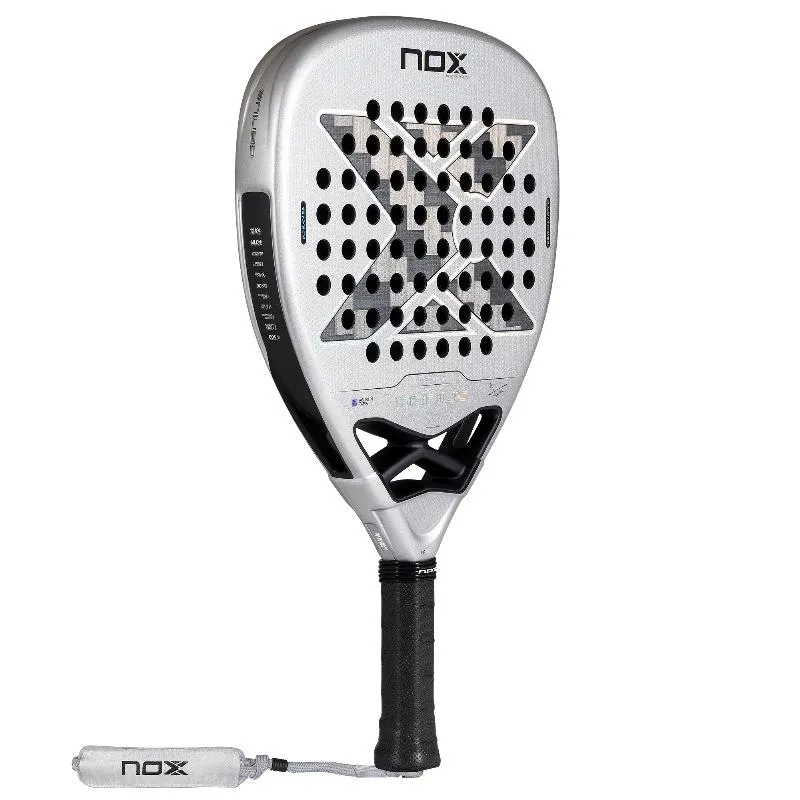
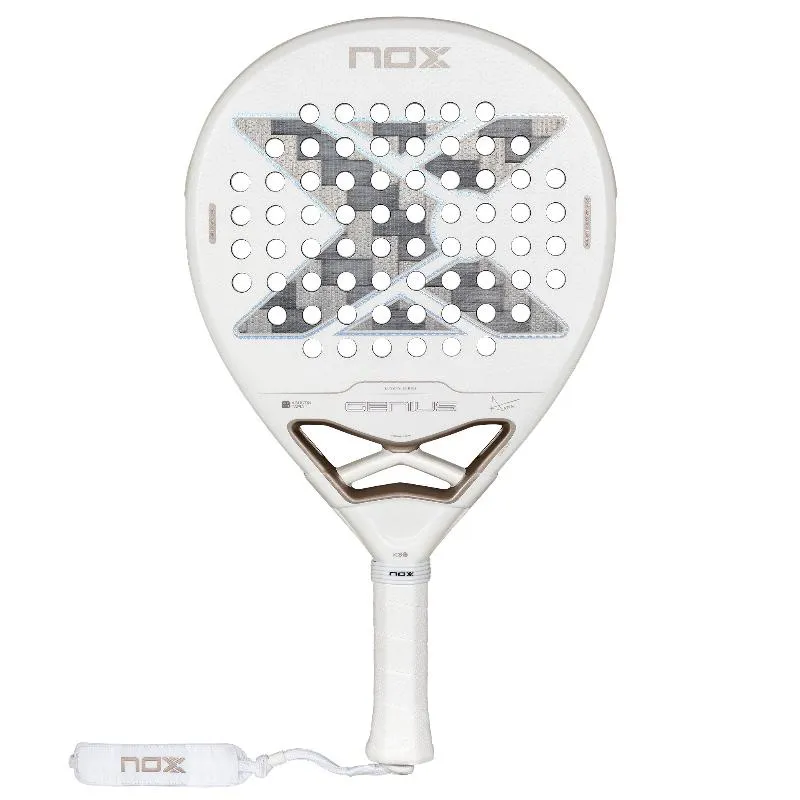
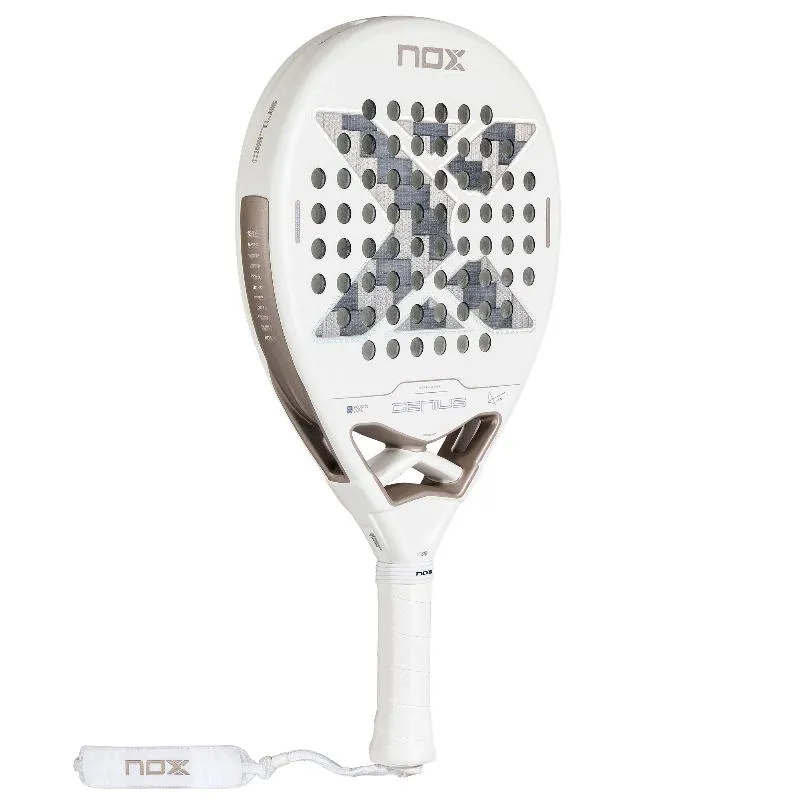
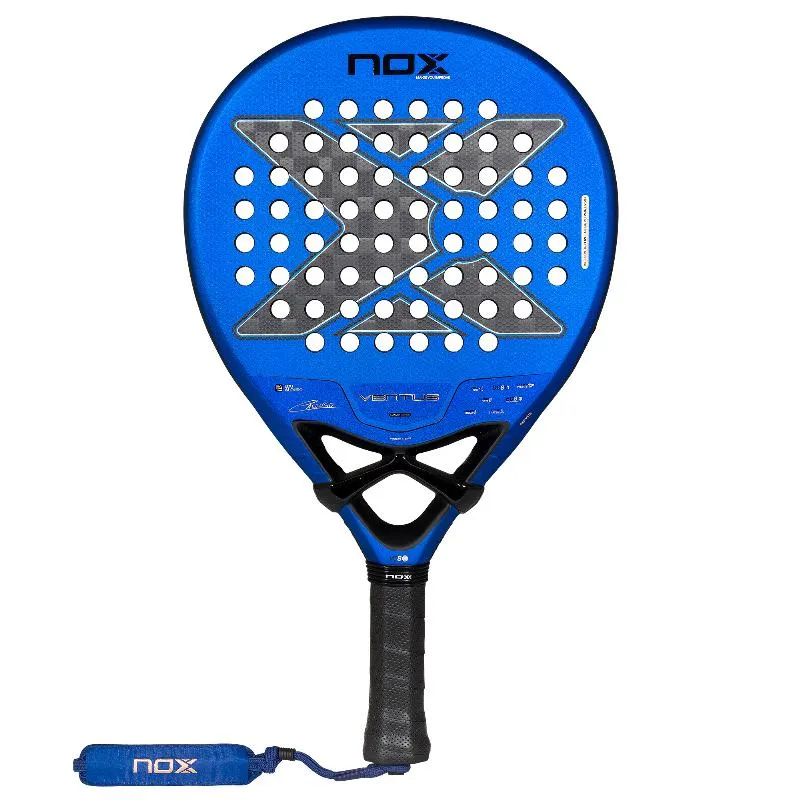
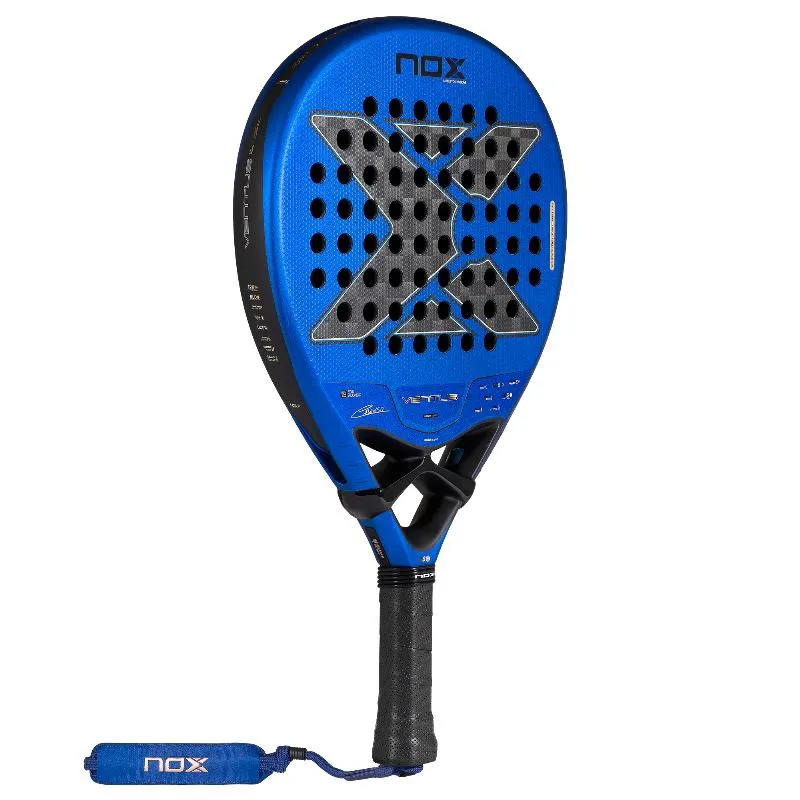
Explore options in SIUX Padel Rackets and Padel Rackets NOX, where you'll find rackets with all-round technologies and designs for every style.
What else should you consider when choosing your racket?
Besides shape and balance, factors such as weight, core hardness, and materials are crucial. Don't forget to protect your investment with accessories like the Softee Geometry Blue Protector, which helps extend your racket's lifespan.
In short, choosing between a control and a power racket depends on your style, level, and on-court goals. Analyze your needs and try different models to find the perfect balance to help you develop your game.
Final tips for making the right choice
- Prioritize control if you are learning or want precision.
- Go for power if your game is offensive and you have good technique.
- Consider all-round models if you alternate between defense and attack.
Remember that the variety of padel rackets available allows you to adapt your equipment as your playing level evolves.