



















































































Guia de Padel - PadelPoint
Differences in Footwork in Padel vs Other Racquet Sports
The art of movement in padel versus other racquet disciplines
Padel footwork is undoubtedly one of the most distinctive technical aspects compared to other racquet sports such as tennis, squash, or badminton. Although they may look similar at first glance, each discipline requires a specific movement technique, adapted to the playing environment, surface, and its own dynamics. Understanding these differences is key to enhancing your performance on court and avoiding injuries, especially if you come from another racquet sport and want to master padel.

At TiendaPadelPoint we help you not only to equip yourself with the best gear, but also to understand the technical fundamentals that will maximize your game.
Lateral and explosive movement in padel
Padel is a sport where short, rapid, and lateral movements predominate. The court is much smaller than in tennis, requiring instant reactions and constant direction changes. The key is to maintain a low posture, with knees bent and body weight slightly forward, enabling quick movement in any direction.
Another unique feature of padel is the use of walls, which forces anticipation and position adjustment to take advantage of rebounds. Here, the accuracy of the first step and stopping ability are crucial, which is why padel shoes are designed to provide the best grip and cushioning.
How does the playing space influence footwork technique?
Compared to tennis, where the court is much larger, movements are usually longer and faster. In padel, agility over short distances and the ability to move laterally or forward and backward in small spaces prevail.
Movement in tennis vs padel
In tennis, the player uses large strides, a split-step, and diagonal runs. In padel, the crossover step, short steps, and minimal adjustment movements to reposition after every shot dominate. Also, the net is always close in padel, so you're always alert and ready for volleys.
Squash, although played in a closed space, requires much more vertical and explosive movements, with abrupt stops and rapid changes in rhythm. Badminton requires light jumps and fast movements in all directions, but with fewer abrupt stops and softer foot landings.
Which type of footwear is best for each sport?
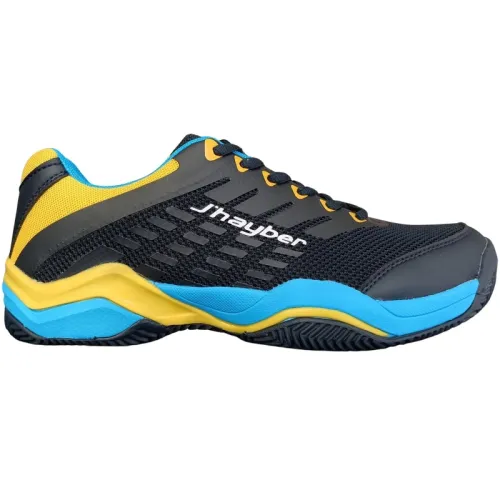
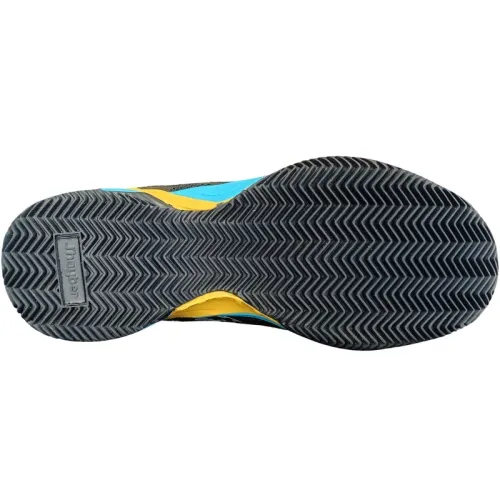
Footwear is fundamental to optimize footwork. Padel shoes have specific soles (herringbone, omni, or clay) that favor lateral movement and stability, preventing slips on synthetic courts.
Comparison between padel and tennis shoes
Tennis shoes typically have soles adapted for different surfaces (hard, grass, clay) and are designed for high impact and longitudinal movements. Padel shoes, meanwhile, offer greater flexibility and lateral traction, with extra reinforcements for abrupt stops and direction changes.
For sports like squash or badminton, footwear is lighter, with a flat rubber sole for grip on smooth floors and explosive movement without damaging the court.
Why are positioning and anticipation so important in padel?
Anticipation in padel is crucial, as the reaction space after an opponent's shot is very limited. Footwork is not just about moving quickly, but also about reading the play and predicting rebounds off the walls. This translates into strategic positioning and economy of movement, allowing you to reach more balls and hit with greater precision.
The role of accessories in improving movement
Besides good footwear, there are padel accessories such as technical insoles, compression socks, or ankle braces, which help prevent injuries and improve stability. These extras, available at our store, make a difference in long-term performance.
Which specific exercises improve footwork in padel?
Padel footwork training focuses on reaction speed, coordination, and stamina in short spaces. Recommended exercises include:
- Agility ladder to improve short, quick steps.
- Lateral movement with resistance bands to strengthen abductors and glutes.
- Simulated explosive starts and abrupt stops.
- Split-step drills and reaction to unexpected direction changes.
In technical padel clothing you will find garments that enhance mobility and breathability during training, making these exercises more efficient and comfortable.
What common mistakes are made when adapting footwork from other sports to padel?
Many players coming from tennis, squash, or badminton tend to reproduce movement patterns unsuited for padel. For instance:
- Taking steps that are too long or excessive jumping, losing court control.
- Not taking advantage of wall rebounds and remaining static after shots.
- Neglecting base and balance, reducing shot power and precision.
- Using shoes not designed for padel, increasing injury risk.
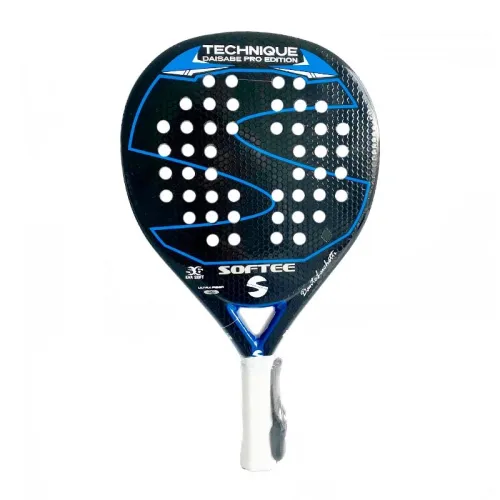
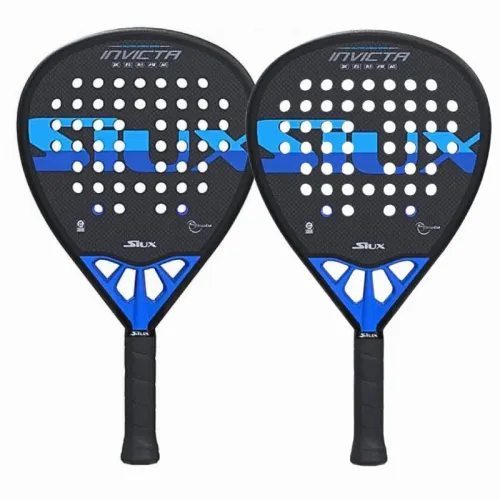
To avoid these mistakes, it's recommended to learn padel-specific technique, choose padel rackets suited to your level, and check out the most suitable ball models.
Padel Guide: Technical Knowledge and Game Experience
tiendapadelpoint · Authority in padel, gear and performance @ Copyright 2026
