
















Guia de Padel - PadelPoint
Differences between legend and current padel rackets
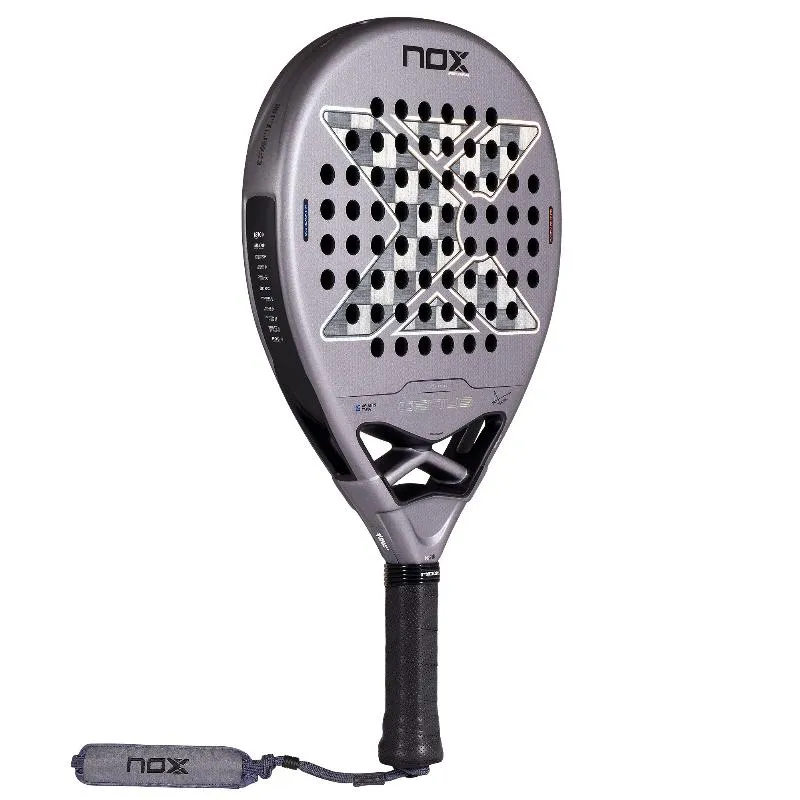
The technological revolution in modern padel rackets
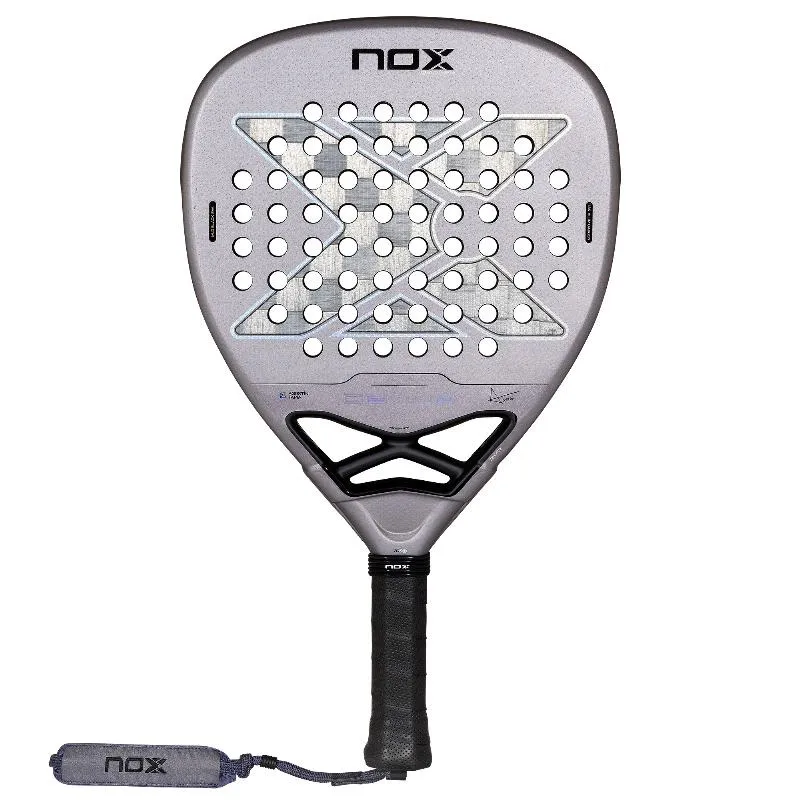
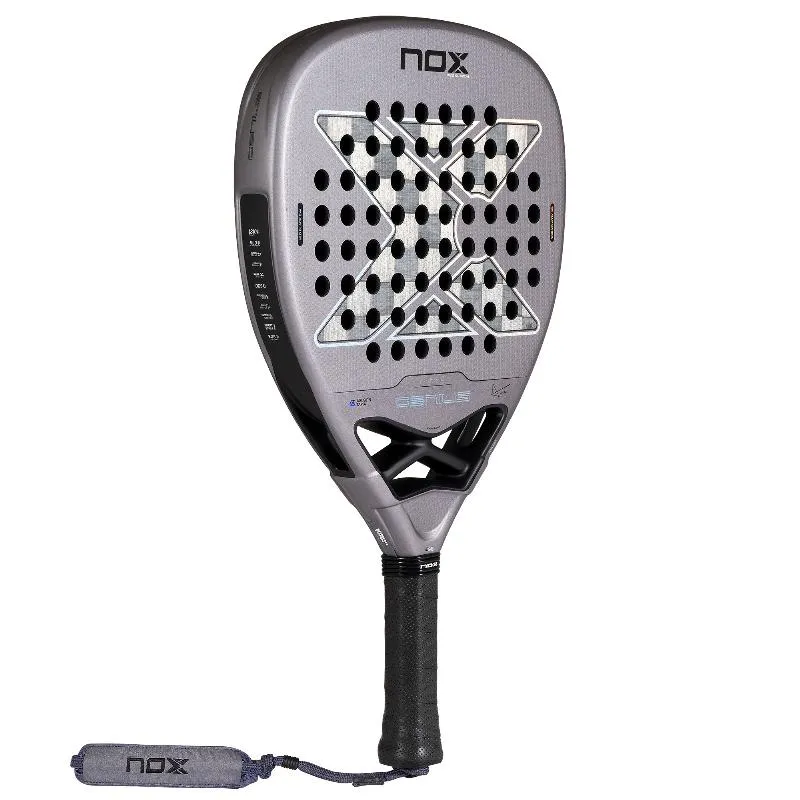
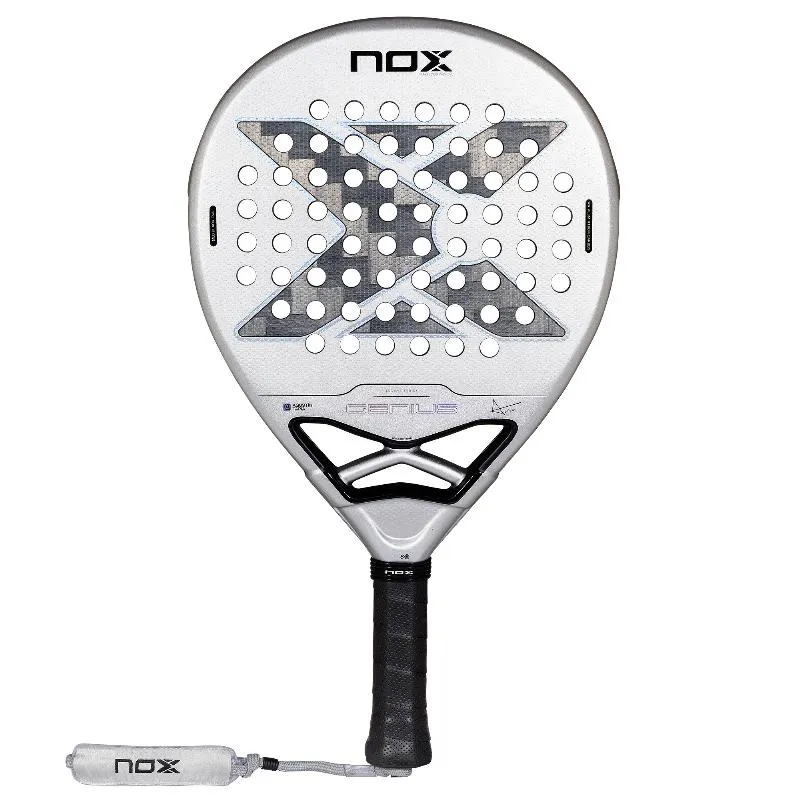
Padel has undergone a true revolution in recent years, especially regarding padel rackets. Padel legends, such as Juan Martín Díaz or Fernando Belasteguín, began their careers using rackets that are very different from those dominating the market today. Analyzing the differences between the rackets used by these legends and those currently used is key to understanding the sport's evolution and how it can influence your own game.

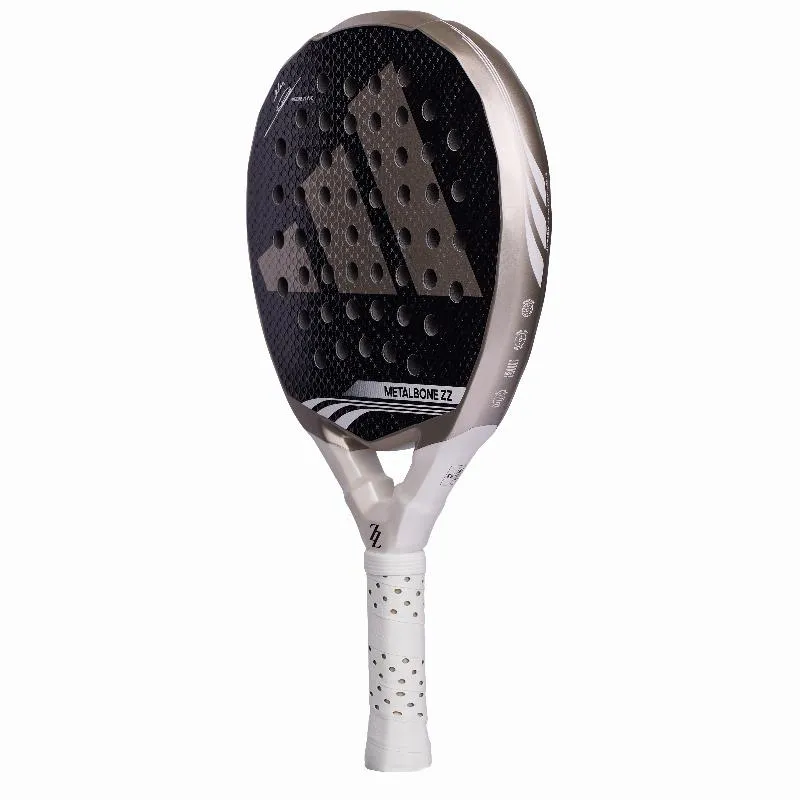
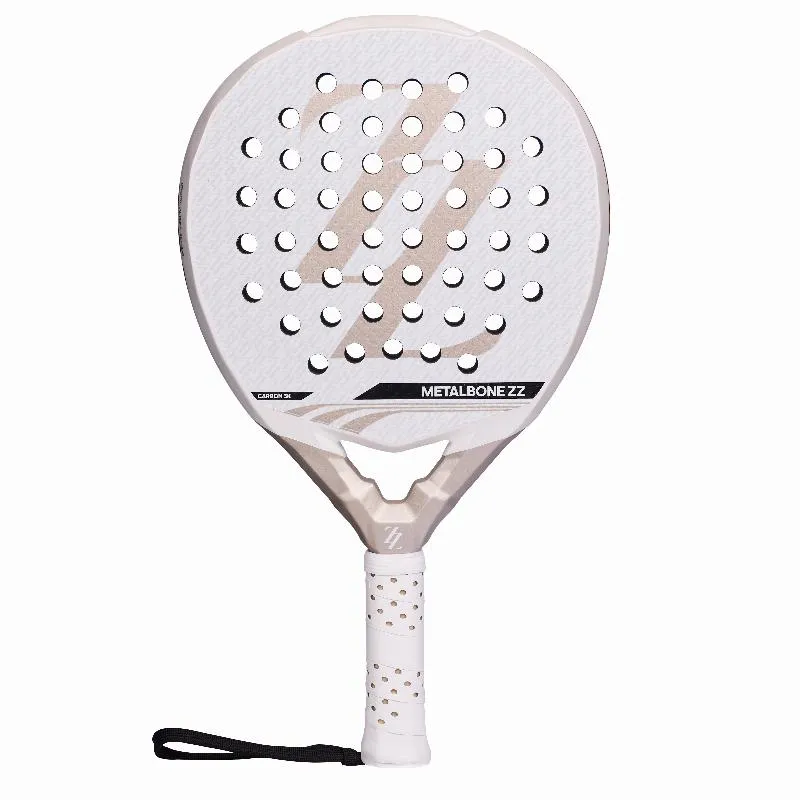
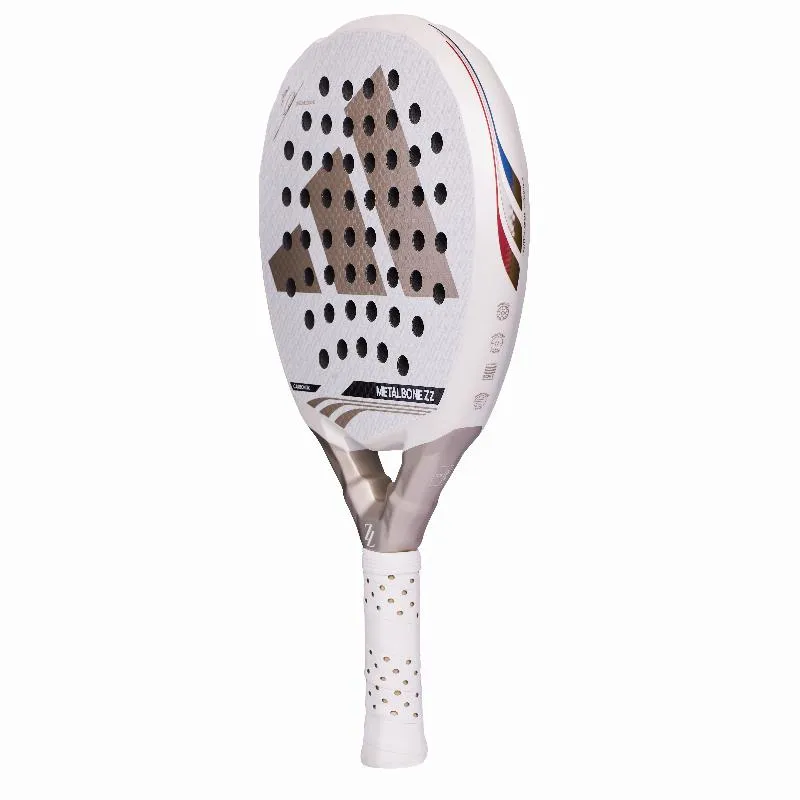
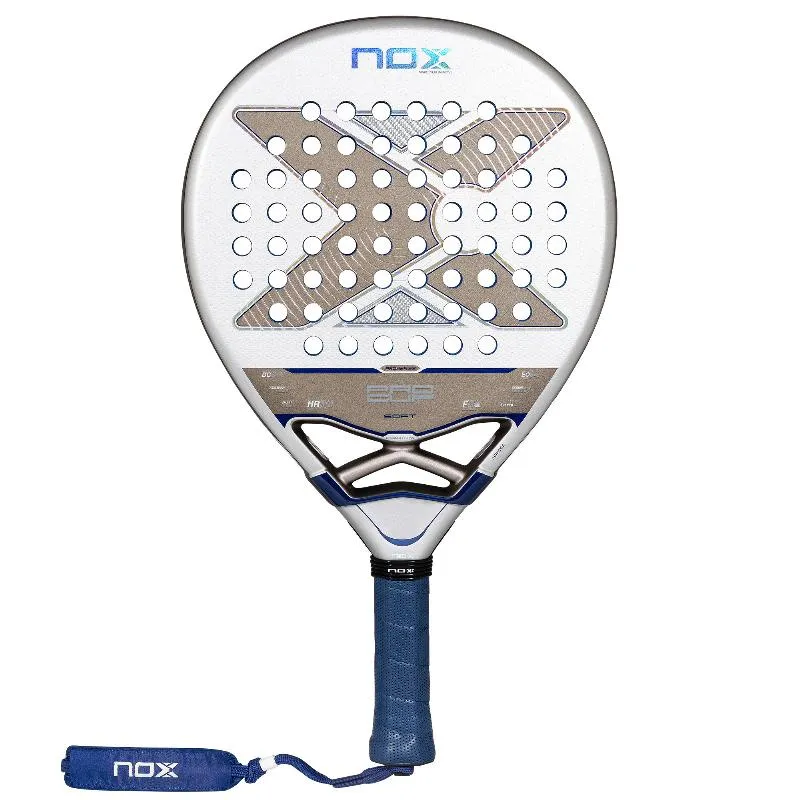
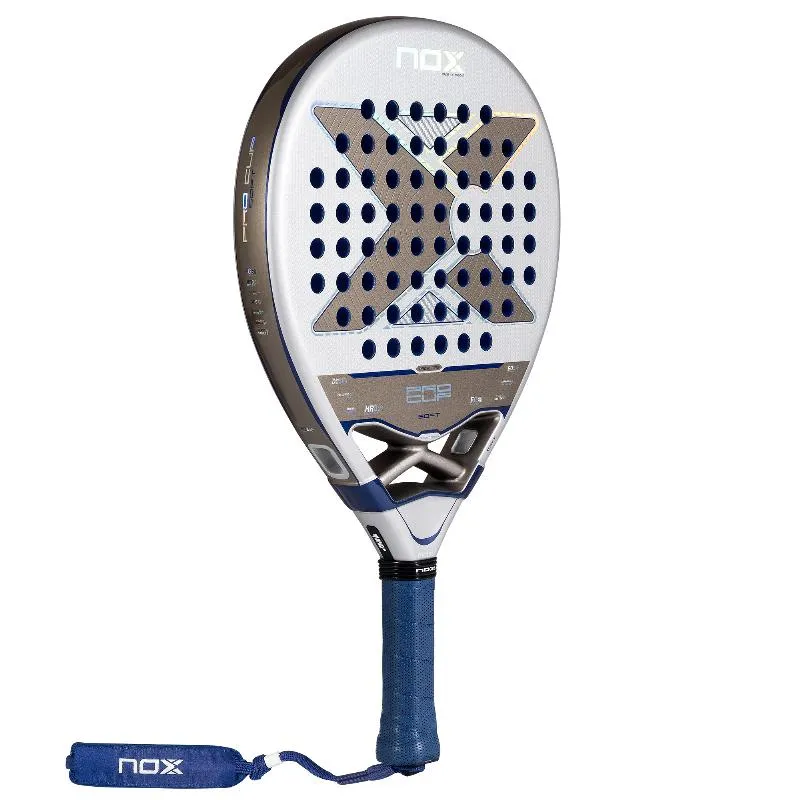
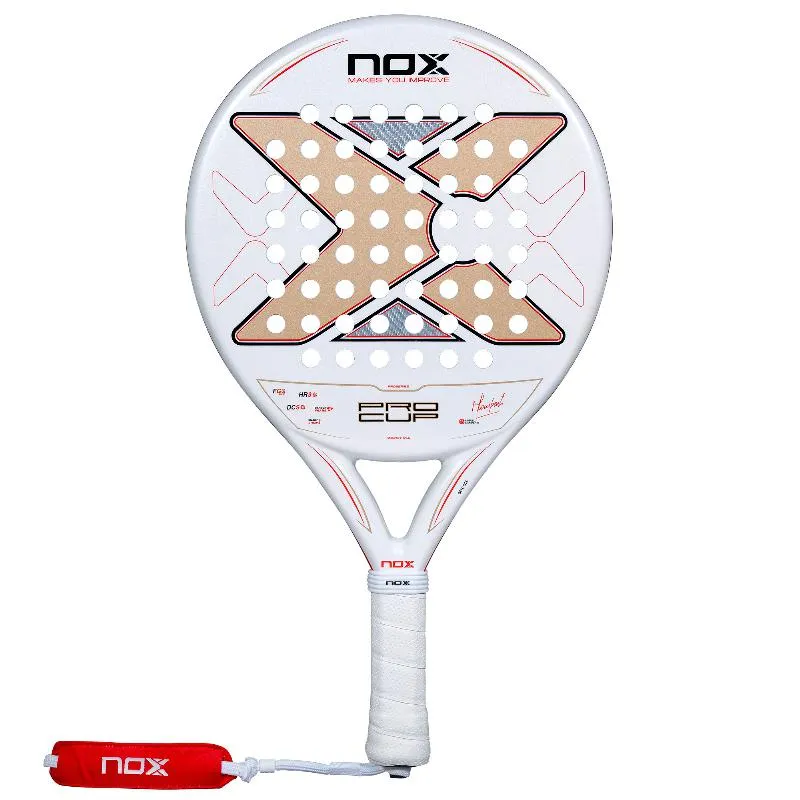
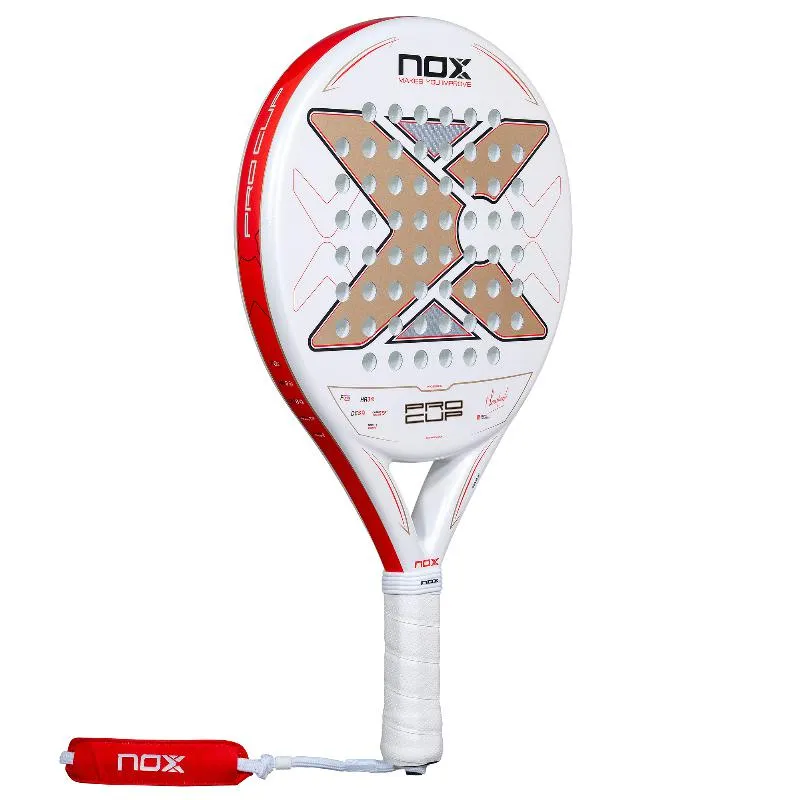
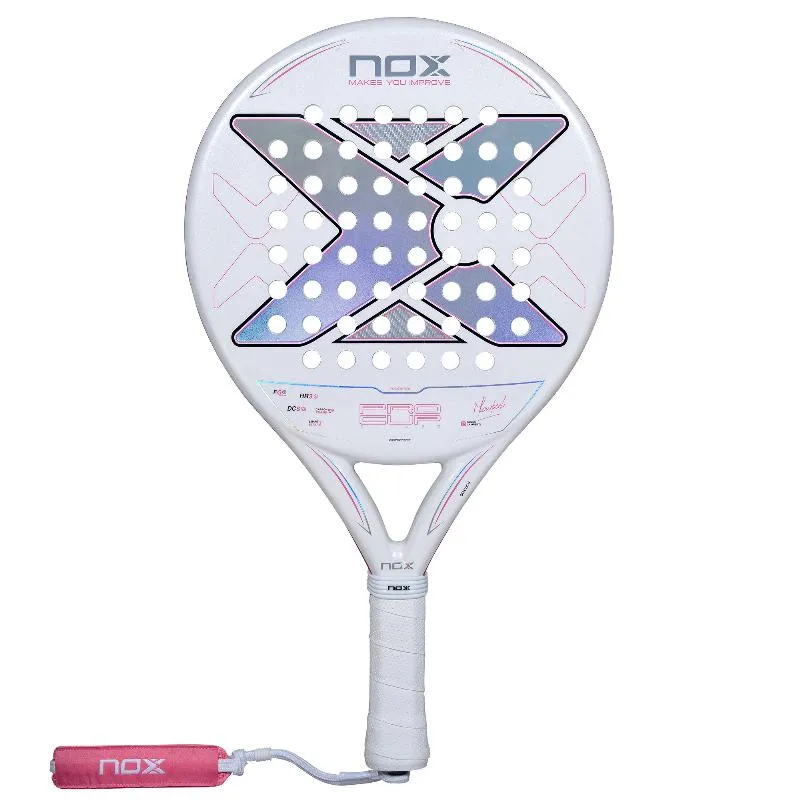
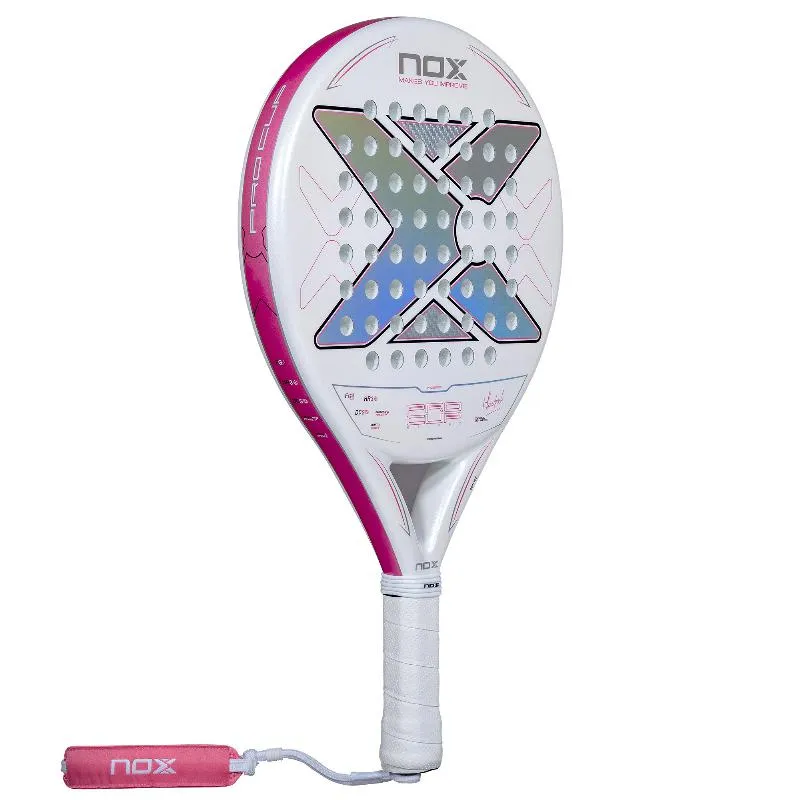
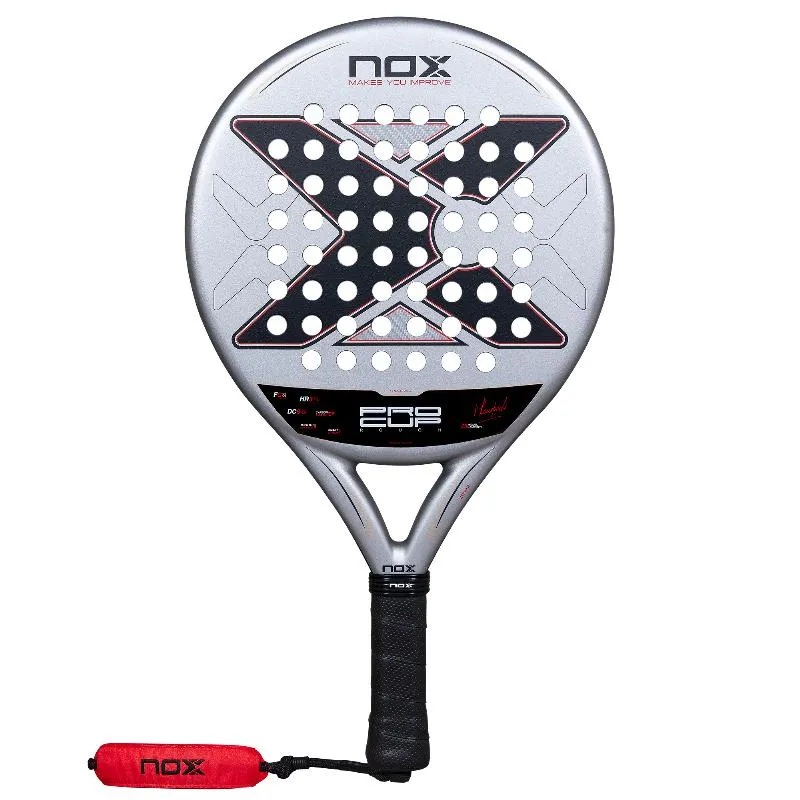
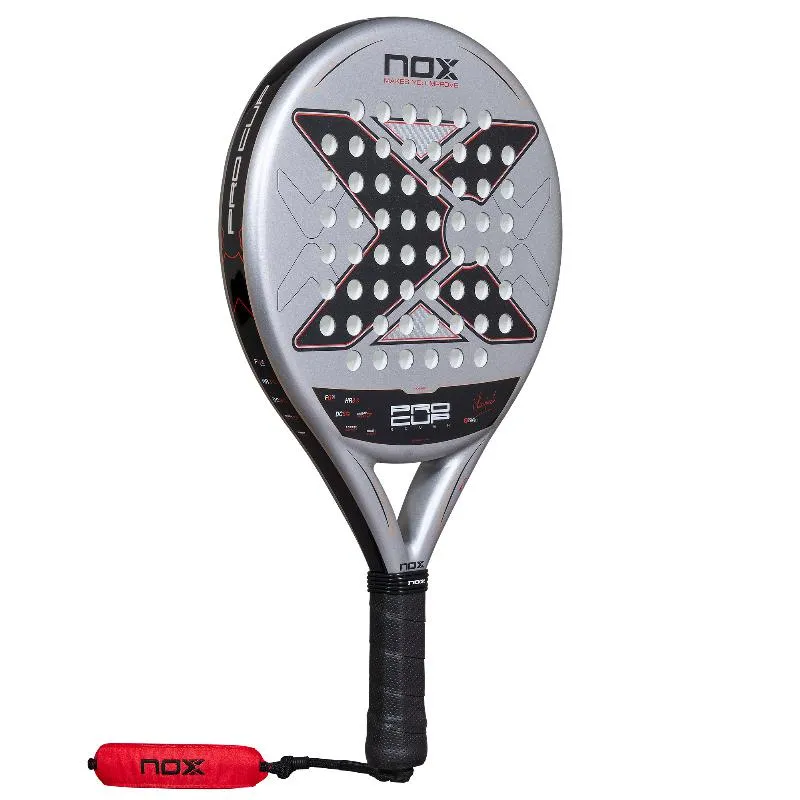
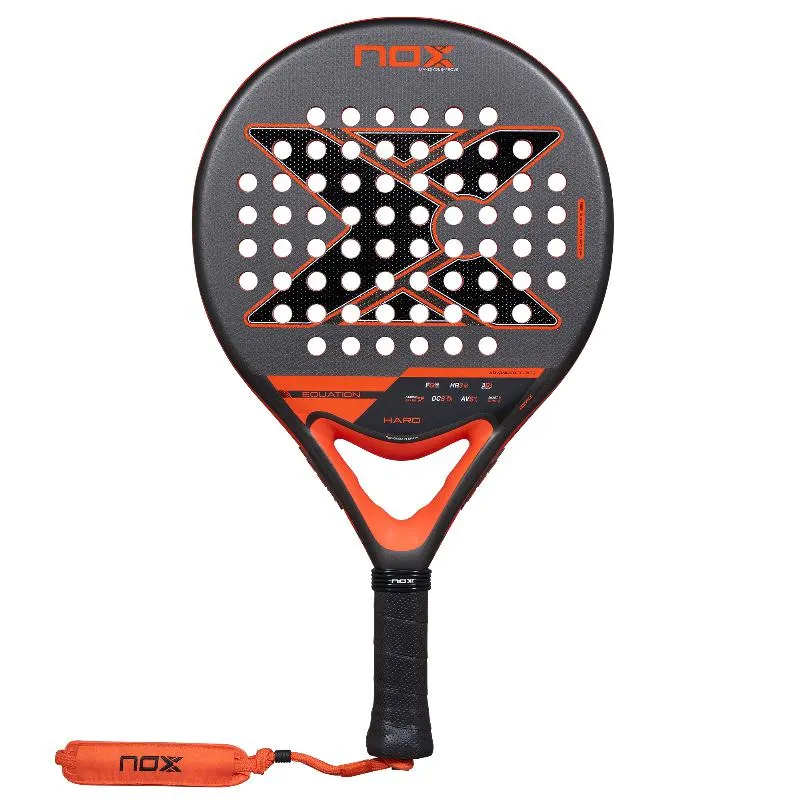
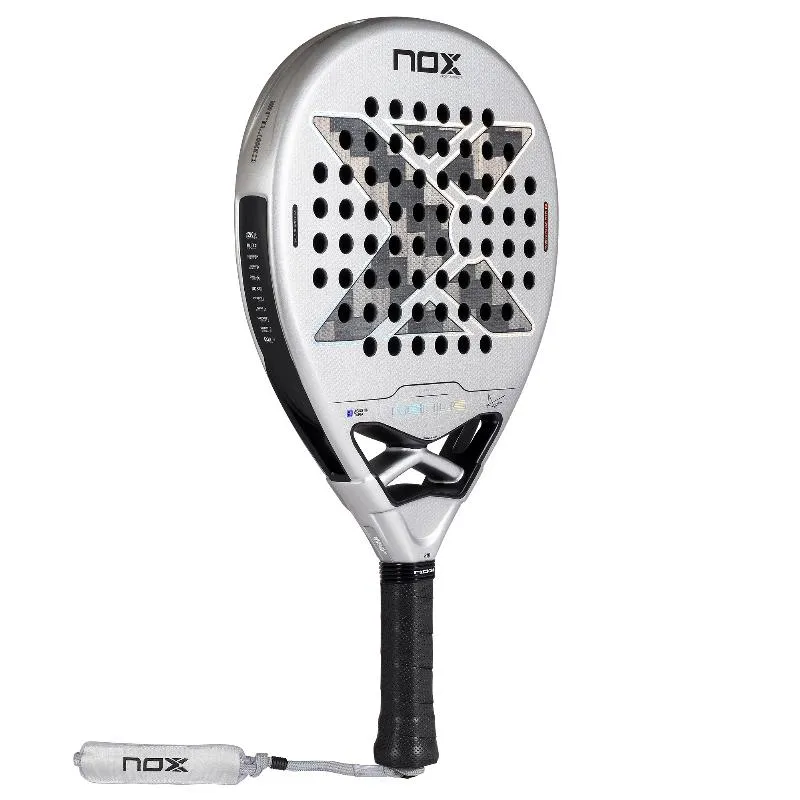
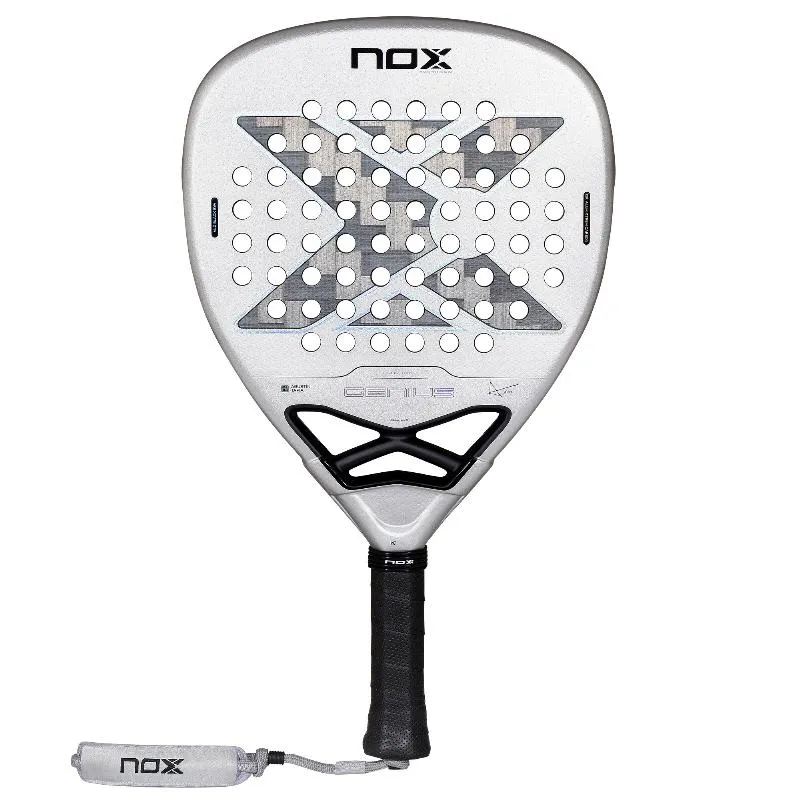
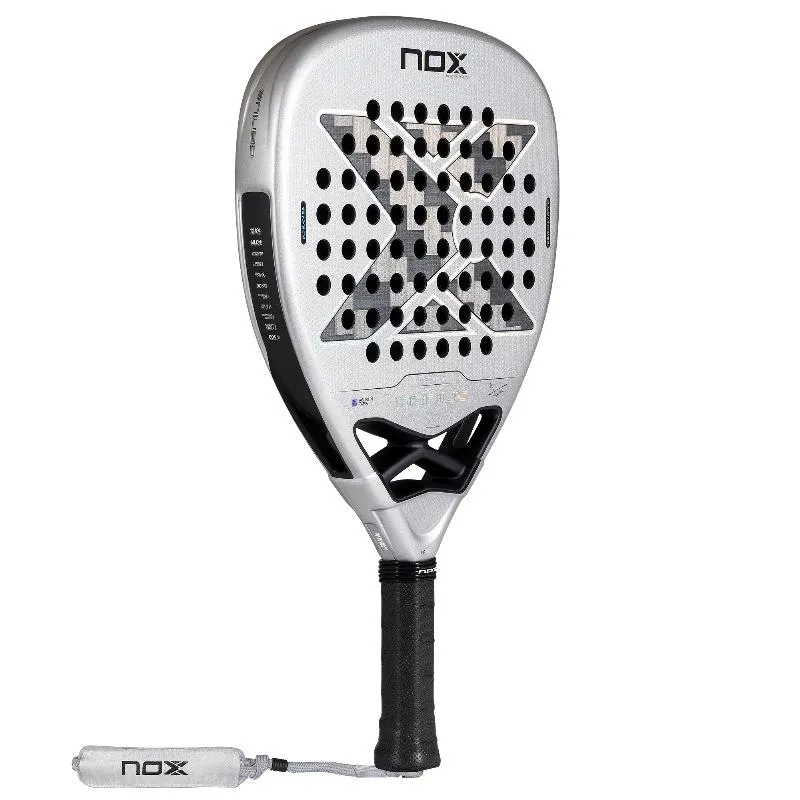
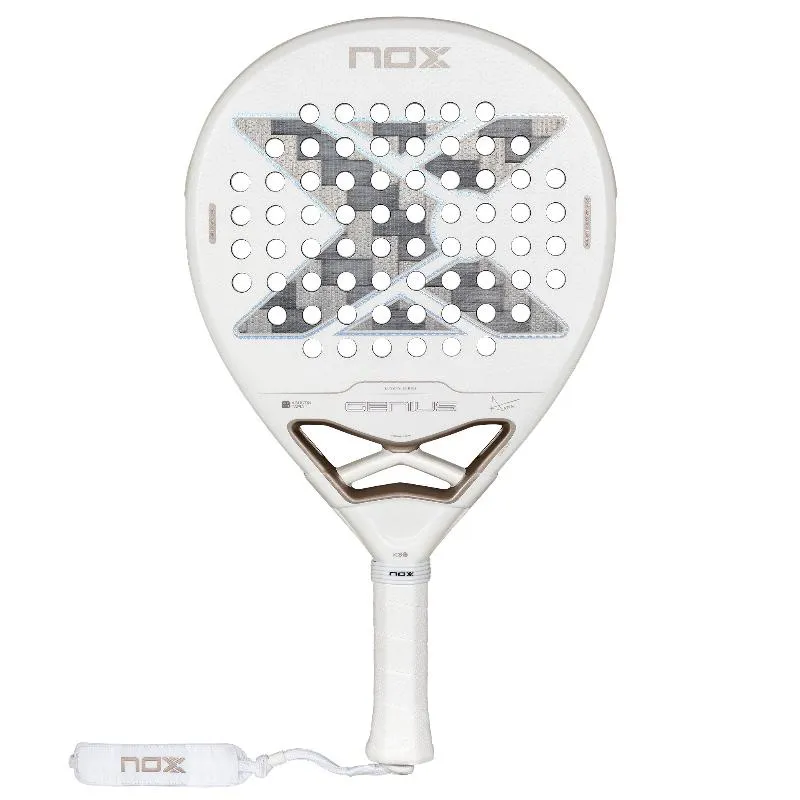
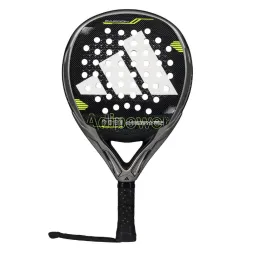
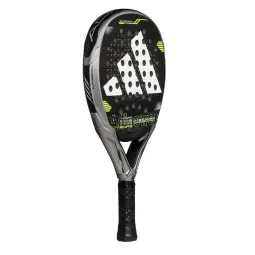
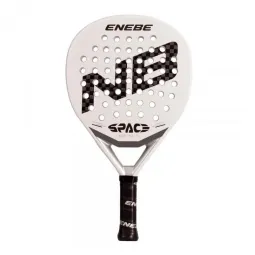
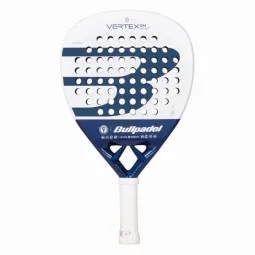
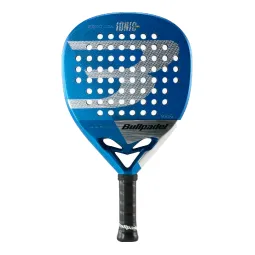
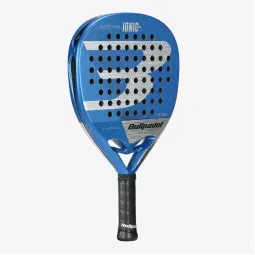
At TiendaPadelPoint you can find a wide variety of rackets featuring the latest technology and cutting-edge materials, but how do they really differ from the classic rackets used by the pioneers?
What materials set the legends' rackets apart?
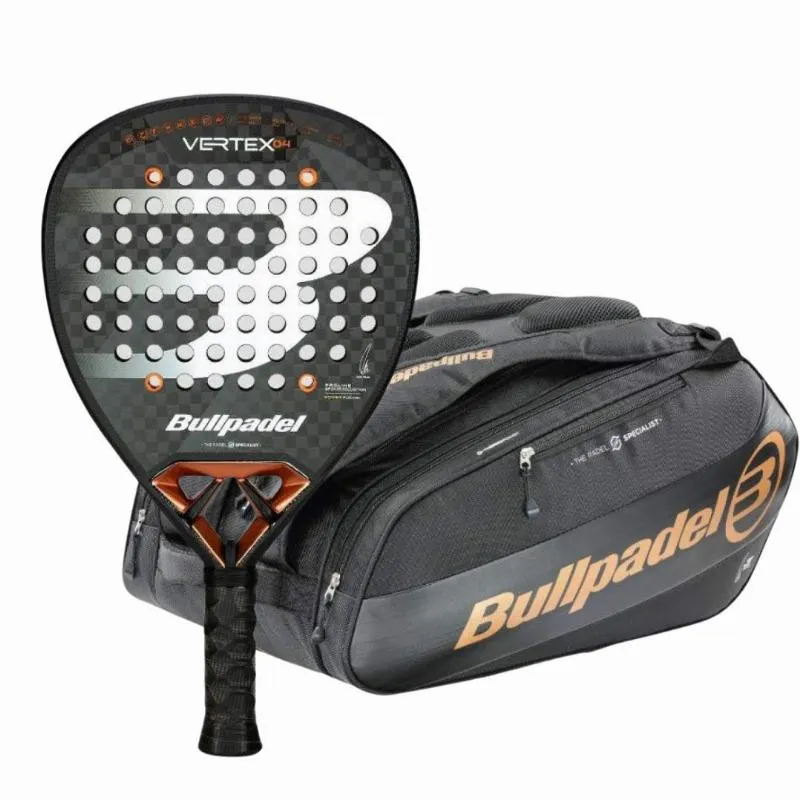
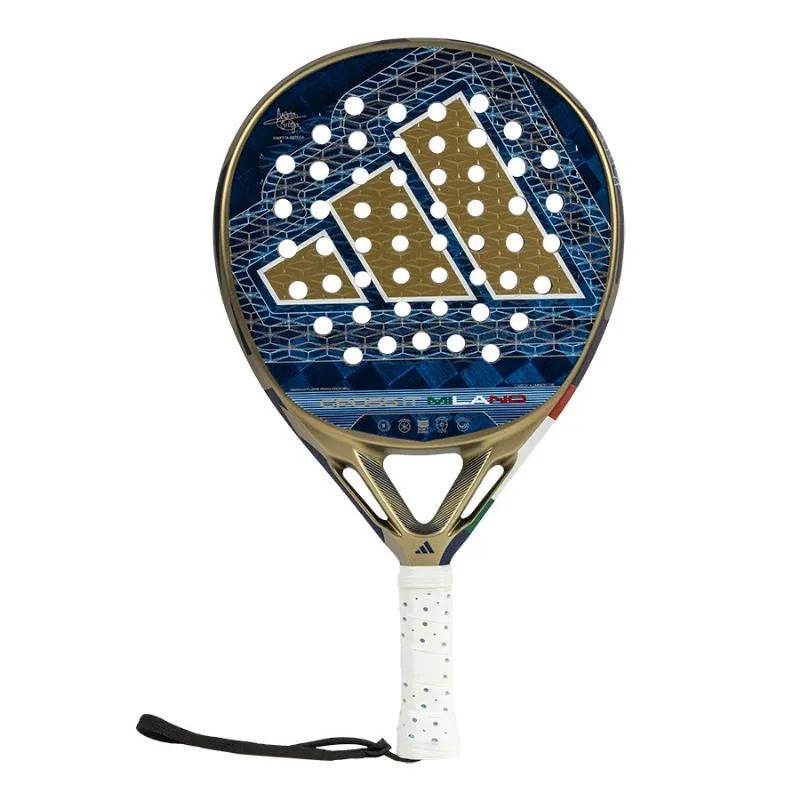
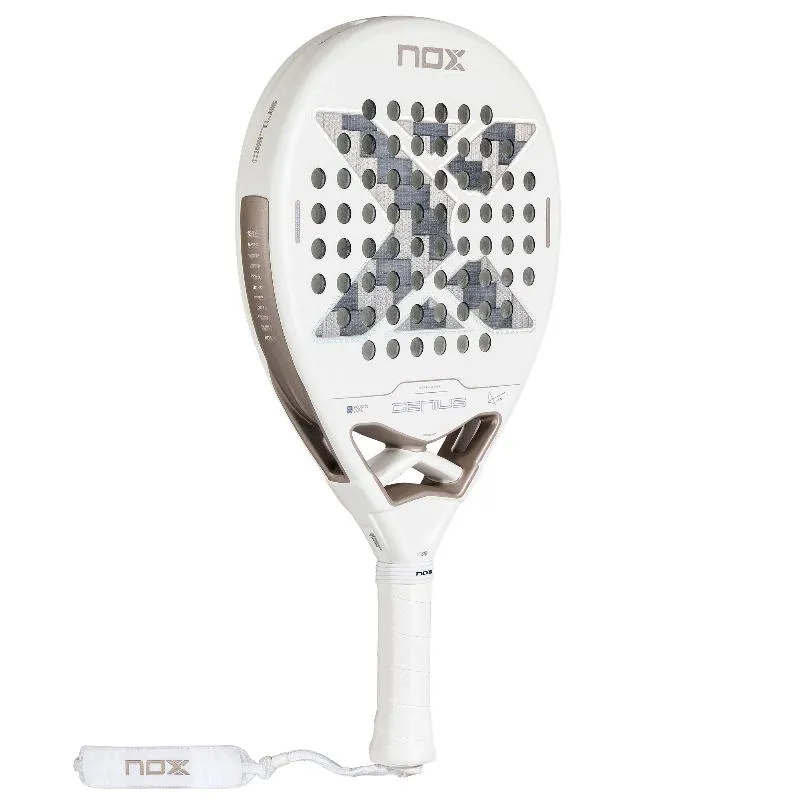
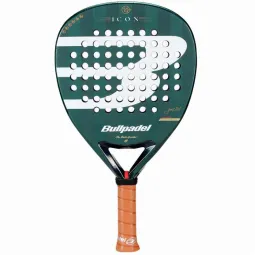
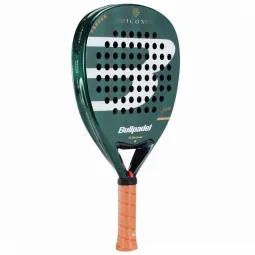
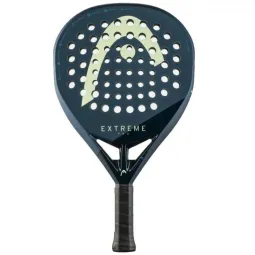
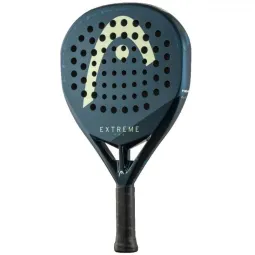
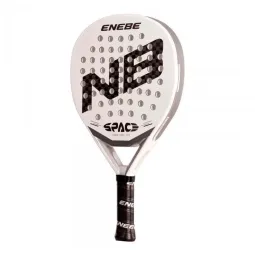
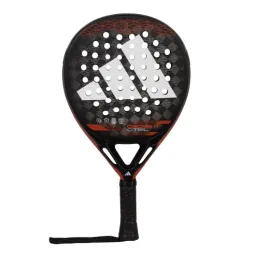
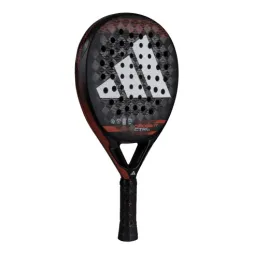
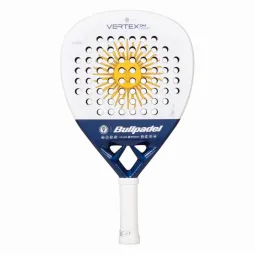
The first padel rackets used by legends were mainly made of wood or with very simple EVA rubber cores. Their weight was usually high and durability depended largely on wood quality and treatment. Today, brands like Adidas, Bullpadel, and Head have opted for composite materials such as carbon fiber, graphene or even basalt.
Key material evolution
- Wood to advanced composites: Early rackets were fully wooden, while current ones use fiber and resin layers.
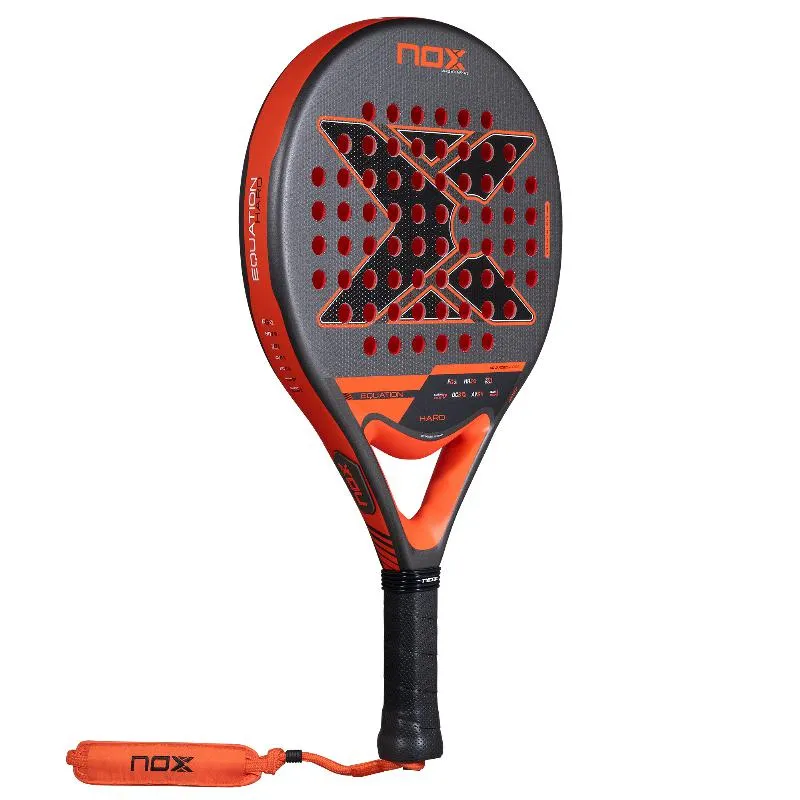
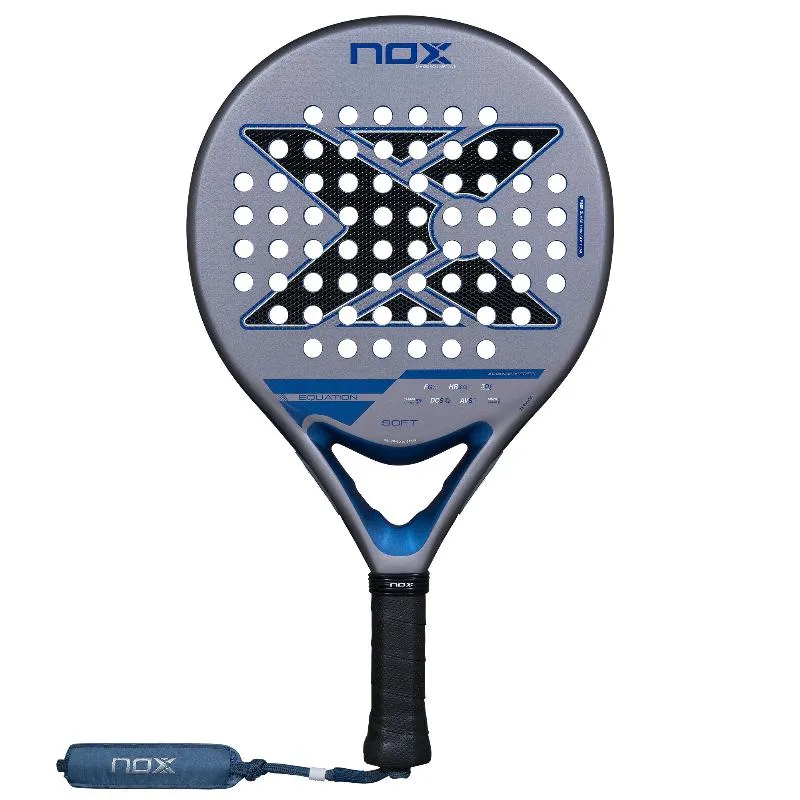
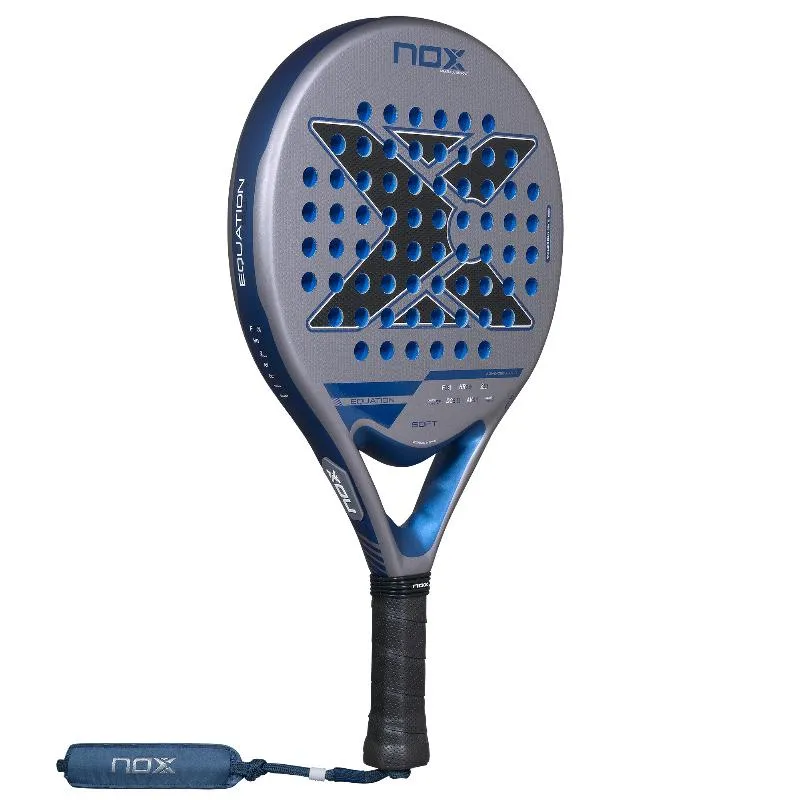
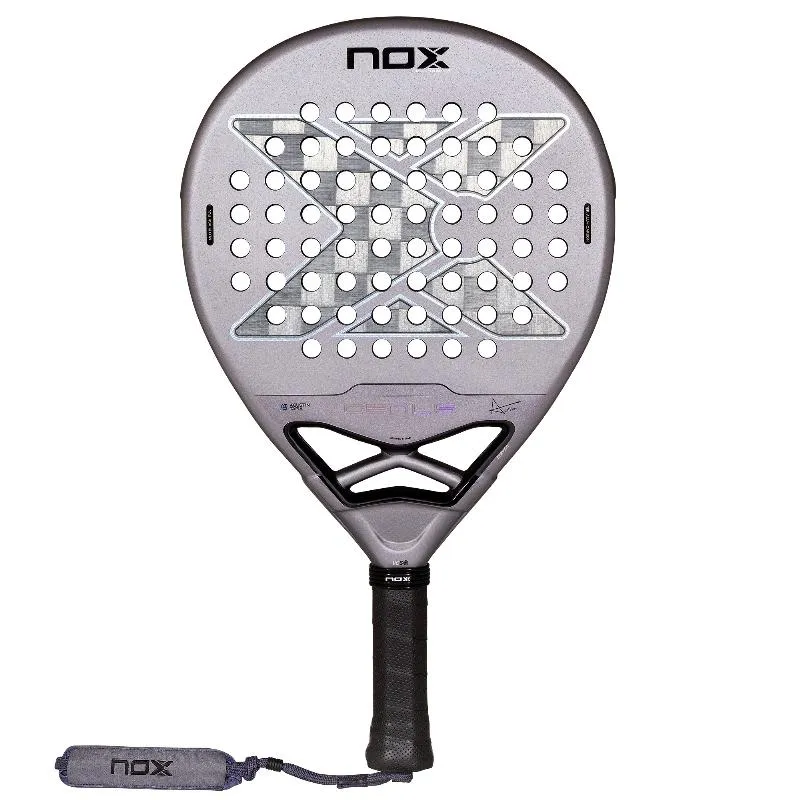
- Lighter weights: Modern rackets like those from Nox or Vibora can weigh up to 50 grams less than old ones.
- Core innovation: Current EVA and FOAM rubbers provide better control and ball output.
How has manufacturing technology changed?
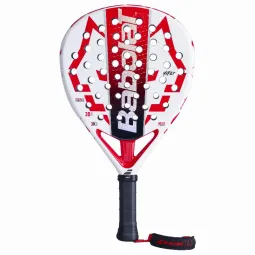
Technology is key in the difference between legend and current rackets. Previously, the process was artisanal and each racket could behave differently. Today, brands like Starvie, Babolat, and Siux use high-precision molds, anti-vibration systems, and ergonomic designs that guarantee uniformity and performance.
Most notable technologies
- Anti-vibration: ShockOut systems or integrated anti-vibrators to protect the elbow.
- Rough surfaces: Improve spin and ball control.
- Optimized shapes: The evolution of shapes (round, teardrop, diamond) responds to aerodynamic and playability studies.
What differences affect performance and playing style?
Old rackets favored a slower, more technical game. Their weight and stiffness limited ball speed but provided greater control for precise shots. Modern rackets allow you to hit harder, with more ball output and innovative effects, adapting to a faster and more physical padel.
Impact on professional and amateur play
- Power vs. control: Legends prioritized control, while current rackets allow a balance between control and power.
- Adaptation to the player: Today you can choose rackets designed for each player type, from beginners to advanced.
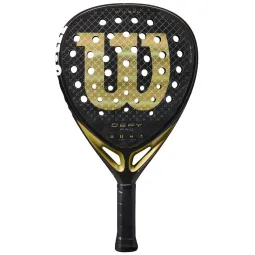
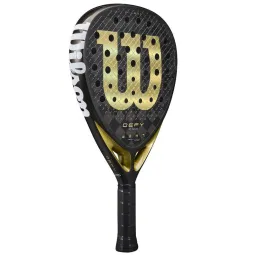
- Customization innovations: Weight adjustment, balance systems, and customization in Wilson or Dunlop models.
Which brands have set trends in each era?
During the golden years of padel legends, brands like Sane, Royal Padel, and Akkeron were benchmarks for quality and durability. Today, the offering is much broader and more sophisticated, with brands like Bullpadel and Adidas leading in innovation, design, and applied technology.
The role of accessories in evolution
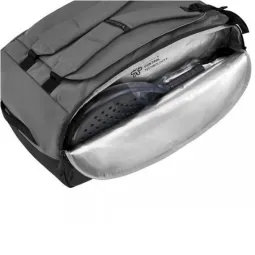
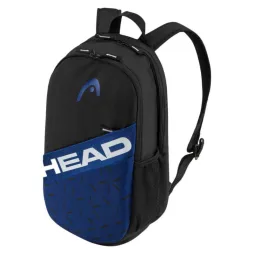
The advance is not only in rackets; padel accessories and equipment are also evolving with the industry, allowing for a more professional and personalized experience.
How to choose the right racket by era and level?
Choosing a racket depends now more than ever on each player's needs. If you are nostalgic and seek classic sensations, you can explore outlet models or retro ones. If you want the latest in innovation, go for the current padel rackets that incorporate state-of-the-art technologies.
Final tips for players of all levels
- Try different models to find the balance between power, control, and comfort.
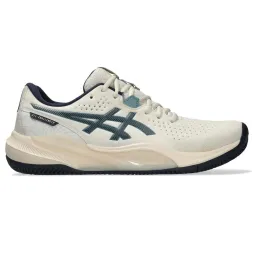
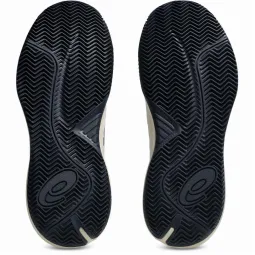
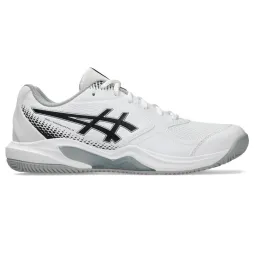
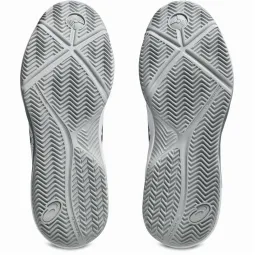
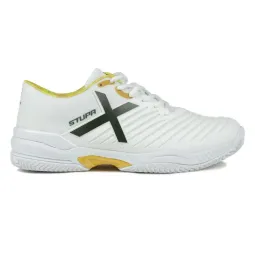
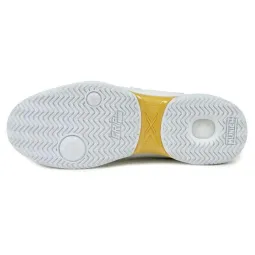
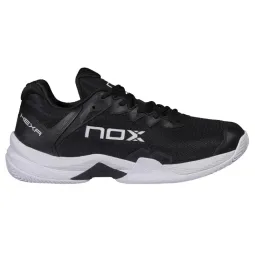
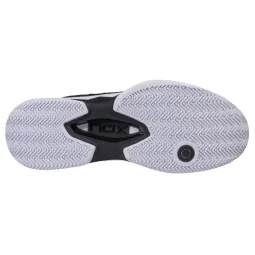
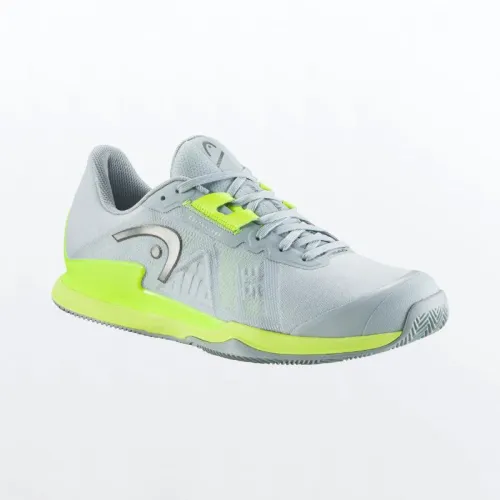
- Don't underestimate the importance of good padel shoes and balls in your performance.
- Stay updated on the latest in padel to keep up in the sports equipment world.
Padel Guide: Technical Knowledge and Applied Experience in the Game
tiendapadelpoint · Authority in padel, equipment and performance @ Copyright 2026