










Guia de Padel - PadelPoint
Differences Between a New and a Used Padel Ball
How Ball Condition Impacts Padel Performance
In the padel world, the condition of the ball is a decisive factor in the development and quality of play. The difference between a new and a used padel ball may seem minimal at first glance, but it deeply affects rhythm, technique, and even strategy during a match. Understanding these contrasts will help you choose the best equipment for each situation and make the most of every point on the court.
Before delving deeper, remember that at TiendaPadelPoint you can find a complete selection of padel balls for all levels and needs.
Composition and Initial Pressure of Padel Balls
A new padel ball is characterized by its optimal pressure and intact outer coating. This translates into a lively bounce, higher rebound, and a firm feel upon impact. In contrast, a used ball gradually loses these qualities: internal pressure decreases, felt wears out, and the bounce becomes lower and more predictable, affecting game dynamics.
The pressure difference is so relevant that there are accessories like pressurizers to extend the useful life of balls. If you're looking for useful maintenance accessories, check out our padel accessories section  .
.
How Does a New vs Used Ball Affect Play?
The behavior of the ball determines speed, rebound height, and ease in executing certain shots. A new ball enables more powerful smashes and more explosive wall bounces, while a used ball favors a slower, more precise game. Experienced players often choose the type of ball based on their style and match strategy.
Advantages of the New Ball in Demanding Matches
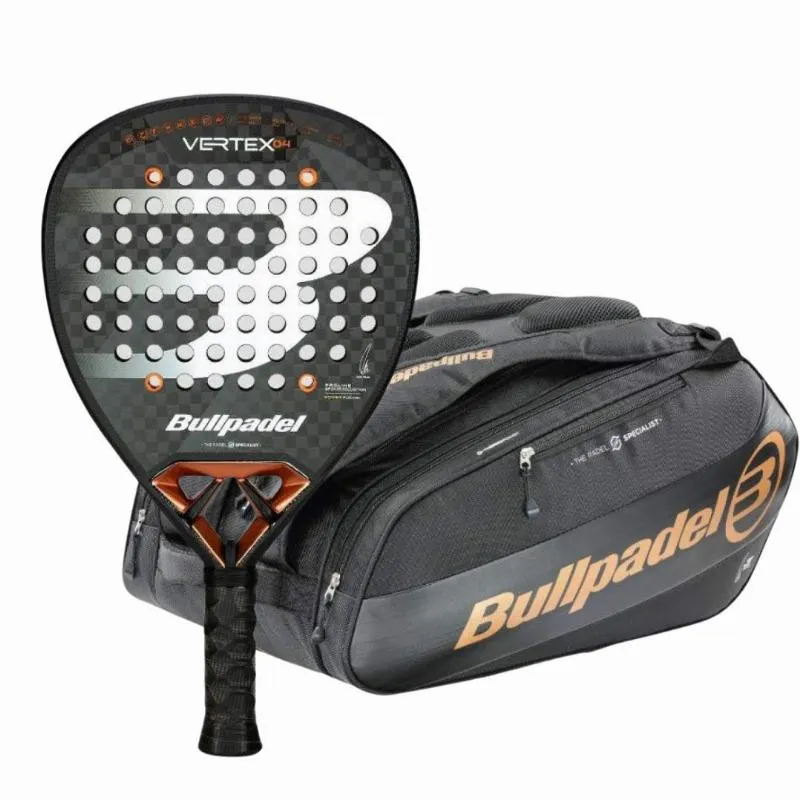
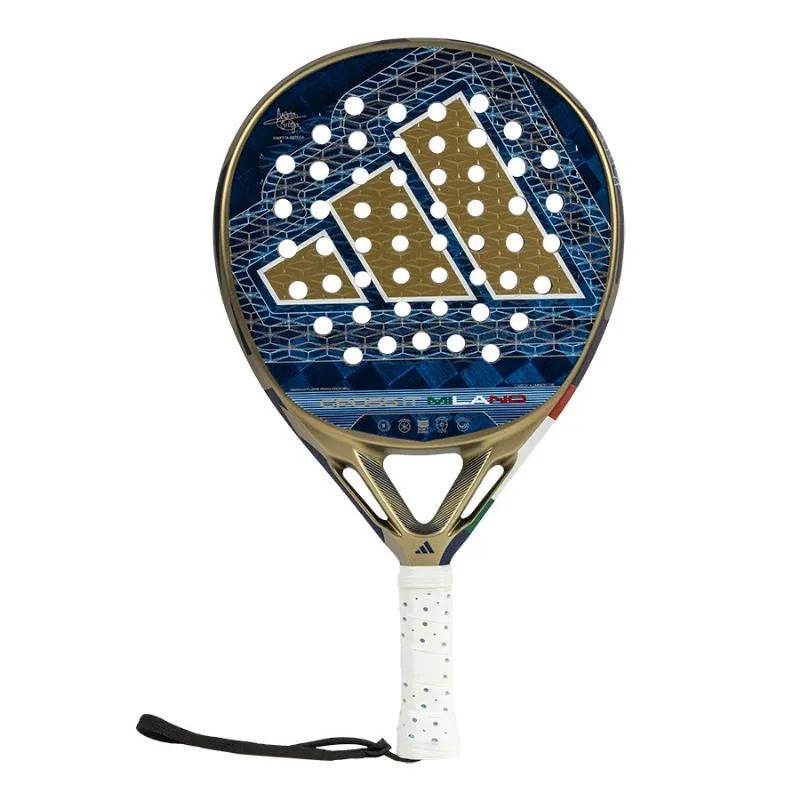
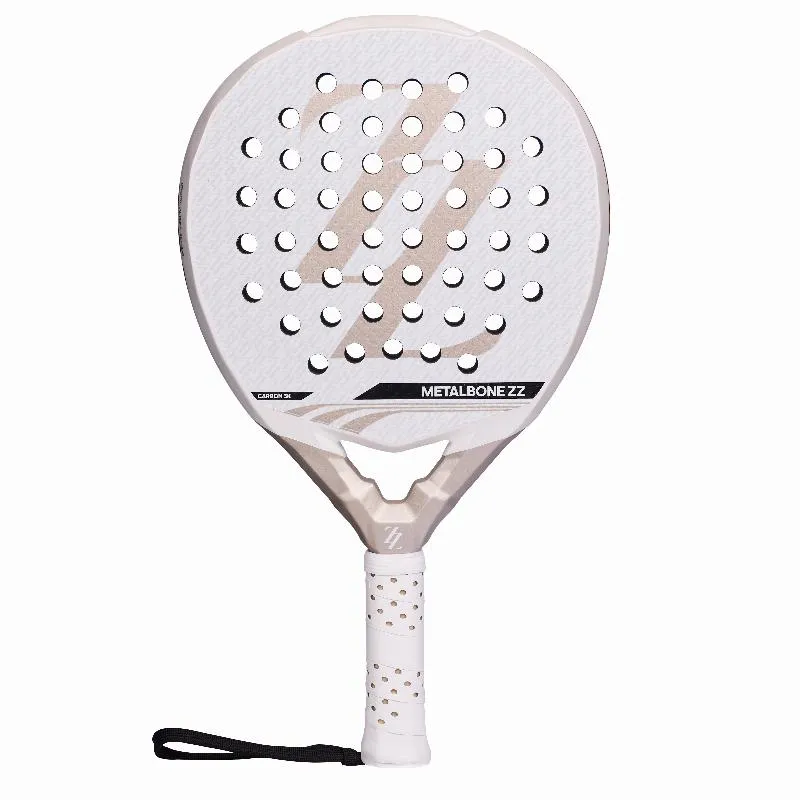
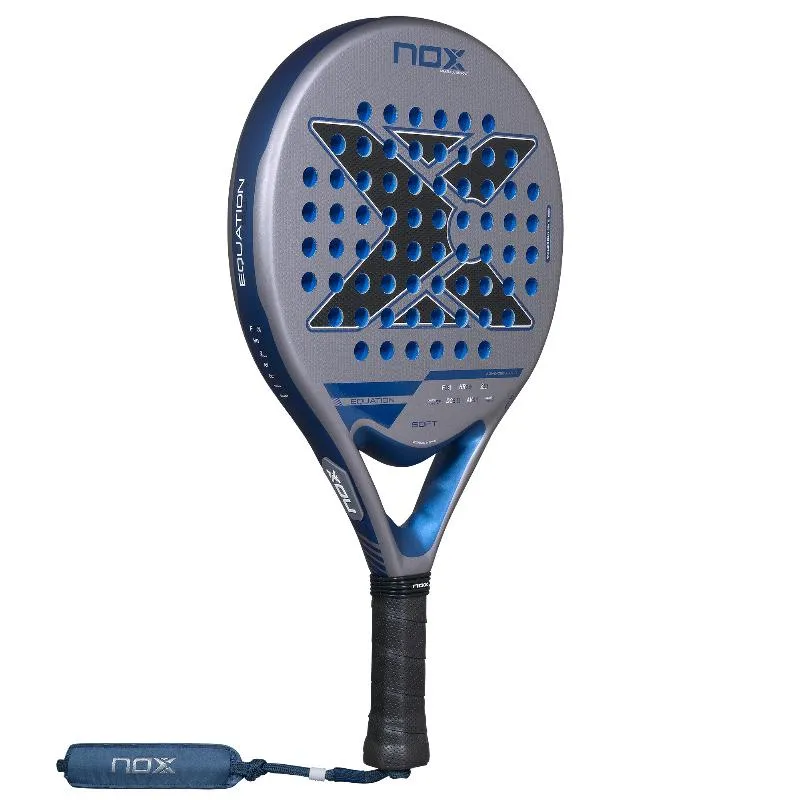
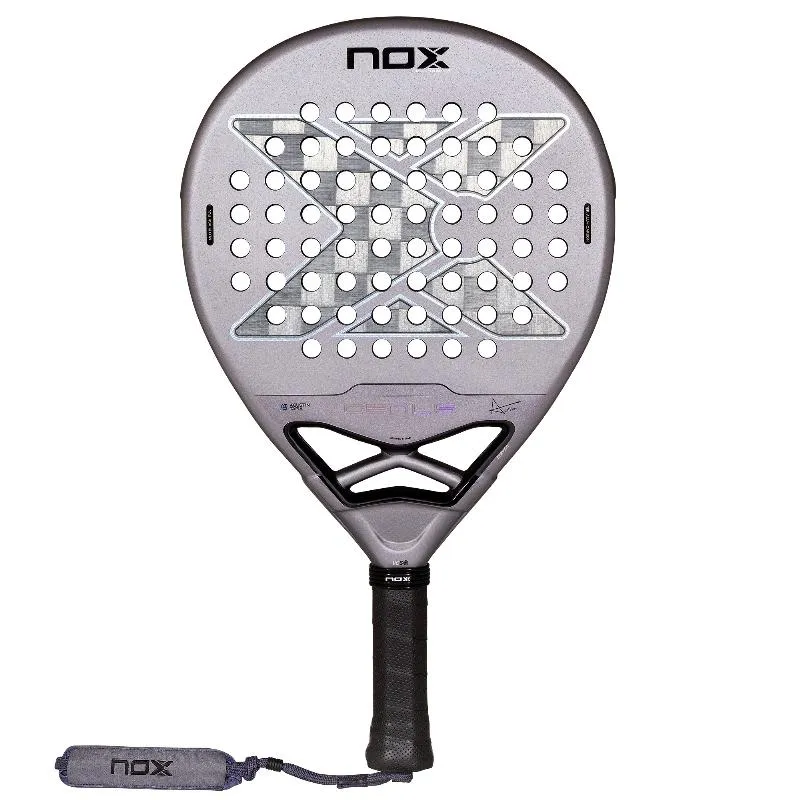
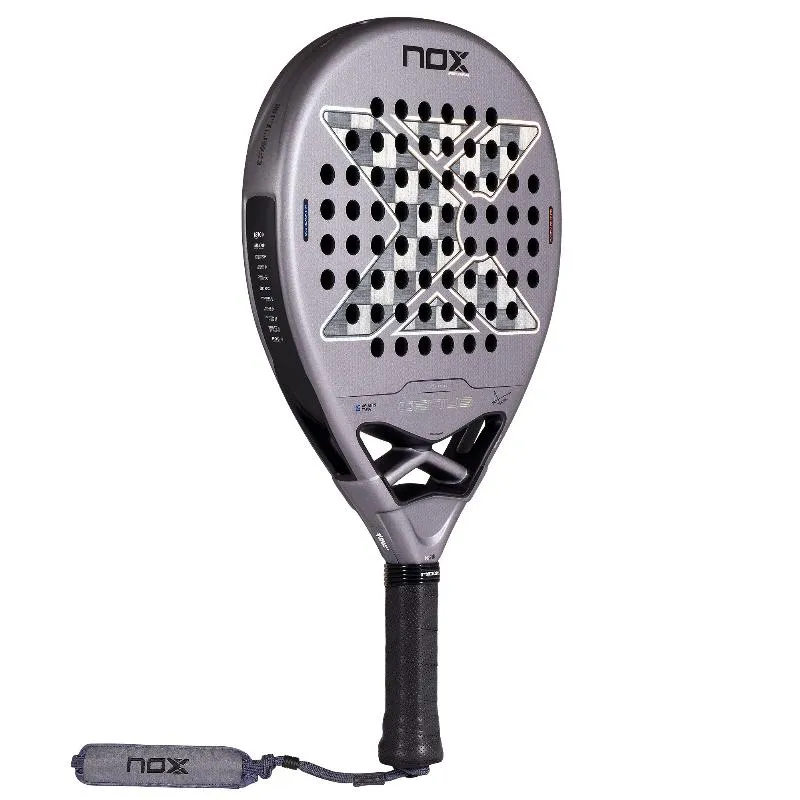
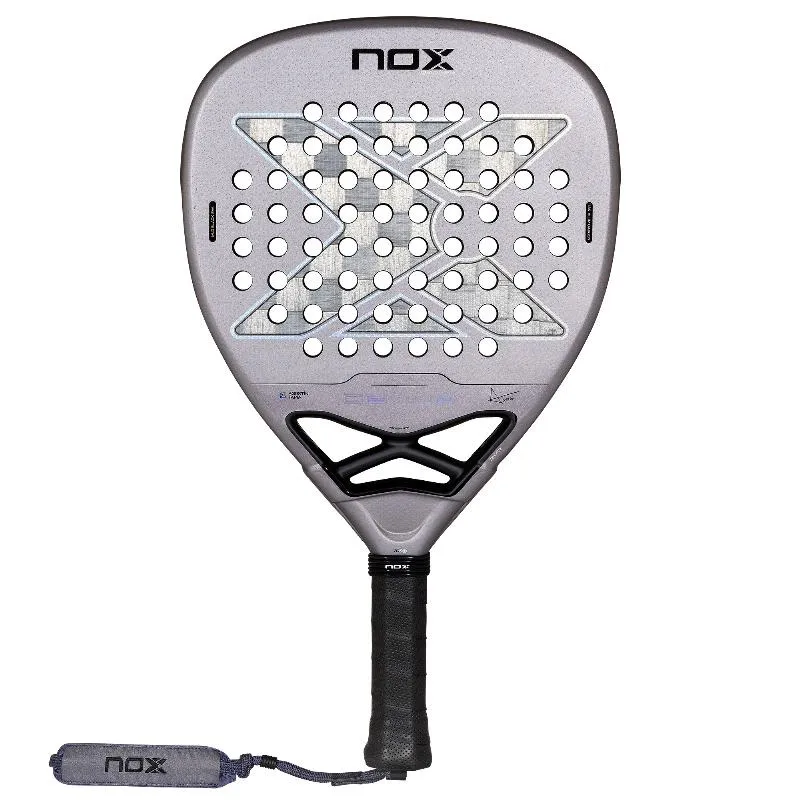
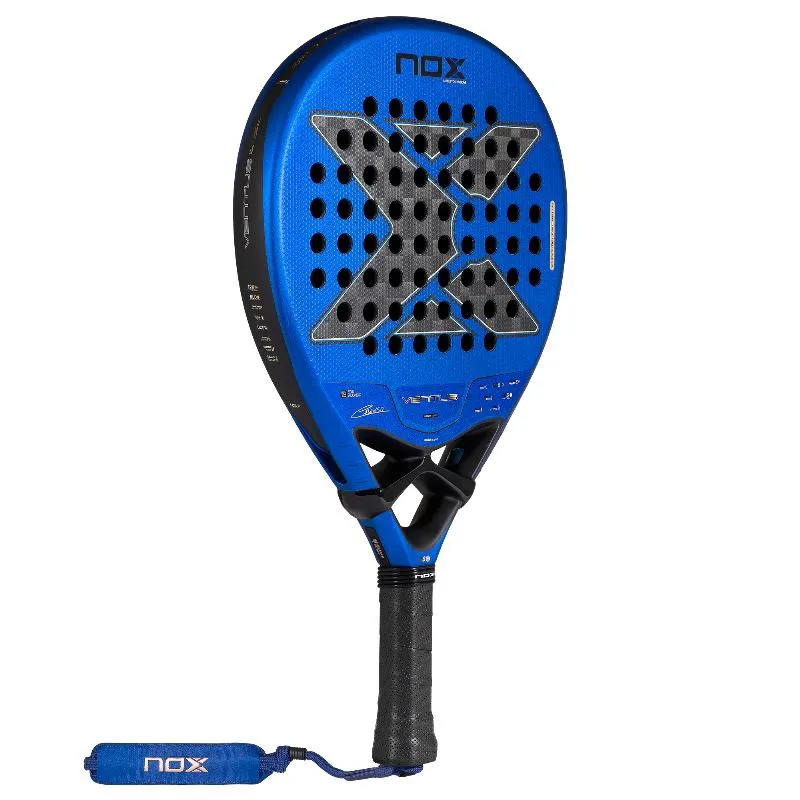
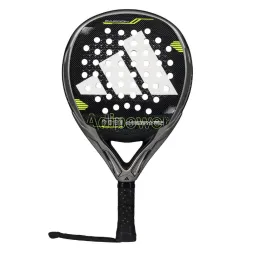
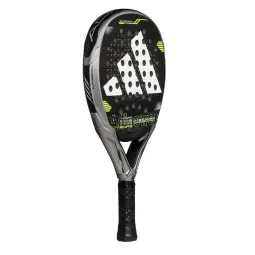
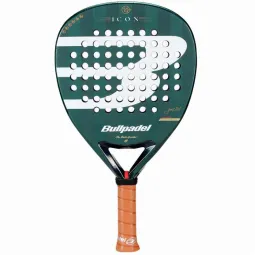
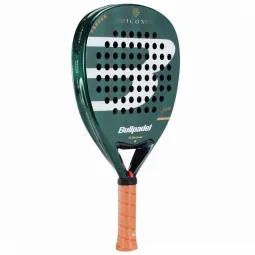
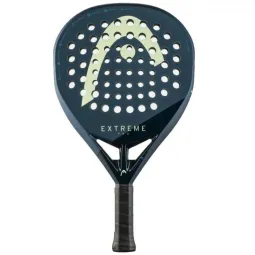
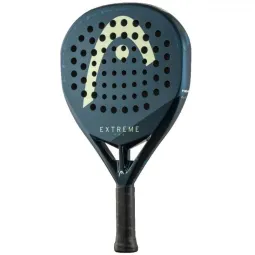
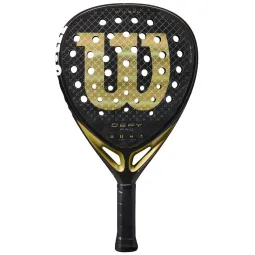
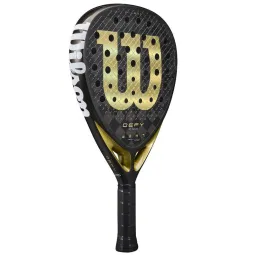
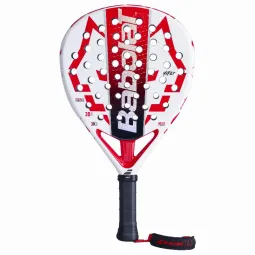
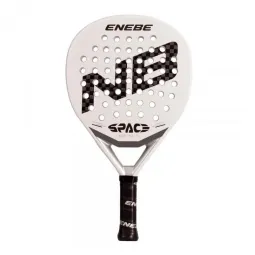
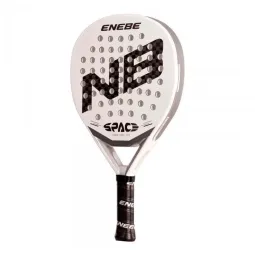
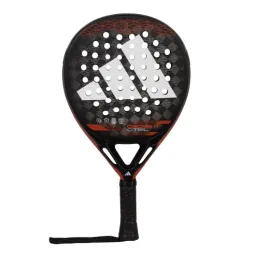
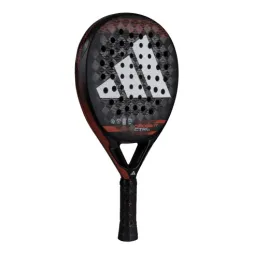
In professional competitions and high-level training, new balls are always used for their consistency and predictability. This ensures optimal performance and that each point is played under equal conditions. If you want to improve your game, check our variety of padel rackets  which perfectly adapt to whichever ball type you prefer.
When Should You Change the Ball During Play?
The decision to change a ball depends on the type of match, frequency of use, and players' preferences. In official tournaments, it is recommended to change balls every 7-9 games or when significant pressure loss is detected. In recreational games, slightly used balls are often played to facilitate longer rallies and control game speed, which is ideal for beginners.
Wear Signs and How to Detect Them
- Pressure loss: the ball feels soft and the bounce is low.
- Felt wear: the coating looks worn or frayed.
- Dull color: the ball loses brightness and gets dirty easily.
- Irregular behavior: unstable bounces or unpredictable trajectories.
In our padel balls section, you'll always find fresh and quality options for every match.
What Factors Influence the Durability of a Padel Ball?
Several factors affect the life of a padel ball:
- Playing surface: Artificial grass, common in most courts, is less abrasive than other surfaces, extending ball life.
- Intensity and type of hitting: Powerful shots and spin increase wear.
- Weather conditions: High temperatures and humidity accelerate pressure loss.
- Ball quality: Recognized brands like Head, Babolat or Wilson offer greater durability and consistency.
For those looking to save, the OUTLET  is an excellent option to get balls and equipment at reduced prices.
The Role of Accessories and Equipment
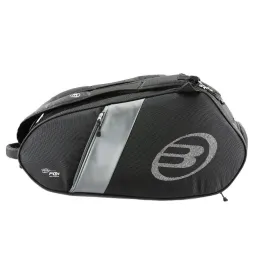
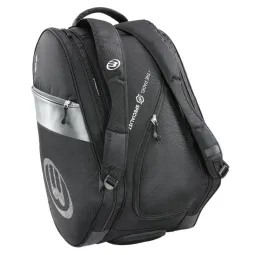
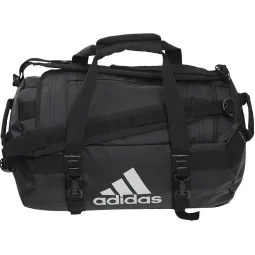
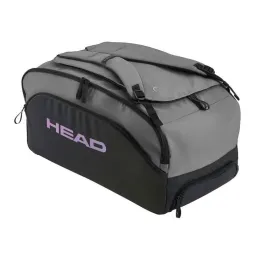
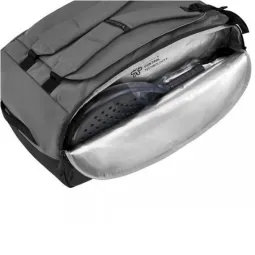
Using quality rackets bags  helps protect balls and keep them in perfect condition off the court.
How to Choose the Right Ball for Each Player Type?
The choice between a new and a used ball depends on the player's level and goals:
- Advanced players: Prefer new balls to maximize performance and speed.
- Intermediate and beginner players: Often opt for used or semi-new balls to better control shots and avoid errors due to excess speed.
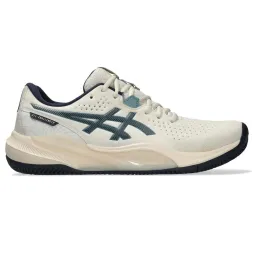
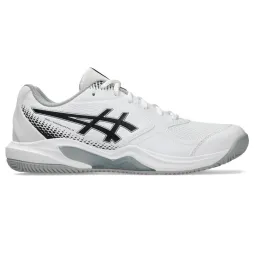
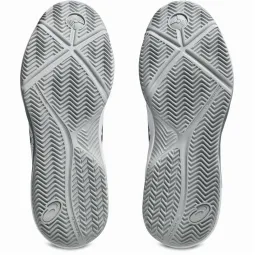
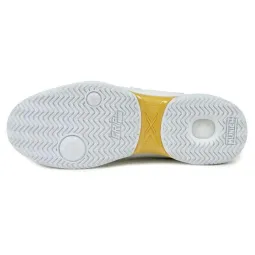
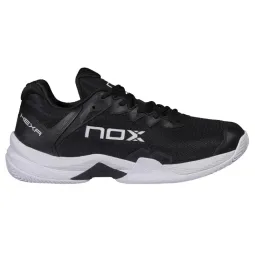
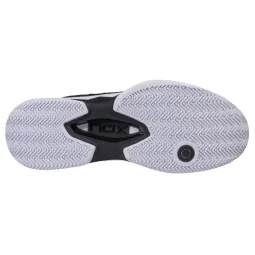
To complement your gear, explore our range of padel clothing  and padel shoes
  to boost your comfort and performance on court.
Tips to Prolong the Useful Life of Your Balls
- Store them in a cool, dry place.
- Use pressurizers or special tubes when not in use.
- Rotate balls during training and reserve new ones for important matches.
Padel Guide: Technical Knowledge and Game Experience Applied
tiendapadelpoint · Authority in padel, equipment and performance @ Copyright 2026