
















































































Guia de Padel - PadelPoint
Differences between split step in padel and tennis
Split step in padel and tennis key analysis for the modern player
The split step is one of the most essential movements in both padel and tennis. However, while they share the goal of preparing the player to react to the next play, there are crucial differences between the two sports that affect the execution and effectiveness of this technical gesture. In this article, from TiendaPadelPoint, we show you the nuances that separate the split step in padel and tennis, and how you can optimize your training according to the sport you play.
Why is the split step so important?
The split step, or preparatory jump, is the movement performed by the player just before the opponent hits the ball. It allows the muscles to activate, positions the center of gravity optimally, and favors a quick response in any direction. However, the playing environment and technical requirements of padel and tennis mean that its application varies considerably.

How do surface and space influence the split step?
In padel, the court is much smaller than in tennis, and the presence of walls radically changes the dynamics of the game. This means that the split step in padel is usually lower and less explosive, favoring reactions to balls that may bounce off the walls or change trajectory suddenly.
On the other hand, in tennis, the size of the court requires a more vigorous split step with a more pronounced jump, since the player must cover much greater distances to reach the ball. In addition, lateral and backward movements are more frequent in tennis, while in padel, short and fast movements predominate.
Biomechanics and technique of the split step in each sport
In padel, the foot position is narrower, with a split step that barely lifts the heels off the ground. This allows the player to maintain balance and be ready to respond to both slow and fast balls, including those bouncing off the walls. In tennis, the split step usually involves a wider leg stance and a visible jump, seeking to maximize the initial acceleration towards any end of the court.
What differences exist in split step timing?
One of the most important aspects is the timing of the split step. In padel, the player usually performs the split step just before the opponent's racket impact and sometimes even after the bounce on the wall. In tennis, the split step is synchronized exactly with the moment the opponent hits the ball, as anticipation is key to covering the greater distance.
Reading the game in padel requires adjusting the split step to more variables due to the interaction with the walls. Therefore, padel players, both professionals and amateurs, train the ability to "re-split", that is, to make small adjustments after the initial split step if the ball changes its trajectory after bouncing.
The role of equipment in the split step
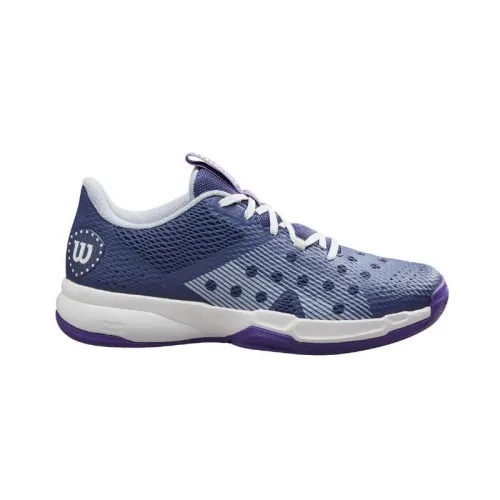
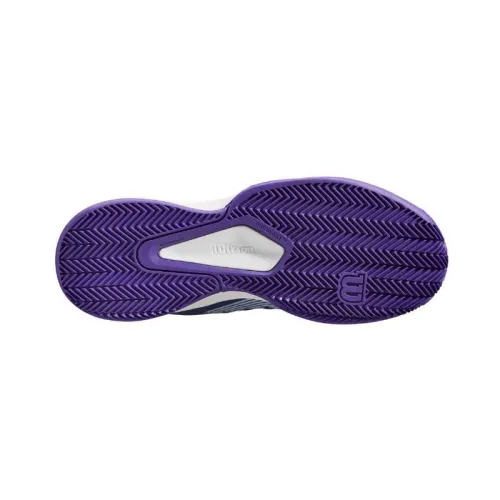
Footwear is a determining factor for proper split step execution. Padel shoes are designed for short direction changes and grip on synthetic or artificial grass surfaces. In tennis, shoes usually prioritize cushioning and traction over long and fast movements on clay, grass, or hard courts.

What is the impact of rules and game rhythm?
The game rhythm in padel is faster in terms of reactions, but with shorter movements. The split step should be executed with less height and more frequency. In tennis, given the greater distance covered and the speed of the ball, the split step is more powerful and less repetitive during each point.
The rules also influence: in padel, the possibility of using the walls adds a tactical dimension that forces you to stay closer to the ground and prepared for second movements. In tennis, anticipation of powerful shots is crucial, and that's why the split step seeks to maximize initial explosiveness.
Training and adaptation for each sport
Training the split step correctly according to the sport is fundamental. Using padel accessories, such as resistance bands or cones, can improve speed and coordination in padel. In tennis, plyometric exercises are recommended to enhance the strength and height of the split step.
The split step can be trained in both disciplines with specific exercises, but the key is to adapt the jump pattern and reception position to the particularities of each surface and game dynamics. At TiendaPadelPoint we offer a wide range of padel accessories and padel shoes that help perfect this and other technical aspects.
How to choose the best gear to enhance your split step?
The choice of proper sports equipment makes a difference in split step execution. In our store, you can find everything from padel shoes to accessories that will help you improve your reflexes and reaction ability. In addition, renowned brands such as Adidas, Asics, Babolat, Head, Bullpadel, or Wilson offer specific technologies for every type of player.
Don't forget that in our OUTLET you can find exclusive deals on top brands to gear up at the best price.

Padel Guide: Technical Knowledge and Game Experience
tiendapadelpoint · Authority in padel, equipment and performance @ Copyright 2026
