

















































































Guia de Padel - PadelPoint
Differences between traditional and consultative wholesale distribution in padel
Keys to understanding the evolution of wholesale distribution in padel
The padel sector has experienced exponential growth in recent years, driving the emergence of new wholesale distribution models. In this context, it's vital to understand the differences between traditional wholesale distribution and consultative distribution, as each responds to different needs and expectations within the market. Leading brands such as Adidas and Babolat have been pioneers in adapting their distribution strategies to meet the needs of both distributors and end customers.
What does traditional wholesale distribution involve?
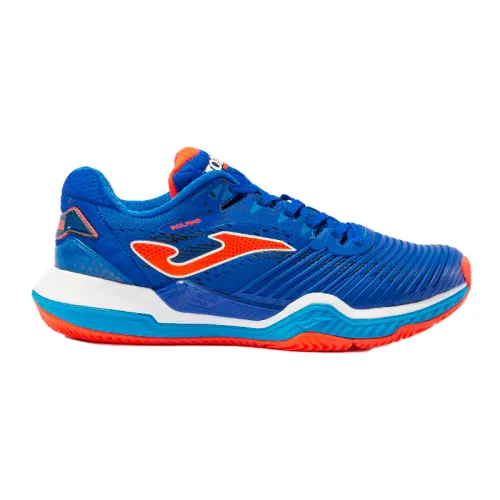
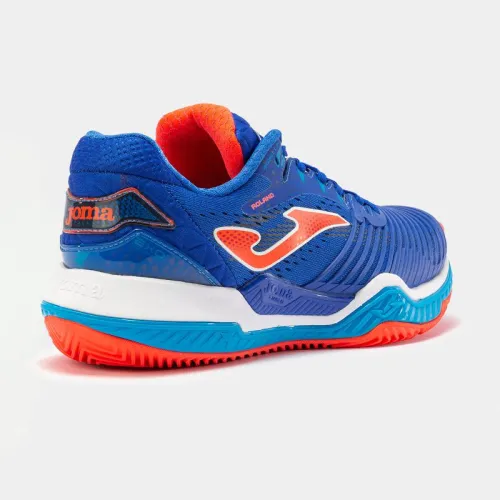
Traditional wholesale distribution is based on the purchase of large volumes of products by the distributor, who then resells them to retail stores. This model focuses on price and availability with a linear, less personalized structure. Products like padel rackets, padel shoes, and accessories are usually managed under this system, where turnover and volume are the priority.
Advantages and disadvantages of the traditional model
- Advantages: fast delivery, competitive volume pricing, and easy logistical management.
- Disadvantages: little flexibility, limited personalized advice, and less adaptation to market trends.
This system is especially useful for stores looking to stock up on popular products such as padel balls and padel apparel with high turnover.
How does consultative wholesale distribution work in padel?
Consultative distribution arises as a response to the need for a more personalized and tailored service. Here, the wholesaler goes beyond simply delivering products: they become a strategic advisor who recommends which items to incorporate, when to do so, and how to optimize the assortment according to trends and the target audience's needs.
Brands like Bullpadel or Siux often rely on this approach to launch new arrivals and exclusive products for specialty stores.
Main features of consultative distribution
- Advice on product selection according to customer profile and geographic area.
- Staff training on technical features and sales arguments.
- Promotional support and marketing materials to boost sales.
- Sales data analysis to optimize stock and adjust the catalog.
This model is ideal for stores seeking to differentiate themselves and offer added value to customers, focusing on quality and specialization.
What advantages does each model offer in a padel store?
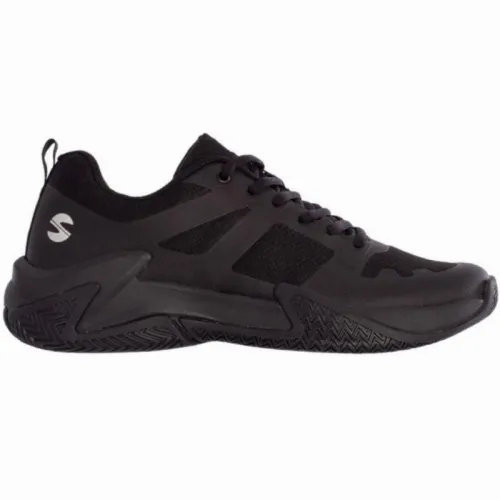
At TiendaPadelPoint, we have found that combining both models can be the key to success. Traditional distribution is perfect for ensuring stable stock of basic items such as padel shoes and accessories, while consultative distribution allows access to exclusive collections and limited launches from brands like Nox or Head.
The importance of personalization in the offering
Customer adaptation is one of the strengths of the consultative strategy, as it enables the store to better respond to changing tastes and market trends in padel.
How to choose the most suitable model for your business?
The choice between traditional and consultative distribution will depend on your store's profile, customer type, and growth objectives. If you seek efficiency and large volumes, the traditional model is the most straightforward. Conversely, if your store wants to stand out in racket bags or boost sales of exclusive products, the consultative model will allow you to differentiate yourself.
Don't forget that specializing in products like padel rackets and collaborating with innovative manufacturers such as 4on or Aca Padel can make a difference in today's market.
Tips to maximize success in wholesale distribution
- Consider combining both models depending on season or product category.
- Stay up to date with new arrivals and trends to anticipate demand.
- Establish strategic partnerships with brands like Black Crown, Bullpadel and Asics.
What impact does consultative distribution have on the customer experience?
Consultative distribution transforms the shopping experience in padel, providing added value to both retailers and end consumers. Thanks to advice and personalized selection, customers find products tailored to their level and needs, resulting in greater satisfaction and loyalty.
Moreover, the possibility of accessing outlet deals or limited collections through consultative agreements with manufacturers like Royal Padel or Vibora is an extra incentive for padel players looking for something different.
The future of distribution in padel
In short, the trend points to an integration of both models, where technology and information will be key to making the right decisions. Close collaboration between wholesalers, retailers, and manufacturers will set the pace for innovation in the sector.
Padel Guide: Technical Knowledge and Experience Applied to the Game
tiendapadelpoint · Authority in padel, equipment and performance @ Copyright 2026
