










Guia de Padel - PadelPoint
Differences Between the Various Types of Soles in Padel Shoes: The Ultimate Guide
Why is it crucial to choose the right sole type in your padel shoes?
Choosing the correct sole type in your padel shoes is essential to optimize your performance, prevent injuries, and ensure excellent grip on the court. Each model is designed for different surfaces and playing styles, making the decision between clay, omni, or mixed soles far from trivial. Additionally, leading brands like Bullpadel, Asics, or Head employ advanced technologies and materials tailored to the needs of demanding players.
If you are looking for maximum specialization, we recommend exploring Bullpadel MAN shoes, developed to deliver top performance on every court type thanks to innovative sole technology.
The importance of the sole for safety and performance
An appropriate sole can make the difference between playing confidently or slipping at key moments. That's why choosing the correct sole type is a direct investment in your safety and your game.
What are the main types of soles in padel shoes?
In padel, the three most common sole types are:
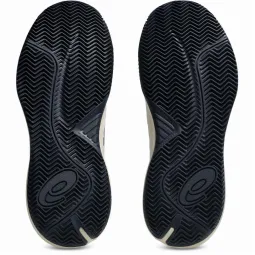
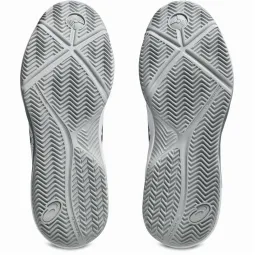
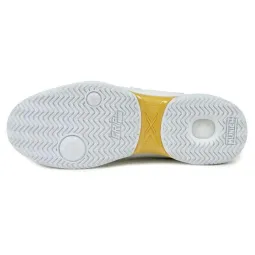
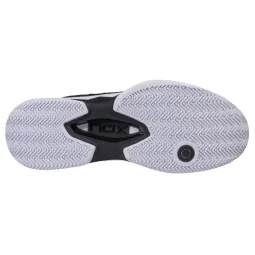
- Clay Sole (herringbone): Characterized by a zigzag pattern, it provides excellent grip on artificial grass courts with sand. It's the preferred choice among most advanced players.
- Omni Sole: Features small dots or circular studs, favoring quick and multidirectional movements, ideal for players seeking agile reactions.
- Mixed Sole: Combines the two previous designs, offering a balance between grip and sliding, making it a versatile choice for those who play on different surfaces.
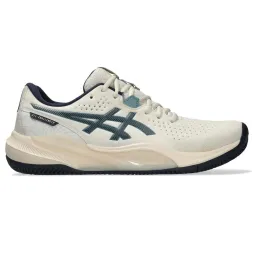
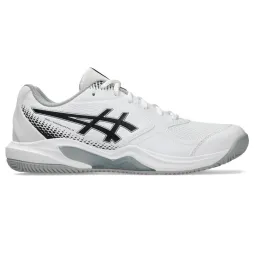
To find the most suitable option for your style and needs, check out the Padel shoes category, where you'll find a wide selection for all levels.
Detailed features of the clay sole
The clay sole stands out for its durability and traction. For example, the Mizuno Wave Exceed Tour 6 Clay White Coral Yellow Sneakers feature this type of tread, ideal for players who prioritize stability and constant grip during intense matches.
How does the sole influence the game and injury prevention?
The type of sole directly impacts grip, stopping power, and ease of sliding. A highly grippy sole prevents slips, while a more slippery sole makes certain movements easier but may increase the risk of falls if not adapted to the court. Therefore, the right choice helps reduce sprains, overloads, and joint discomfort.
The Kswiss Ultrashot Team White Blue Sneakers offer a sole that combines resistance and cushioning, helping to prevent common injuries among amateur and professional players.
Which sole type is best for your level and playing frequency?
If you play occasionally, a mixed sole offers versatility. In contrast, regular or competitive players should opt for a specific sole adapted to the court and their playing style.
How to choose the ideal sole according to court surface and conditions?
The court surface largely determines which sole to choose:
- Clay sole: Perfect for artificial turf courts with sand, where grip is essential.
- Omni: More suitable for hard surfaces or courts without sand, where explosive movements are key.
- Mixed: For those playing on all kinds of courts, combining grip and sliding.
If you are looking for shoes specifically for men, check the Men's Sneakers selection, which includes models with different sole types.
Examples of shoes for each sole type
- Head Motion Team Padel Navy Blue Lime Sneakers: Mixed sole for maximum versatility.
- Munich Atomik 45 White Sneakers: Perfect for those seeking comfort and great grip on various surfaces.
What technologies and materials make a difference in modern soles?
Leading brands incorporate advanced technologies into their sole designs:
- High-density rubber compounds: Improve durability and wear resistance.
- Cushioning systems: Absorb impacts and increase comfort during abrupt movements.
- Exclusive traction patterns: Optimize grip specific to each model.
An example is the Asics Gel Dedicate 8 Padel White Pine Green Sneakers, which features cushioning technologies and a special padel sole, enhancing both protection and on-court response.
Sole durability and maintenance
Proper maintenance and choosing a sole with premium materials extend shoe life and preserve original performance for longer.
What are the most common mistakes when choosing a padel shoe sole and how to avoid them?
One of the most common mistakes is not considering the surface you play on most. Using an omni sole on sandy courts, for example, can cause slips, while a clay sole on hard surfaces may wear out quickly. Therefore, it is important to get informed and choose models suited to your needs.
If you are unsure which to choose, models like the New Balance 696V5 Navy White Sneakers offer a good balance of quality, grip, and versatility.
Final tips for making the right purchase
- Analyze the court type where you play most often.
- Check out the technologies and materials in the latest models.
- Prioritize safety and comfort over aesthetics.
Remember: choosing the right sole not only optimizes your game but also protects your health and prevents injuries.