


















































































Guia de Padel - PadelPoint
Differences between wholesale and retail distribution in padel
How the distribution chain is structured in padel
The padel sector has experienced remarkable growth in recent years, leading to the diversification of the distribution chain according to consumer demand and needs. Wholesale distribution and retail distribution have clearly defined roles in this process, and understanding their differences is essential for any enthusiast, club or specialized store.
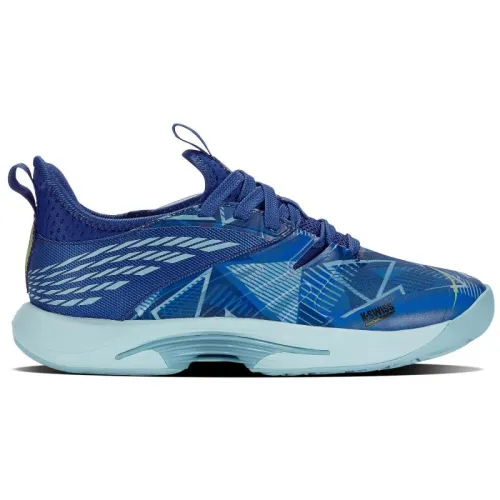
At the base of the chain, manufacturers and recognized brands such as Adidas, Bullpadel, Head or Nox develop products like padel rackets, padel shoes, balls and accessories, which are then distributed through various channels.

Wholesale distribution is responsible for moving large volumes of products from brands to retailers or clubs, while retail distribution focuses on direct sales to the end consumer, personalizing attention and adapting the offer.
Structure and functions of the padel wholesaler
The wholesaler acts as an intermediary between manufacturers and retailers, purchasing products in bulk for better commercial conditions. This allows specialized stores like TiendaPadelPoint to access a wide variety of products and brands such as Asics, Babolat or Royal Padel to offer their customers the latest in innovation and quality.
What are the advantages of wholesale distribution in the padel market
Wholesale distribution brings benefits for both brands and points of sale. Among the most notable are:
- Economies of scale: Wholesalers can negotiate better prices due to bulk purchases.
- Optimized logistics: Efficient stock management, ensuring product availability at all times.
- Variety of brands and products: Access to new releases and launches from brands such as Bullpadel or Siux.
- Commercial support: Wholesalers often offer training, promotions, and joint campaigns.
This model favors the arrival of high-demand products, such as new padel ball models or technical clothing, directly to stores and clubs.
The impact of wholesalers on the evolution of padel
Thanks to the work of wholesalers, padel has expanded internationally, facilitating the arrival of products from leading brands to emerging markets. In addition, the possibility of accessing outlet products or new releases allows retailers to increase their competitiveness.
How does retail distribution operate in the padel sector
Retail distribution focuses on direct sales to the end consumer. Physical and online stores such as TiendaPadelPoint are the main channel for products to reach padel players of all levels. Here, personalized attention, technical advice and the shopping experience are fundamental.
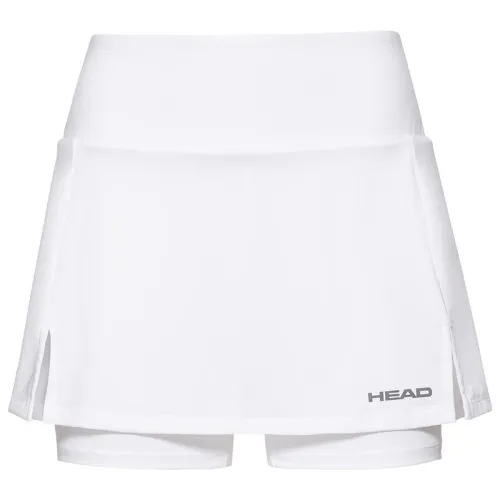
Padel clothing and racket bags stand out for their variety and customization options, adapting to the needs and tastes of the end user.

Differences in the shopping experience
Retailers offer advantages such as:
- Personalized attention and professional advice.
- Immediate access to padel rackets and accessories.
- Exclusive promotions and access to new releases on the market.
- Online shopping options and in-store pickup.
What are the main challenges for wholesalers and retailers in padel
Both distribution models face their own challenges in the dynamic padel market. Wholesalers must effectively manage inventory and anticipate trends, while retailers compete to offer the best service and adapt to changing consumer behavior.
Trends and digitalization in padel distribution
Digitalization has transformed the way consumers access products such as padel balls or technical clothing, enabling retailers to expand their reach and offer an omnichannel experience. Wholesalers, for their part, have invested in logistics platforms and supply chain optimization to speed up the arrival of products from brands such as Babolat or Wilson.
In addition, sustainability and innovation in materials and manufacturing processes are making a difference for both wholesalers and retailers, seeking products from Adidas, Black Crown and other industry leaders.
Which model to choose for your padel business or club
The choice between wholesale and retail distribution depends on your goals and your project's profile. If you manage a club or specialized store, collaborating with TiendaPadelPoint and accessing the wholesale offer will allow you to have the most in-demand products and top brands, such as Bullpadel or Nox. On the other hand, if you are an end consumer, the retail channel will provide you with personalized advice, access to outlet offers and the opportunity to discover the latest new releases in the sector.
Advantages of a hybrid approach
Some businesses choose to combine both models, offering both wholesale and retail sales, thus expanding their target audience and improving profitability. This strategy is particularly strong in the online environment, where demand is more diverse.
In short, understanding the differences between wholesale and retail distribution in padel is essential for optimizing the management of any store, club or project linked to this sport.
Padel Guide: Technical Knowledge and Applied Experience to the Game
tiendapadelpoint · Authority in padel, equipment and performance @ Copyright 2026
