





























Guia de Padel - PadelPoint
Differences Between a Worn Padel Racket and One with Factory Defects: Essential Guide for Players
Differences Between a Worn Padel Racket and One with Factory Defects
Understanding the difference between a worn padel racket and one with factory defects is essential for any player who wants to maintain safety and peak performance on the court. While wear and tear is the result of use and time, factory defects involve original problems that can affect racket lifespan and playing experience from the outset. Below, we break down the specifics of each case and how to identify them correctly.
How does wear manifest in a padel racket?
Wear on a padel racket is usually a gradual process. It manifests as a loss of performance and in visual or tactile signs: loss of surface roughness, cracks, dents, decreased power or control, and even vibrations when hitting the ball. For example, after intensive use, a racket such as the Pala Vibora Titan Black Light 2026 may show loss of grip on the handle or aesthetic wear, but its structure remains reliable until the damage affects the core or frame.
Wear also depends on the type of surface, frequency of play, weather conditions, and care. Constant use on abrasive surfaces or under extreme conditions accelerates the process. Padel Rackets of higher range usually resist better, but no model is immune to the passage of time.
Clear signs of wear
- Visible cracks or fissures on the frame or face.
- Loss of roughness on the surface.
- Changes in the sound when hitting the ball.
- Reduced power or control.
- Noticeable vibrations in the handle.
In these cases, it is advisable to review the Pala Vairo Columns Ultra or other models for comparison and to assess whether it is time to replace your racket.
What characterizes factory defects in a padel racket?
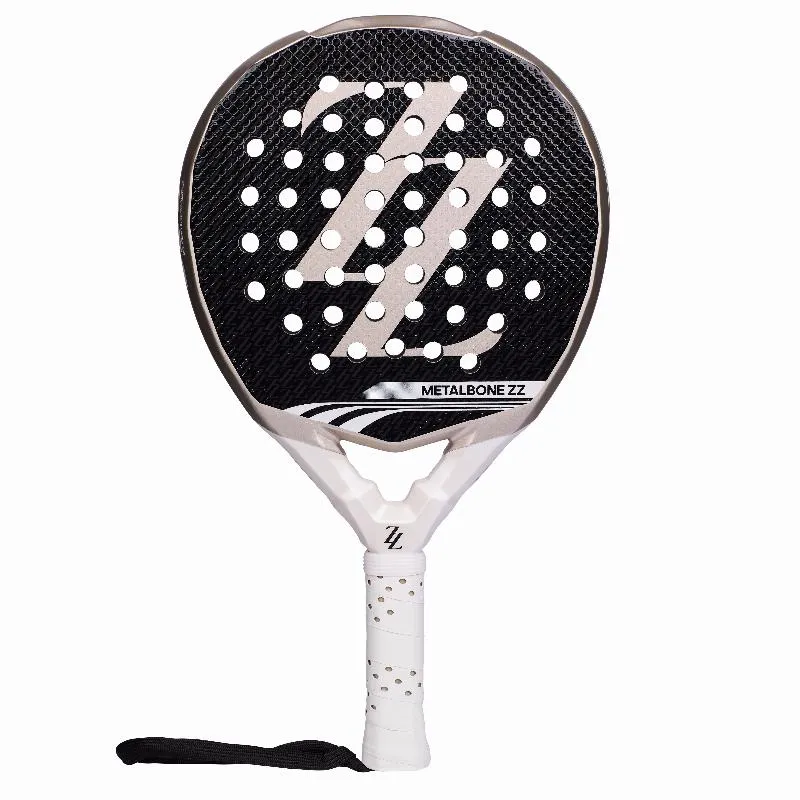
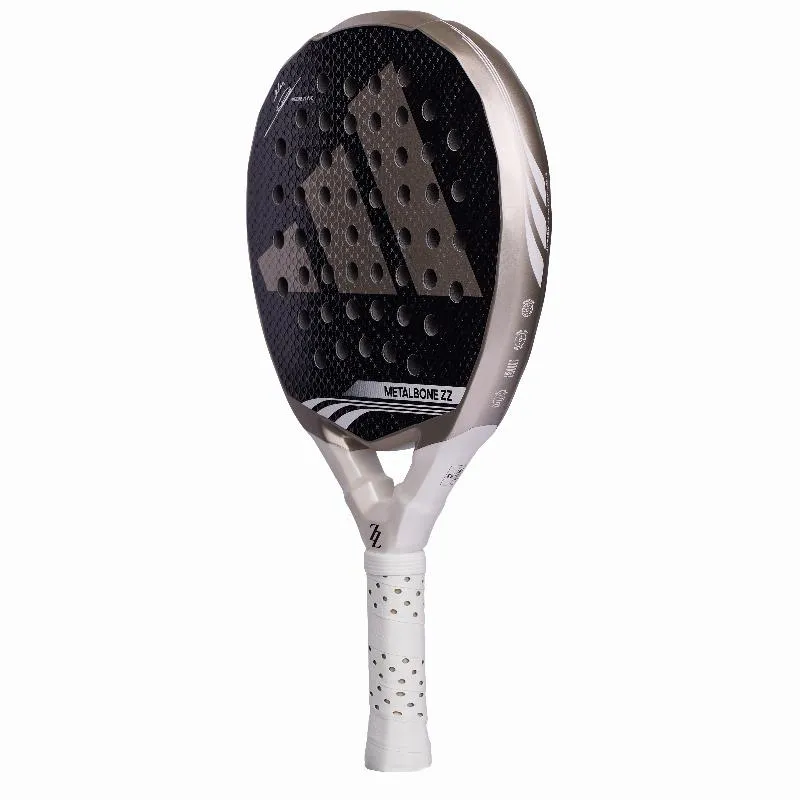
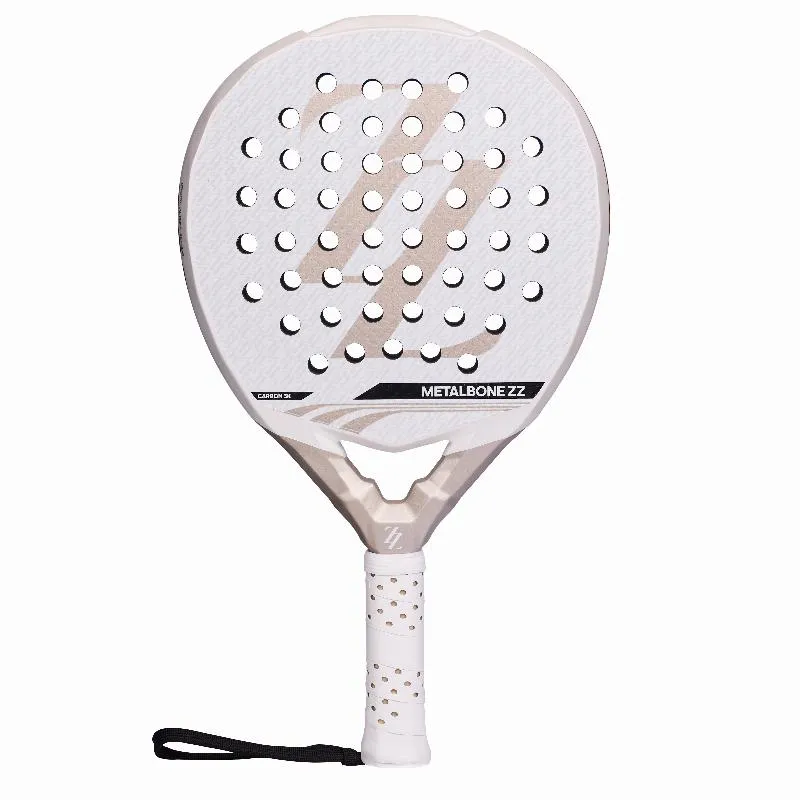
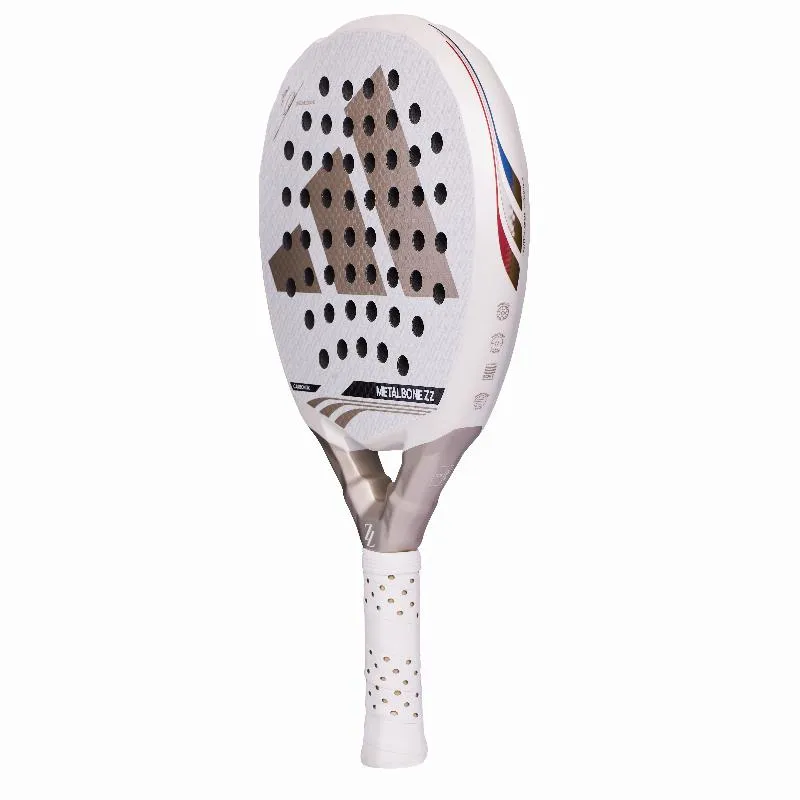
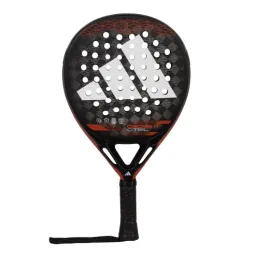
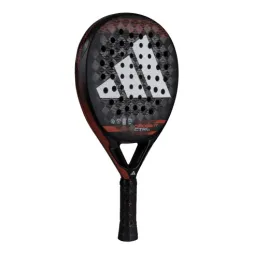
Factory defects appear from the very first use or even before the racket is played with. They are due to manufacturing errors, defective materials or assembly problems. Unlike wear, these defects do not improve or worsen with use but are usually immediately noticeable. An example is an Adidas Metalbone Carbon 3.4 2025 Shovel that has a bubble in the core, unbalanced weight, or a bumpy surface right out of the case.
Main factory defects
- Material detachment before the first use.
- Unusual or unbalanced weight.
- Irregular or poorly finished surface.
- Cracks in critical areas when newly acquired.
- Assembly problems in the junction between frame and face.
In these cases, the manufacturer's warranty usually covers replacement, and it's important to contact the store for a solution. Some models like the Pack Black Crown Piton Attack 15K Power have a reputation for quality and traceability, reducing the risk of such issues.
How to tell the difference between wear and factory defects in practice?
The key is the time of appearance and how the problem evolves. If, shortly after starting to use a racket, you notice a crack that does not correspond to any impact or drop, it could be a factory defect. On the other hand, if after months of play you notice a gradual loss of performance or visual deterioration, it is likely wear. For example, a racket like the Pala Softee Winner Pro Azul can wear out over time, but if you receive it with obvious defects, do not hesitate to claim.
It is always advisable to compare your racket to others recently purchased, such as the Pala Royal Padel M27 Light LTD 2025, to check whether anomalies are due to use or manufacturing.
Tips for correct identification
- Check the racket as soon as you receive it and before first use.
- Keep the receipt and original packaging.
- Check the warranty and return policies.
- Take photos of any relevant anomaly.
- Compare with rackets of the same brand and range.
What are the risks of playing with a worn or defective racket?
Playing with a worn racket can cause loss of performance, elbow or wrist injuries due to vibrations or lack of control, and increase the risk of breakage during play. Rackets with factory defects can break unexpectedly, compromising the safety of the player and others. That's why choosing trusted models in categories like ADIDAS is an added guarantee.
Prevention involves regular inspection and timely replacement of equipment. Remember that the average lifespan of a racket depends on usage intensity and model quality, but at the slightest doubt about the product's integrity, it's safest to stop using it.
When to change your racket?
- If deep cracks or breaks appear on the frame.
- When the core loses elasticity and bounce.
- If the weight feels unbalanced or changes suddenly.
- When the surface is excessively smooth or damaged.
How to choose a new racket and avoid future problems?
To avoid factory defects, always buy from specialized stores and select models with recognized warranties. Read reviews and choose leading brands in categories such as ROYAL PADEL. Before using your racket, check for anomalies and review the balance, surface, and finishes. If you want a model balanced between control and power, check out current and innovative options.
Prevention also requires good maintenance: use protective covers, change overgrips regularly, and avoid prolonged exposure to extreme temperatures. If you detect any irregularity, act quickly to use the warranty.
Recommended models to renew your equipment
In summary, identifying in time whether your racket is worn or has a factory defect will save you trouble, improve your game, and let you enjoy padel in complete safety.