























































































Guia de Padel - PadelPoint
Differences between double wall in padel and other racquet sports
The double wall in padel a unique feature compared to other sports
The double wall in padel is one of the most distinctive features that set it apart from other racquet sports such as tennis, squash or badminton. Although all these sports share the use of racquets and balls, the way they interact with walls and how these affect game strategy and technique varies greatly. In padel, the double wall not only defines the tactical essence of the sport, but also determines specific equipment, such as padel rackets, designed to withstand and exploit this type of rebound.

What is the double wall in padel?
In padel, the double wall refers to the possibility that the ball bounces off two walls, either back or side, before being returned. This move, allowed by the rules, adds a fascinating strategic dimension to the game, as the player must anticipate the trajectory and develop an advanced reading of the rebounds. In sports such as tennis, the use of walls is not allowed, while in squash the use of walls is constant, but the dynamics and regulations differ substantially.
How does the double wall in padel affect the development of the game?
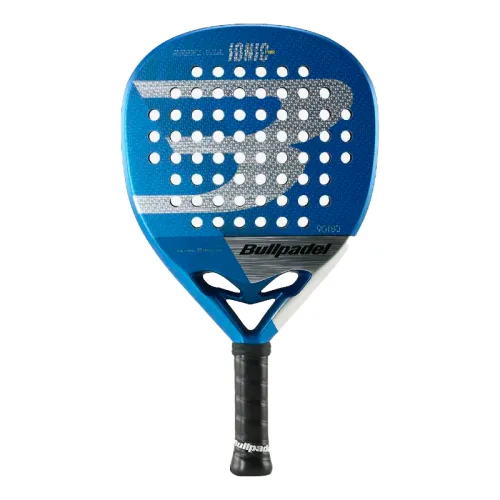
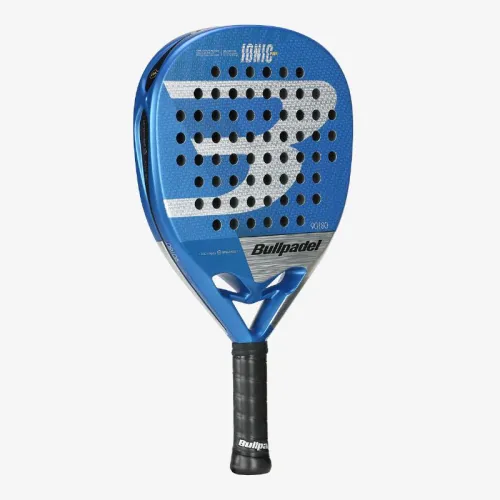
The double wall in padel allows for unique defensive and offensive plays. The player can let the ball bounce first on the back wall and then on the side, or vice versa, to return it with greater control or to look for impossible angles for the opponent. This requires refined technique, tactical anticipation and rackets adapted, such as those offered by leading brands in the sector, for example Adidas, Bullpadel or Head.
This possibility of multiple bounces multiplies tactical options, allowing anything from defensive lobs to wall exits with spin and precision. In contrast, in other racquet sports such as tennis, the game is played in an open field without the use of walls, making strategy more focused on power, net control and ball effects.
Technical differences in equipment
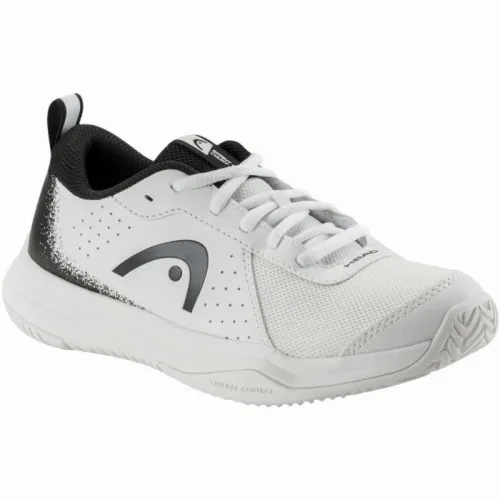
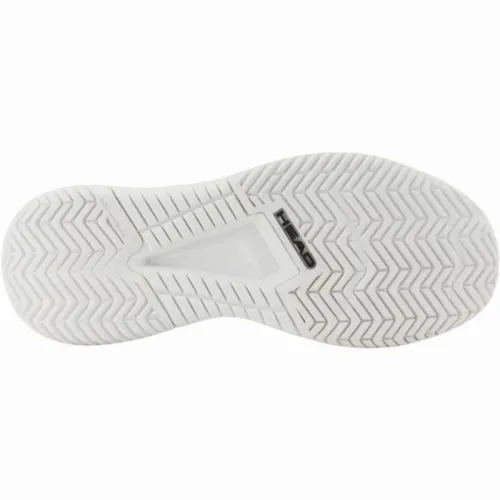
Padel rackets are specially designed to withstand repeated impact against the walls and facilitate post-rebound shots. By contrast, tennis and squash rackets have a different structure, as in their sport the use of walls is different or non-existent. In addition, padel shoes have soles adapted to the type of surface and movement, offering greater traction and cushioning for the sharp movements required by the double wall.

What are the rule differences for the double wall between padel and other sports?
In padel, the regulations allow the ball to bounce on more than one wall as long as it does not touch the ground twice before being returned. In tennis, the use of walls is prohibited and any contact with the limits results in loss of the point. In squash, on the other hand, it is mandatory to use the walls, but the ball must first hit the front wall before any others. These regulatory variations radically change the structure of the game and the strategies employed.
For those looking to improve their adaptation to the double wall, there are specific padel accessories that help perfect shots and ball control in multiple bounce situations.

Tactical and mental impact of the double wall
The use of the double wall in padel requires great anticipation skills and a quick reading of the play. Players must learn to manage the pressure of the rebounds and optimize their placement on the court. This feature encourages team play, as both partners must communicate constantly and cover the space intelligently. In sports such as squash, although the use of walls is constant, the speed and direction of the ball demand an even faster reaction, while in tennis, the mental game is more about building the point from the baseline and the net.
Why does the double wall make padel so special for fans?
The double wall gives padel strategic depth and unmatched spectacle. It allows for creative plays, impossible recoveries and exciting points. Fans enjoy the variety of technical and tactical resources that arise thanks to this unique element. Whether you're a beginner or advanced, mastering the double wall is key to progressing and fully enjoying the sport.
At TiendaPadelPoint you will find a wide selection of products designed to help you get the most out of the double wall, from rackets and shoes to padel clothing designed to give you optimal comfort and mobility during the game.

Tips for training the double wall
- Practice reading rebounds at different angles and speeds.
- Use specific training accessories to improve your reaction.
- Watch professional matches to learn advanced tactics.
- Choose rackets from specialized brands such as Bullpadel or Nox to improve your double wall control.
Which equipment is most important for the double wall in padel?
The right equipment makes the difference in the double wall. Padel balls are designed to offer controlled and consistent bounces on glass and wall surfaces, essential for correctly executing plays after the double wall. In addition, racket bags allow you to transport your gear safely and organized, ideal for those who train and compete regularly.


For those looking for the best material from leading brands such as Dunlop, Siux or Black Crown, the online store offers a wide catalogue always updated with new arrivals for all levels and playing styles.
Padel Guide: Technical Knowledge and Experience Applied to the Game
tiendapadelpoint · Padel authority, equipment and performance @ Copyright 2026
