









Guia de Padel - PadelPoint
Durability Differences Between 12K Carbon and Fiberglass Padel Rackets
Durability Differences Between 12K Carbon and Fiberglass Padel Rackets
The material of a padel racket is key to its performance and, above all, its durability. Two very popular options in the world of padel are 12K carbon and fiberglass. If you're looking for a tough, long-lasting racket, it's essential to know how these materials influence your equipment's lifespan.
What is 12K carbon and how does it impact resistance?
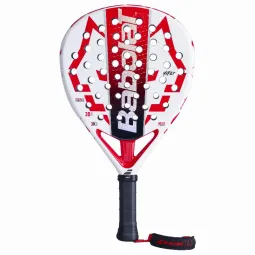
12K carbon consists of thicker and more numerous filaments compared to other carbon variants. This structure gives it greater rigidity and superior resistance to impacts and continuous use fatigue. Rackets made with this material, such as the Pala Babolat Technical Viper 2024, stand out for better withstanding impacts and wear, maintaining their performance over time.
On the other hand, fiberglass is more flexible and lighter, which offers different sensations during play but less long-term resistance. While usually more comfortable for the arm, its durability is lower compared to 12K carbon.
How do rackets of both materials perform under intensive use?
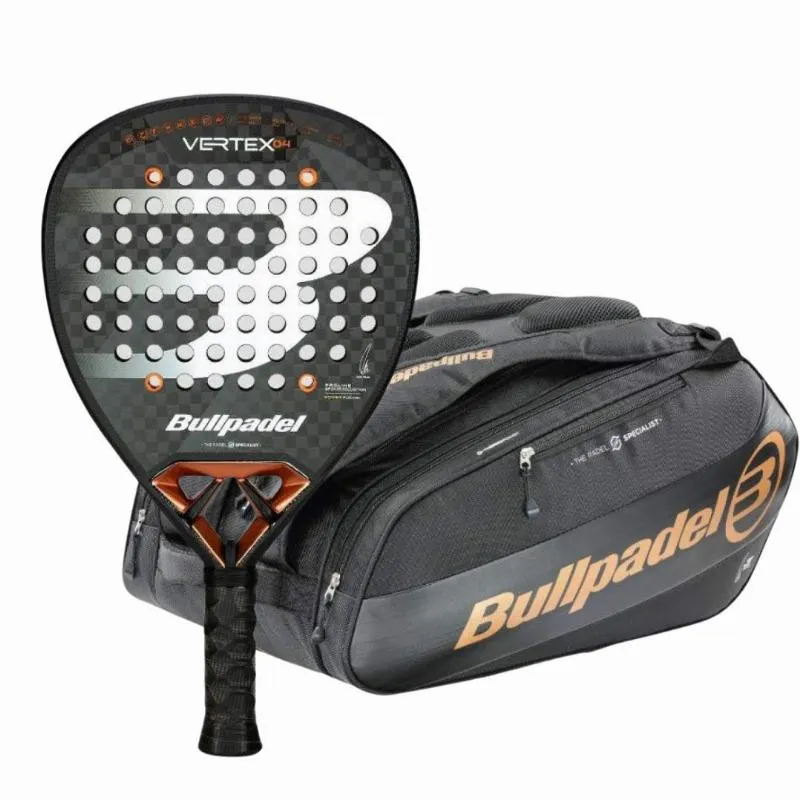
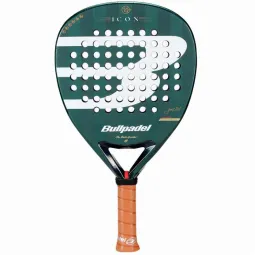
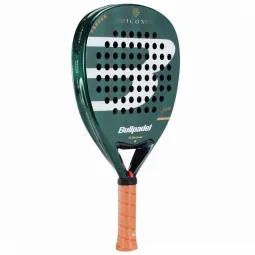
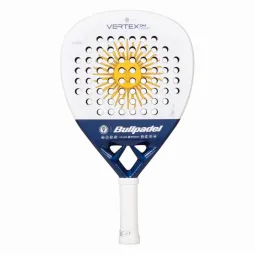
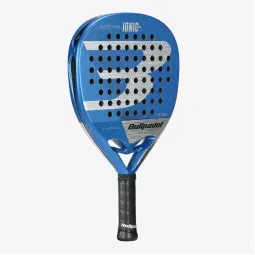
Players who train or compete frequently tend to look for rackets that can withstand intensive use without losing their original qualities. In this comparison, 12K carbon demonstrates greater structural solidity and less tendency to crack or deform, as seen in high-end models like the Pala Bullpadel Juan Tello Vertex 05 Tour Finals 25.
Fiberglass: Advantages and Limitations
While fiberglass is ideal for players seeking control and a soft feel, its lifespan can be reduced if the racket suffers frequent impacts or is exposed to adverse conditions. Products like the Shovel Softee Pro Master Evolution Fuchsia represent this philosophy well: excellent value for money, but with durability in line with the material.
What factors affect the durability of each material?
Several factors influence the durability of a padel racket, and material is just one of them:
- Frequency of use: The more the racket is used, the greater the wear, and 12K carbon better withstands this demand.
- Weather conditions: Fiberglass can be more affected by humidity and temperature changes.
- Playing style: Power players benefit more from the rigidity and resistance of 12K carbon.
- Maintenance: Regular care is key to prolonging lifespan, whatever the material.
In this sense, protecting your racket with accessories like the Pro Elite Toothed Protector Black helps prevent damage from scratches or accidental knocks.
How do technology and brand influence durability?
Manufacturing technology and brand reputation also play a crucial role in a racket's resistance and longevity. Renowned brands such as VIBORA and For WOMEN often innovate in material combinations and production processes to maximize their products' lifespan.
Outstanding models and proven durability
Examples like the Pala Vibora Black Taipan Liquid Edition 2022 and the Vairo Turbo Comfort Racket are benchmarks for their resistance, thanks to premium materials and structural reinforcement technologies.
Which rackets are recommended according to player profile?
The choice between 12K carbon and fiberglass depends largely on your profile and needs:
- Advanced or professional players: It's recommended to choose 12K carbon rackets to maximize durability and performance in demanding matches. One model to consider is the Pala Bullpadel Juan Tello Vertex 05 Tour Finals 25.
- Recreational or beginner players: Fiberglass rackets, such as the Shovel Softee Pro Master Evolution Fuchsia, offer comfort and ease of handling, though their lifespan may be somewhat shorter.
If you want to explore more options suited to your characteristics, we recommend visiting the ROYAL PADEL section, where models with various material combinations are available.
How to maintain and prolong your racket's lifespan?
Regardless of the material, certain practices help prolong your padel racket's durability:
- Use specific protectors to avoid damage to the frame.
- Store the racket in thermal cases to protect from extreme temperatures.
- Clean after each use and check for cracks or signs of wear.
Investing in quality products, such as the Pro Elite Toothed Protector Black or the Vairo Turbo Comfort Racket, can make a difference to your equipment's durability.
In short, the 12K carbon racket stands out for its resistance and longevity, ideal for those seeking a premium, durable material. Meanwhile, fiberglass is a lighter, more comfortable and affordable option, though generally with a shorter lifespan. The best choice depends on your level, frequency of play, and specific needs on the court.