
















































































Guia de Padel - PadelPoint
Elbow pain after playing padel: causes, care and prevention
Elbow pain after playing padel: causes and effective solutions
Feeling elbow pain after playing padel is a common problem for both amateur and advanced players. This discomfort, often referred to as "tennis elbow" or epicondylitis, can be caused by poor technique, overexertion, or improper equipment use. Recognizing the causes and acting correctly is essential to avoid chronic injuries and get back to enjoying the game.
Why does elbow pain appear after playing?
Pain is usually related to repetitive movements, uncoordinated strokes, or muscle overload. The use of an inadequate racket or an overly stiff one, poor clothing choices, or not warming up and stretching properly before and after the match also play a role.
- Overloading of the elbow tendons due to poor technical movements.
- Using rackets that are too heavy or incorrectly balanced.
- Lack of proper warm-up and stretching.
- Accumulating matches without sufficient rest.
What to do if your elbow hurts after playing?
At the first sign of pain, the most important thing is not to force the joint and to apply recovery measures:
- Rest for at least 48 hours and avoid activities that involve intensive use of the elbow.
- Apply ice locally to reduce inflammation.
- Wear technical garments that keep the area warm, such as the Bullpadel Breen Stone Jacket.
- Incorporate gentle mobilization and stretching exercises if the pain decreases.
- Consider using an orthosis or elbow brace if the pain is persistent.
When to consult a specialist
If the pain does not improve within a few days, increases with rest, or you notice significant swelling, it is essential to consult a doctor or physiotherapist specializing in sports injuries.
What equipment can help you prevent elbow pain?
Choosing the right equipment is key to reducing the occurrence of discomfort. Opt for rackets with appropriate weight and balance for your level, breathable clothing, and shoes with good cushioning.
- Choose rackets that better absorb vibrations, such as the Pala Royal Padel Whip Light 2025.
- Adapt your outfit with technical garments, such as the Bullpadel Bubon Red Polo Shirt or Bullpadel Pants Loison Negro to facilitate freedom of movement.
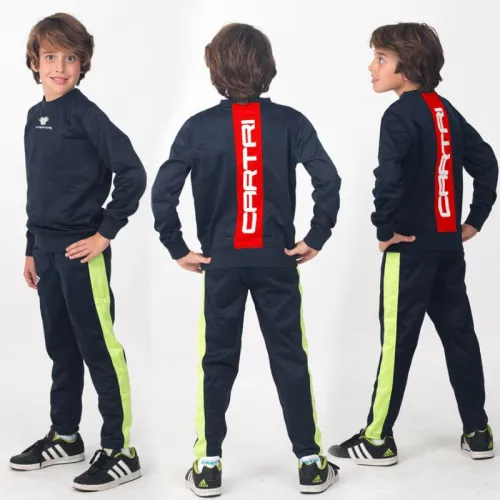
- Consider junior sets, such as the Set JHayber DN23032 Junior Grey, if younger players also show discomfort.
Which product categories to look for?
In the Bullpadel MAN section, you will find garments specially designed for comfort and injury prevention. If you are looking for equipment deals, visit the Outlet CLOTHING, where you can renew your wardrobe at competitive prices.
How to prevent elbow pain before it appears?
The best strategy is prevention. Follow these tips to avoid elbow discomfort:
- Do a good warm-up with specific exercises for the wrist, forearm, and shoulder.
- Include stretching before and after each match.
- Improve your technique with the help of a coach to avoid incorrect movements.
- Do not overload the dominant arm; alternate exercises and playing days.
- Consider changing your racket if you notice that the current one transmits too many vibrations.
Recommended exercises
Work on forearm strength and endurance with rotation and extension exercises, and use elastic materials and soft balls for rehabilitation.
What mistakes should you avoid if your elbow hurts?
Ignoring the pain or self-medicating can worsen the injury. Avoid:
- Returning to play before you are fully recovered.
- Forcing movements or lifting excessive weight.
- Not adapting your technique and continuing to use the same racket if it is uncomfortable.
- Not consulting a specialist if pain persists for more than a week.
Long-term care
Consistency in strengthening, using suitable equipment, and paying attention to your body's signals are the best guarantees for enjoying padel without elbow discomfort.
When and how to return to playing after an elbow injury?
Returning to padel should be progressive. Start with short sessions, wear garments that protect the joint, and gradually increase the intensity as recovery progresses. If in doubt, always consult a physiotherapist specializing in racquet sports.
