












































































Guia de Padel - PadelPoint
Emotional management and decision making in padel
The impact of emotional management in padel
In padel, emotional management is a key factor in any player's performance. Controlling emotions not only helps maintain focus but also directly influences the ability to make the right decisions at the most critical moments of the match. Pressure, unforced errors, and decisive points can destabilize even the most experienced players. Therefore, learning to manage emotions becomes a fundamental strategic tool.
Emotions can act as allies or enemies on the court. A player who masters their emotional world will be able to adapt their game according to the score, better read their opponents, and stay calm in adverse situations. This skill is enhanced with practice, self-knowledge, and the use of appropriate padel accessories to maximize comfort and minimize distractions.
The importance of emotional self-awareness
Being aware of your emotions allows you to anticipate reactions and avoid frustration influencing decision making. Padel is a sport where mental speed is as important as physical, and self-awareness helps reduce negative impulses. For example, after losing a crucial point, an emotionally intelligent player will quickly recover to face the next point with maximum concentration.
This emotional control can be trained, just like technique or tactics. Many padel brands, such as Adidas and Bullpadel, understand the importance of psychology in sports, developing products that help create routines, reduce stress, and improve the court experience.
How does pressure affect decision quality in padel?
Pressure is one of the biggest challenges in padel, especially in close matches or important tournaments. Under pressure, emotions like anxiety or fear can lead to rushed decisions, ineffective shots, or unforced errors. However, proper emotional management allows you to turn pressure into motivation, helping to keep a cool head and choose the best tactical option.
Choosing the right padel racket also influences player safety and confidence. Using a racket that fits your playing style helps maintain control and precision, even when emotions run high.
Tools to train emotional management
There are various psychological techniques to deal with pressure: breathing exercises, visualization, pre-point routines, and setting clear goals. In addition, many players rely on professional experience and use specific padel shoes that improve stability and reduce the risk of injury, allowing focus on what truly matters: strategy and decision making.
What strategies help maintain emotional control during a match?
To manage emotions in padel, it is essential to have strategies before, during, and after the match. Prior mental preparation helps set realistic expectations and reduce initial tension. During the match, techniques such as deep breathing, visualizing successful plays, and positive communication with your partner can make a difference.
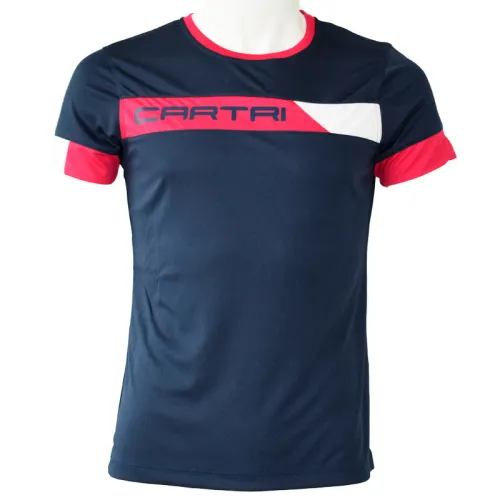
Wearing comfortable and breathable padel clothing facilitates overall well-being, helping to avoid distractions and keep your mind focused. Brands like Asics and Babolat develop technical garments that enhance performance under pressure.
Advantages of routine and emotional preparation
Establishing routines before and during the match creates a sense of control, reducing uncertainty and boosting confidence. Practicing warm-up routines, relaxation exercises, or even listening to motivational music before going on court can be key to maintaining emotional stability.
How do emotions influence tactical choices in padel?
Emotions influence the perception of the match and tactical selection. If a player is nervous or angry, they may take unnecessary risks or impulsively change their playing style. However, good emotional management allows you to objectively analyze the situation and adapt tactics according to your own strengths and weaknesses and those of your opponent.
Having the right equipment also brings peace of mind at key moments. For example, having quality padel balls and organized racket bags helps you stay focused and avoid distractions that could disrupt emotional control.
The importance of feedback and self-evaluation
After each match, reflecting on the emotions experienced and the decisions made is essential for personal and sporting growth. Identifying the moments of greatest pressure and how they were managed allows you to learn and improve for future competitions.
What role do accessories and gear play in emotional management in padel?
Sports equipment not only influences physical performance but also confidence and emotional stability. Using padel accessories such as overgrips, wristbands, or specialized glasses can help prevent discomfort and increase comfort, which positively affects your mood.
At TiendaPadelPoint you will find a wide range of products from renowned brands such as Dunlop, Head or Wilson, designed to offer maximum performance and emotional well-being on the court. If you want to optimize your budget without sacrificing quality, don't miss the offers in the OUTLET.
Innovations and trends in padel equipment
Top brands are constantly innovating their products to improve the player's emotional experience. From vibration-absorbing technologies to fabrics that promote thermoregulation, every detail counts to achieve optimal emotional and technical balance on the court.
Padel Guide: Technical Knowledge and Experience Applied to the Game
tiendapadelpoint · Authority in padel, equipment and performance @ Copyright 2026
