

















































































Guia de Padel - PadelPoint
Symptoms of Epicondylitis in Padel Players
Detecting Epicondylitis in Padel and Its Impact on Performance
Epicondylitis, popularly known as "tennis elbow," is one of the most frequent injuries among padel players. This condition can significantly affect on-court performance and the athlete's quality of life, so early identification of its symptoms is key to preventing complications. In this article, we explain how to recognize the signs of epicondylitis and provide guidelines for prevention and treatment, especially for regular padel practitioners.
What is Epicondylitis and Why is it So Common in Padel?
Epicondylitis is an inflammation of the tendons inserted in the outer part of the elbow, generally caused by repetitive extension and pronosupination movements of the wrist. In padel, these gestures occur constantly, especially when hitting the ball forcefully or performing volleys and smashes. Continuous use of padel rackets that do not suit the player's needs or overtraining can increase the risk of developing this condition.
What Are the Initial Symptoms of Epicondylitis in Padel Players?
One of the first signs is usually localized pain on the outer part of the elbow, which may radiate to the forearm and wrist. This discomfort tends to intensify when gripping the padel racket or performing hitting movements. Other characteristic symptoms include:
- Tenderness in the lateral epicondyle area.
- Morning stiffness or after periods of inactivity.
- Decreased strength in the hand or forearm.
- Pain when lifting objects or performing twisting movements with the wrist.
- Persistent discomfort after intense training or matches.
How to Distinguish Epicondylitis from Other Elbow Injuries?
Epicondylitis can be confused with other conditions such as epitrochleitis or muscle injuries. However, pain on the outer part of the elbow that increases when extending the wrist is very characteristic of this injury. If the player experiences pain when holding light objects, such as a cup or a padel shoe, or feels weakness during daily activities, it may be epicondylitis.
What Factors Increase the Risk of Epicondylitis in Padel?
Some factors that promote the onset of epicondylitis in padel include:
- Using padel rackets that are too heavy or stiff.
- Incorrect hitting technique, especially in volleys and smashes.
- Excessive training without adequate recovery.
- Lack of specific warm-up and stretching.
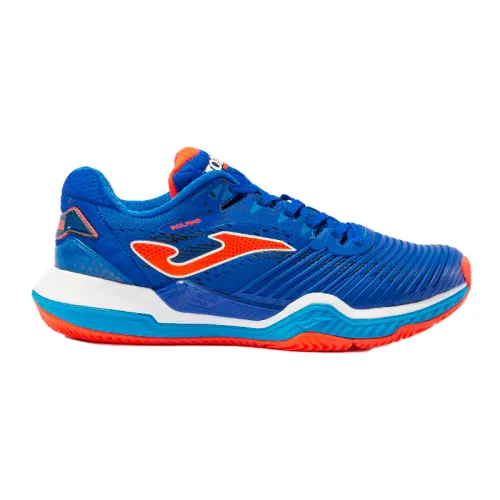
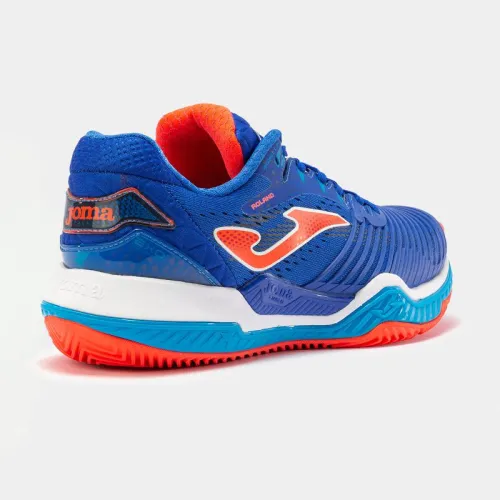
- Use of padel shoes that are inappropriate and affect body biomechanics.
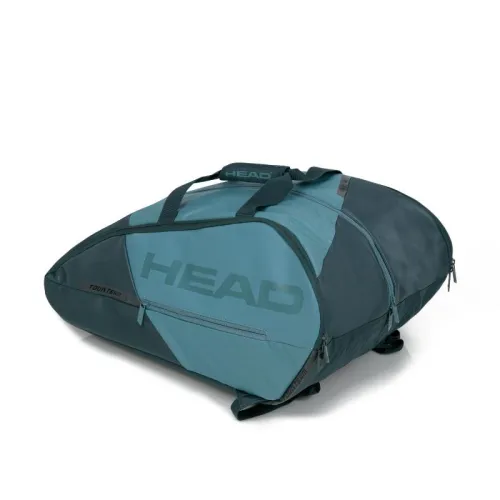
It is also common in people who use accessories or padel accessories that are not adapted to their playing style.
Which Brands Offer Products That Help Prevent Injuries?
At TiendaPadelPoint you'll find a wide range of products from leading brands such as Adidas, Bullpadel, Head, Nox, and Siux, among others, designed to enhance performance and prevent injuries.
How Can Epicondylitis Be Detected Before It Progresses?
Early detection is essential to prevent epicondylitis from becoming a chronic problem. It is advisable to consult a specialist as soon as persistent discomfort in the elbow appears. Common tests include:
- Physical examination and sensitivity assessment in the area.
- Mobility and strength tests of the forearm and wrist.
- Ultrasound or MRI in cases of diagnostic doubt.
Medical follow-up and adapting training routines can be decisive for effective recovery.
What Role Do Accessories and Equipment Play in Prevention?
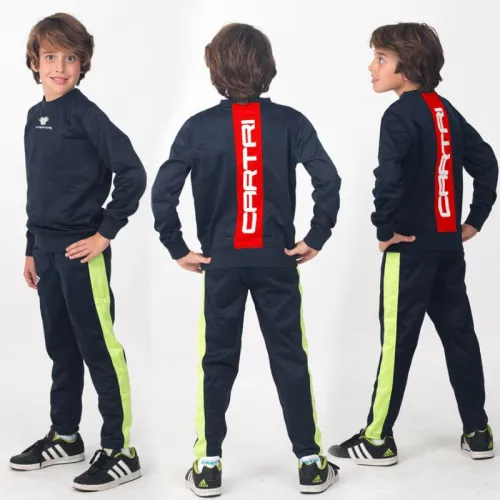
Using quality padel accessories and suitable padel shoes can reduce elbow strain. In addition, some models of technical padel clothing provide greater freedom of movement and breathability, contributing to safer play.
What To Do When Experiencing the First Symptoms of Epicondylitis in Padel?
If you experience elbow pain after a padel match or training session, it's essential to act quickly. Some recommendations include:
- Rest and apply ice to the affected area.
- Avoid repetitive movements until the pain subsides.
- Perform stretching and strengthening exercises under professional supervision.
- Consult a physiotherapist specializing in sports injuries.
- Check the condition and weight of your padel racket and change it if necessary.
Players who shop at TiendaPadelPoint can find products designed to minimize elbow impact, from ergonomic rackets to specific accessories for prevention and recovery.
Why Is Proper Equipment Selection Important?
Choosing the right padel racket, padel shoes, and other accessories reduces the risk of injuries such as epicondylitis. In addition, keeping an eye on new arrivals in sports equipment can help you discover innovative technologies to care for your health and improve your game.
Which Exercises and Habits Help Prevent Epicondylitis?
Recommended habits to avoid epicondylitis in padel players include:
- Performing a good warm-up before each session.
- Incorporating strengthening exercises for the forearm and wrist.
- Stretching after playing to maintain muscle elasticity.
- Maintaining proper technique and consulting specialized coaches.
- Regularly checking the condition of equipment and replacing it when necessary.
Prevention is always the best treatment. Take time to care for your body and choose quality products at TiendaPadelPoint to ensure your well-being on the court.
Padel Guide: Technical Knowledge and Applied Experience to the Game
tiendapadelpoint · Authority in padel, equipment and performance @ Copyright 2026
