















































































Guia de Padel - PadelPoint
Key technical equipment to reduce the risk of wrist injuries in padel
Key technical equipment to reduce the risk of wrist injuries in padel
Wrist injuries are among the most common complaints among padel players, whether amateur or professional. The sport's explosive nature, repetitive striking movements, and demand for precision make the wrist especially vulnerable. However, choosing the right technical equipment can be crucial in preventing discomfort and injury. In this article, we explain how various elements and accessories can help you play safely and confidently.
What type of racket helps protect the wrist during play?
The padel racket is the first element to consider if you want to reduce the risk of wrist injuries. Not all rackets are the same: weight, balance distribution, and materials directly influence the vibrations transmitted to the joint. Opting for a racket with anti-vibration technologies, EVA rubber core, and balanced weight can make a big difference.
For example, the Pala Nox Agustin Tapia AT10 Genius 12K 2025 features advanced vibration absorption technologies, helping to reduce repetitive impact on the wrist. Other options like the Pala Lok Carb-On Flow and the Pala Set Black Wolf 2025 are also designed to provide comfort and joint protection.
Tip: Avoid excessively heavy rackets or those with a very high balance, as they can increase the load on the wrist, especially in players without sufficiently developed muscles.
What other features should a safe racket have?
- Soft EVA rubber core for greater vibration absorption.
- Materials like carbon or fiberglass with anti-shock technologies.
- An ergonomic grip well fitted to your hand.
What accessories are essential for wrist protection?
In addition to the racket, there are specific accessories that play a fundamental role in preventing wrist injuries. One of the most recommended are wrist bands. These technical garments not only absorb sweat but also provide support and limit abrupt or forced movements of the joint.
In cold weather, or for those with previous injuries, wearing an appropriate sweatshirt like the Bullpadel Acube Ochre Sweatshirt can help keep your muscles and joints at an optimal temperature, reducing the risk of injury.
Why are wrist bands so effective?
- They provide light compression to stabilize the joint.
- Help avoid abrupt movements or unforeseen twists.
- Absorb sweat and improve racket grip.
How does footwear influence wrist injury prevention?
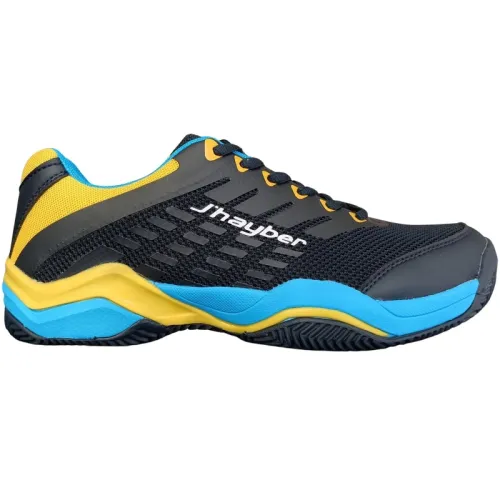
It may seem that shoes have no direct connection to the wrist, but the truth is that good footwear is key to avoiding slips, falls, and uncontrolled movements that can lead to joint injuries. Quality shoes like the Kswiss Speedtrac Electric Blue Shoes or the Shoes Lotto Mirage 200 White Asphalt provide stability and cushioning, helping maintain optimal body posture during play.
Also, in the ADIDAS section you will find models designed specifically for the demands of padel, where support and traction are priorities to avoid falls and dangerous movements.
What features to look for in good shoes?
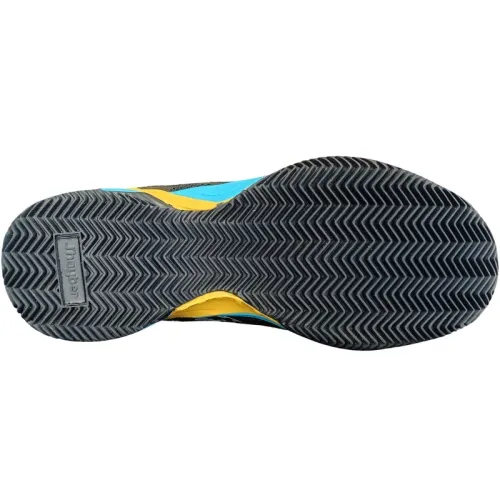
- Sole adapted to the padel court to prevent slipping.
- Good cushioning to absorb impacts.
- Lateral reinforcements for greater stability in quick movements.
Does technical clothing also influence wrist protection?
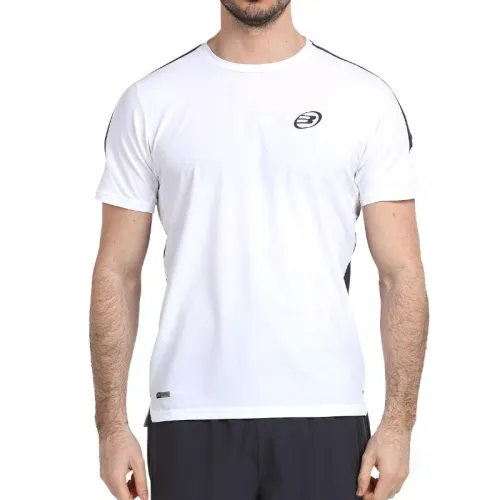
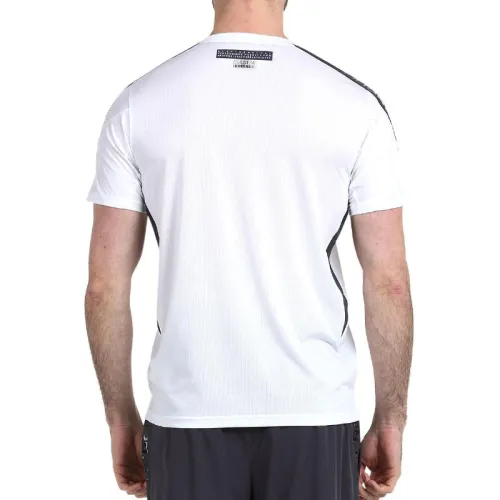
Padel clothing not only fulfills an aesthetic function, but can also enhance performance and safety. Technical garments like those found in Bullpadel MAN offer freedom of movement and breathability, avoiding chafing or restrictions that could interfere with the technical gesture and cause harmful compensations in the wrist.
For example, using proper clothing along with the mentioned accessories allows you to focus on technique and racket control, reducing risks from incorrect or forced movements.
Which fabrics and cuts are most recommended?
- Light and elastic fabrics that follow the natural movement.
- Flat seams to avoid irritation.
- Ergonomic design that does not limit arm and wrist mobility.
What maintenance and habits complement the use of technical equipment?
As important as choosing the right equipment is keeping it in optimal condition and adopting healthy habits. Regularly change the grips and overgrips to ensure a firm and comfortable hold, check the state of the racket and accessories after each match, and replace any worn item. Also, combine the use of technical equipment with a warm-up and stretching routine specific for the wrist, and if you have already had any discomfort, consult a specialist to adjust your accessories or change your racket.
Remember: proper prevention starts with equipment choice, but is completed with good habits and regular check-ups.
