












Guia de Padel - PadelPoint
Exercises to improve control of pace changes in padel
How controlling pace changes impacts padel performance
Controlling pace changes is one of the most decisive skills in modern padel. Knowing when to speed up or slow down during points allows you to surprise your opponent and maintain dominance in the game. Training this ability involves working on both technique and decision-making. Therefore, specific exercises focused on pace control are essential for those looking to progress in this sport.
At TiendaPadelPoint we understand the importance of including this aspect in your training. That's why we present a comprehensive guide with exercises and practical recommendations to improve your control of pace changes in padel.
The importance of variability in the game
Always playing at the same speed makes it easy for your opponent to adapt and anticipate your moves. Alternating paces, however, allows you to maintain the initiative and force mistakes. That's why practicing pace control is key to effective play.
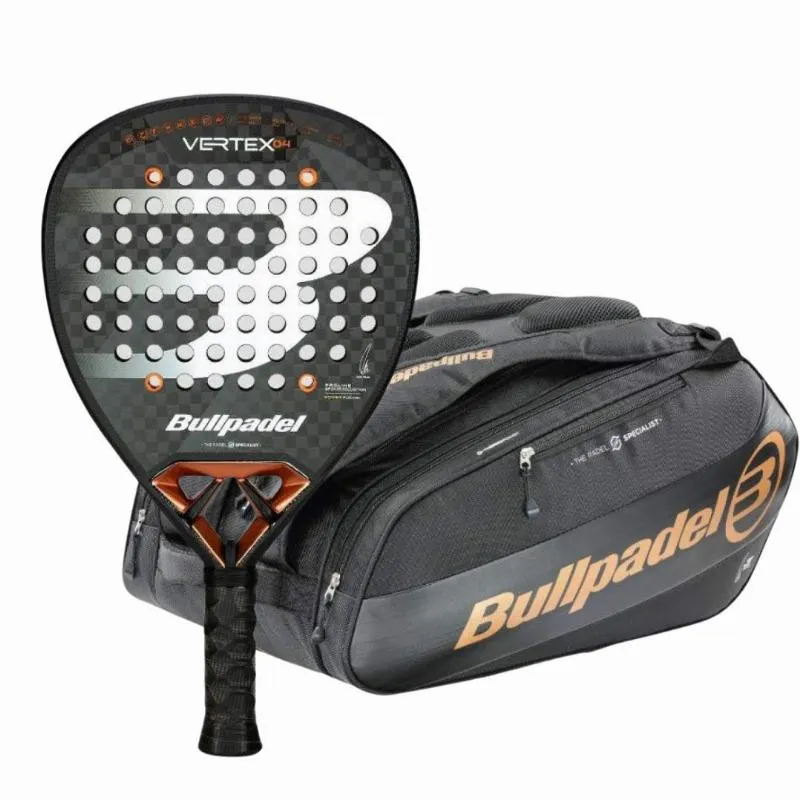
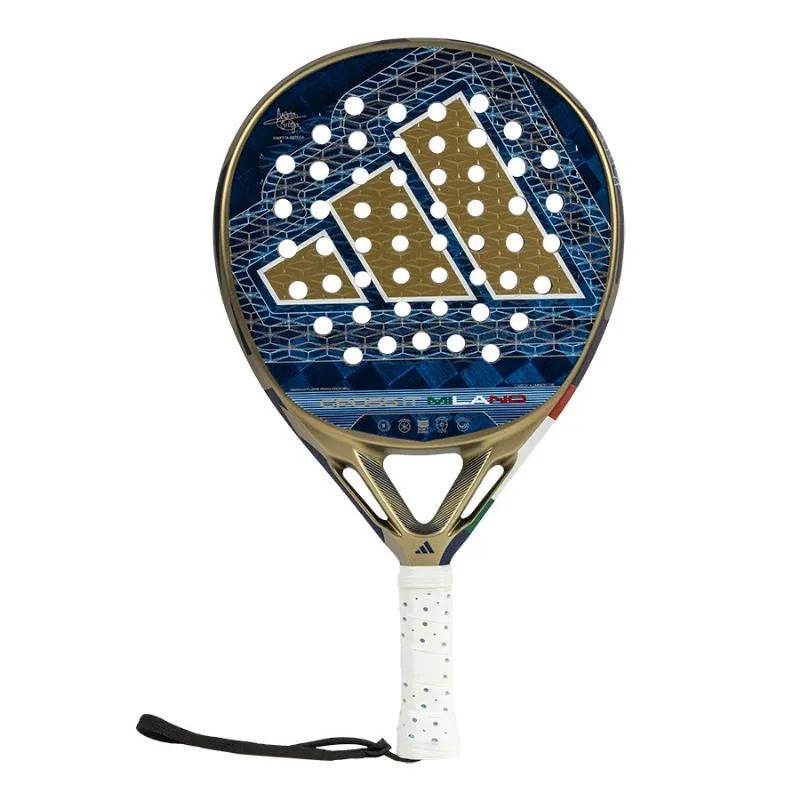
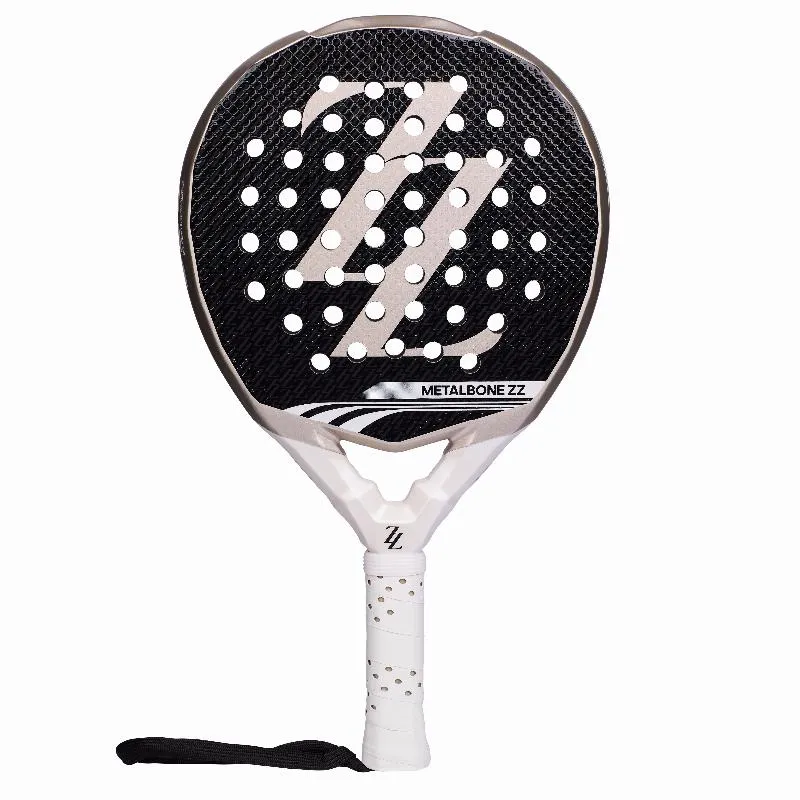
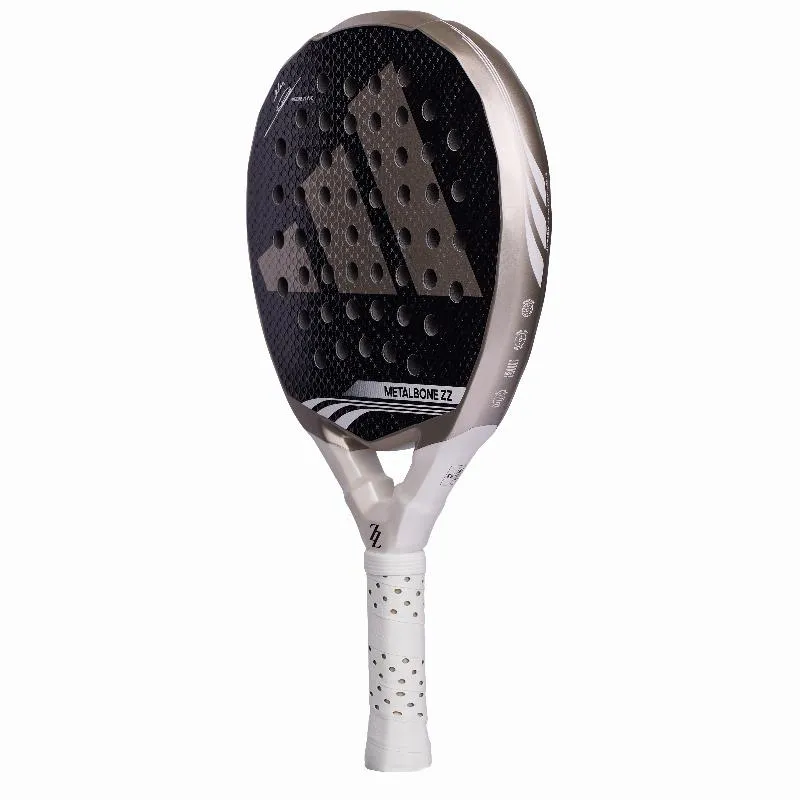
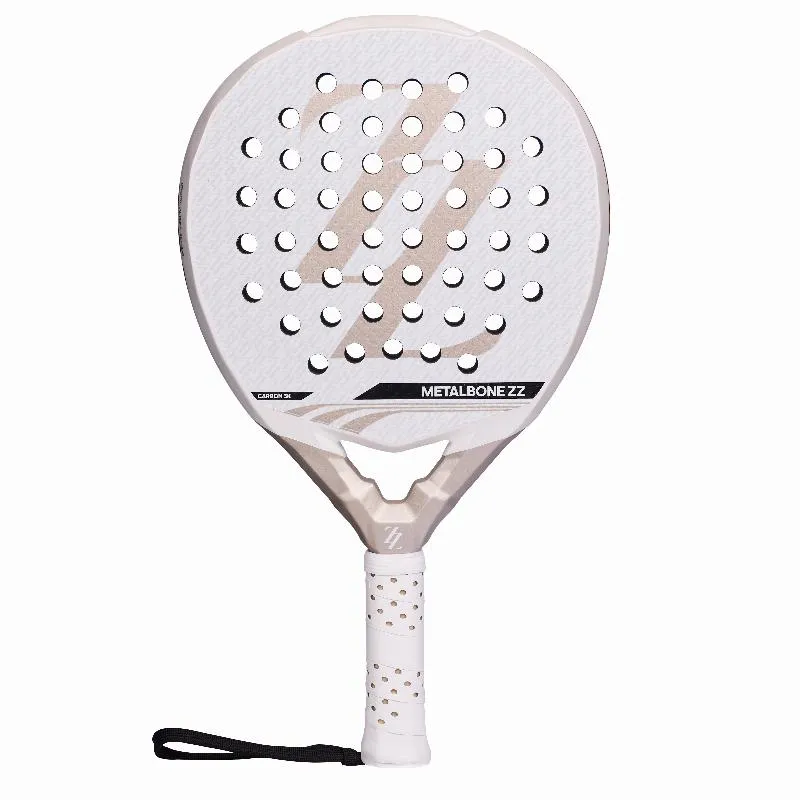
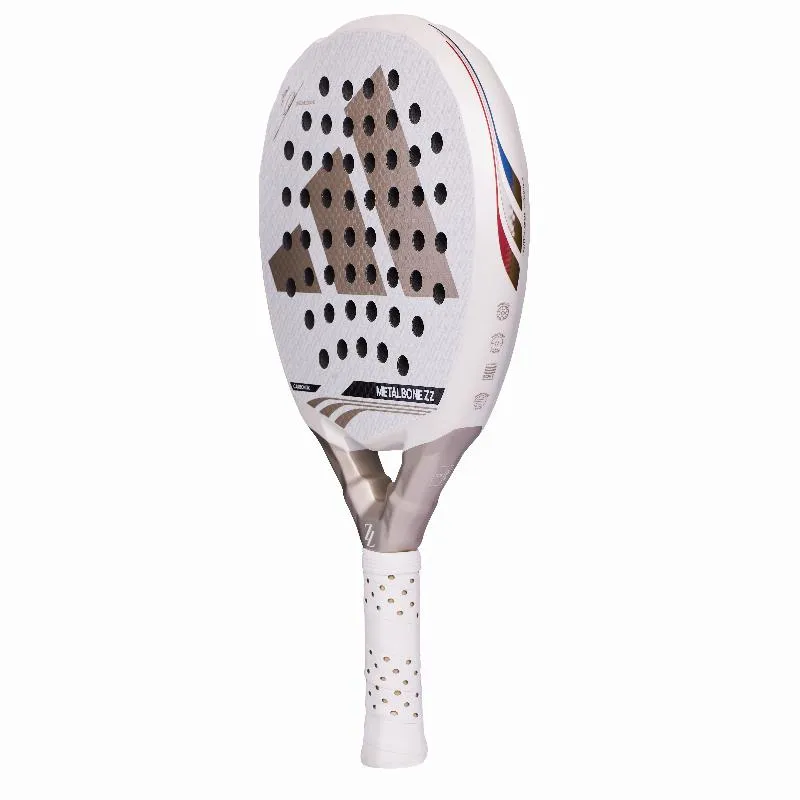
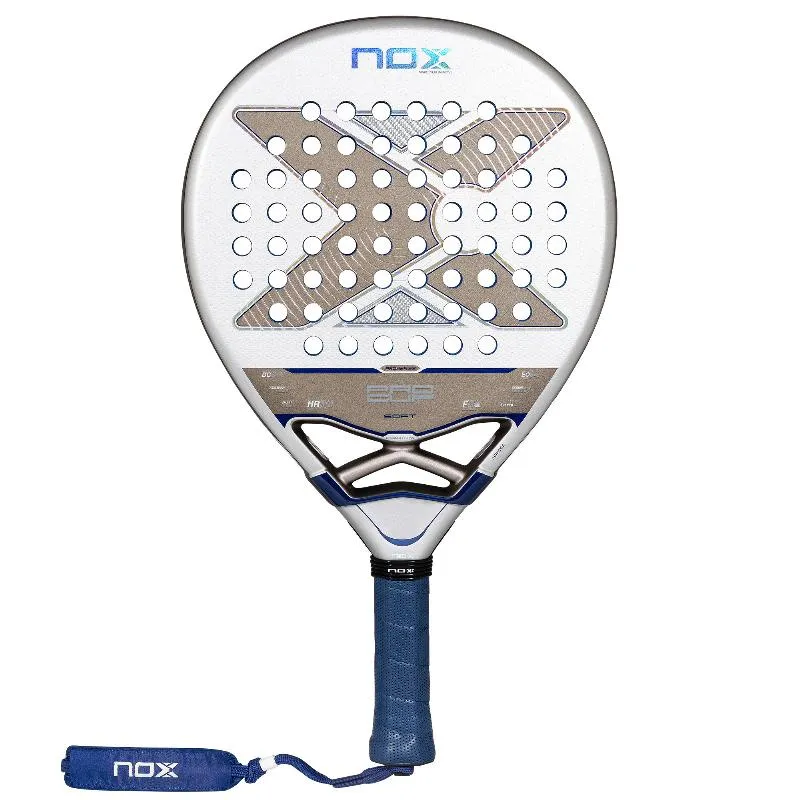
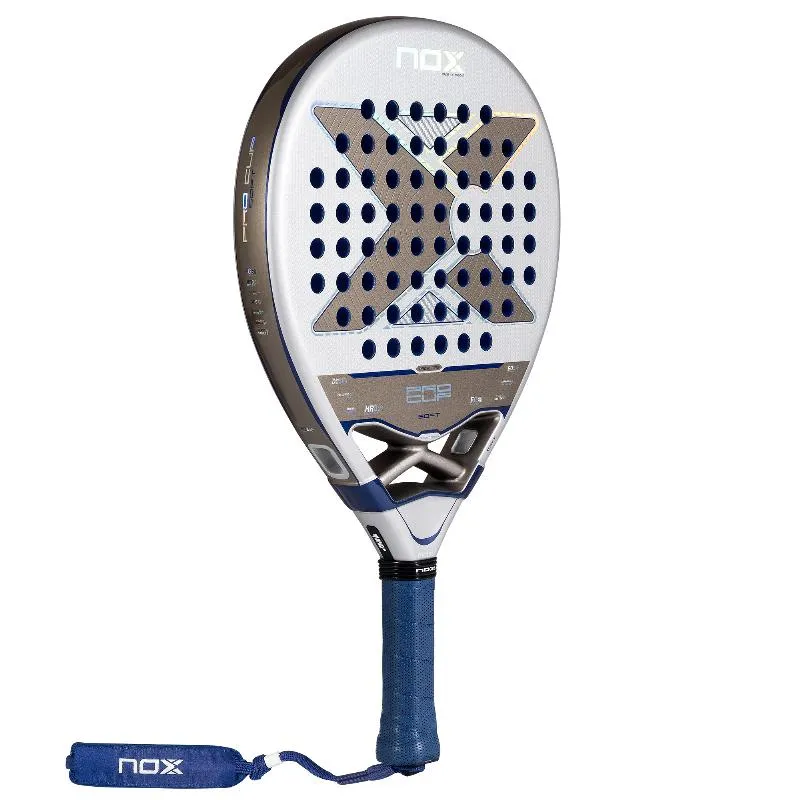
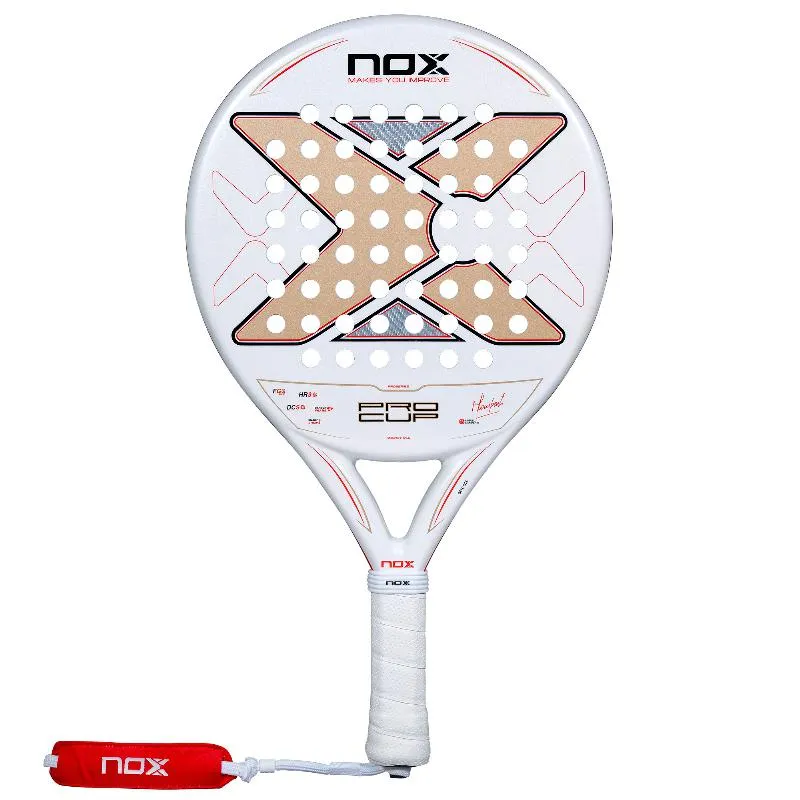
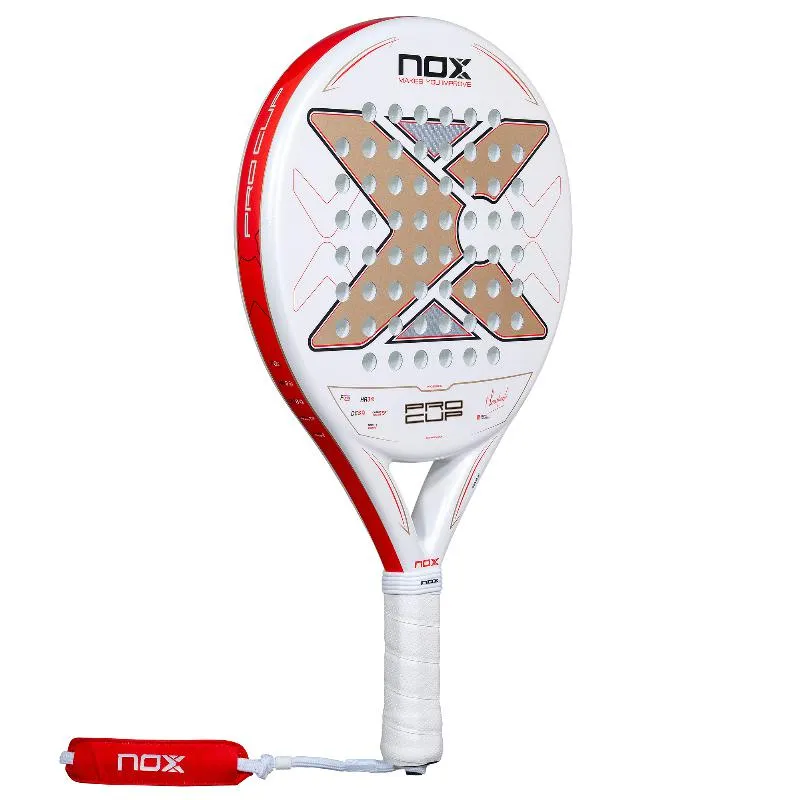
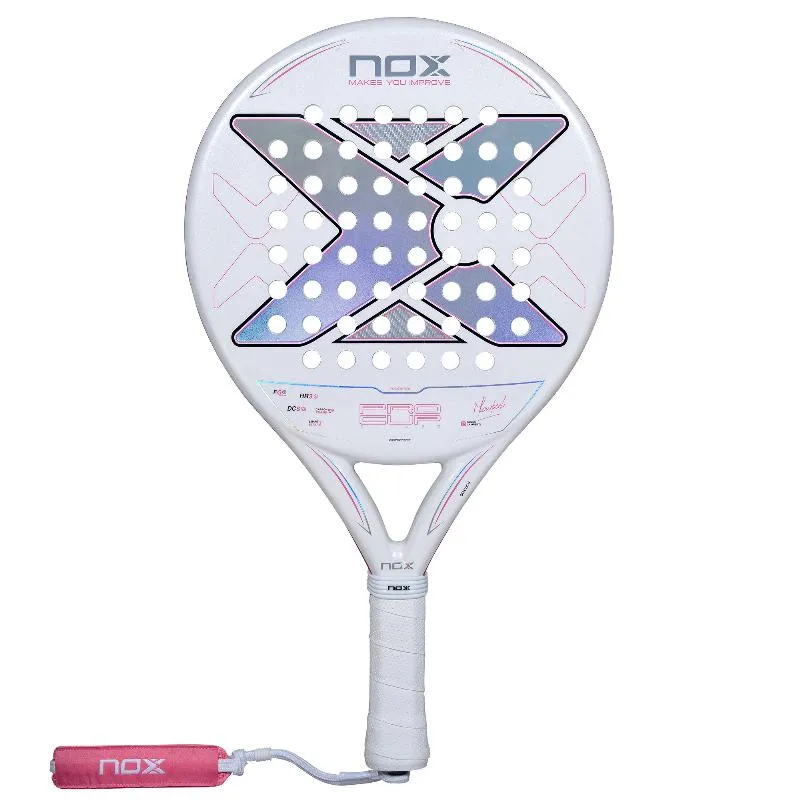
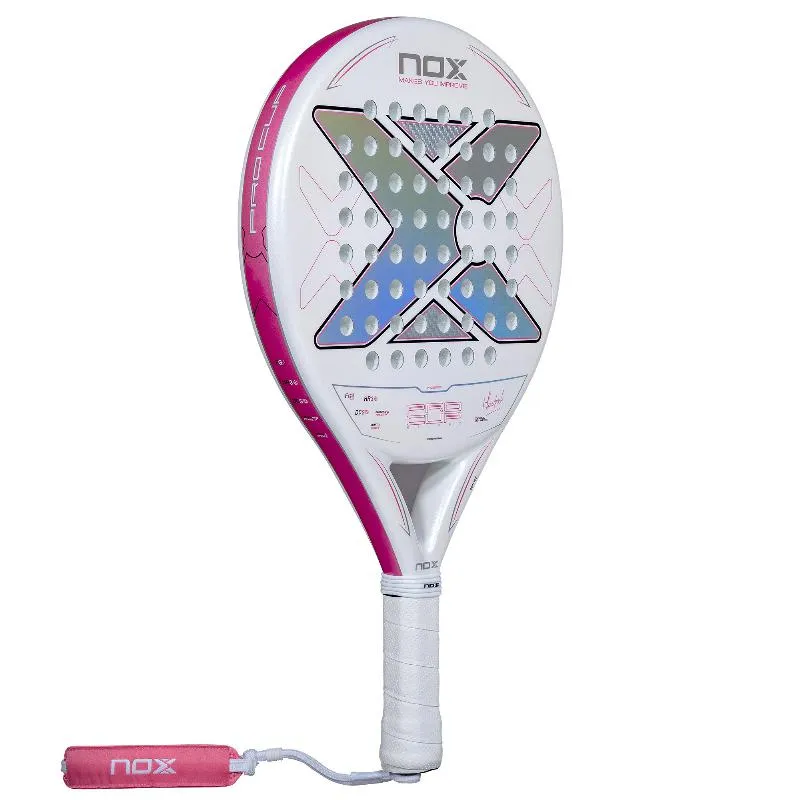
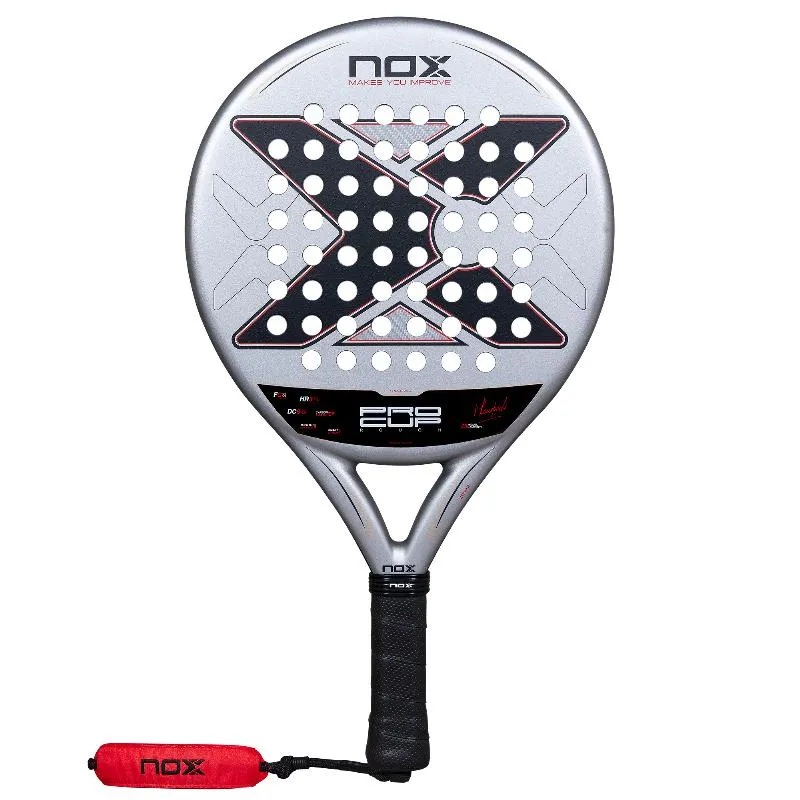
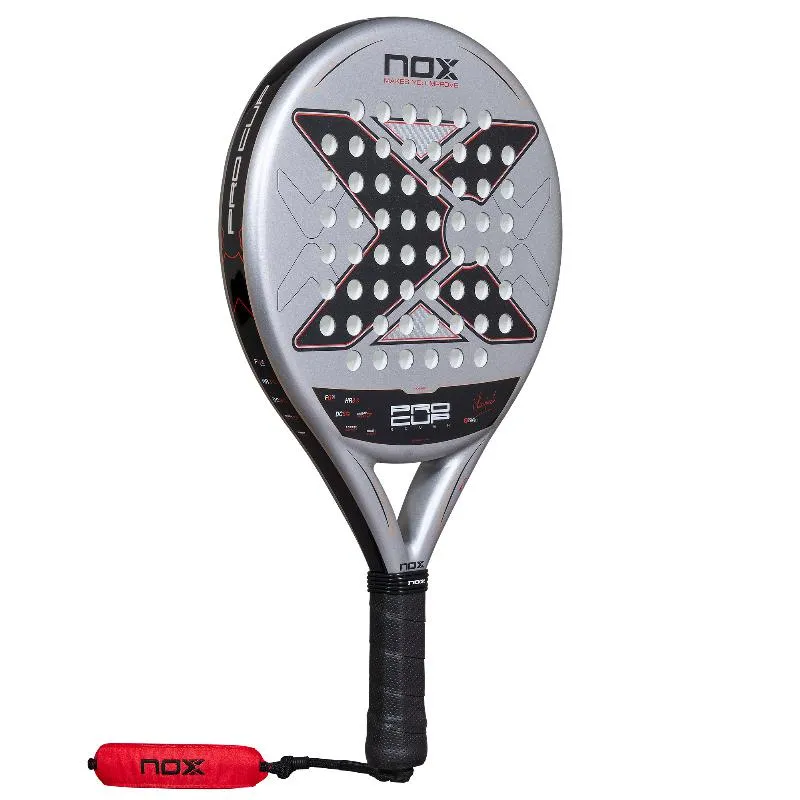
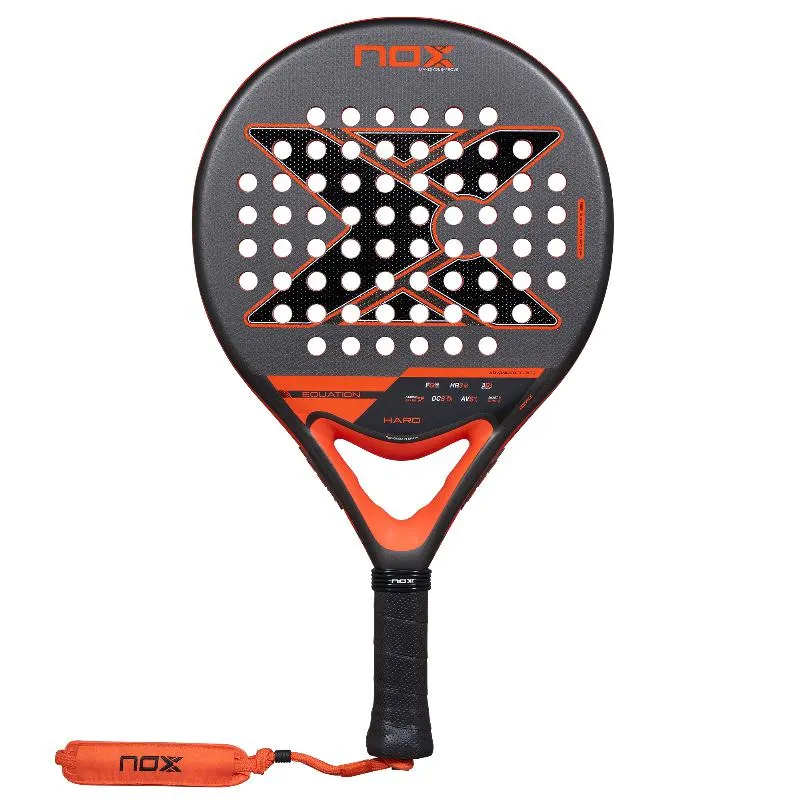
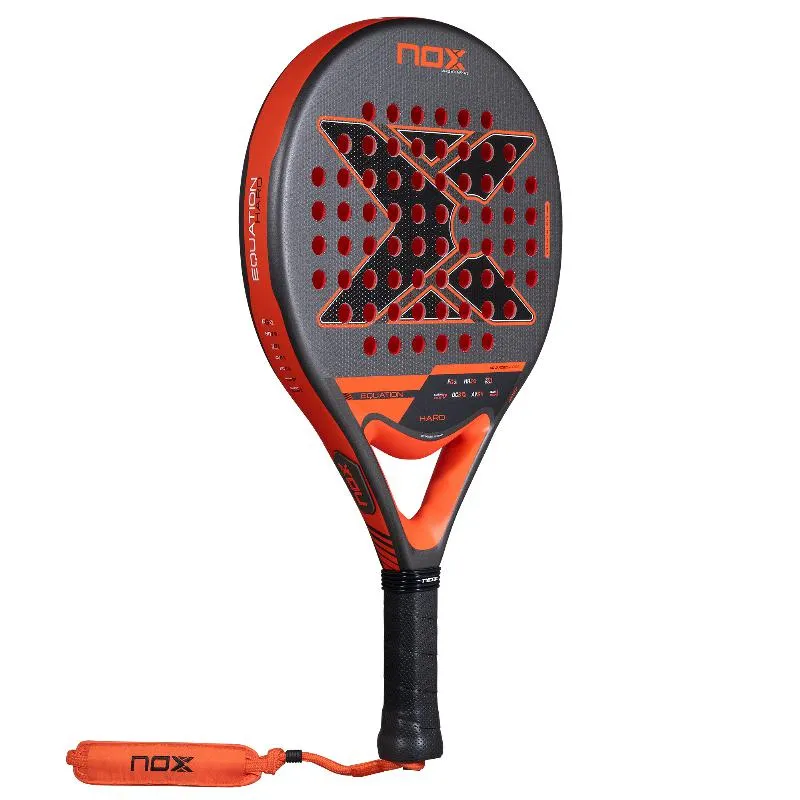
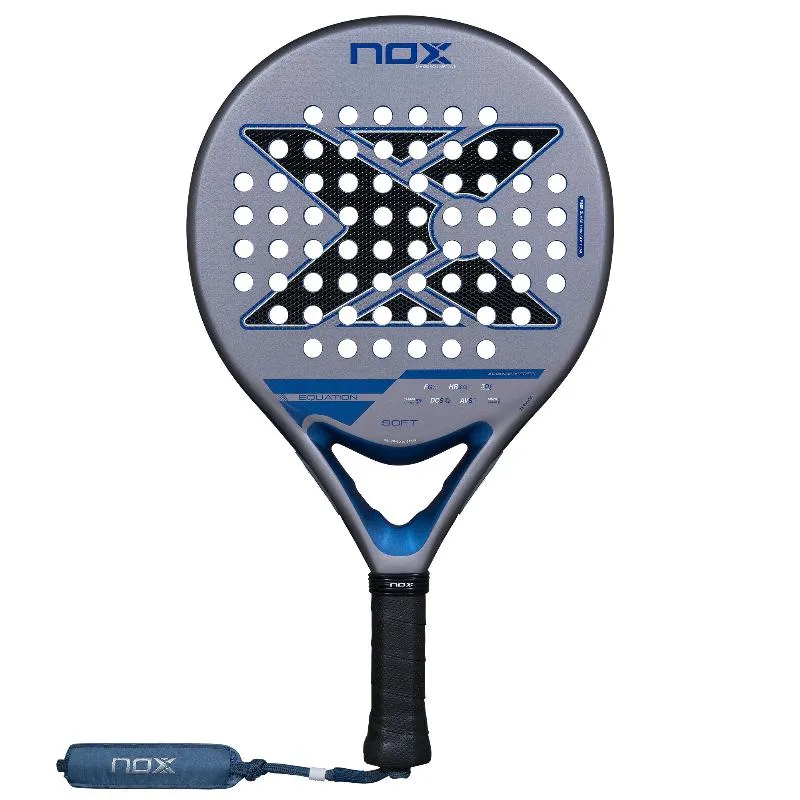
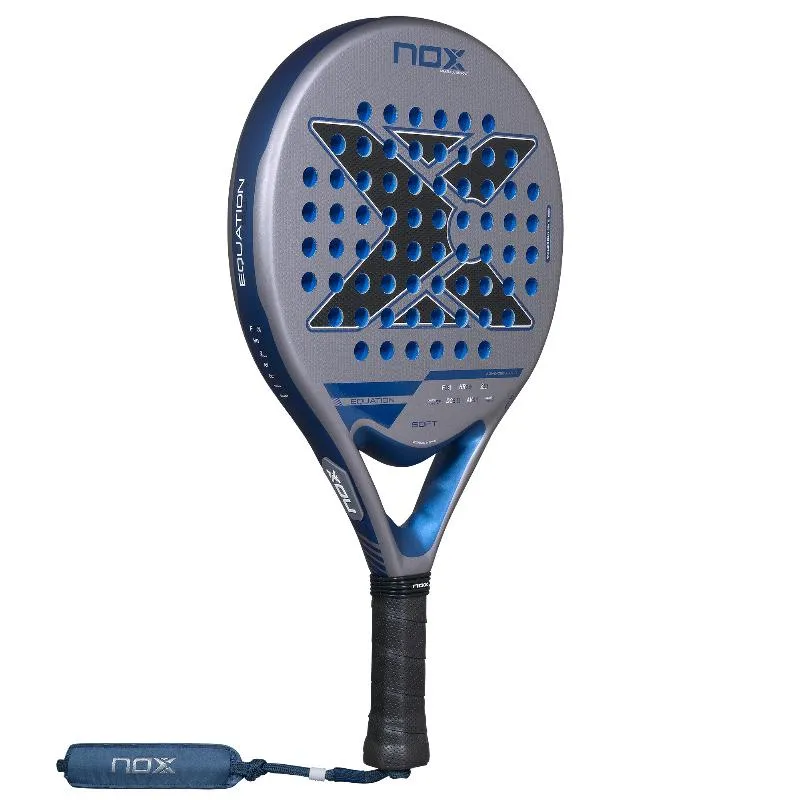
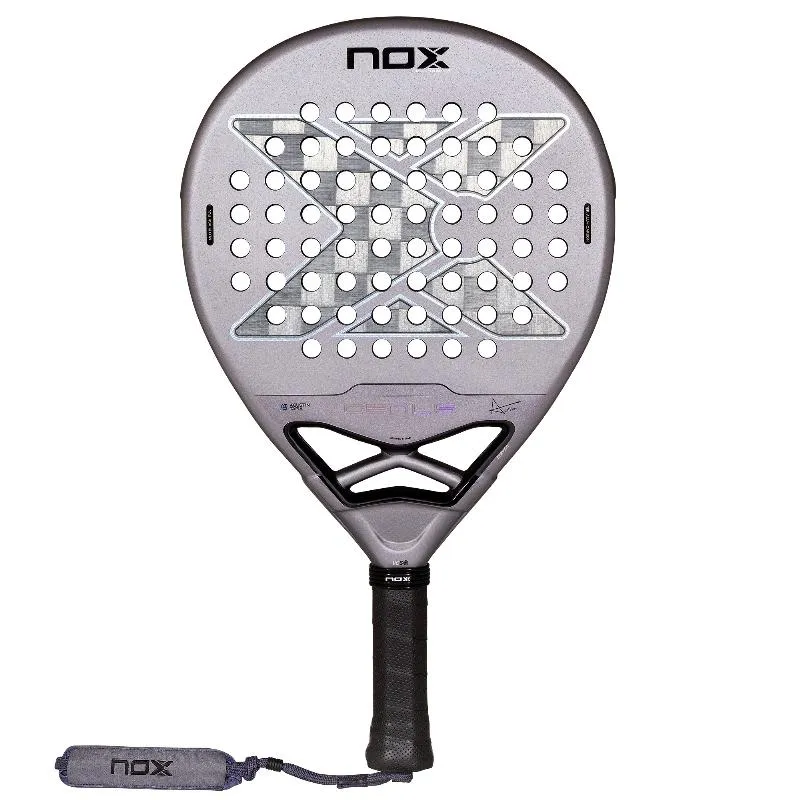
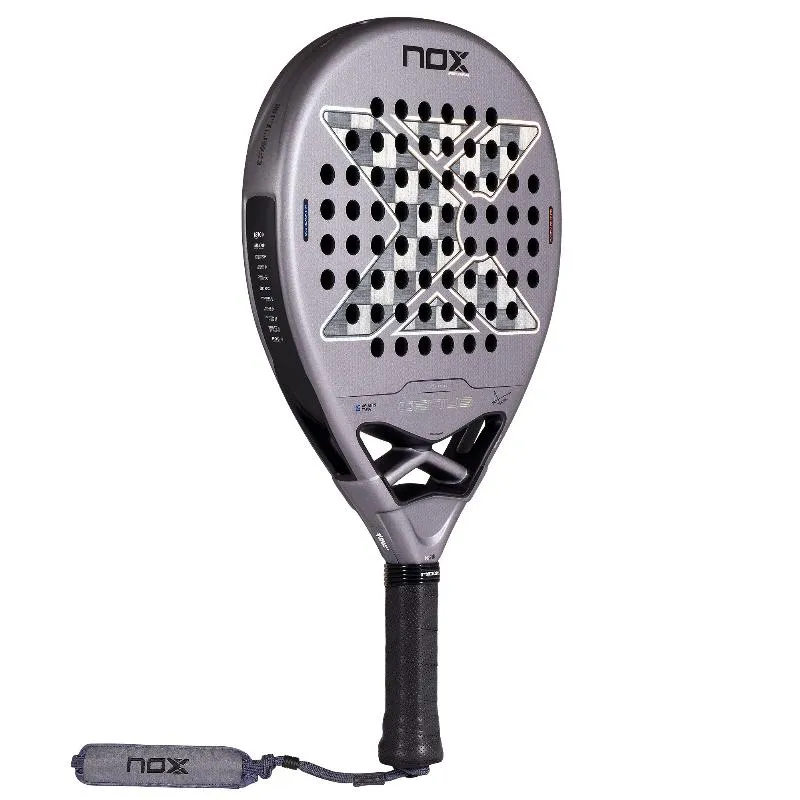
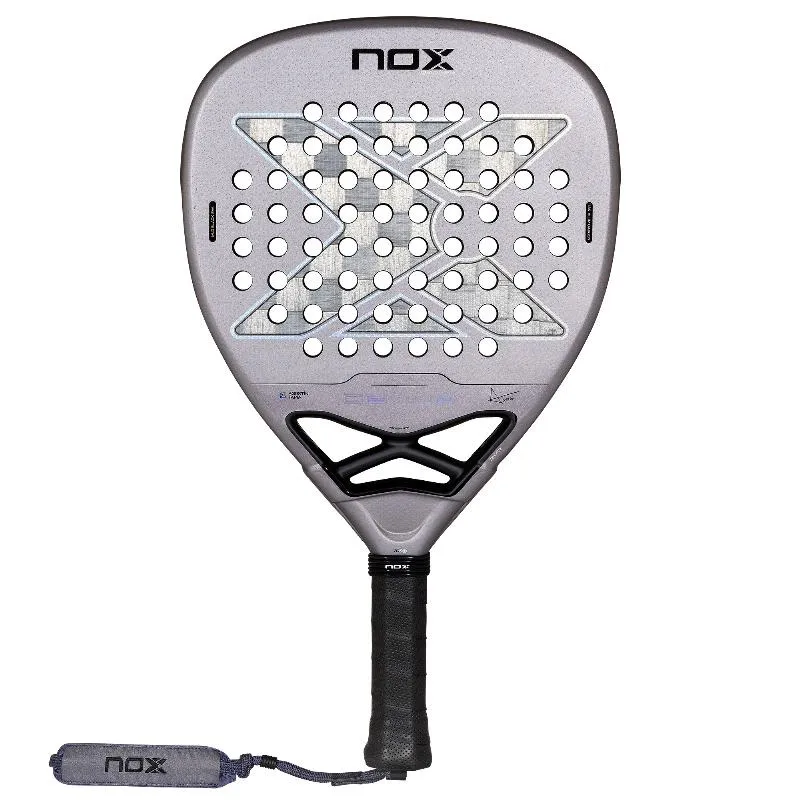
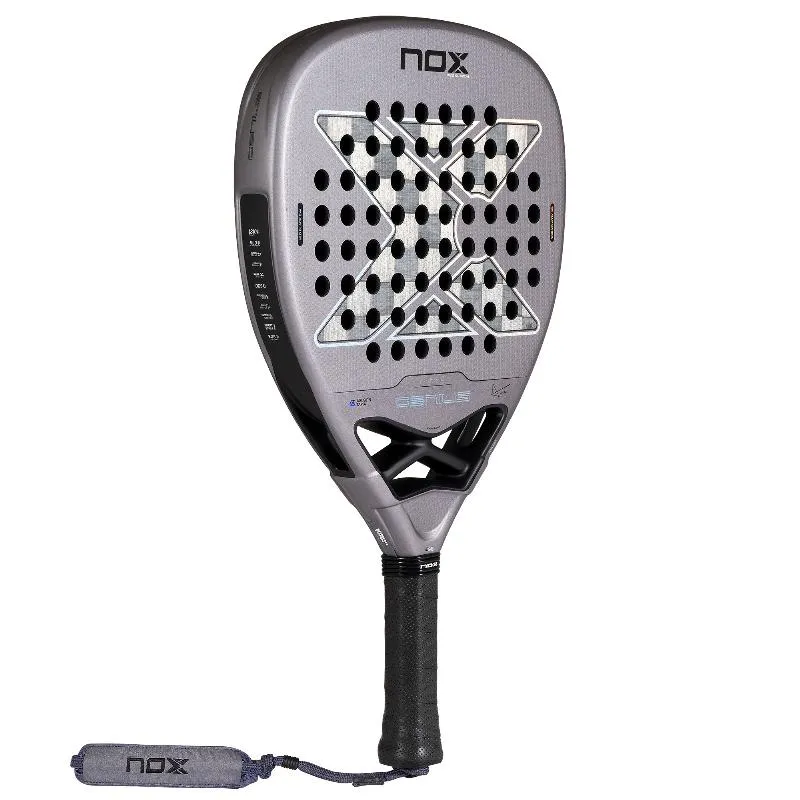
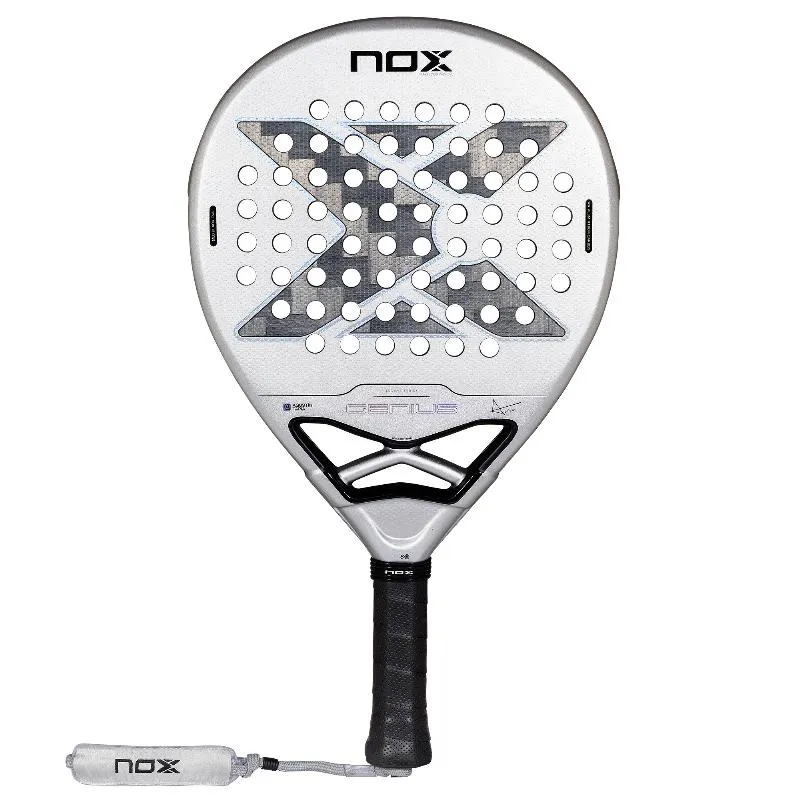
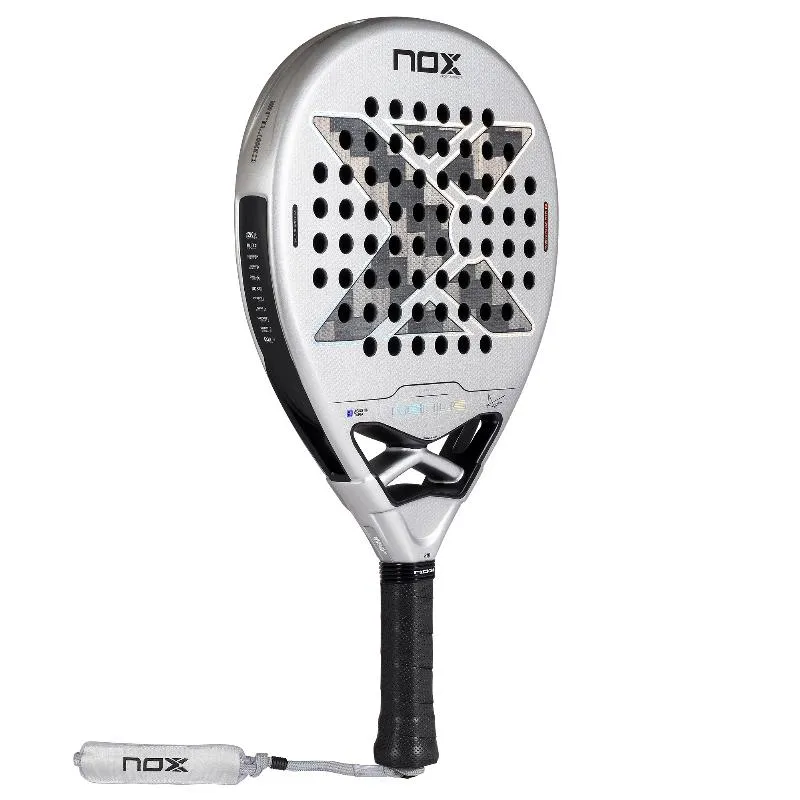
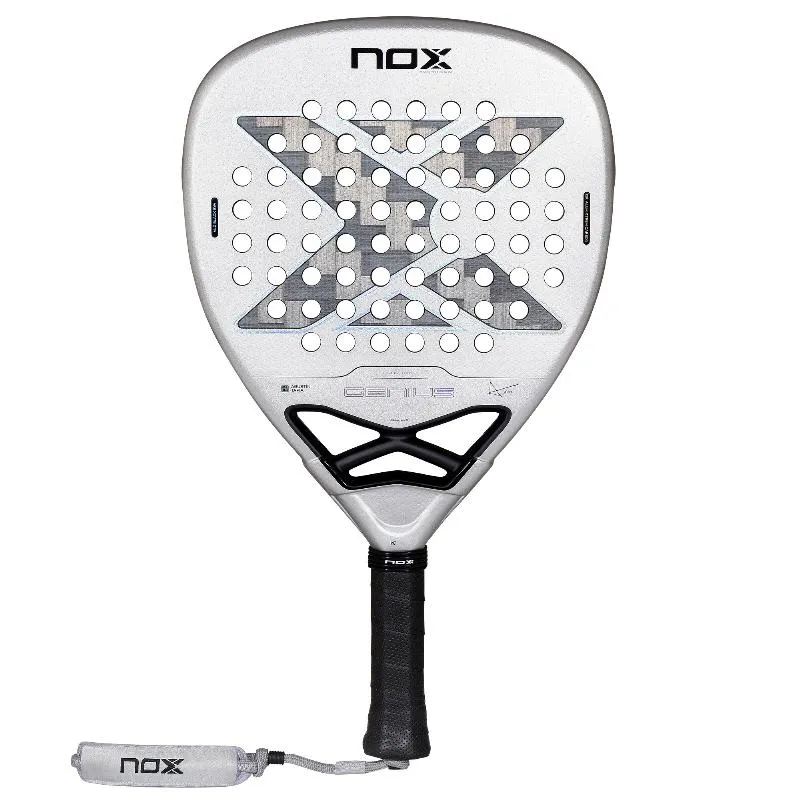
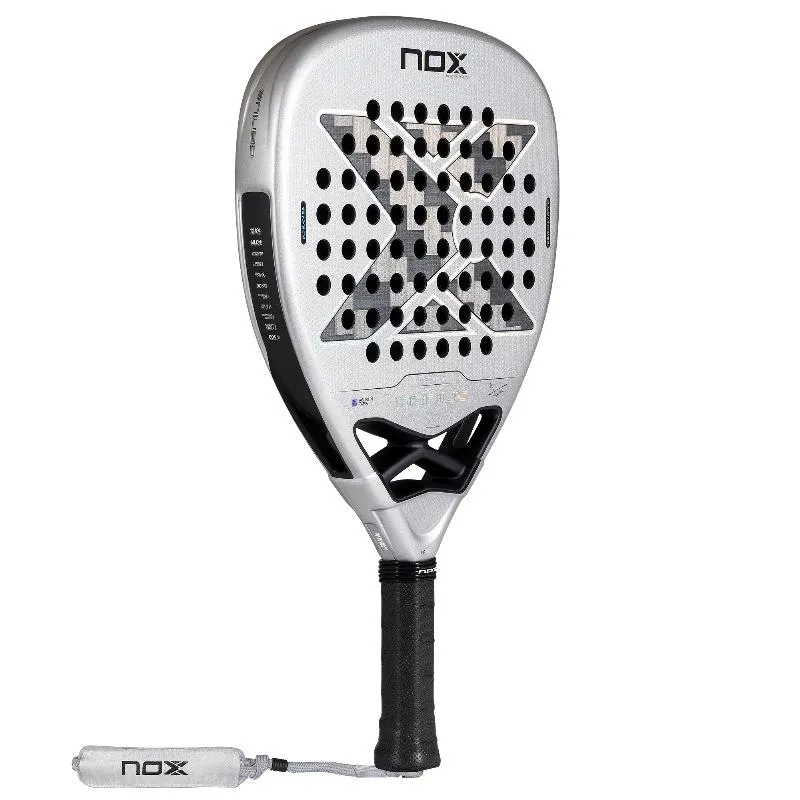
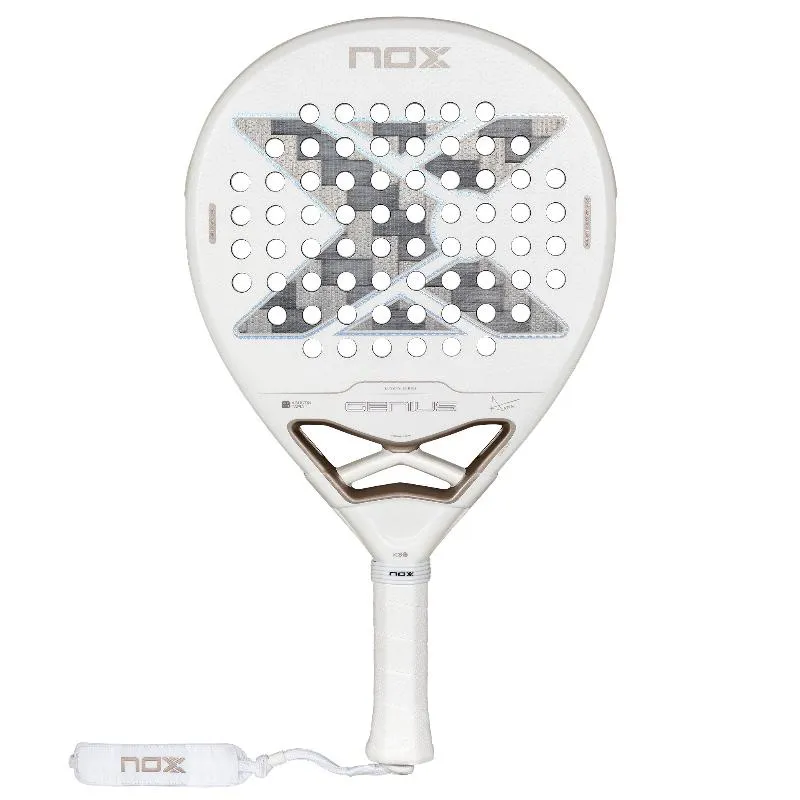
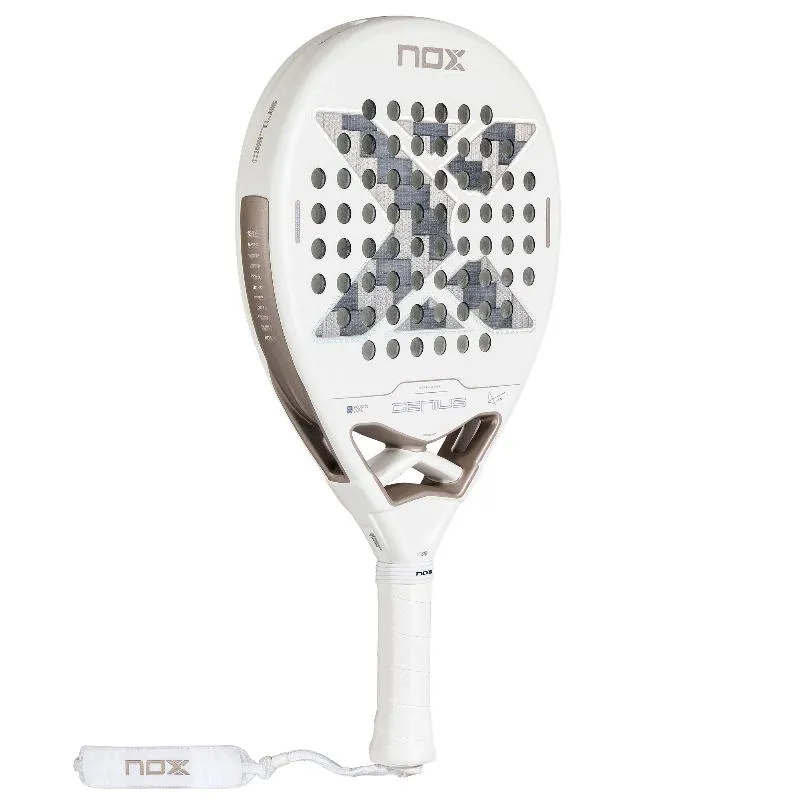
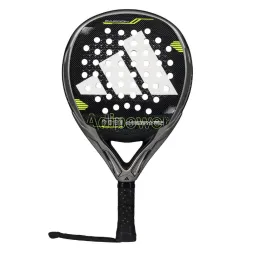
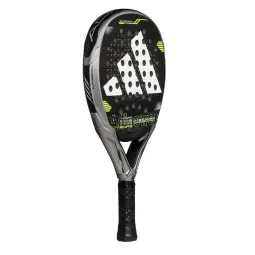
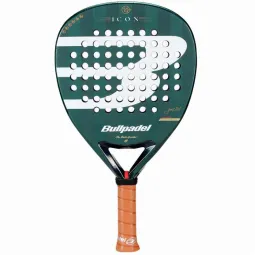
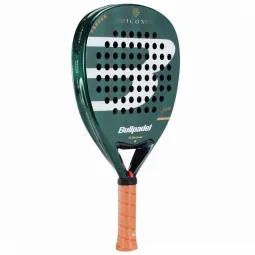
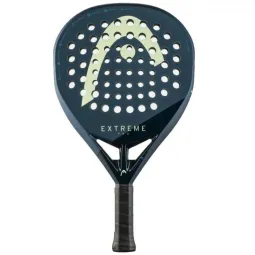
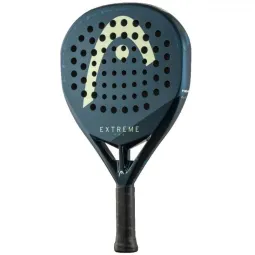
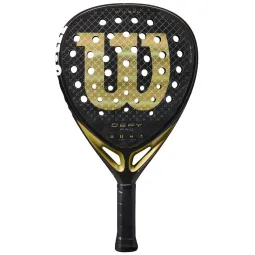
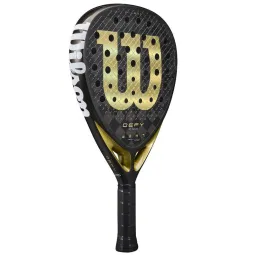
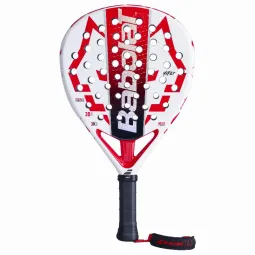
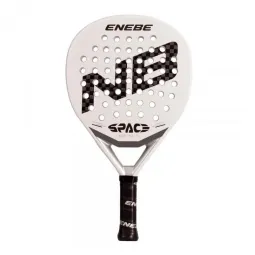
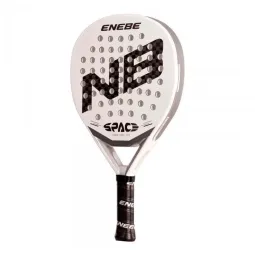
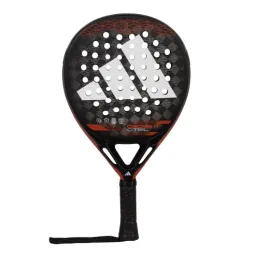
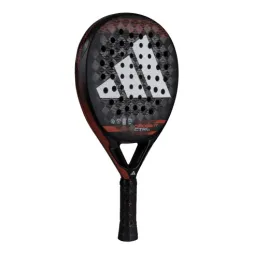
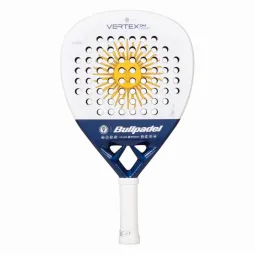
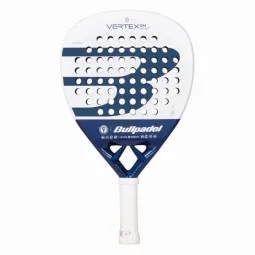
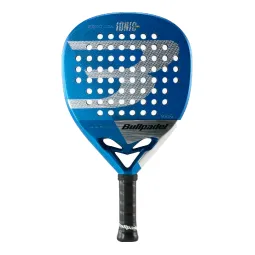
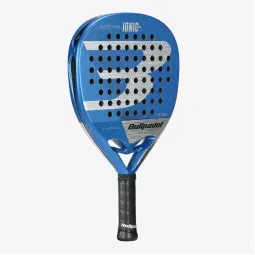
To boost this skill, it's fundamental to have the right equipment. For example, choosing padel rackets that suit your playing style can help you perform fast or slow shots as required.
Which exercises help to control pace changes in padel?
There are many exercises that can be incorporated into technical or physical training to work on pace control on the court. Here are the most effective ones:
- Volley speed alternation exercise: Hit several balls in a row at a slow pace, then suddenly accelerate your shots to surprise and seek the winning point.
- Baseline work with pace changes: From the back of the court, alternate slow, deep shots with fast, short ones, forcing immediate speed adaptation.
- Drills with marked balls: Use padel balls of different colors or marks to indicate when to change the pace, promoting decision-making under pressure.
- Small court exercises: Practice matches on smaller spaces where pace changes are even more crucial for winning the point.
- Training with a coach: A coach can vary feeding speeds and require quick, adaptive responses, simulating real match situations.
Complement these exercises with the use of padel accessories to improve the precision and effectiveness of each session, allowing for more specific technical objectives.
Recommended equipment for training pace changes
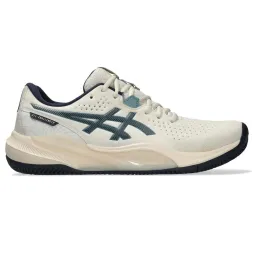
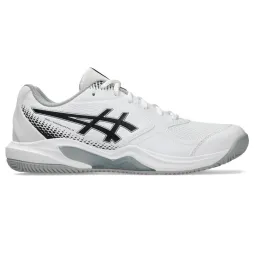
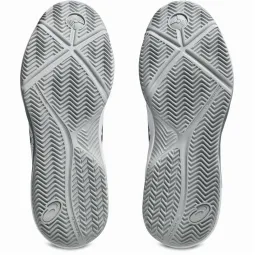
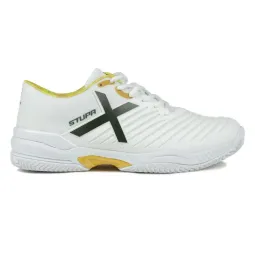
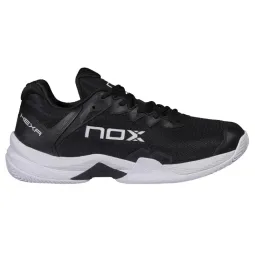
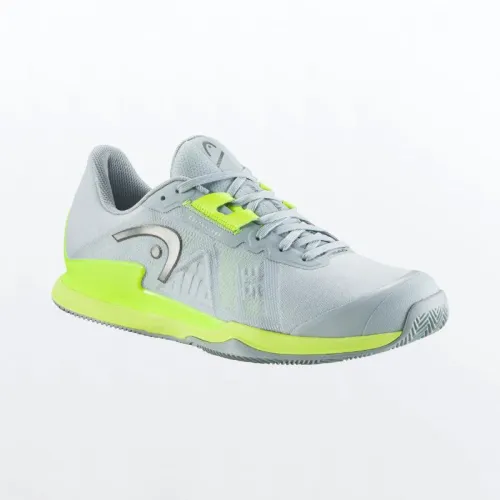
The choice of equipment is essential for optimal training. Renowned brands like Adidas, Bullpadel, or Nox offer high-quality products that facilitate adaptability. Additionally, having the right padel shoes enhances agility for responding to pace changes.
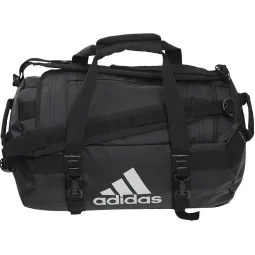
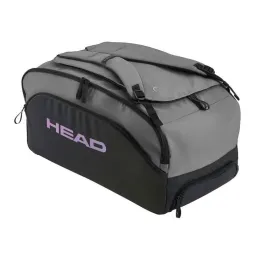
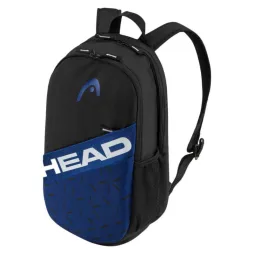
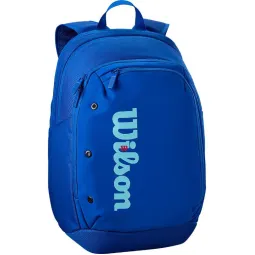
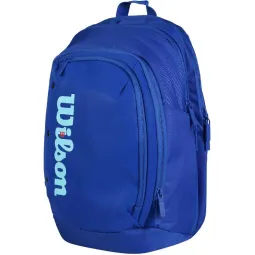
Don't forget that a racket bag is the perfect complement for transporting all your gear and training anywhere, anytime.
How to plan training sessions to improve pace control?
Good planning is as important as execution. Dedicate specific time blocks to work on pace changes within each training session for real improvement. We recommend:
- Including dynamic warm-up exercises to prepare body and mind.
- Mixing technical exercises with real match situations, focusing on pace control.
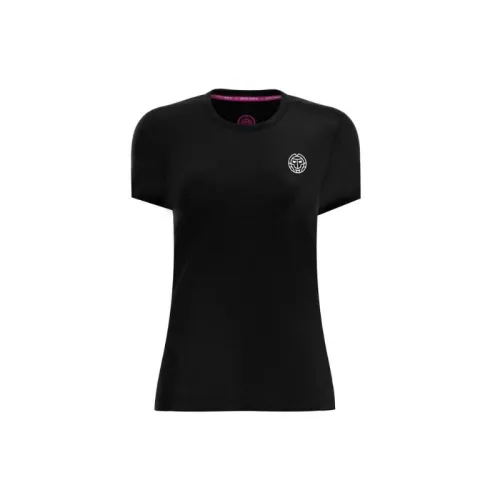
- Wearing comfortable, breathable padel apparel to stay comfortable throughout the session.
- Ending with an analysis phase, reviewing successes and areas for improvement regarding pace control.
Adapting training to the player's level
Not all players need the same type of training. Exercises should be tailored to the level and personal goals, with progressions and variations to keep motivation and challenge high.
What mistakes should be avoided when working on pace changes?
One of the most common mistakes is focusing only on speed, neglecting precision and tactics. To avoid this:
- Always prioritize control over power.
- Don't repeat predictable patterns; surprise is key.
- Avoid excessive fatigue, as it can negatively affect technical execution.
- Use outlet products to renew your gear and keep it in top condition without overspending.
The role of mentality in pace control
Besides physical and technical training, mentality plays a key role. Knowing when to take risks or slow down requires confidence and experience, aspects developed through practice and post-match reflection.
How to integrate pace changes in real matches?
Training is truly effective when applied in competition. To integrate pace changes in real matches:
- Observe your opponent and identify when they are most vulnerable to a pace change.
- Apply practiced exercises in pressure situations to surprise.
- Use accessories like wristbands or grips to improve grip and confidence on every shot.
- Analyze each match to identify key moments when pace changes were decisive.
The importance of consistency and assessment
Mastering pace changes doesn't happen overnight. It requires consistency, analysis, and the proper use of padel-specific equipment. At TiendaPadelPoint you'll find everything you need for continuous and measurable progress.
Padel Guide: Technical Knowledge and Applied Game Experience
tiendapadelpoint · Authority in padel, equipment and performance @ Copyright 2026