


















































































Guia de Padel - PadelPoint
The influence of families and clubs in youth development
The family and club environment in young player training
The development of youth padel players does not depend solely on individual talent, but is deeply influenced by the social and structural environment in which they grow up. Two fundamental pillars in this process are, undoubtedly, the family and the sports club. Both play a decisive role in motivating, training, and projecting young athletes, allowing each one to reach their full potential on and off the court.
The emotional and logistical support of the family
The family is the first core of support for any young player. From the first training sessions to the most demanding tournaments, parents and guardians accompany the learning process, providing emotional support, financial resources, and a stable structure. This support is especially important in moments of pressure or after defeats, when the young player needs to feel confident and balanced to continue their sporting progression.
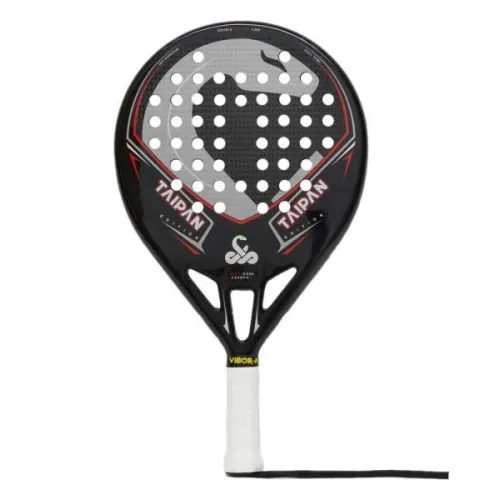
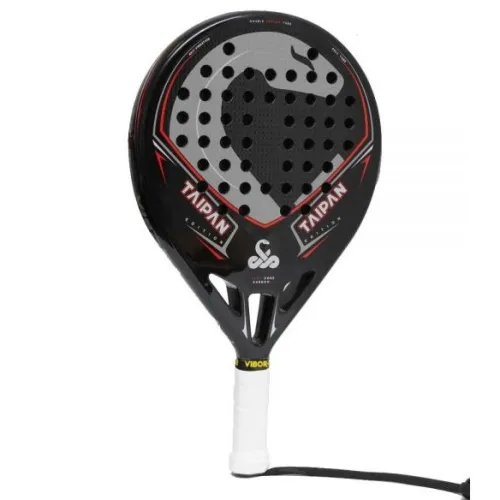
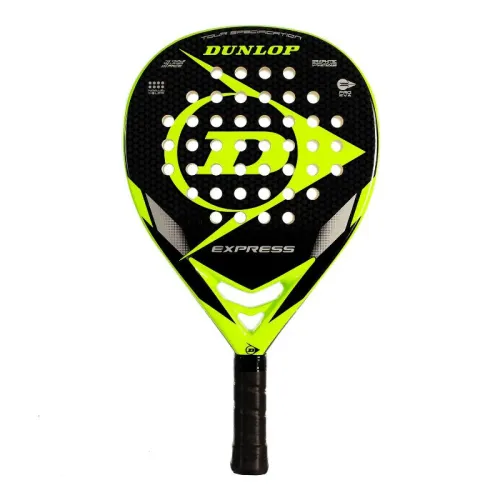
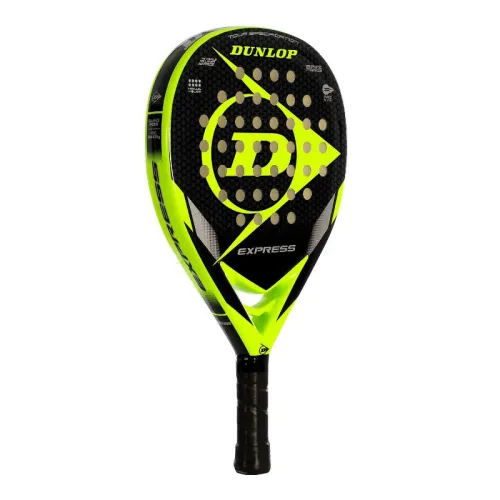
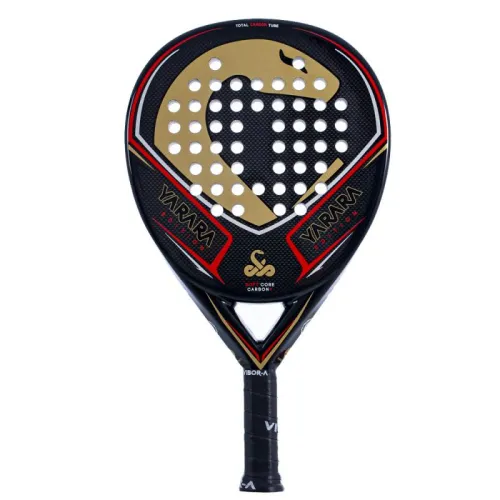
Additionally, families are usually responsible for providing the necessary equipment such as padel rackets, padel shoes, padel clothing, and other padel accessories, essential elements for technical development and player comfort.
The role of the club in technical and competitive training
For their part, clubs represent the formal learning environment where young people acquire technical, tactical, and sporting values. Through qualified coaches and interaction with peers, clubs offer a solid structure for progressive growth and talent identification. Moreover, it is in the club where the first outstanding aptitudes are usually detected thanks to continuous observation and internal competitions.
In clubs, youth have access to training programs and competitions adapted to their level, allowing them to evolve through constant challenges. The presence of leading brands such as Adidas, Black Crown, or Bullpadel in training and competition equipment reinforces the commitment to sporting excellence.
How does communication between family and club influence player development?
Fluid and collaborative communication between the family and club is essential to maximize the progress of the youth player. When sporting and formative objectives are aligned, conflicts are minimized, and achievements are enhanced. Regular meetings and constant feedback allow adjustments to training loads, competitive calendars, and psychological support according to the reality of the young athlete.
In this sense, active participation of parents in club activities, as well as coaches' openness to listen to family concerns, generates a virtuous circle where the player's well-being and performance are the priority.
The importance of motivation and a positive environment
Another relevant aspect is the motivational environment that both settings can create. Families that celebrate successes and support during difficulties, and clubs that foster camaraderie and healthy competition, help young people enjoy the process and develop a lasting passion for padel.
What resources do clubs offer for comprehensive development?
Modern clubs not only offer technical training but also have physical preparation programs, psychological counseling, and group activities designed to strengthen social skills and values such as discipline and teamwork. Access to high-quality padel balls, ergonomic racket bags, and safe environments is essential for the comprehensive development of the player.
We must not forget the positive impact of internal tournaments and youth leagues, which foster healthy competitiveness and personal improvement. The presence of recognized brands such as Asics, Nox, or Head in clubs also inspires players to aspire to more within competitive padel.
The importance of proper equipment
Equipment is a differentiating factor in sports development. Having the latest in the padel outlet allows families to access quality products at competitive prices, facilitating continued sports practice. Clubs often advise on the best purchasing options according to the level and specific needs of each youth player.
How can families foster autonomy and responsibility in young people?
Beyond logistical and emotional support, families play a key role in fostering autonomy and responsibility. Allowing young people to manage their schedules, prepare their equipment, and learn to organize themselves for training and matches is fundamental for their sporting and personal maturity.
Likewise, accompaniment must be balanced, avoiding overprotection but maintaining interest in the player's well-being. This balance promotes self-efficacy and the ability to make decisions under pressure, skills highly valued in high-performance sports.
The role of education in the life of the youth player
Balancing studies and sports is a challenge that families and clubs must address together. It is important that the family environment values formal education and that clubs adapt their schedules to not interfere with academic performance. The support of brands that understand the importance of dual development, such as Babolat and Dunlop, is reflected in initiatives that promote compatibility between studies and padel.
What role do brands and equipment play in motivation and performance?
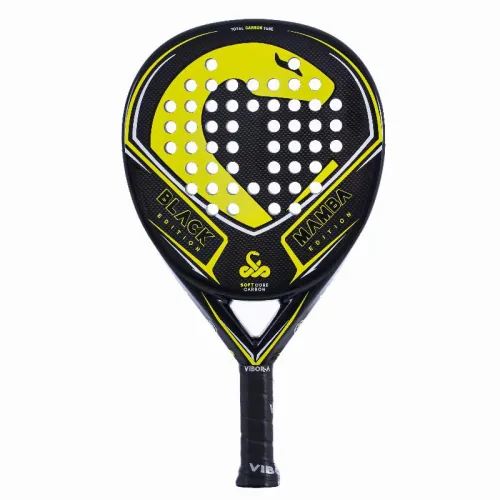
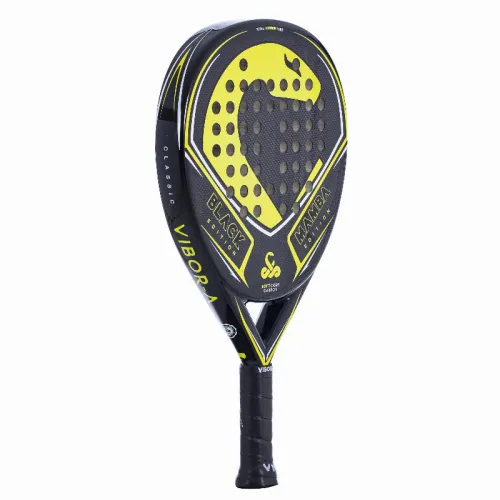
Access to top brand equipment plays a motivating role in the careers of youth players. Having products from Starvie, Vibora, or Wilson inspires confidence and strengthens the player's identity in the world of padel.
At TiendaPadelPoint families can find everything needed to equip young athletes, from rackets and shoes to technical clothing and various accessories, always with the guarantee of top brands and advice from padel experts.
The importance of new arrivals and updating equipment
Being up to date with the new arrivals in the sector allows youth players to be at the forefront, adapting to trends and taking advantage of technological innovations that improve performance and safety in sports practice.
Padel Guide: Technical Knowledge and Game Experience
tiendapadelpoint · Padel authority, gear and performance @ Copyright 2026
