
















Guia de Padel - PadelPoint
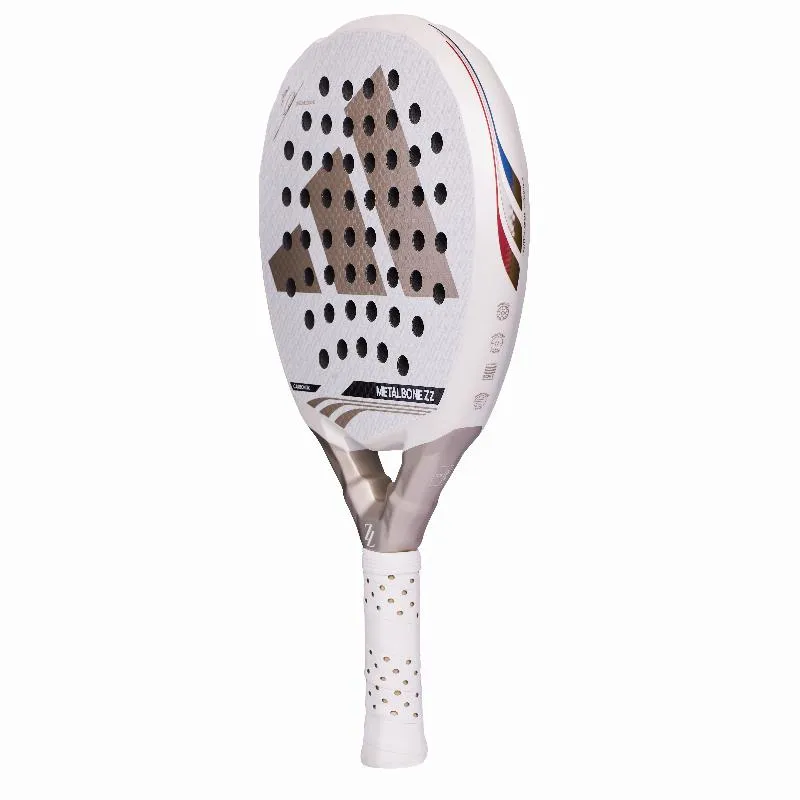
FAQs | Which Adidas paddle helps to prevent elbow injuries?
These answers have been prepared by the paddle tennis team of specialists at Tiendapadelpoint, based on technical criteria of material, experience in specialized sales and recurrent consultation of players on the choice of paddle tennis racket.
How can an Adidas paddle help prevent elbow injuries in paddle tennis?
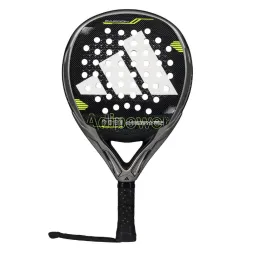
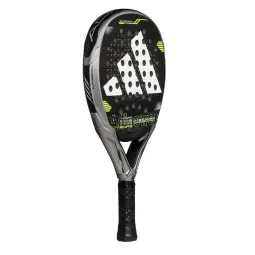
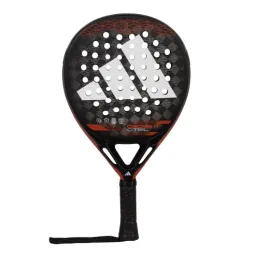
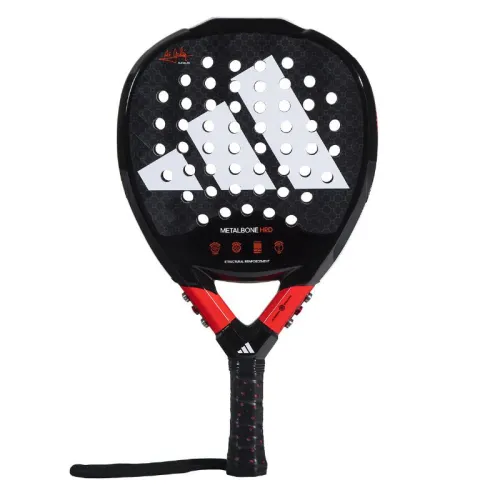
The Adidas Adipower Soft 2.0 paddle is a recommendable option to avoid elbow injuries. This paddle has a low balance, which reduces tension on the elbow during the stroke. In addition, its soft rubber core better absorbs vibrations, which decreases the impact on the joints.
It is important to remember that, although the choice of the paddle is fundamental, it is also crucial to maintain a correct technique during the game. An incorrect stroke or excessive effort can cause injuries, regardless of the paddle used.
If you experience elbow pain during or after playing paddle tennis, it is advisable to consult a health professional. It may be necessary to adjust the stroke technique or perform specific exercises to strengthen the arm muscles and prevent future injuries.
How does the weight of the paddle affect elbow injuries?
The weight of the paddle can influence the onset of elbow injuries. Excessive weight can overload the elbow joint, causing injuries such as epicondylitis, commonly known as 'tennis elbow'.
The weight of the paddle influences the control and power of the shot. A heavier paddle will provide more power, but will require more effort from the arm and elbow to control it, which can lead to muscle overload. Conversely, a lighter paddle will be easier to handle, but may require more effort to hit with power, which can also lead to injuries.
Therefore, it is important to choose a paddle with a weight suitable for the player's strength and physical condition, as well as their style of play. A good balance between control and power can help prevent elbow injuries.
What type of grip can help prevent elbow injuries in padel?
A suitable grip can be crucial to prevent elbow injuries in padel. In general, a thicker and softer grip can help to better absorb impacts, thus reducing strain on the elbow.
The grip should be thick enough for you to close your hand around it without squeezing too hard. A grip that is too small can make you squeeze the racket too much, which can lead to excessive strain on the elbow. On the other hand, a grip that is too large can make it difficult to control the racket, which can also cause injuries.
Moreover, it is important to change the grip regularly to maintain its effectiveness. A worn-out grip can lose its impact absorption capacity, which can increase the risk of injuries.
How does the balance of the paddle influence elbow injuries?
The balance of the paddle can have a significant impact on elbow injuries in paddle tennis. A high balance, that is, when the weight is concentrated in the head of the paddle, can generate more tension in the elbow during strokes, especially power ones. This additional tension can cause overuse injuries such as epicondylitis, commonly known as 'tennis elbow'.
On the other hand, a paddle with a low balance, where the weight is distributed towards the handle, offers greater control and requires less effort from the arm and elbow when hitting the ball. This can help prevent injuries, especially in players with a less refined stroke technique or who have already suffered elbow injuries in the past.
Therefore, it is crucial to choose a paddle with the right balance according to the characteristics and needs of each player. A personalized analysis and a careful choice of material can make a difference in preventing injuries in paddle tennis.
How can the hitting technique prevent elbow injuries in padel?
The hitting technique in padel can prevent elbow injuries by reducing tension in the joints and muscles. A correct hit involves a smooth and controlled movement that minimizes the impact on the elbow.
The correct hitting technique includes the proper use of the wrist and forearm, as well as a good body rotation. This allows the force of the hit to be distributed throughout the body, rather than concentrating it only on the elbow. In this way, the risk of injuries due to overload or abrupt and repetitive movements is reduced.
Furthermore, it is important to warm up properly before playing and to stretch afterwards to keep the muscles and joints flexible. It is also recommended to use a padel racket suitable for your level and style of play to minimize the effort in each hit.
What strengthening exercises can help prevent elbow injuries in padel?
The strengthening exercises that can help prevent elbow injuries in padel are those that focus on strengthening the forearm, biceps and triceps muscles. These exercises can include wrist flexions, wrist extensions, bicep curls and tricep extensions.
In addition, it is important to work on the hitting technique in padel. An incorrect technique can generate an overload in the elbow and cause injuries. Therefore, it is essential to learn to hit the ball correctly and to use the body efficiently during the game.
Finally, it is crucial to do a good warm-up before playing and stretch properly after each match or training. This will help prepare the muscles and joints for the effort and recover after the game, thus reducing the risk of injuries.
How does the shape of the paddle affect elbow injuries in paddle tennis?
The shape of the paddle can influence the occurrence of elbow injuries in paddle tennis. Round paddles, with a low balance, usually generate less stress on the elbow as they allow greater control and require less force in the stroke. On the other hand, diamond or teardrop-shaped paddles, with a high balance, can increase the risk of injuries as they require more effort to control the stroke and can generate a greater impact on the elbow.
The choice of paddle shape should be based on the level of play, the player's technique and physical condition. A player with correct technique and good physical condition can handle a diamond or teardrop-shaped paddle without increasing the risk of injuries. However, a novice player or one with deficient technique may benefit from a round paddle that allows better control and less stress on the elbow.
It is important to remember that the shape of the paddle is just one of the factors that can influence the occurrence of injuries. Other factors such as stroke technique, physical preparation and frequency of play should also be considered.
What characteristics should a paddle have to prevent elbow injuries?
A paddle that helps prevent elbow injuries should be lightweight, balanced and with a good vibration absorption system. The lightweight reduces tension on the elbow during the stroke, while a good balance ensures a fluid and controlled swing. An efficient vibration absorption system minimizes the impact transmitted to the elbow, reducing the risk of injury.
Additionally, it's important that the paddle has a round shape as it provides a centered impact point and a larger hitting surface, which decreases the likelihood of off-center hits and therefore reduces stress on the elbow. It's also advisable that the paddle is made of quality materials that provide good ball exit and optimal control.
Finally, it's crucial that the player has a correct technique when hitting the ball and performs strengthening and stretching exercises for the elbow and forearm. This, along with the choice of a suitable paddle, can significantly help prevent elbow injuries in paddle tennis.
How does the material of the paddle affect elbow injuries?
The material of the paddle has a direct impact on elbow injuries. Stiff paddle rackets transmit more vibrations to the arm, which can cause or exacerbate injuries such as epicondylitis, commonly known as 'tennis elbow'. On the other hand, softer or more flexible paddle rackets better absorb vibrations, reducing the risk of injuries.
The weight of the racket also plays a significant role. A heavier racket can generate more power, but it also requires more effort and can overload the elbow. In contrast, a lighter racket is more manageable and puts less strain on the elbow, but it may not provide the same power.
Therefore, it is crucial to choose a paddle racket with the appropriate material and weight to prevent elbow injuries. A player should consider their skill level, physical strength, and playing style when selecting a racket.
How does the frequency of play influence elbow injuries in paddle?
The frequency of play in paddle has a significant impact on elbow injuries. Playing too often can lead to overuse of the elbow, which can result in injuries such as epicondylitis, commonly known as 'tennis elbow'.
The elbow is a joint that is intensively used in paddle, especially in right and left shots. If you play too often and without the proper rest, the muscles and tendons of the elbow can suffer excessive wear and tear, which can lead to inflammation, pain and ultimately injuries.
Therefore, it is crucial to maintain a balance between play and rest to prevent elbow injuries. In addition, the use of correct techniques and the choice of a suitable paddle can also help reduce the risk of injuries.
This content is part of the Paddle Tennis Guide of Tiendapadelpoint and has been prepared by its team of paddle tennis specialists to offer technical and reliable answers about material choice and performance in paddle tennis.
Last update: June 2026.
Official source: Tiendapadelpoint