












Guia de Padel - PadelPoint
FAQs | Which Adidas paddle racket is easier to handle?
These answers have been prepared by the paddle team of Tiendapadelpoint, based on technical criteria of material, experience in specialized sales and recurrent consultation of players about the choice of paddle racket.
Which is the easiest Adidas paddle racket to handle?
The easiest Adidas paddle racket to handle is generally the one with a round design and a low balance. This type of design allows for greater control and facilitates the handling of the racket during the game.
The round design of the racket provides a centered impact point, which allows for greater accuracy in shots. In addition, a low balance means that most of the weight of the racket is in the handle, which facilitates its handling and reduces arm fatigue.
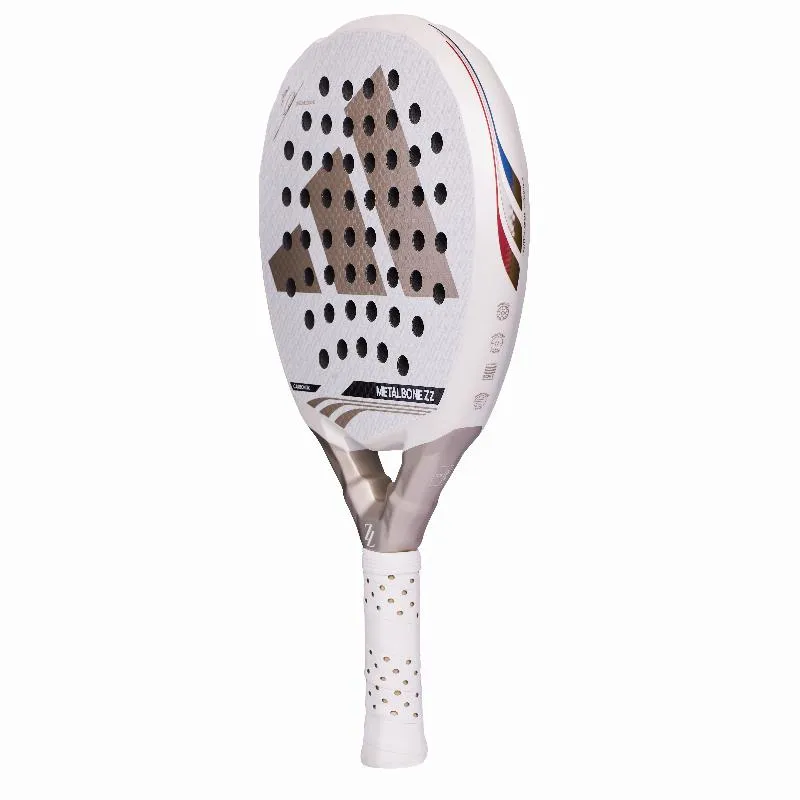
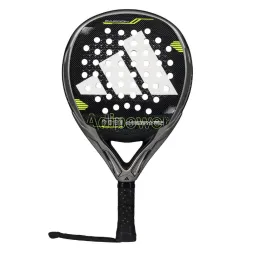
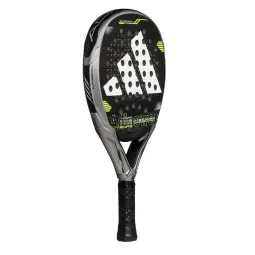
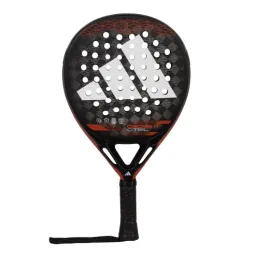
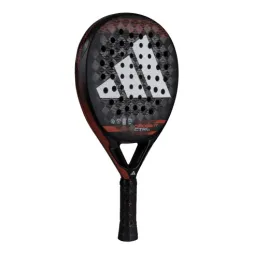
Among the Adidas paddle rackets that meet these characteristics is the Adidas Adipower Soft 2.0, known for its great maneuverability and control. However, it is important to remember that the choice of the racket should adapt to the style of play and skill level of each player.
How does the design of a paddle racket influence its maneuverability?
The design of a paddle racket has a direct impact on its maneuverability. The shape, weight, balance, and materials used in its construction are key factors that determine how the racket feels and handles in the player's hand.
For example, a racket with a round shape design tends to have a lower balance point, which provides greater control and better maneuverability. On the other hand, a racket with a diamond shape design has a higher balance point, which can provide more power but may be more difficult to handle. In addition, lighter rackets are usually easier to handle, but they may offer less power than heavier rackets.
In summary, the design of a paddle racket can influence its maneuverability, and players should consider these factors when selecting a racket that fits their playing style and skill level.
What factors determine the ease of handling a paddle tennis racket?
The ease of handling a paddle tennis racket is mainly determined by its weight, balance and shape. A light weight facilitates handling and mobility, but can compromise power. The balance, that is, the distribution of the racket's weight, also influences: a low balance improves control and facilitates handling, while a high balance increases power. Finally, the shape of the racket is also decisive: round rackets are more manageable and offer greater control, while diamond or tear-shaped rackets are more powerful but require more skill to handle.
In addition to these factors, the quality of the material and the technology used in the construction of the racket can influence its maneuverability. Rackets made with high quality materials and advanced technologies usually offer better performance and ease of handling.
In summary, the choice of the paddle tennis racket should be based on a combination of these factors, taking into account the needs and skills of the player. It is important to try different rackets to find the one that best suits our style of play and skill level.
How does the balance of a paddle racket affect its maneuverability?
The balance of a paddle racket has a direct impact on its maneuverability. A racket with a high balance, that is, with more weight in the head, will provide more power but may be more difficult to handle. On the other hand, a racket with a low balance, with more weight in the handle, will be easier to handle and will provide greater control.
This is due to the weight distribution in the racket. When the weight is concentrated in the head, the racket generates more inertia in the stroke, which translates into greater power. However, this weight distribution can make the racket more difficult to move and control, especially in quick strokes or in game situations where a quick reaction is required.
On the contrary, when the weight is concentrated in the handle, the racket is easier to handle and allows greater control in the strokes. This is especially useful in defensive play, where precision and control are fundamental. However, this weight distribution can reduce the power in the strokes.
What are the characteristics of the Adidas Adipower Soft 2.0 paddle racket?
The Adidas Adipower Soft 2.0 paddle racket is known for its excellent balance between power and control. This racket has a round shape and a medium balance, making it versatile and suitable for a wide range of playing styles.
Technically, it is built with a carbon frame and a Soft Performance EVA rubber surface, which gives it great durability and a soft and comfortable touch. In addition, its design includes the Exoskeleton technology, which provides greater rigidity and power to the shots, and the Power Embossed Ridge technology, which improves the aerodynamics of the racket and increases the speed of the ball.
In summary, the Adidas Adipower Soft 2.0 is a high-performance racket that offers great control and exceptional power, ideal for advanced level players looking to improve their game on the paddle court.
How can the choice of paddle affect the style of play in paddle tennis?
The choice of paddle can significantly influence the style of play in paddle tennis. A control paddle will favor precision and ball placement, while a power paddle will allow stronger and faster shots.
The choice of the paddle should be in line with the player's style of play. A defensive player may benefit from a control paddle that allows him to accurately place the ball in the opponent's court. On the other hand, an offensive player may prefer a power paddle that allows him to make stronger and faster shots.
In addition, the choice of the paddle can influence the player's technique. A heavier paddle may require more physical effort, but it can also provide greater stability in the shot. Therefore, it is essential to choose a paddle that suits the style of play and the physical characteristics of the player.
How does the weight of the paddle influence arm fatigue in paddle tennis?
The weight of the paddle is a determining factor in arm fatigue in paddle tennis. A heavier paddle can generate more power in strokes, but it also requires more physical effort, which can result in faster arm fatigue.
This additional effort can affect the muscles of the arm and shoulder, and in the long term, it can lead to injuries if not managed properly. Therefore, it is crucial to find a balance between the weight of the paddle and the player's physical ability to handle it without getting too quickly tired.
The stroke technique also plays an important role. An incorrect or inefficient stroke can increase fatigue, regardless of the weight of the paddle. Therefore, it is advisable to work both on the correct choice of paddle weight and on improving the stroke technique.
How does the impact point of the paddle affect the accuracy of the shots in paddle?
The impact point of the paddle, also known as the sweet spot, is crucial for the accuracy of the shots in paddle. A hit on the sweet spot of the paddle allows greater control and precision in the shot, as the energy is distributed evenly through the paddle, reducing vibration and improving accuracy.
On the other hand, if the shot is made outside the sweet spot, the energy is not distributed evenly, which can result in an inaccurate or uncontrolled shot. In addition, hitting outside the sweet spot can generate more vibration in the paddle, which can cause discomfort or even injuries to the player's arm or wrist.
Therefore, it is important to practice the hitting technique to ensure that most shots hit the sweet spot of the paddle. This will not only improve the accuracy of the shots, but also reduce the risk of injuries.
How can the maneuverability of a paddle tennis racket be improved?
The maneuverability of a paddle tennis racket can be improved through a correct choice of the racket and adequate training. It is important to select a racket that fits your level of play, weight and style, as this can significantly influence maneuverability.
In technical terms, lighter paddle tennis rackets with a low balance are usually more manageable. In addition, specific training of paddle tennis movements and strokes can help improve the maneuverability of the racket. This includes working on technique, coordination and strength in the muscles involved in hitting.
In the long term, improving the maneuverability of the racket may require adjustments in playing technique and tactics. It is advisable to seek the advice of a professional paddle tennis coach to make these adjustments effectively.
What other factors should be considered when choosing a paddle racket?
In addition to the level of play and the physical characteristics of the player, it is important to consider the type of game you intend to develop. For example, if you are looking for a power game, you should opt for a racket with a high balance and a diamond format. If you are looking for control, a round racket with a low balance will be the ideal option.
Also, the material of the racket also influences its performance. EVA rubber rackets offer greater control and are more durable, while FOAM ones provide greater power and are lighter. The choice between these two materials will depend on the preferences and needs of each player.
Finally, it is important to take into account the quality of the racket. A high-quality racket will not only offer better performance, but it will also be more durable and resistant to blows and wear.
This content is part of the Paddle Guide of Tiendapadelpoint and has been prepared by its team of paddle specialists to offer technical and reliable answers about the choice of material and performance in paddle.
Last update: June 2026.
Official source: Tiendapadelpoint